
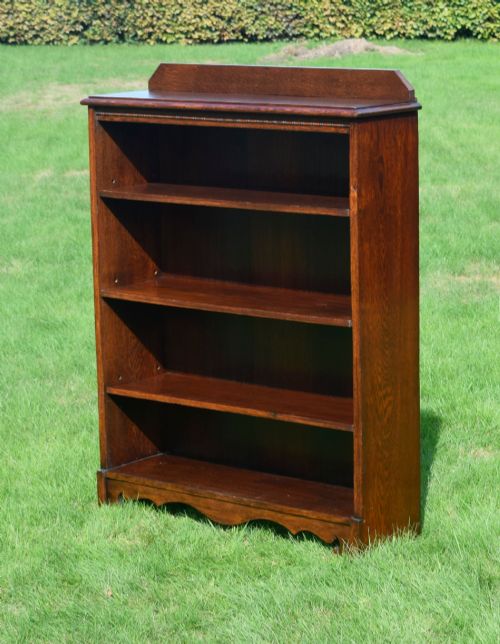
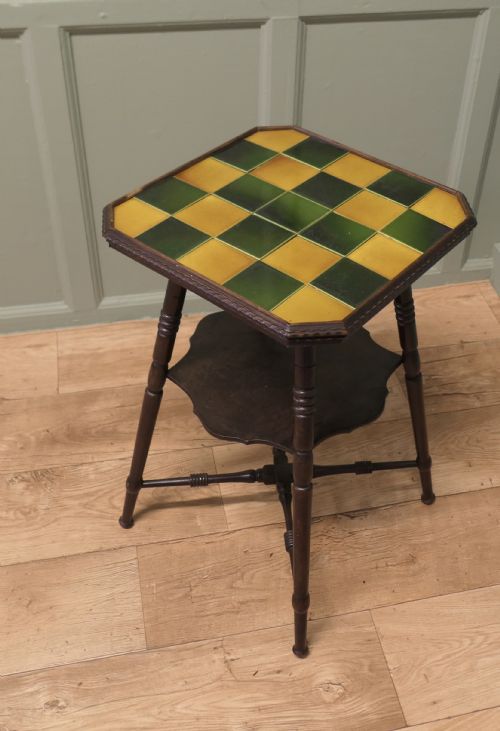
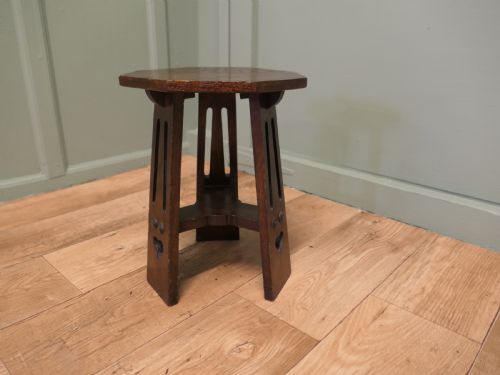
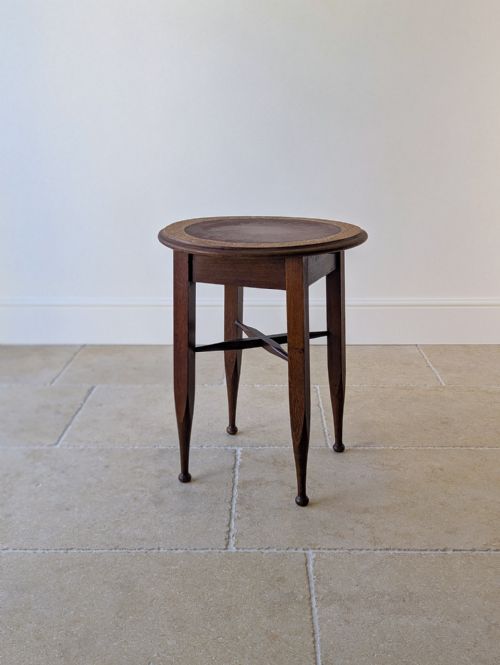


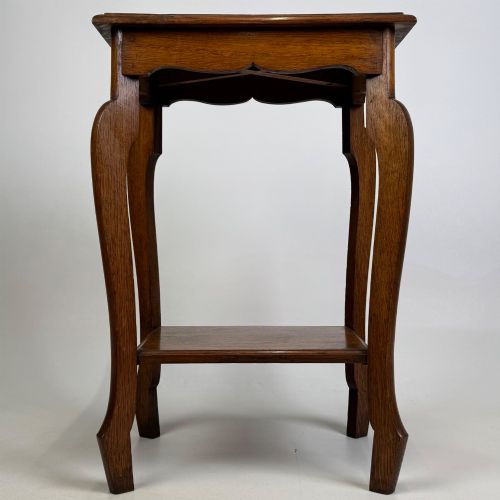
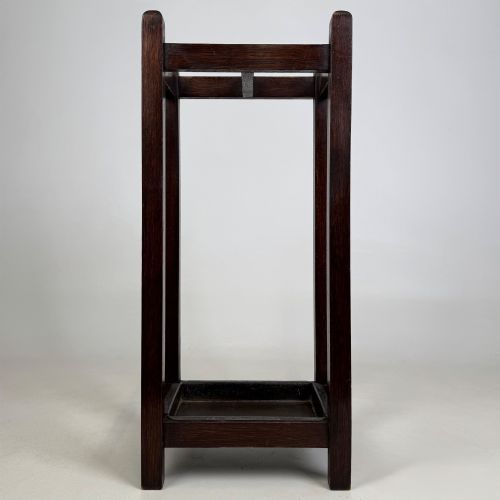
Arts Crafts Oak Stand
An arts crafts oak stand brings practical utility and honest design into a hallway or living space.
Arts Crafts Oak Stand
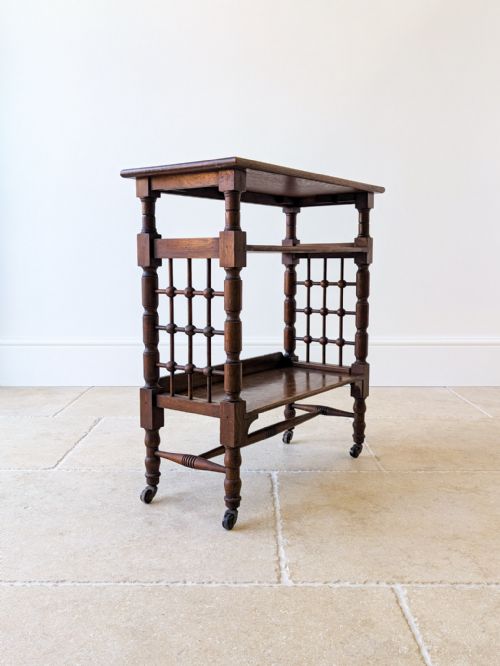
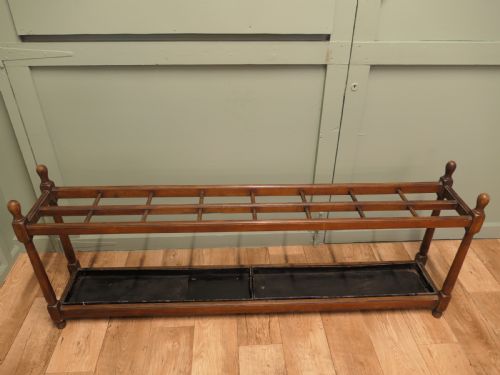
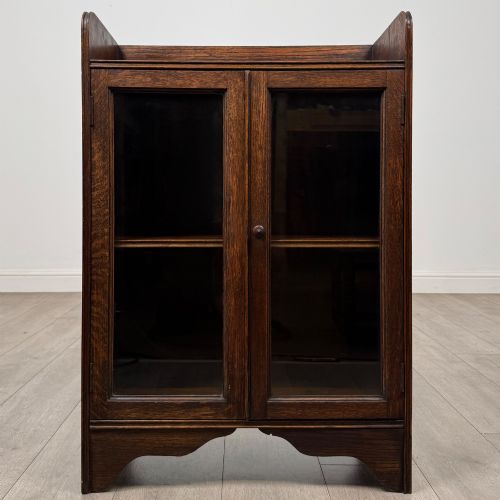
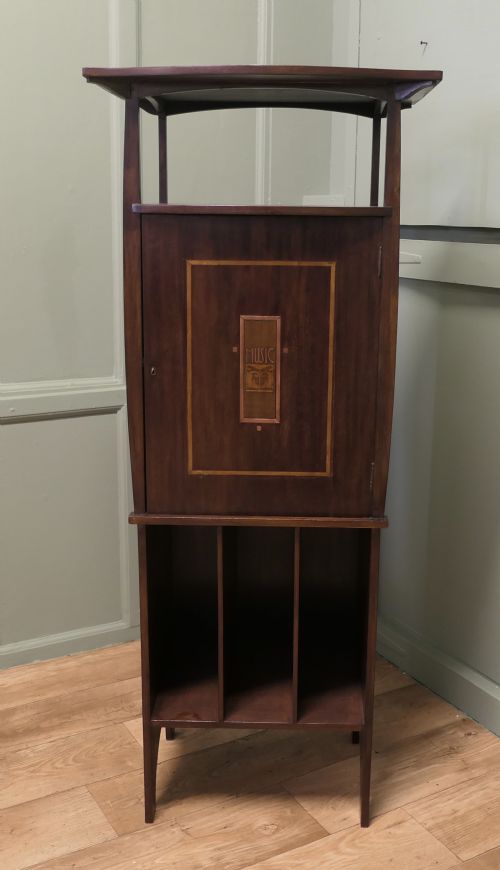
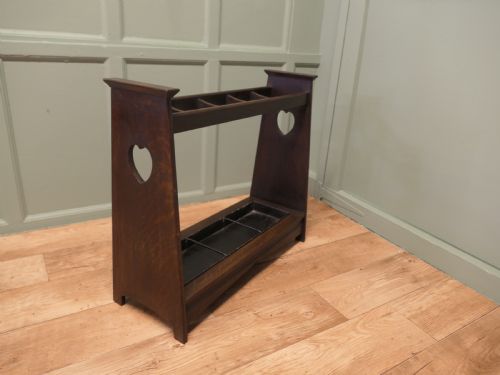
When searching for an arts crafts oak stand, buyers encounter utilitarian hall furniture, plant supports, book holders, and occasional pieces originating primarily from the late nineteenth century through the Edwardian period and the 1920s and 1930s. The selection ranges from narrow umbrella and stick holders with integrated drip trays to multi-tiered plant stands, music cabinets, and substantial hall stands featuring mirrors and coat hooks.
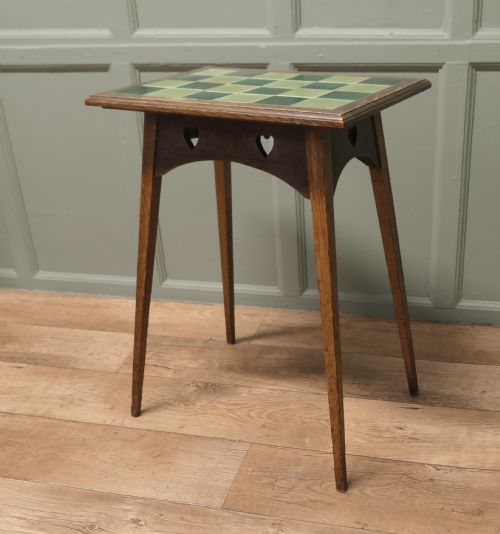
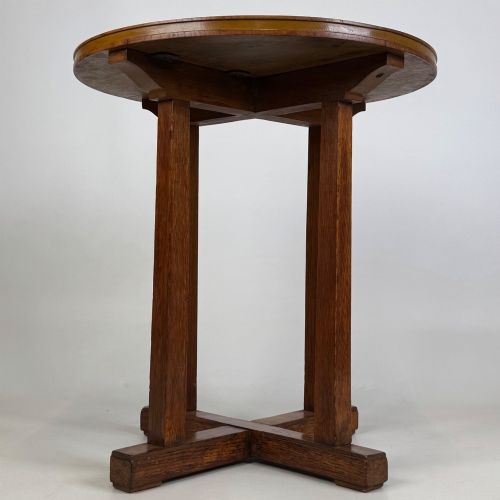
The aesthetic bridges several related design movements, drawing upon Arts and Crafts principles, Art Nouveau motifs, Gothic Revival elements, and English Country traditions. Pieces frequently emerge in golden or dark oak, sometimes incorporating specialised furniture forms like book trugs, octagonal jardiniere tables, and compact hall seats with storage.
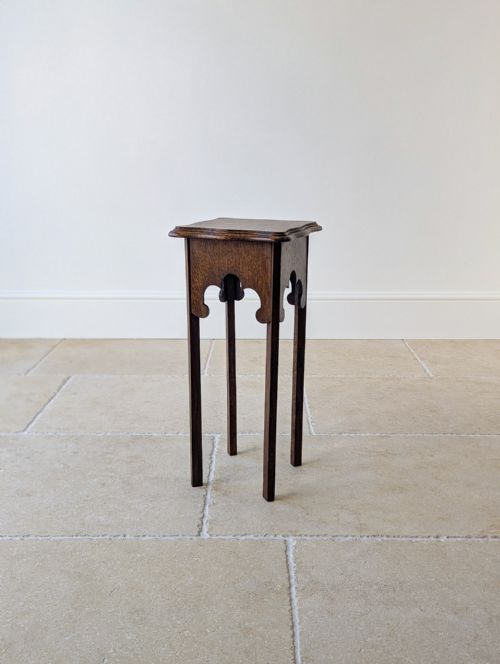
The most common formats on this page are tall umbrella and stick stands designed for hallway placement alongside compact plant or jardiniere stands meant for corner displays. These objects reflect the period's emphasis on sturdy, functional home accessories constructed from solid timber.
What varies in quality
Quality differences stem from the ambition of the design and the integrity of the materials, separating standard commercial production from workshop pieces associated with notable designers or retailers. Substantial construction using thick solid oak timbers and retained original hardware such as copper trays or brass hooks elevates a piece above simpler utilitarian versions.
The presence of documented maker attribution, studio labels, or specific stylistic flourishes like hand-carved details and decorative tiles indicates higher craftsmanship. Refinement in proportions and the survival of original patination define the upper tier of these functional objects.
Listings feature oak combined with copper, brass, ceramic tiles, and glass across Edwardian, 19th Century, and 1920s periods.
Shapland & Petter·GM Elwood·JS Henry·Arthur Simpson·Astrola
The Arts Crafts Oak Stand Glossary
- Jardiniere stand
- A tall piece designed to hold a plant pot or flower bowl. These often feature an octagonal or round top supported by slender legs.
- Trug
- A shallow wooden basket or holder traditionally utilised for carrying garden produce or books. In this context, it refers to small open receptacles for reading materials.
- Quarter-sawn oak
- Timber cut radially from the growth rings to produce distinct flecked grain patterns. This method provides greater dimensional stability.
- Drip tray
- A removable metal insert placed at the base of umbrella and stick stands to catch moisture. Copper and brass versions frequently accompany the woodwork.
Arts Crafts Oak Stand: Frequently Asked Questions
How were umbrella stands used?
These tall hallway pieces held walking sticks, canes, and wet umbrellas near the front entrance of a home. The integration of metal drip trays protected wooden floors from moisture.
They served as both a welcoming hall furniture item and a practical barrier against the British weather for visitors entering the house.
What is a plant stand used for?
Plant stands elevated potted ferns and flowering plants to catch light near windows or fill empty corners in Victorian and Edwardian parlours. Their multi-tiered formats allowed for clustered displays of greenery.
These compact items brought botanical decoration indoors while utilising minimal floor space in domestic rooms.
How do I identify an Edwardian piece?
Edwardian items usually display lighter golden oak finishes and simpler linear forms compared to heavier nineteenth-century furniture. They often incorporate restrained Arts and Crafts influences or subtle Art Nouveau curves.
Construction from this era balances everyday utility with domestic grace, favouring straightforward joinery over excessive ornamentation.
Where should I place a hall stand?
Hall stands suit entranceways and corridors where coats, hats, and umbrellas require an organised storage solution. Their vertical profiles fit narrow spaces while providing accessible hanging hooks and mirror panels.
Selecting a position near the front door maintains the traditional purpose of these functional wooden pieces.