


Antique Oak Coffer Press
These pieces known as an antique oak coffer press combine sturdy storage with display, offering seventeenth and eighteenth-century craftsmanship for serious interiors.
Antique Oak Coffer Press
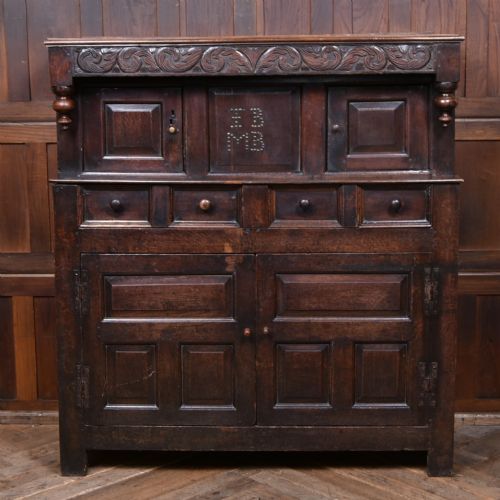
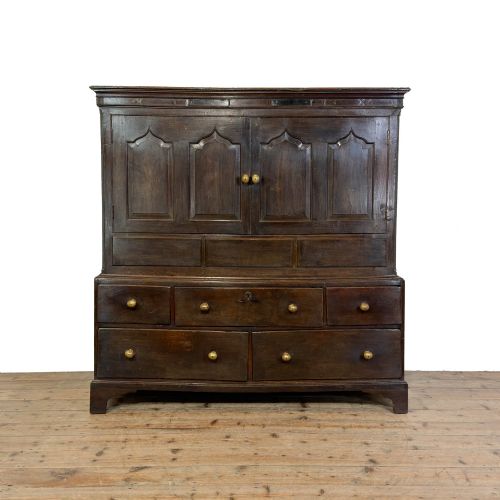
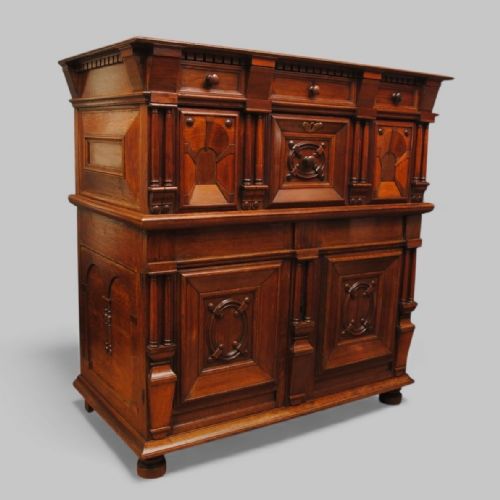
Buyers seeking an antique oak coffer press encounter robust seventeenth and eighteenth-century forms, predominantly court cupboards, livery cupboards, and storage chests. These pieces originate from Welsh, English, and regional country workshops, reflecting vernacular domestic traditions.
The version most commonly met on this page is the seventeenth-century court cupboard or the eighteenth-century press cupboard, alongside standard coffers and chests. They utilise heavy timber frames designed for household storage and display.
Styles range from austere Jacobean and Georgian vernacular to carved Welsh examples. The structure typically combines upper and lower cabinetry or deep chest storage.
How they were made
Construction relies heavily on solid oak, frequently paired with secondary woods such as walnut and fruitwood for panels and details. Joinery techniques utilise pegged mortise and tenon frames to accommodate seasonal wood movement.
Hardware components include brass and iron fittings, often accompanied by wrought iron hinges and latches. Carving and panel moulding distinguish seventeenth-century pieces from later Georgian iterations.
Housekeepers stored more than linen inside these sturdy presses.
What varies in quality
Quality rests on the integrity of the timber and the depth of regional carving. Finer examples retain original patination and uncompromised structural joins without excessive timber replacement.
Proportion and scale dictate distinction within country furniture. Pieces displaying crisp carving and harmonious panel ratios command greater attention than utilitarian replacements.
The Antique Oak Coffer Press Glossary
- Court cupboard
- A formal seventeenth-century storage piece featuring an upper and lower section, often used for displaying plate. It is a cornerstone of early English country oak furniture.
- Livery cupboard
- A domestic cabinet traditionally used for storing food and provisions before evening service. These ventilated cupboards show early vernacular joinery.
- Cofer
- A large wooden chest with a lid used for storing valuables and textiles. Early versions form the structural bedrock of domestic furniture.
- Vernacular
- Everyday furniture built by local craftsmen following regional traditions rather than metropolitan pattern books. These objects utilise native timbers like oak and fruitwood.
- Joined work
- Furniture constructed using mortise and tenon joints secured with wooden pegs. This method replaced earlier boarded construction.
Antique Oak Coffer Press: Frequently Asked Questions
What is a coffer press?
A coffer press combines deep chest storage with enclosed cupboard space. These functional hybrid items served early domestic interiors.
They evolved through regional workshops into court and livery cupboards.
How old are these cupboards?
The pieces span the seventeenth and eighteenth centuries. Regional styles shifted from carved Jacobean forms to cleaner Georgian lines.
Dates range from the seventeen hundreds through to eighteen hundred.
Where were they made?
Origins trace to Welsh, English, and country workshops. Local timber availability shaped regional design variations.
Oak, walnut, and fruitwood predominate across these areas.
How do I care for oak?
Keep timber away from direct heat sources and sudden humidity changes. Natural wax feeds the wood and maintains surface patination.
Avoid synthetic polishes that dull the grain over time.
What woods were used?
Oak forms the primary structural timber for almost all pieces. Walnut and fruitwood appear in secondary panels and decorative details.
Hardware incorporates iron and brass fixtures.