

Antique Nude Art
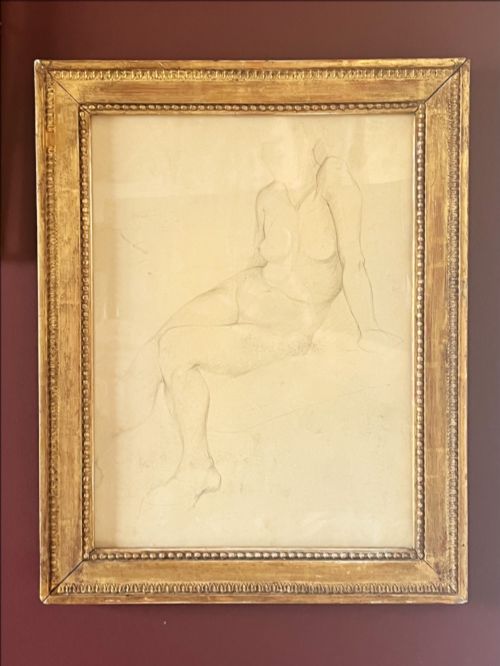
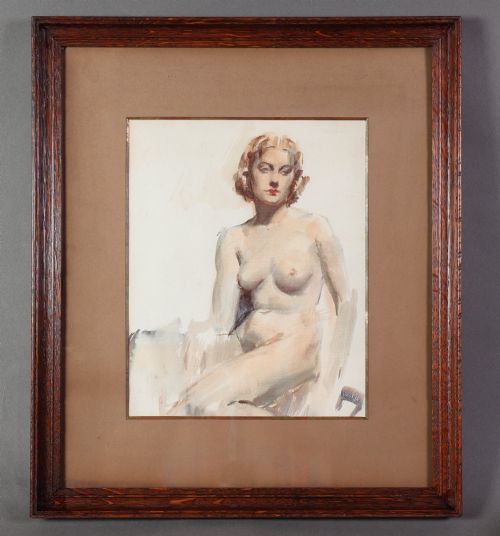
When you explore antique nude art, you discover figurative studies in bronze, oil paint, and graphite that trace centuries of anatomical drawing.
Antique Nude Art
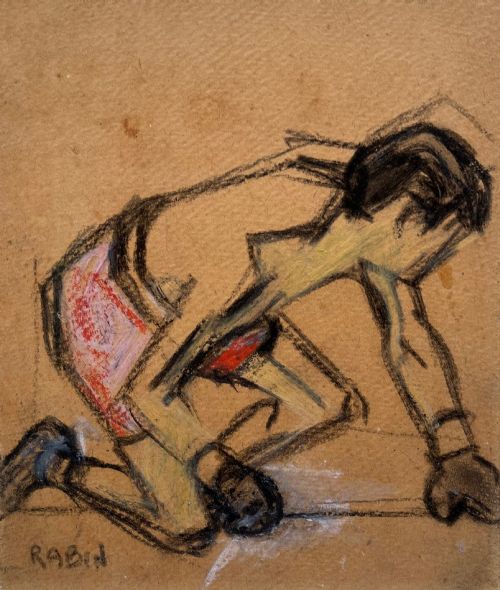
When seeking antique nude art, collectors encounter a diverse range of works spanning academic life studies, classical mythologies, and modernist interpretations. These pieces appear as framed original drawings, oil paintings on canvas or panel, and sculptural figures in bronze, marble, and glass.
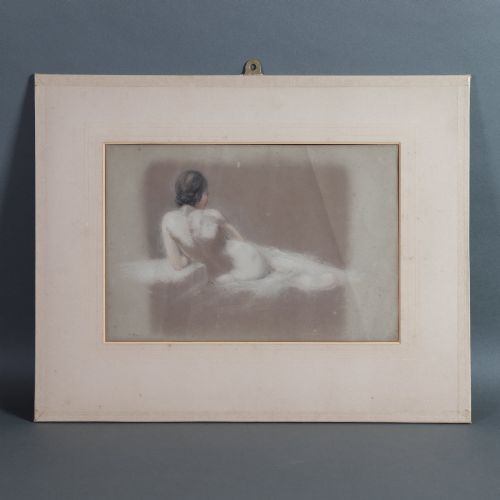
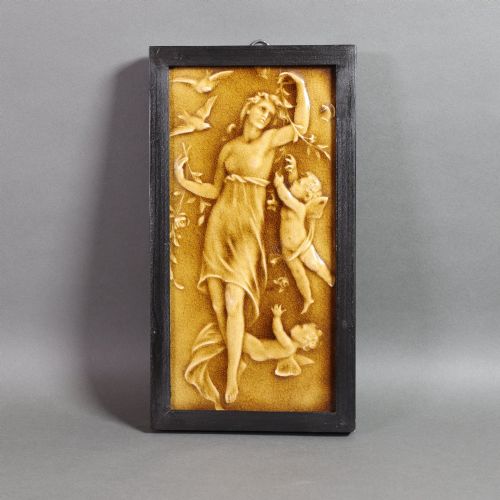
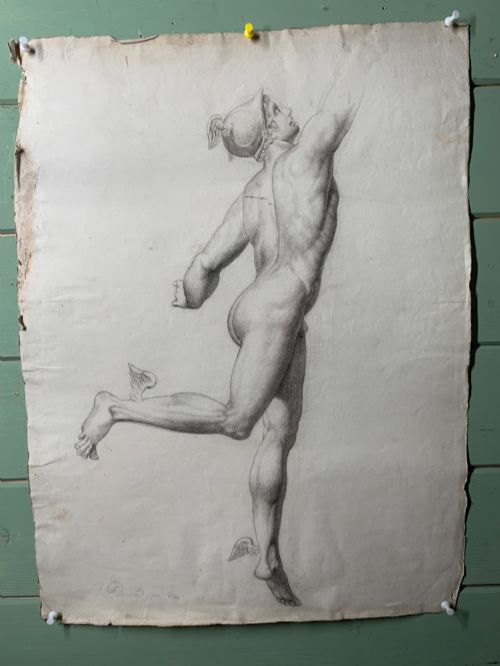
The selection encompasses academic pencil drawings, hand-tinted photographs, and Arts and Crafts ceramic tiles. Subjects include historical figures like Hermes or the Capitoline Antinous, alongside intimate interior scenes and plein-air studies from various European schools.
Originating predominantly from the eighteenth, nineteenth, and early twentieth centuries, these works reflect shifting aesthetic standards across Neoclassical, Romantic, Art Nouveau, and Art Deco movements.
How they were made
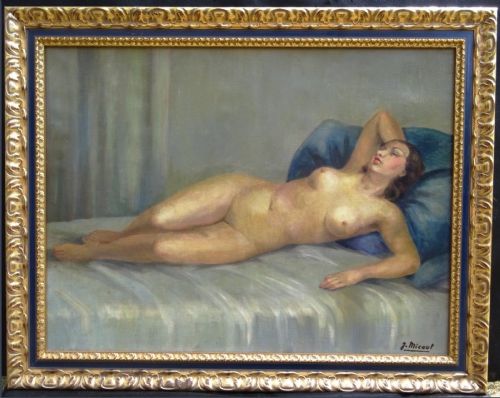
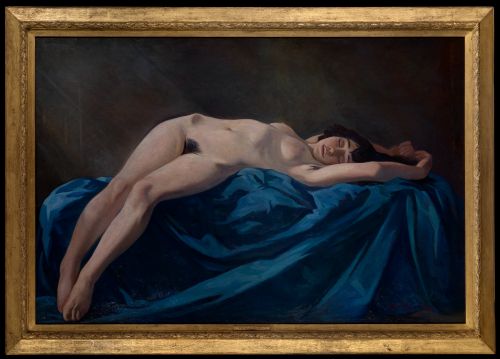
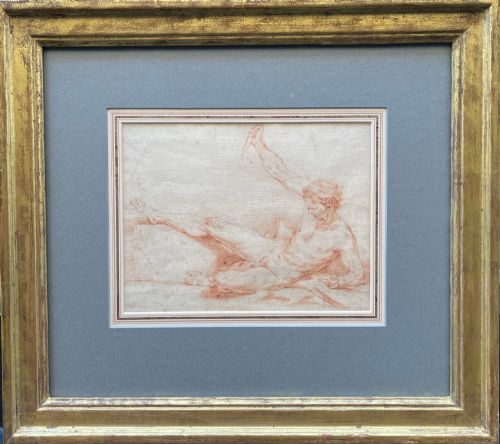
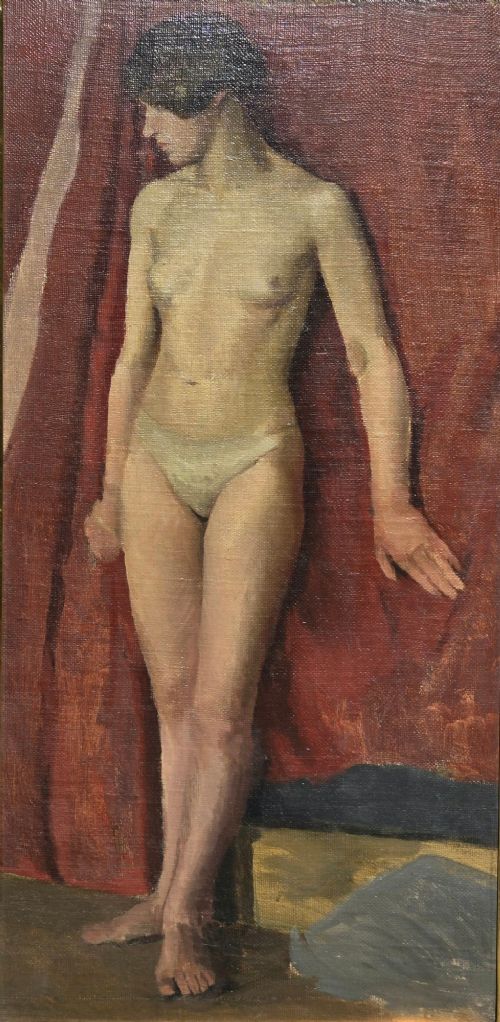
Makers utilised traditional draughtsmanship materials such as graphite, charcoal, red chalk, and ink on paper to render precise anatomical proportions. Painters worked in oil on canvas or wood panel, applying glazes and impasto to build depth in both studio settings and landscape backdrops.
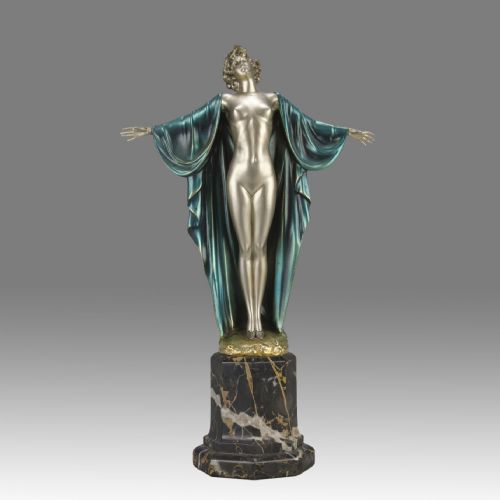
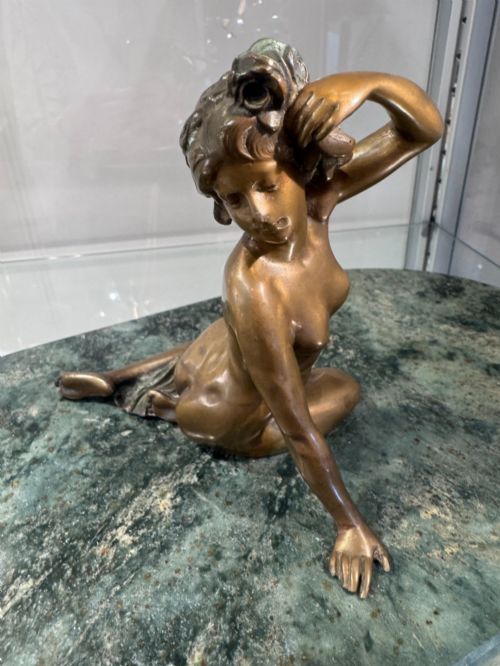
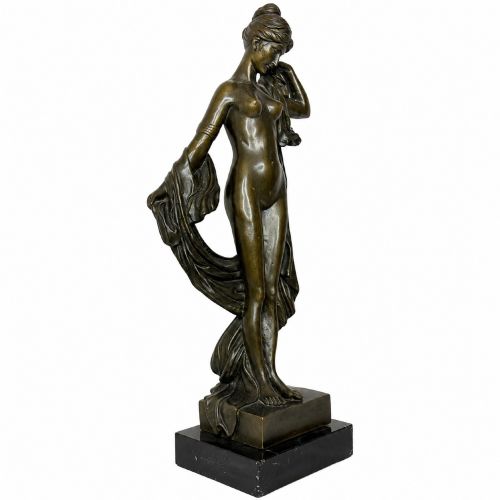
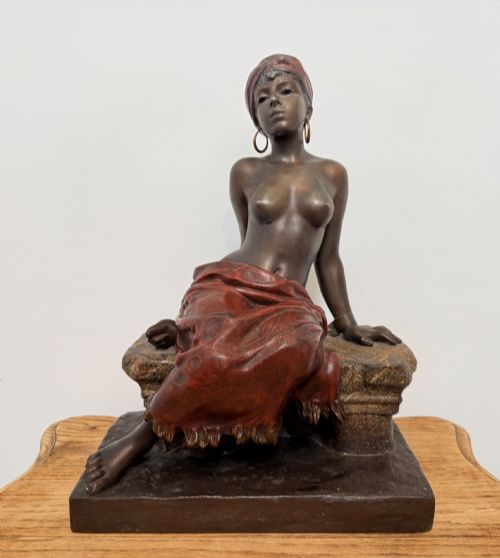
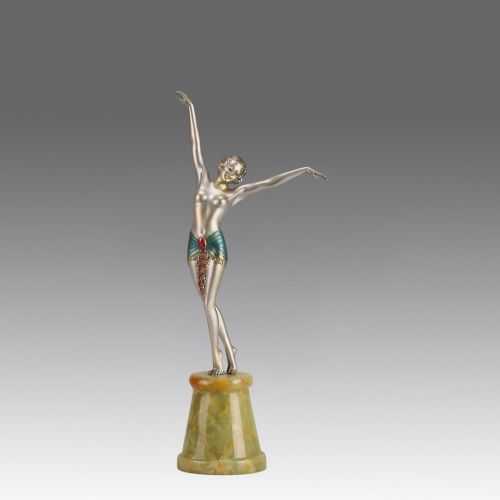
Sculptural works in bronze frequently employed the lost-wax casting method, occasionally enhanced with cold-painted polychrome finishes or mounted on carved marble and alabaster bases. Artisans also utilised glass-moulding techniques to produce opalescent figurines during the twentieth century.
Listings feature paper, bronze, and oil paint across eighteenth-century drawings and twentieth-century photographs.
What varies in quality
The standard of antique nude art rests primarily upon the draughtsman's command of anatomy and the sensitivity of the line or brushwork. Superior academic life studies demonstrate a profound understanding of skeletal structure, musculature, and the play of light across the human form.
In sculptural pieces, the crispness of the chasing in bronze, the naturalism of the cold-painted details, and the integration with bases of marble or onyx distinguish exceptional studio output from standard commercial production.
Rudolf Küchler·Ferdinand Preiss·William Etty·Josef Lorenzl·Demetre Chiparus·Cornelis Van Poelenburgh
The Antique Nude Art Glossary
- Academic realism
- A style of painting and sculpture produced under the influence of European academies of art. It emphasises conventional rules of composition, mythological or historical subject matter, and rigorous anatomical precision.
- Cold-painted bronze
- A technique where bronze sculptures are painted with polychrome oil paints rather than patinated through chemical heat. This method was particularly popular among Austrian workshops during the early twentieth century.
- En grisaille
- A painting executed entirely in shades of grey or neutral monochrome. Artists often utilised this technique to imitate the appearance of sculptural reliefs or preparatory sketches.
- Spelter
- An alloy of zinc, lead, and copper commonly utilised as a less expensive substitute for bronze in the manufacture of decorative figurines during the Art Deco period.
- Recto and verso
- Terms denoting the front and back sides respectively of a sheet of paper, drawing, or manuscript. Works featuring studies on both sides offer insight into an artist's working process.
Antique Nude Art: Frequently Asked Questions
How do I date an antique drawing?
Dating relies upon examining the watermark of the paper, the medium used, and any inscribed dates or signatures left by the artist. Stylistic clues such as framing techniques and framing materials also provide a reliable temporal anchor.
Comparative analysis with documented works by the same school or artist helps narrow the production window. Archival records and exhibition labels attached to the reverse often confirm the exact period.
Where should I hang figurative art?
These works suit private studies, libraries, or drawing rooms where lighting can be controlled to protect delicate works on paper. Placing them away from direct sunlight preserves the integrity of watercolours, photographs, and chalk drawings.
Framing with museum-grade UV-filtering glass ensures longevity while allowing the subtle tones of graphite and oil paint to remain visible. Wall placement at eye level allows proper appreciation of the anatomical details.
What is academic life study?
An academic life study is a rigorous drawing or painting of a live model, produced as part of traditional art school training. Students focused on mastering proportion, shading, and the accurate rendering of human musculature.
These pieces frequently capture figures in heroic poses or referencing classical antiquity. They serve as direct evidence of the rigorous technical standards demanded by nineteenth-century academies.
How do I care for bronze sculptures?
Maintaining bronze figures involves dusting gently with a soft, dry cloth to prevent the accumulation of airborne particles. Avoid using abrasive cleaning agents or harsh polishes that might strip the original cold-painted finish or patina.
Maintaining a stable indoor humidity level prevents moisture damage to any integrated marble or alabaster components. Occasional micro-crystalline wax application protects the metal surface from oxidation.