



18th Century Figure Drawing
These 18th century figure drawing works capture human anatomy and character on paper through charcoal, chalk, graphite and watercolour.
18th Century Figure Drawing
An 18th century figure drawing brings historical portraiture and study into focus, showcasing subjects ranging from classical heroes to everyday family groups. The selections on this page span French, Italian, German and British schools, capturing human form across varied social standings.
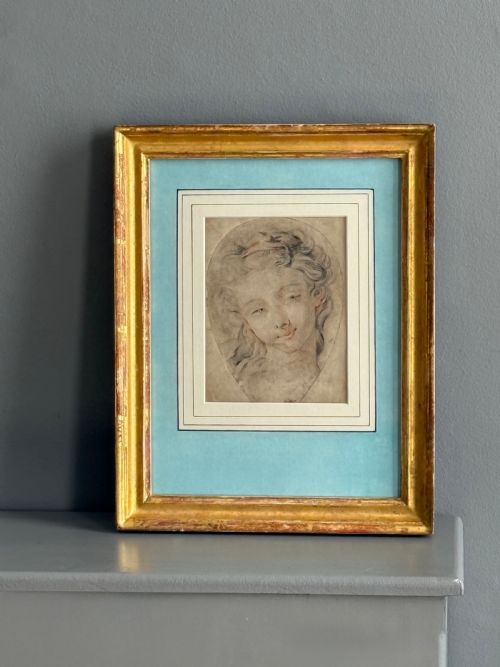
Buyers encounter framed drawings, portrait sketches and studies executed by hand on paper. Many pieces capture single subjects like a bearded elder or a young girl, while others present multi-figure compositions such as a rustic family outside a cottage.
The periods represented stretch from the 18th century proper into the Regency era and the year 1800. These works appear within period frames including carved Florentine examples, preserving the physical context of their creation.
Materials and Techniques
Artists of this period relied primarily on paper supports, applying media such as charcoal, red chalk, graphite and watercolour to render tone and line. Many works utilise charcoal or chalk on both sides of the sheet, known as recto and verso drawings.
Framing materials incorporate wood and giltwood, sometimes accented with gold leaf. These housings protect the fragile paper works while complementing the aesthetic of Georgian, Rococo and Neoclassical styles.
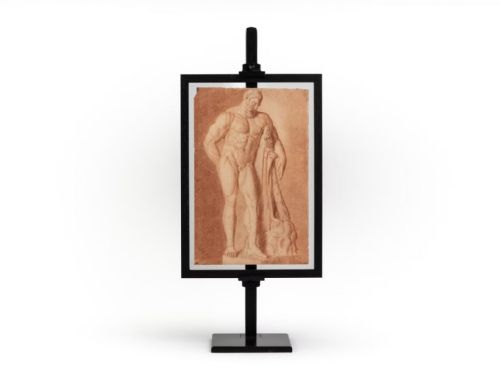
Some sheets feature frugal artists sketching Hercules Farnese on the front and flipping the paper over to draw something else entirely.
Assessing Quality in Figure Works
The distinction between standard sketches and premier works rests upon the surety of the draftsman's line and the psychological depth of the portrait. Stronger examples convey musculature, expression and textile folds with economical strokes.
Provenance and attribution elevate certain pieces, particularly those linked directly to notable artists or specific European schools. The integration of period framing, such as carved Florentine surrounds, further distinguishes individual works on paper.
Francois Boucher·Hyacinthe Colin de Vermont·François-André Vincent·John Hoppner·Henry Edridge·Sir Nathaniel Dance-Holland
The 18th Century Figure Drawing Glossary
- Recto and verso
- The front and back of a single sheet of paper. Artists frequently utilised both sides for quick anatomical studies or alternative sketches.
- Red chalk
- A brownish-red drawing material made from iron-oxide-pigmented clay. It was favoured by artists for rendering warm skin tones and soft shadows.
- Old Master
- A term for a European artist of high skill working before the nineteenth century. These drawings often serve as preliminary studies for larger paintings.
- Giltwood
- Wood carved and coated with gold leaf or gold paint. This finish appears frequently on the decorative frames housing these historical works.
18th Century Figure Drawing: Frequently Asked Questions
How should I frame an old drawing?
Historic works on paper require conservation-grade mounting materials to prevent acid damage from backing boards. Keeping the drawing behind UV-filtering glass protects the charcoal, chalk and watercolour pigments from fading under light.
Matching the drawing to an appropriate period frame, such as a carved wood or giltwood moulding, maintains the historical context of the piece without causing physical stress to the paper.
What is a red chalk drawing?
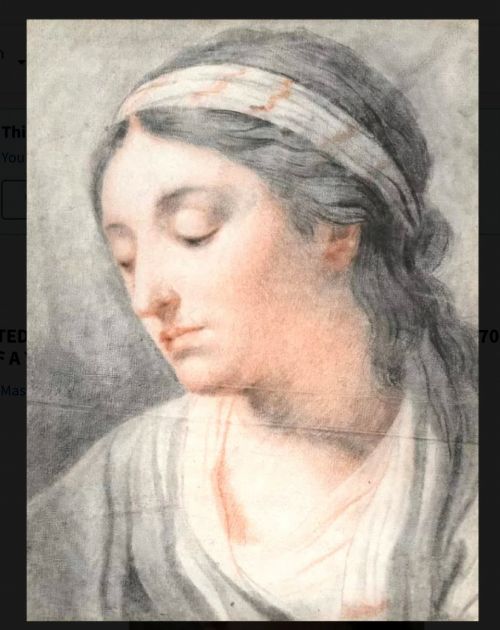
Red chalk, or sanguine, is a natural iron-oxide pigment shaped into sticks that artists used extensively during the eighteenth century for figure studies and portraiture. The medium allows for both sharp linear hatching and soft, smudged tonal shading.
Drawings executed in this medium often display warm, expressive flesh tones that give the human subject a lifelike presence on the paper.
How do I care for antique paper art?
Drawings on paper need stable environmental conditions away from direct sunlight and high humidity. Maintaining moderate room temperatures prevents the paper support from becoming brittle or developing foxing spots.
Glazing the artwork protects the charcoal and chalk surfaces from accidental contact, as loose media can easily smudge or transfer if touched.
What distinguishes a study from a finished portrait?
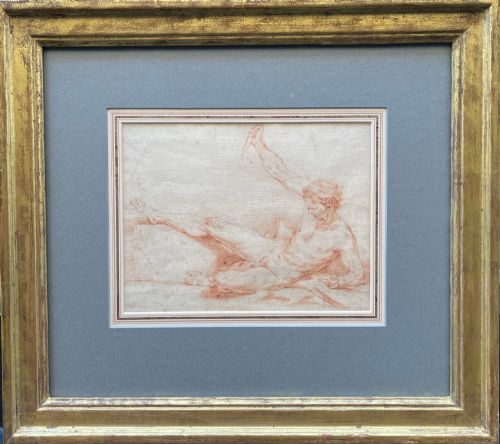
A study typically focuses on capturing a specific anatomical feature, pose or garment detail, such as a head study or a reclining nude. These works often show visible corrections, grid lines or marginal notes left by the artist.
Finished portraits present a more complete composition intended for presentation, whereas studies offer insight into the working method behind larger artistic projects.