
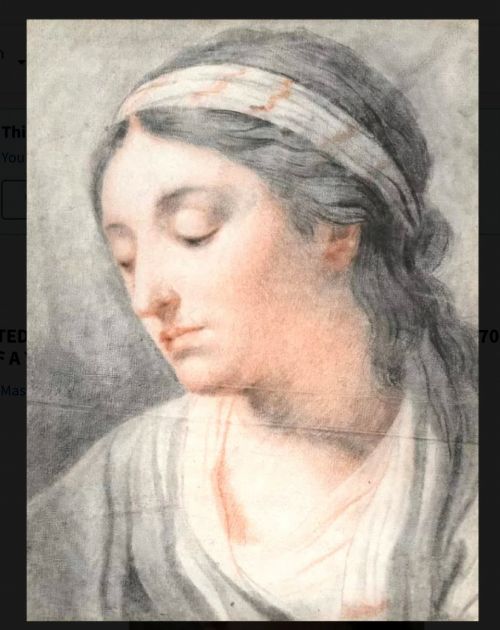

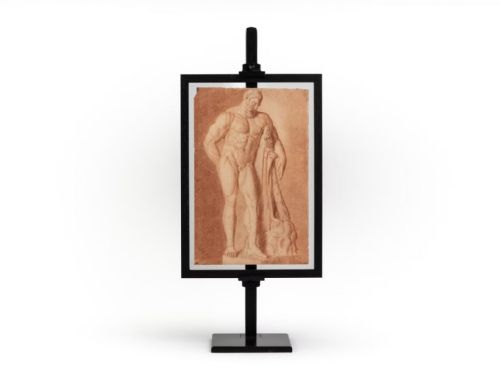


Chalk Figure Sketch
A chalk figure sketch captures the immediacy of the human form through dry media on paper, offering direct insight into an artist's working method.
Chalk Figure Sketch
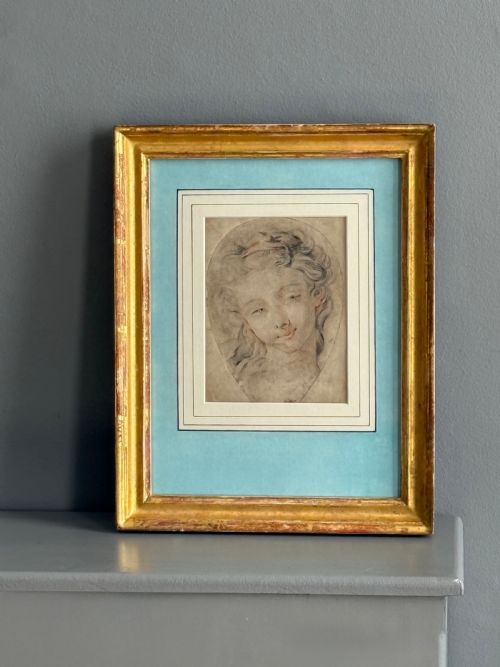
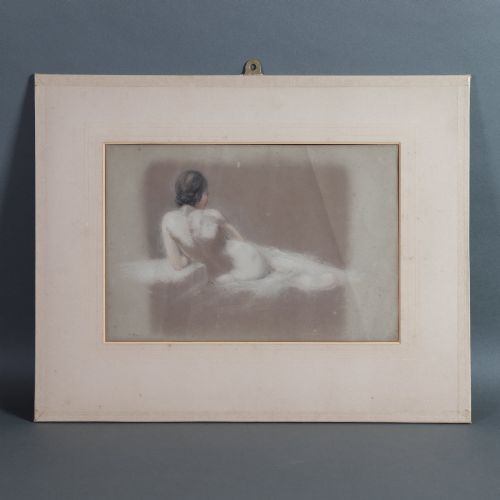
A chalk figure sketch represents original artwork on paper, focusing primarily on the human subject through studies, portraits, and life drawings. These works span multiple centuries, ranging from the seventeenth century through to the art deco period of the nineteen-thirties.
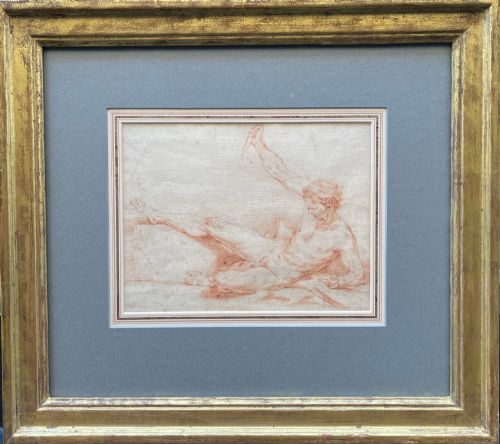
Buyers encountering this selection will find original drawings executed in various media including red chalk, charcoal, pastel, and graphite. The forms include framed drawings, fine art works on paper, and detailed portrait studies.
The origins of these pieces encompass French schools, Italian schools, and British works, reflecting distinct regional approaches to draughtsmanship from the baroque era to the twentieth century.
Materials and Techniques
Artists executed these works on paper, toned paper, and glass-fronted frames utilising chalk, red chalk, charcoal, graphite, and pastel. The combination of chalk and charcoal on paper allowed practitioners to build depth through contrasting dark lines and highlighted areas.
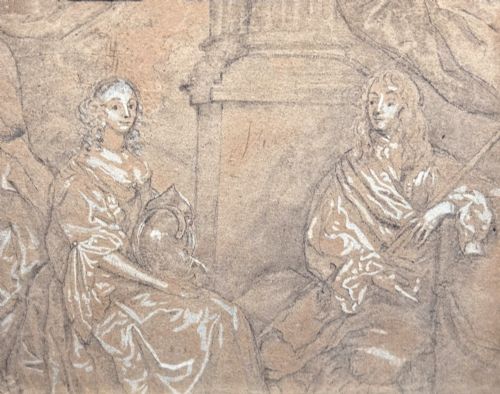
Many works employ mixed media or deux crayon techniques, layering different dry media to achieve tonal variation and volume in portraiture and figure studies. Support surfaces typically consist of historic papers that show the texture and grain essential to the finished appearance of the sketch.
The collection includes fine art portraits and figure studies reflecting French neoclassical, art deco, baroque, and cubist styles.
Factors Determining Quality
Condition of the paper surface and the preservation of the delicate chalk or pastel particles heavily influence the integrity of the piece. Works retaining their original tonal contrast without excessive smudging demonstrate superior preservation over time.
William Etty·Francois Boucher·Hyacinthe Colin de Vermont·Peter Lely·François-André Vincent·Lucien Gibert·Pierre-Paul Prud'hon·Demetrios Galanis·John Hoppner·Frank Dobson·Henry Bird·George Richmond
The Chalk Figure Sketch Glossary
- Sanguine
- A type of red chalk made from haematite, widely used for portrait and figure drawings from the Renaissance onwards. It produces a warm, reddish-brown tone favoured for flesh rendering.
- Recto and verso
- Terms describing the front and the back of a sheet of paper respectively. Drawings occasionally appear on both sides of a single historic sheet.
- Deux crayon
- A drawing technique utilising two colours of chalk, commonly black and white or red and white, applied to toned paper. This method enhances three-dimensional volume through highlight and shadow.
- Toned paper
- Paper manufactured or stained with a neutral tint such as grey, brown, or blue. Artists use it to judge middle tones immediately, applying dark chalks for shadows and white chalk for highlights.
Chalk Figure Sketch: Frequently Asked Questions
What is a chalk figure sketch?
A chalk figure sketch is an original work on paper utilising chalk, charcoal, or sanguine to depict the human body. These range from rapid preparatory life studies to finished portrait drawings.
Such pieces provide direct evidence of an artist's technique and composition methods, preserved through centuries across French, Italian, and British artistic traditions.
How should I frame a chalk drawing?
Framing requires conservation-grade materials that keep the paper from touching the glass directly. Because chalk and pastel particles remain loose on the surface, any pressure from the glazing can damage the medium.
Utilising spacers and acid-free mounts protects the delicate drawing materials while allowing the historic paper to breathe safely within its frame.
How do I identify the period of a sketch?
Dating relies on stylistic markers, paper watermarks, and the clothing or hairstyle of the depicted figure. Handwriting on the mount or reverse often records attribution or historical context.
Comparing the handling of media, such as the use of red chalk in eighteenth-century French works versus charcoal in later pieces, helps narrow the timeframe.
Can drawings be displayed in sunlight?
Exposing works on paper to direct sunlight causes fading in chalk, charcoal, and tinted paper supports. Natural and artificial UV rays degrade both the paper fibres and the dry media over time.
Displaying these pieces away from direct windows and utilising UV-filtered glass ensures the longevity of the sketch in a home environment.