


Toned Paper Sketch
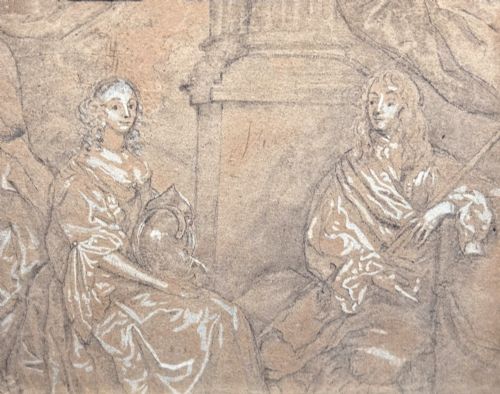
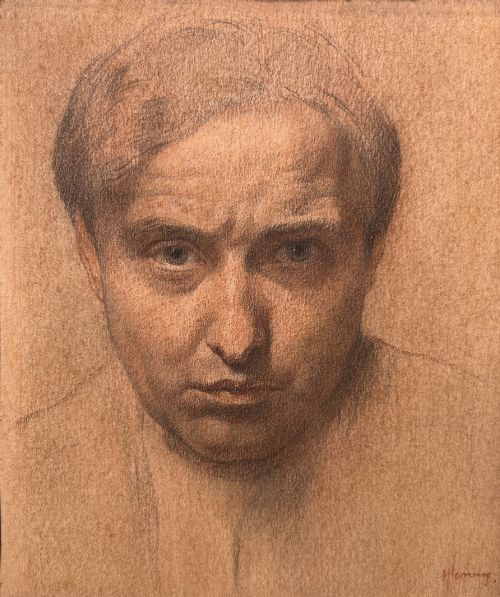
A toned paper sketch captures direct observation through the interplay of media against a tinted ground.
Toned Paper Sketch
When you search for a toned paper sketch, you are looking at original fine art drawings and watercolours executed on tinted supports rather than plain white stock. These works span periods from the seventeenth century through to the early twentieth century, encompassing styles such as Baroque, Georgian, French Academic, and Post-Impressionism.
You are most likely to meet nineteenth-century French and British figurative works on this page, alongside townscapes and theatrical character studies. The grouping includes portraits, nudes, and village scenes executed by named artists and anonymous hands alike.
Materials and methods
These works combine coloured or tinted paper with a mixture of drawing media to build both shadow and highlight. Artists utilise graphite, chalk, ink, and charcoal to establish the primary forms and contours on the sheet.
Watercolour and gouache frequently supplement the dry media, adding washes of colour and opaque white highlights that pop against the mid-tone of the paper. This technique allows the artist to work efficiently from dark to light, using the sheet itself as the middle value.
The selection includes British and French academic works, portraiture, theatrical figures, and townscapes from the seventeenth century to the twentieth.
Distinctions in quality
Quality rests upon the sureness of the draughtsmanship and the artist's command of the toned ground. A superior piece uses the colour of the paper effectively as a shadow or mid-tone rather than merely treating it as a background.
The strength of the composition and the economy of line separate hasty studies from resolved works of art. Condition also plays a role, with stable paper free from excessive toning or foxing preserving the intended visual balance.
Thomas Rowlandson·Walter Sickert·Dame Laura Knight·Fred Lawson·Maurice Asselin
The Toned Paper Sketch Glossary
- Toned paper
- Paper manufactured or stained with a neutral tint such as grey, brown, or blue. This mid-tone provides a ready-made middle value that saves time and guides the tonal range of the drawing.
- Gouache
- An opaque watercolour paint consisting of pigment, water, and a binding agent such as gum arabic, often heightened with a chalky filler. It provides solid, flat areas of colour and bright highlights.
- Graphite
- A form of crystalline carbon used as a drawing medium in pencils or sticks. It yields silvery-grey marks that smudge easily for shading.
- Chalk
- A soft, earthy drawing material made from natural minerals or prepared pastes. It adheres well to textured and toned sheets for crisp highlights or rich darks.
Toned Paper Sketch: Frequently Asked Questions
What is a toned paper sketch?
A toned paper sketch is an original drawing or watercolour created on tinted paper rather than plain white stock. The tinted background serves as a middle tone, allowing the artist to build up darks and apply highlights efficiently.
The medium includes works in graphite, chalk, ink, gouache, and watercolour spanning several centuries. These pieces range from rapid preparatory studies to finished portraits and landscape views.
How should I frame these drawings?
These works require conservation-grade framing with acid-free mounts to prevent the paper from degrading over time. Keeping the drawing away from direct sunlight protects both the paper tone and the fugitive pigments in the media.
Glazing with UV-filtering glass or acrylic helps shield the delicate chalk, charcoal, and watercolour pigments from environmental damage. Proper spacing between the glass and the artwork prevents moisture transfer.
How do I identify the period?
Period identification relies upon a combination of paper characteristics, framing clues, signature styles, and the clothing or subjects depicted. Stylistic markers such as French Academic realism or Georgian portrait conventions offer strong chronological indicators.
Examining the watermark on the paper or the specific formulation of the drawing media can also help narrow down the date of execution. Comparative study with dated works by the same or similar hands provides further confirmation.
Were these finished works or studies?
Many toned paper works began as preliminary studies for larger oil paintings or as direct observations from life. However, artists frequently produced finished watercolours and drawings on toned sheets intended as independent works of art for sale or exhibition.
The degree of finish, the presence of a signature, and the framing history often indicate whether the piece was meant to stand alone. Both finished drawings and working sketches hold distinct appeal for collectors.