
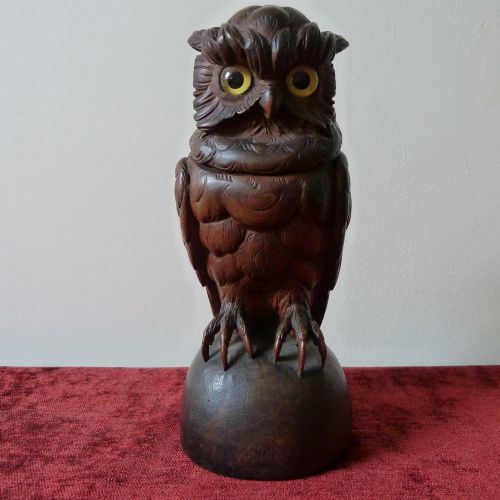


Antique Novelty Inkwell
An antique novelty inkwell turns the practical desk accessory into an animal, object, or scene from daily life, appealing to collectors of period deskwares.
What an antique novelty inkwell is
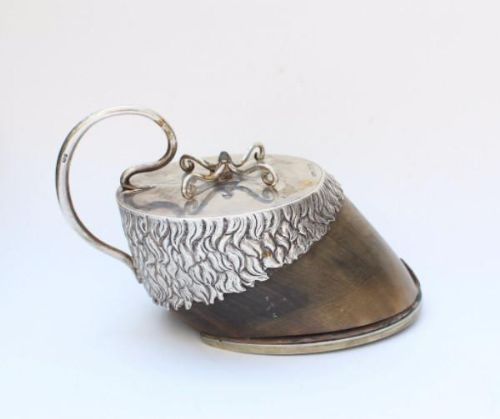
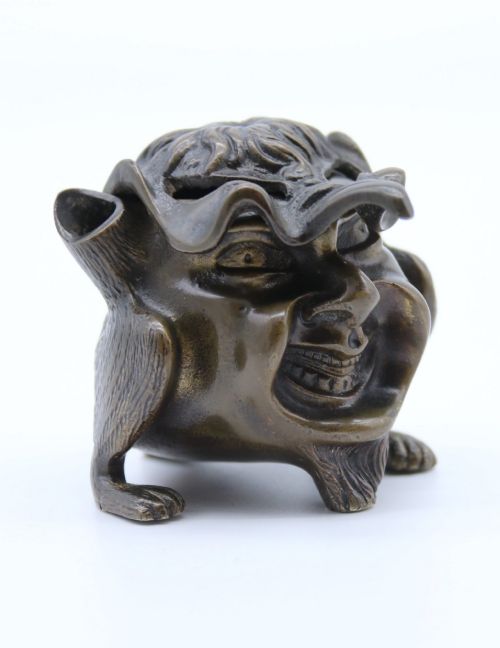
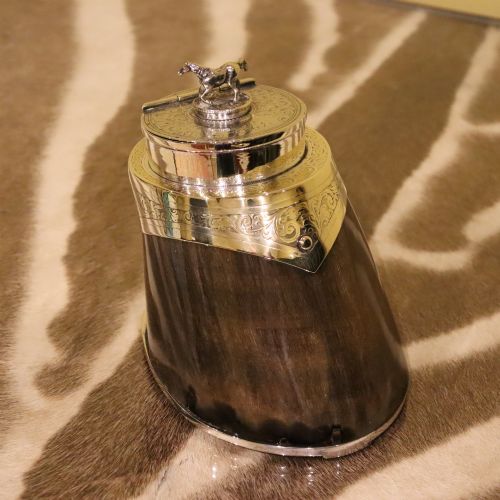
An antique novelty inkwell takes whimsical and figural shapes ranging from animals and sports equipment to household objects, transforming a standard desk accessory into a decorative centrepiece. When exploring this selection, buyers frequently encounter pieces fashioned as owls, dogs, tortoises, and birds alongside sporting items and equestrian gear.
The objects stem predominantly from the Victorian and Edwardian eras, spanning the late nineteenth and early twentieth centuries. Makers applied imaginative designs to items used daily on writing desks in country houses and town studies alike.
How they were made
Craftsmen utilised a diverse array of materials, casting metals such as brass, bronze, spelter, and sterling silver into detailed figural shapes, sometimes adding silver-gilt finishes. Workshops also carved timber for Black Forest animal designs, incorporating glass inserts and fitted glass eyes to bring subjects like dogs, cats, and birds to life.
Makers combined mixed media, pairing glass with carved wood, mahogany, or leather, and fashioned specialised travel pieces designed for portability. Surface treatments included cold painting on bronze and detailed engraving on silver desk sets.
Retail Price Guide 2026
Typical UK retail prices for novelty inkwell, calculated from the Sellingantiques database of over a million retail prices indexed since 2003. This retail price guide relies exclusively on Sellingantiques data; no external sources or auction records are used, so the figures do not describe the wider market.
A bulldog dressed as a sailor shares shelf space with an inkwell shaped like a sledgehammer meant for cracking nuts.
What varies in quality
The standard of an antique novelty inkwell depends on the precision of the casting or carving and the fidelity of the subject, whether representing an animal, a bird, or an inanimate object. Finer examples display intricate feather or fur rendering, secure hinge mechanisms, and original inset glass eyes that remain intact.
Material choice and finishing elevate certain pieces, distinguishing standard cast brass from finely chased bronze, cold-painted surfaces, or solid sterling silver. The inclusion of matching original glass ink inserts and well-preserved maker marks or silver hallmarks also separates ordinary desk items from superior specimens.
Aspreys
The Antique Novelty Inkwell Glossary
- Black Forest
- A style of wood carving originating from the European mountain region, known for realistic animal sculptures like bears, dogs, and hares.
- Spelter
- An alloy of zinc and lead used as a cheaper alternative to bronze for casting figural decorative objects and desk accessories.
- Cold-painted bronze
- A technique where bronze sculptures are painted with cold oil paint rather than fired in a kiln, common in Austrian animal figures.
- Silver-gilt
- Silver objects that have been coated with a thin layer of gold on the surface, adding a warm lustre to the metal.
- Inkwell
- A small jar or container holding ink for a pen, housed within a decorative stand or figural body on a desk.
Frequently Asked Questions
What materials are novelty inkwells made from?
These desk accessories appear in cast metals including brass, bronze, and sterling silver, alongside carved wood from the Black Forest style. Other examples incorporate glass, leather, and unexpected organic elements like horse hooves.
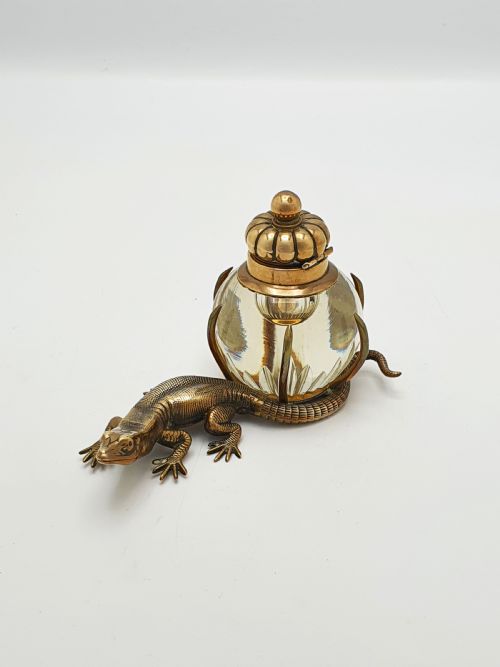
Makers frequently combined these materials, adding glass eyes to wooden animal carvings or pairing cut crystal ink inserts with metal mounts.
How were novelty inkwells used?
They served a practical purpose on writing desks in Victorian and Edwardian studies, holding the ink supply required for dip pens. The hinged tops or lift-off components kept the ink covered to prevent dust accumulation and slow evaporation.
Beyond simple utility, their humorous or figural designs sparked conversation among guests and reflected the personal interests of the owner.
How do I date an antique inkwell?
Dating relies on a combination of material analysis, stylistic markers, and stamped hallmarks or registry marks found on metal components. Sterling silver pieces often feature clear date letters and assay office marks that pinpoint the exact year of production.
Stylistic cues, such as the naturalistic carving of Black Forest pieces or the specific aesthetic of Victorian and Edwardian design, help narrow the period when hallmarks are absent.
Are travel inkwells different from desk models?
Travel inkwells feature secure, sealed containers designed to prevent leaks while being carried in luggage or mounted in portable writing boxes. They often take clever disguised forms, such as top hats, marine lamps, or sports balls.
Standard desk models prioritized visual presence and capacity over portability, resting permanently on a desktop or inkstand tray.