
Antique Novelty Box
An antique novelty box distorts ordinary utility into animals, shoes, books, and musical instruments, rewarding close inspection with hidden compartments and clever mechanics.
Antique Novelty Box
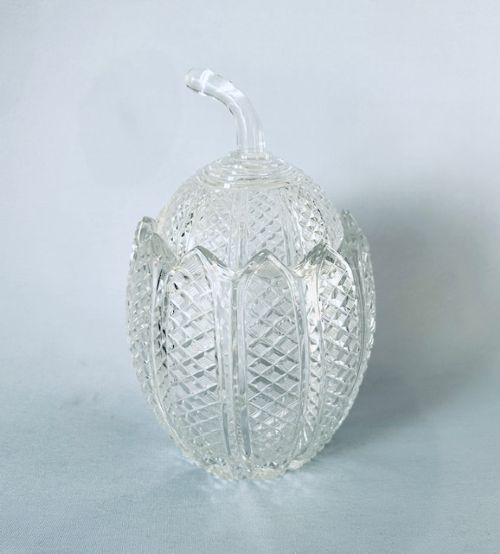
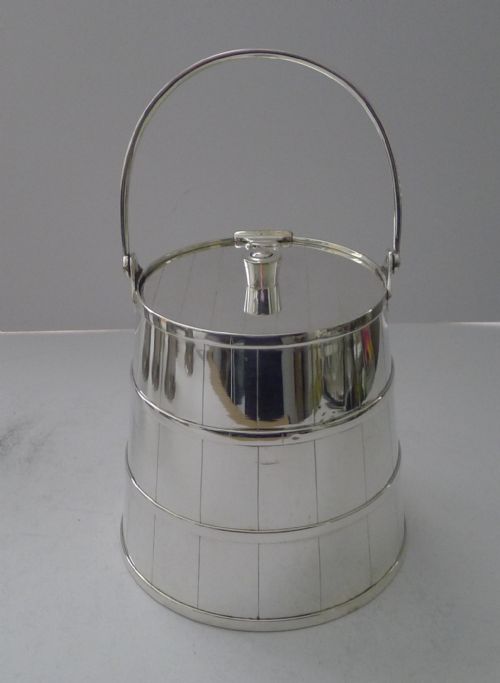
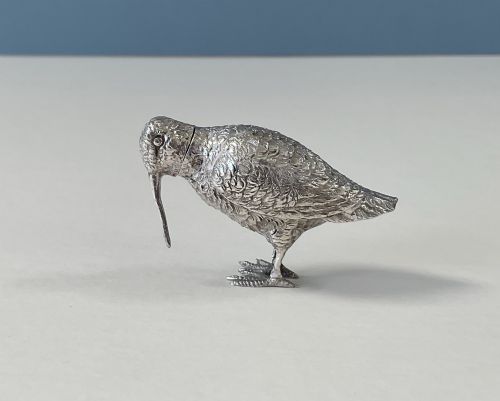
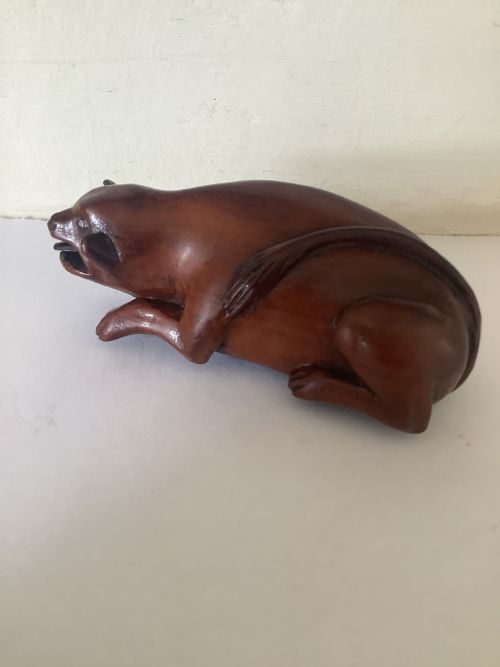
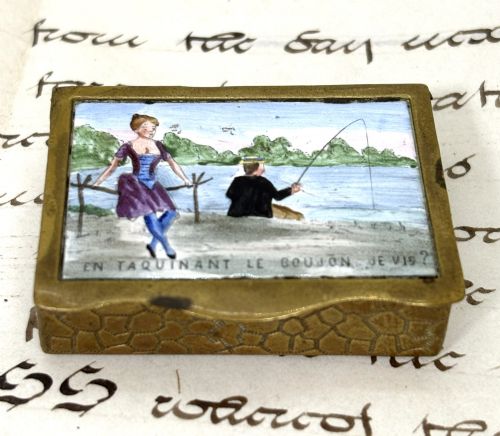
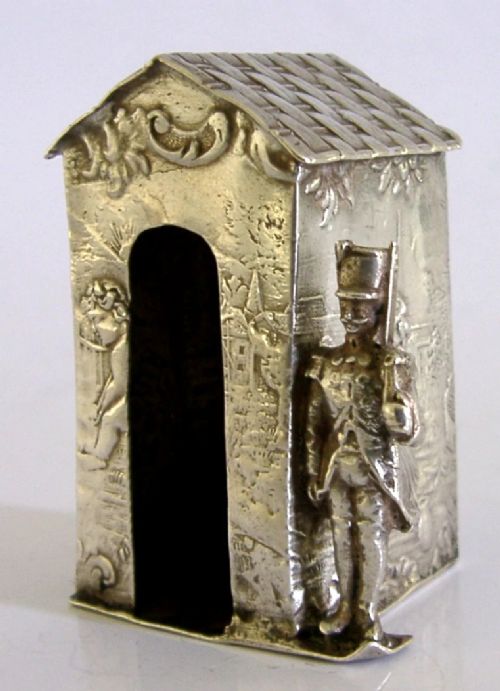
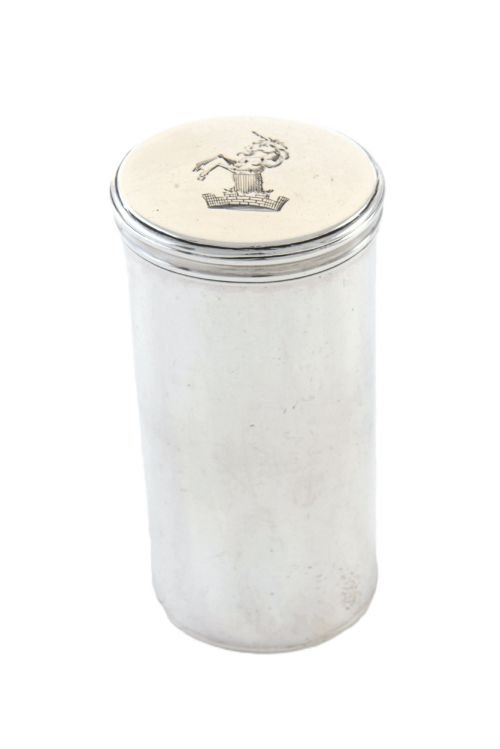
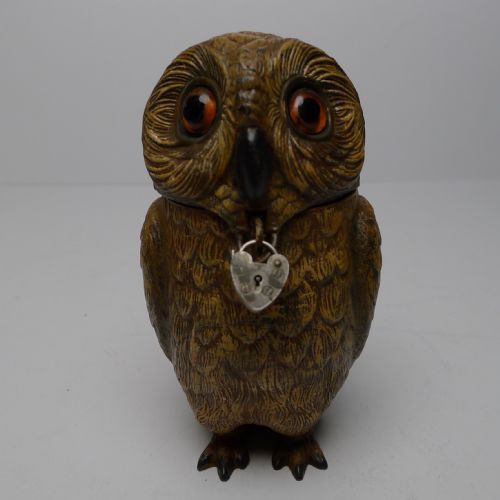
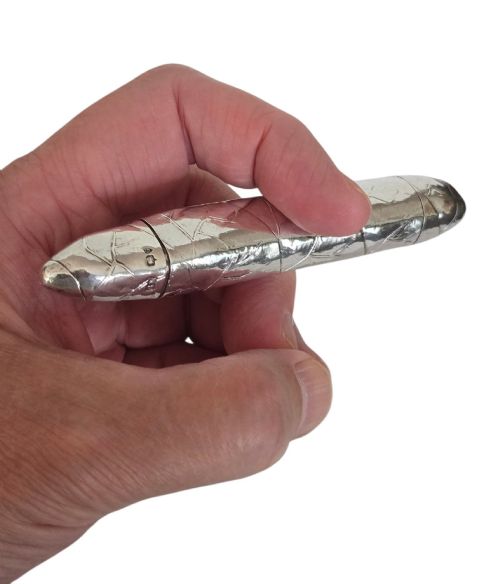
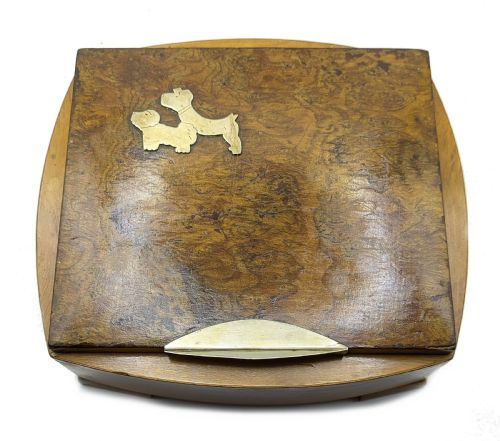
An antique novelty box takes a familiar everyday object or creature and turns it into a functional container for snuff, matches, stamps, or trinkets. These pieces bridge decorative arts and practical desk accessories, appearing in forms ranging from carved wooden animals and fruit to miniature silver pianos, books, and boots.
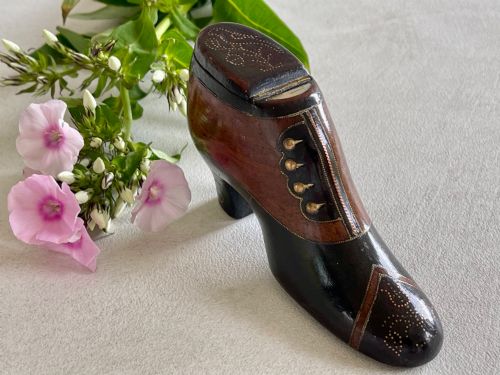
The materials span sterling silver, carved fruitwood, brass, and enamel, originating from workshops in Britain, continental Europe, and beyond during the Georgian, Victorian, and Edwardian eras. Visitors to this page will frequently encounter nineteenth-century treen snuff shoes, silver vesta cases shaped like animals or everyday items, and larger oak or walnut biscuit barrels and humidors.
How They Were Made
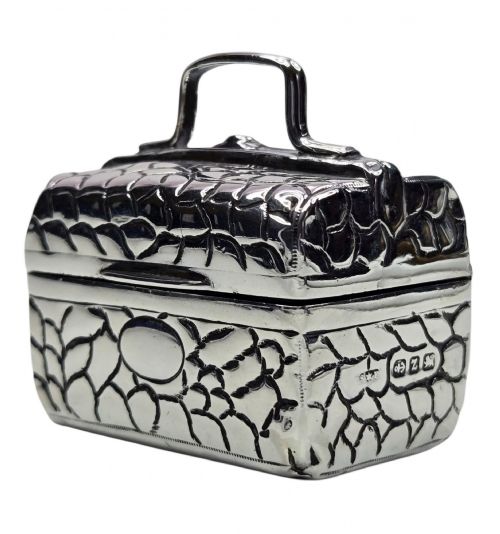
Silversmiths constructed metal containers through stamping, casting, and repoussé work, frequently adding gilt interiors or enamel panels to enhance the visual depth of miniature items like books, hats, and animals. Many silver pieces bear hallmarks from Birmingham, London, or Chester that identify the exact assay office and year of production.
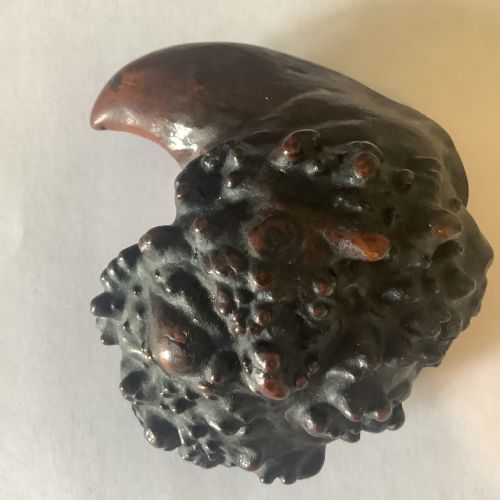
Woodworkers carved dense hardwoods such as walnut, fruitwood, and coquilla nut by hand, often incorporating bone inlay or hinged double openings into treen snuff boxes and figural tobacco jars. Black Forest carvers utilised regional timber to shape detailed bears, monkeys, and dogs with glass eyes and articulated elements.
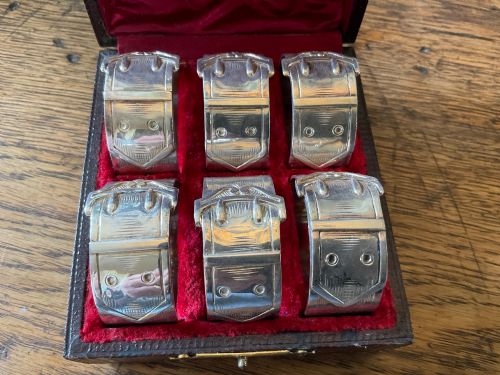
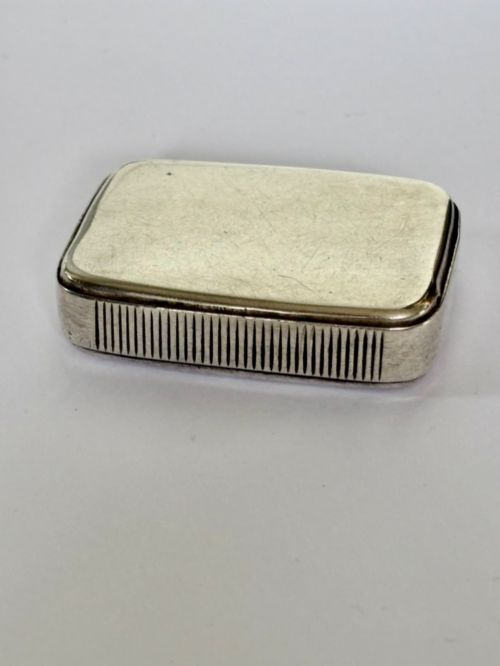
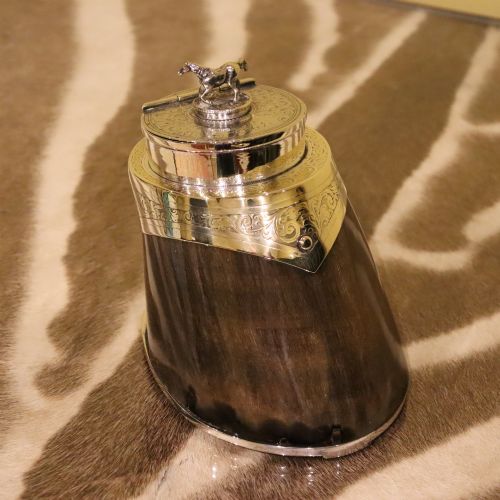
Listings feature numerous silver and treen pieces shaped as shoes, animals, and books.
What Varies in Quality
Quality rests upon the crispness of the modelling and the precision of the mechanics, separating mass-produced novelties from bespoke workshop creations. A superior piece conceals its hinges seamlessly within the carved feathers of a bird, the pages of a book, or the natural grain of a walnut shell.
The depth and clarity of hand-engraving on silver, the preservation of original enamel work, and the fidelity of anatomical proportions in figural subjects dictate desirability. Maker attribution also elevates certain examples, particularly those bearing the marks of specialised silversmiths known for ingenious mechanical designs.
Sampson Mordan & Co·A & J Zimmerman·John Bettridge·Crisford & Norris·Mappin & Webb
The Antique Novelty Box Glossary
- Treen
- Small handmade wooden objects created from items like fruitwood and boxwood. This term derives from the old word for tree.
- Vesta case
- A small pocket container designed to hold matches and strike them on an integrated serrated base. These frequently took whimsical animal or object forms.
- Vinaigrette
- A small ornamental box featuring an internal pierced grille to hold a sponge soaked in aromatic vinegar. Victorians carried these to mask unpleasant odours.
- Coquilla nut
- The hard, mottled seed of the Brazilian palm tree, valued by carvers for its fine grain. It frequently formed small snuff boxes and nutcrackers.
- Repoussé
- A metalworking technique where the artisan hammers the design from the reverse side to create a raised relief. This method defines many decorative silver boxes.
- Go-to-bed
- A specialised pocket container for a single wax match and a candle end. They appear in novelty forms such as miniature books and matchbox covers.
Antique Novelty Box: Frequently Asked Questions
What were novelty boxes used for?
These containers served practical domestic and personal functions while doubling as conversation pieces in the drawing room or pocket. Owners stored small personal items such as loose tobacco, stamps, matches, sewing implements, and medicinal lozenges inside them.
The clever disguises provided amusement during social gatherings, prompting guests to discover hidden latches, sliding panels, and spring-loaded mechanisms. Desk accessories like stamp boxes and inkwells brought a touch of theatricality to daily correspondence.
How do I date an antique silver box?
British silver boxes carry stamped assay office marks, standard marks, and date letters that pinpoint the exact year of manufacture. Examining these tiny stamps reveals whether a piece originates from the Georgian, Victorian, or Edwardian period.
Continental silver, particularly items originating from Hanau or Dutch workshops, often relies on pseudo-hallmarks or import marks rather than standard British date ciphers. Comparing the style of the engraving and the construction of the hinge helps confirm the era.
Are wooden novelty boxes fragile?
Carved wooden treen and Black Forest boxes require stable humidity and protection from direct sunlight to prevent the timber from splitting or warping over time. Frequent handling adds a natural patina to the wood, but delicate protruding elements like animal ears or carved limbs remain vulnerable to sharp impacts.
Applying occasional specialist wax helps nourish older fruitwood and walnut surfaces without obscuring fine hand-carved details or bone inlay. Keeping the boxes away from intense heat sources preserves both the wood and the original hinges.
How can I tell a reproduction from an antique?
Genuine antique pieces show honest wear patterns, microscopic tool marks from hand-carving or hammering, and period-appropriate fastening techniques. Older metal components display natural oxidation and softening around high-friction areas like hinge pins.
Modern replicas often feature machine-tooled uniformity, cast surfaces lacking crisp hand-finishing, and incorrect alloy compositions under magnification. Consulting hallmarking records and studying the construction methods typical of the nineteenth century clarifies authenticity.