



Antique Needlework Desk
An antique needlework desk is a clever multi-functional piece designed for practical craft, combining writing surfaces, compartments and textile storage in fine timber.
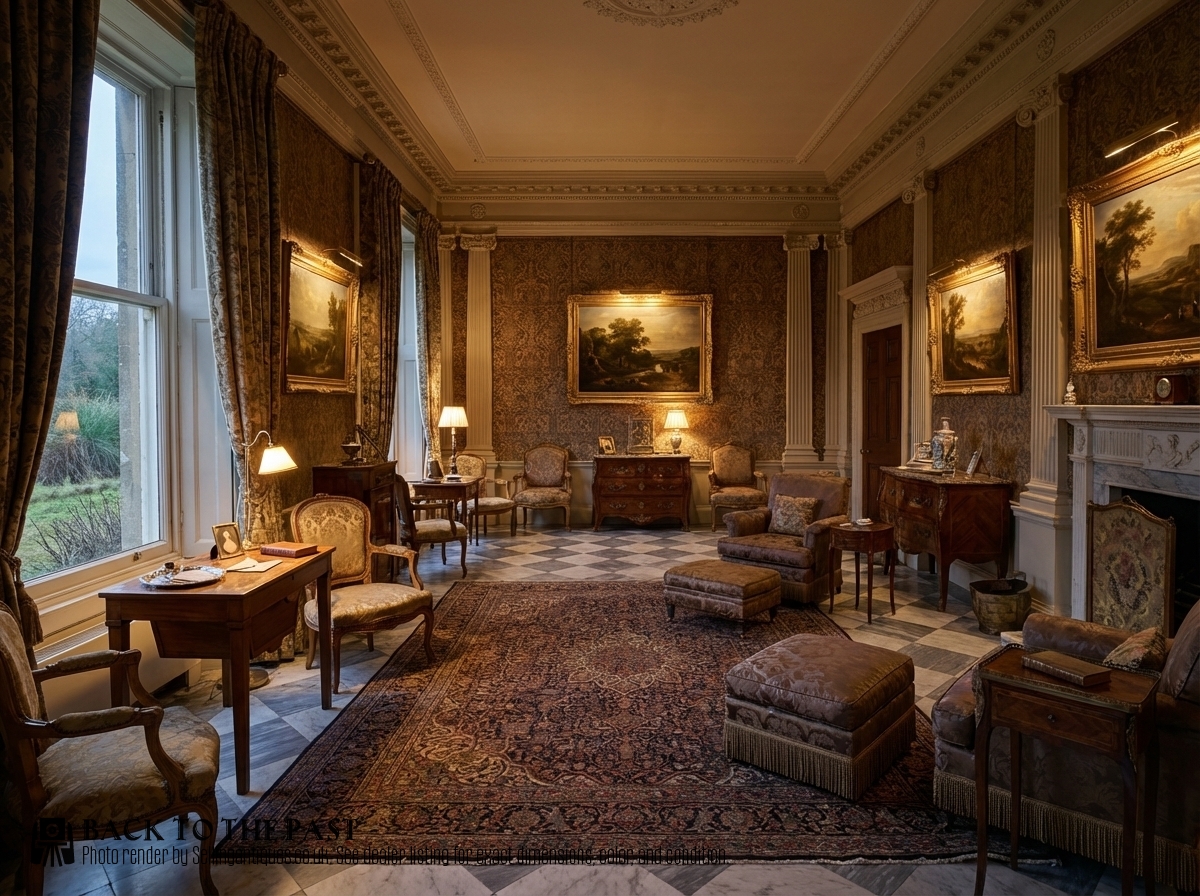
Antique Needlework Desk
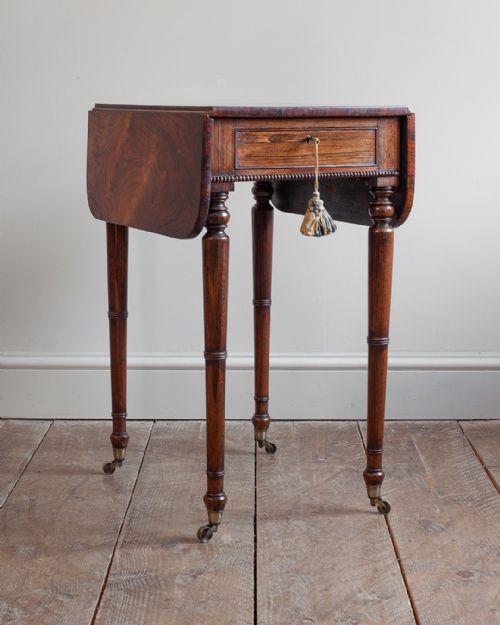
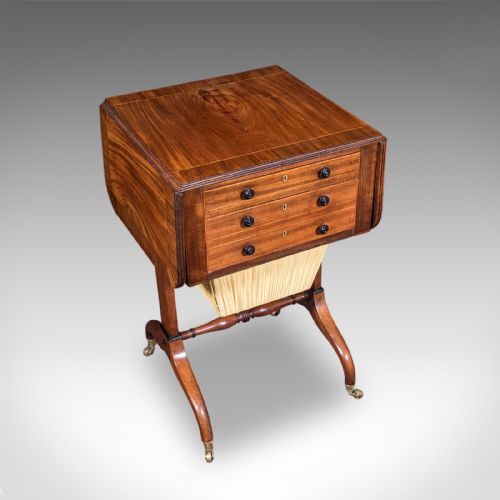
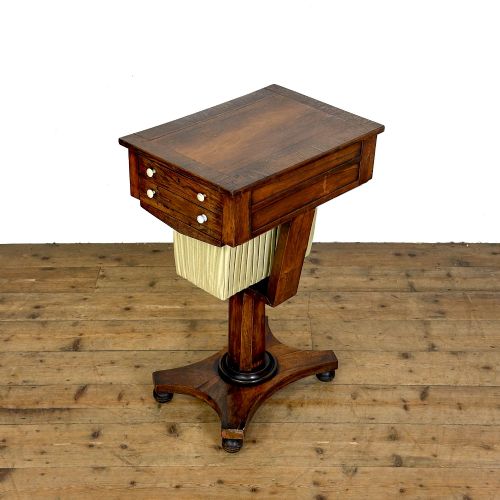
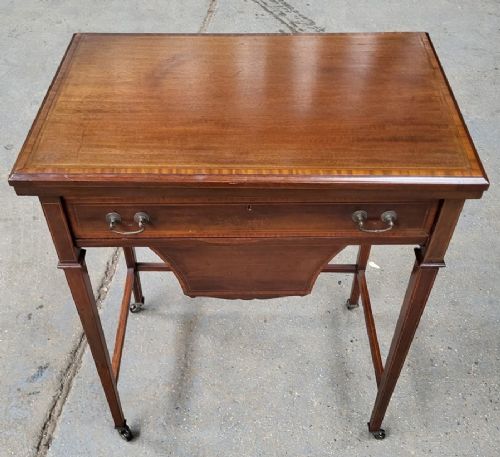
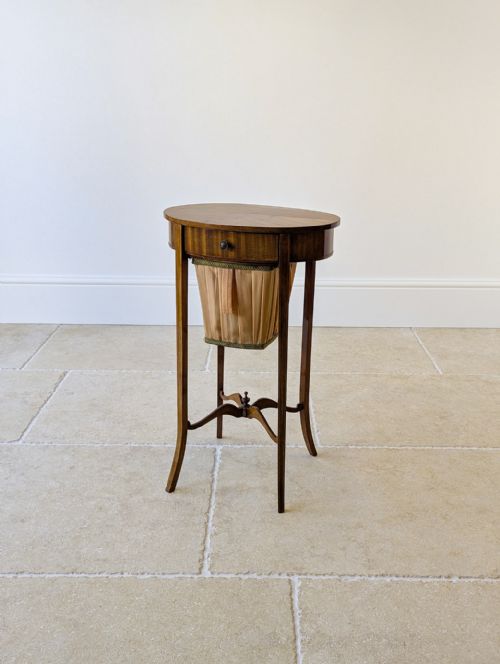
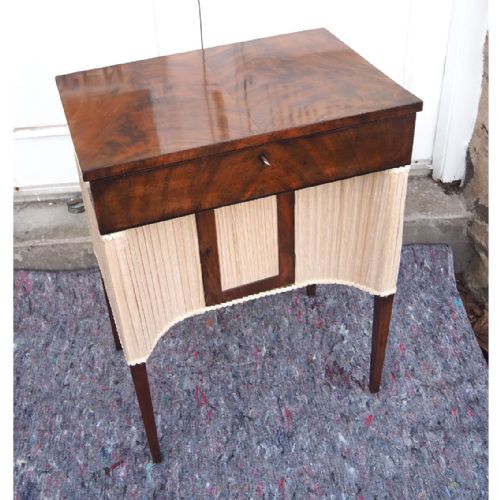
When you search for an antique needlework desk, you encounter various forms of specialised furniture designed for writing, sewing, and domestic craft. These pieces emerge predominantly across the nineteenth century, spanning Regency, William IV, Victorian, and Edwardian periods.
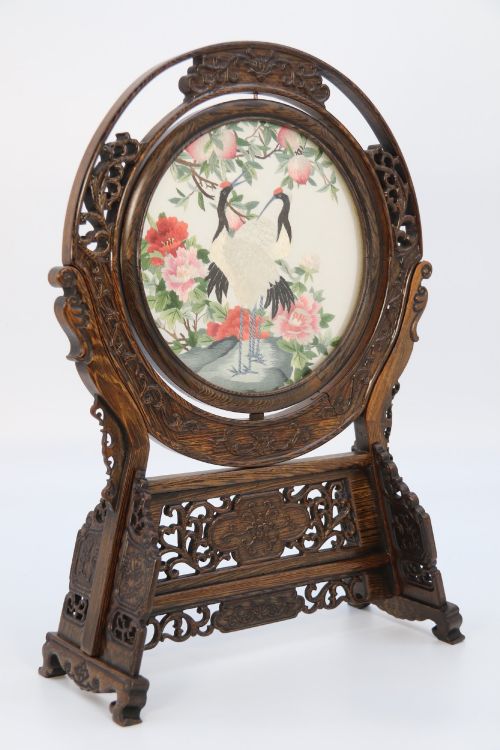
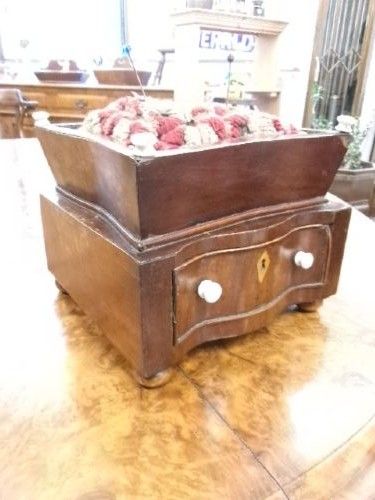
The most common formats on this page are work tables and sewing tables, frequently featuring drop leaves, integrated writing surfaces, and internal compartments for threads and accessories. You also encounter occasional tables, side tables, and specialised items such as rotating silk embroidery table screens and pincushions.
Timbers such as mahogany, rosewood, walnut, burr walnut, and satinwood dominate the construction, often enhanced by decorative wood inlay and cross banding. Origins are primarily English, alongside specific items from the Chinese Republic Period.
Design and Execution
Quality separates standard utilitarian items from exceptional pieces through the choice of timber veneer and the precision of cabinet making. Superior examples display highly figured flame mahogany or burr walnut with seamless inlay work.
The sophistication of the internal mechanism dictates the standard of the piece. Tables that combine writing slides, functional drawers, and fitted sewing compartments with smooth drop leaves represent the finer end of the range.
Materials recorded across the selection include solid and veneered mahogany, rosewood, walnut, burr walnut, satinwood, brass, and silk fabric.
Charles Tozer·Gillows·Waring & Gillow
The Antique Needlework Desk Glossary
- Work table
- A small functional table fitted with drawers and a fabric bag or compartment specifically designed for holding sewing and needlework supplies.
- Drop leaf
- A hinged tabletop flap that lifts to extend the surface area and drops down when not in use.
- Cross banded
- A decorative border technique where veneer strips are applied perpendicularly to the main grain of the wood.
- Burr walnut
- A highly prized timber cut from the gnarled growths of walnut trees, creating intricate swirling grain patterns.
- Pembroke table
- A small occasional table featuring two hinged drop leaves on opposite sides and a single drawer.
Antique Needlework Desk: Frequently Asked Questions
What is an antique needlework desk?
An antique needlework desk is a specialised piece of furniture created to hold sewing materials while often providing a surface for writing or reading.
These versatile tables typically date from the Regency, Victorian, and Edwardian eras, incorporating clever internal compartments for threads, needles, and documents.
How do I use a sewing table today?
These tables function well as compact writing desks, bedside tables, or lamp tables in a modern sitting room.
The internal compartments and drop leaves offer practical hidden storage for small contemporary items while maintaining traditional character.
How do I identify a Regency work table?
Regency examples generally date from the early nineteenth century and feature classical proportions executed in dark timbers like mahogany and rosewood.
Look for refined brass mounts, pedestal bases with sabre legs, and sophisticated drop-leaf mechanisms characteristic of the period.
What is burr walnut furniture?
Burr walnut furniture utilises timber cut from the knotted burls of walnut trees, producing a dense, swirling and highly decorative grain pattern.
Cabinet makers reserved this striking veneer for the primary display surfaces of high-status Victorian writing and sewing tables.