


Edwardian Satin Walnut Table
These pieces of edwardian satin walnut table bring warm honeyed timber and light grain into a room, offering functional surfaces from the late nineteenth and early twentieth centuries.
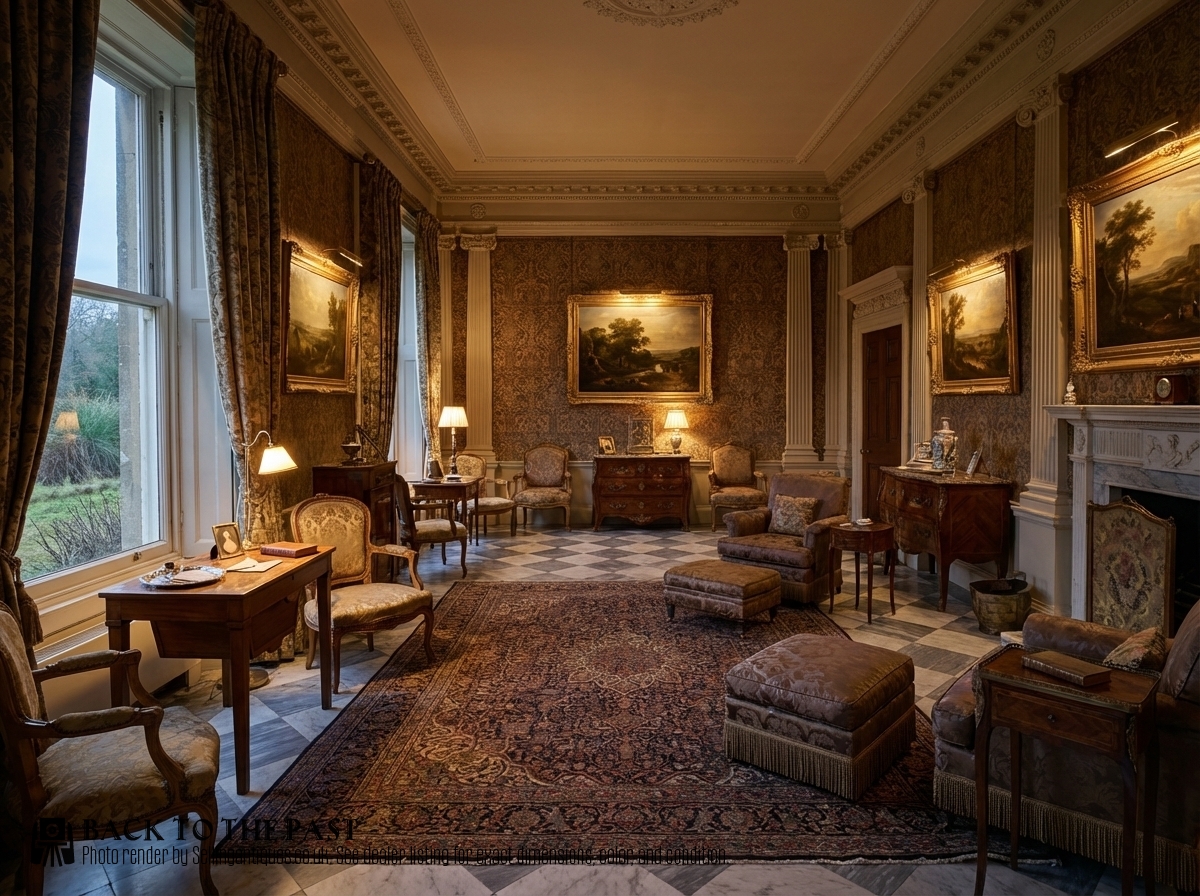
Edwardian Satin Walnut Table
When you search for an edwardian satin walnut table, you encounter domestic items spanning the Victorian and Edwardian periods, predominantly dating around 1900. The selection includes occasional tables, writing desks, sewing tables, and bedside cabinets.
The version you meet most often on this page is the Edwardian occasional or writing table, constructed from satin walnut and frequently embellished with wood inlay and brass fittings. These pieces served practical domestic functions in bedrooms, parlours, and studies.
Alongside dedicated tables, the evidence shows related forms such as dressing tables, washstands, and side tables utilising the same timber. These items reflect the domestic routines and interior tastes of the early twentieth century.
How they were made
The primary material across these listings is satin walnut, complemented by secondary timbers such as walnut and satinwood. Wood inlay adds decorative contrast to the warm grain of the main surfaces.
Construction techniques involve traditional cabinetmaking methods suitable for domestic furniture of the period. Brass hardware and occasional glass inserts appear as functional and decorative components on desks and tables.
Some sewing tables still hold the secret whispers of long-ago mending projects inside their fitted wooden compartments.
What varies in quality
Quality in these pieces is evident in the selection of the timber and the crispness of any wood inlay. Finer examples display carefully matched grain patterns and more intricate decorative work.
The degree of refinement in the construction of drawers, legs, and brass mounts separates standard utility items from higher quality domestic furniture.
The Edwardian Satin Walnut Table Glossary
- Satin walnut
- A timber known for its warm, reflective grain and smooth texture. It provides the characteristic pale surface seen across these tables.
- Occasional table
- A small, movable table designed for a specific, non-permanent use in a room. These pieces appear frequently in the Edwardian period listings.
- Wood inlay
- Pieces of different woods fitted into a recessed surface to form a decorative pattern. This technique enhances the visual appeal of many tabletops.
- Writing table
- A small desk designed primarily for correspondence and light paperwork. They often feature drawers for stationery storage.
Edwardian Satin Walnut Table: Frequently Asked Questions
What is an edwardian satin walnut table?
An edwardian satin walnut table is a domestic piece of furniture made from satin walnut, typically dating from around 1900. These items range from small occasional tables to writing desks and side tables.
They reflect the domestic styles of the Edwardian period, often featuring simple inlaid decoration and brass fittings.
How do I identify satin walnut?
Satin walnut is a pale, fine-grained timber that yields a smooth, slightly lustrous surface when polished. It shares visual similarities with satinwood but comes from a different tree species.
Cabinetmakers utilised it for its warm tone and attractive grain pattern, which takes decorative inlay well.
Where were these tables used?
These tables were designed for various rooms in the home, including parlours, bedrooms, and studies. Occasional tables stood beside seating, while writing tables served in private chambers for correspondence.
Their domestic scale allowed them to fit easily into smaller residential spaces of the period.
How do I care for satin walnut furniture?
Maintenance involves dusting with a soft cloth and occasionally applying a suitable furniture wax to nourish the wood. Avoid placing these pieces in direct sunlight or near heat sources to protect the finish.
Gentle care preserves the natural lustre of the timber and any delicate inlay.