

Antique Needlepoint Panel
An antique needlepoint panel brings centuries of tactile human story into a room through wool, silk, and canvas.
Antique Needlepoint Panel
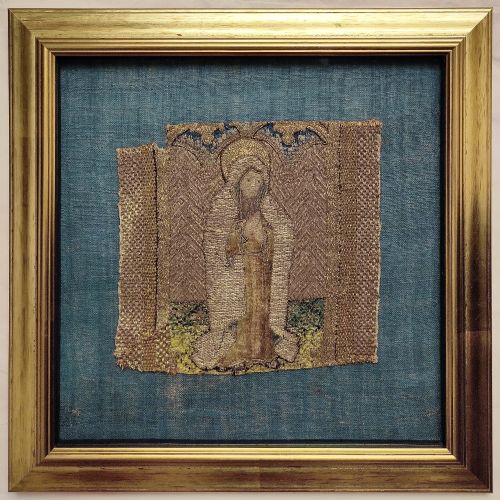
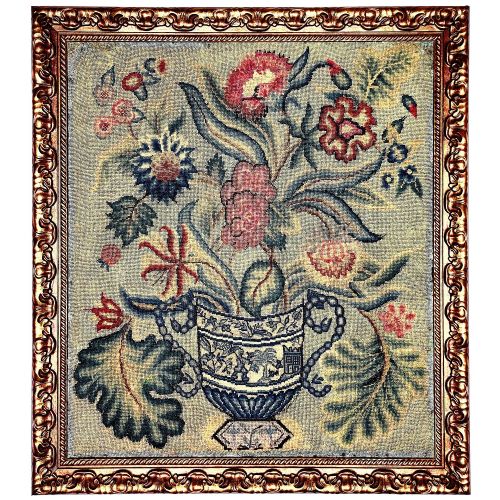
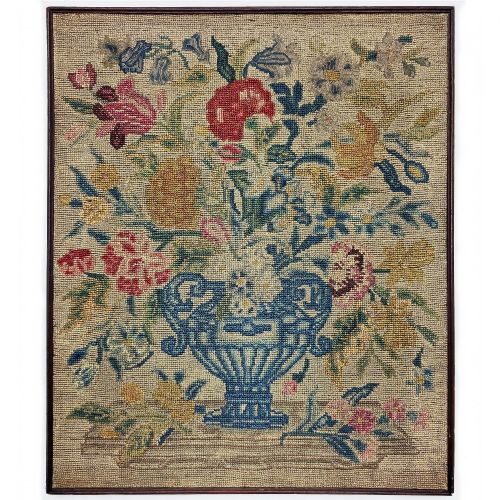
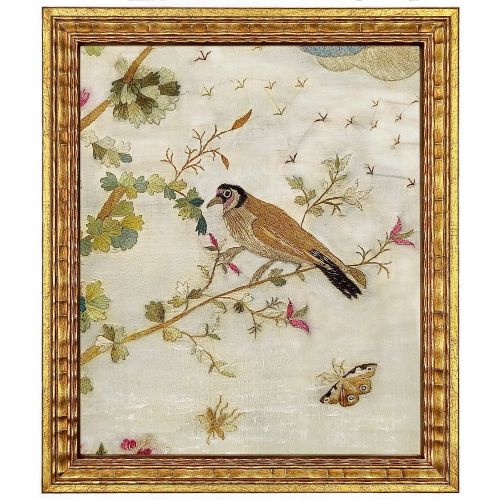
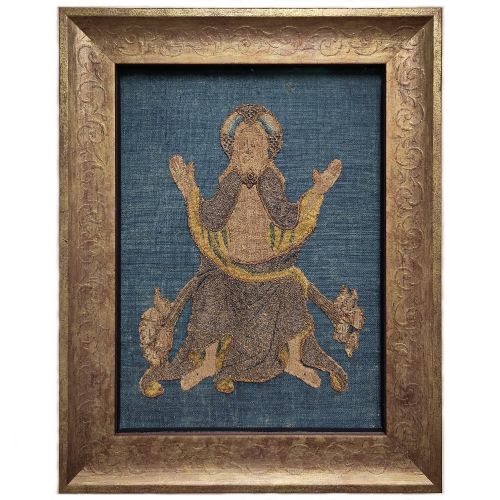
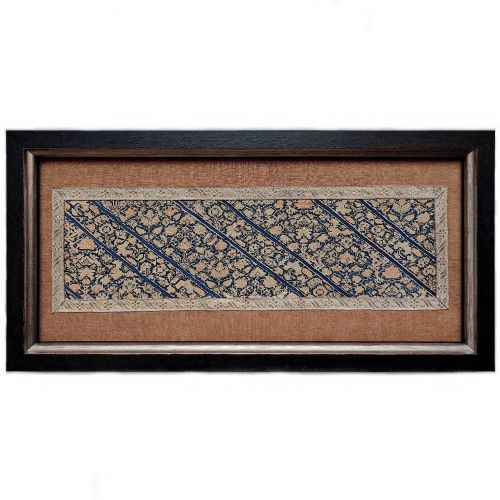
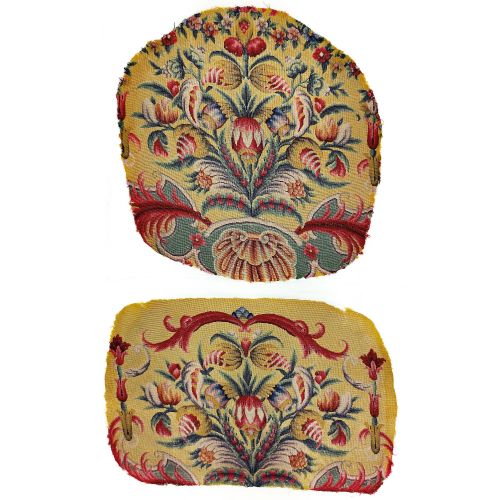
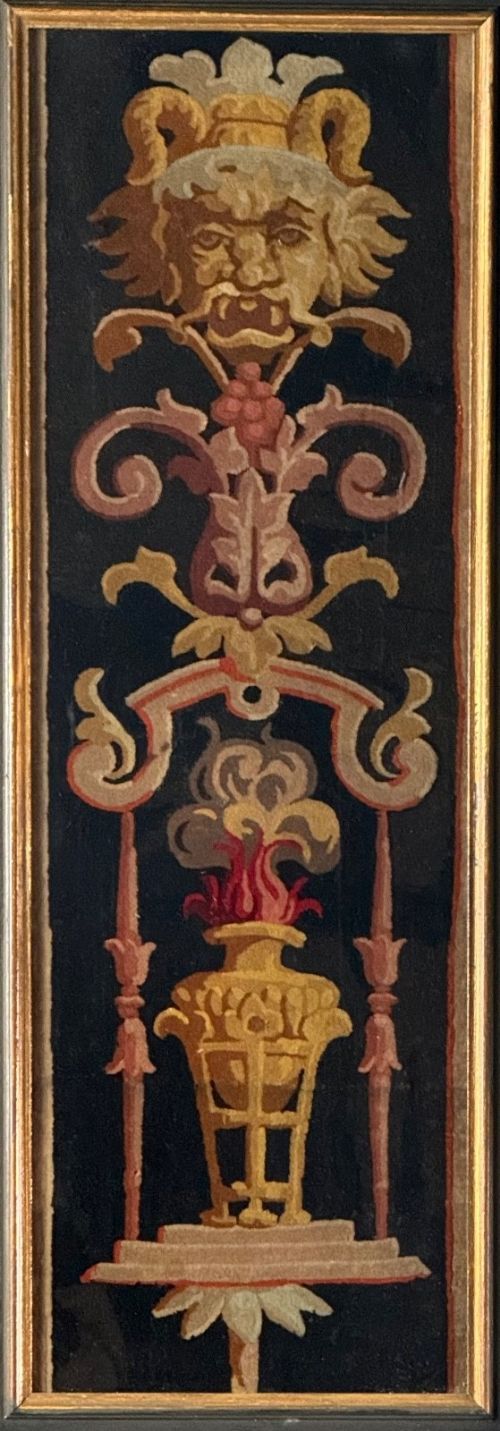
An antique needlepoint panel is a piece of historical textile art, ranging from small framed samplers to large European tapestries and upholstery inserts. When you search this phrase, you meet items stitched on canvas, linen, or wool from periods spanning the seventeenth century through the Victorian era.
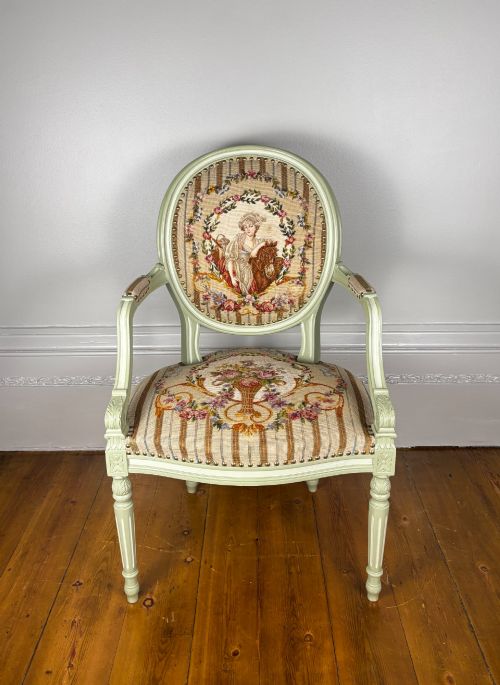
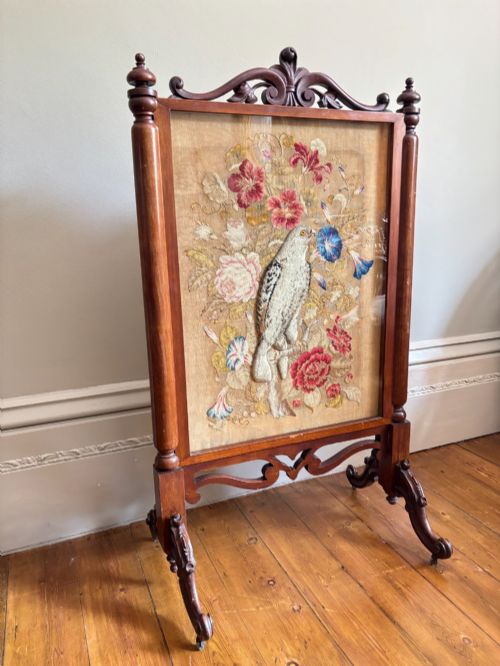
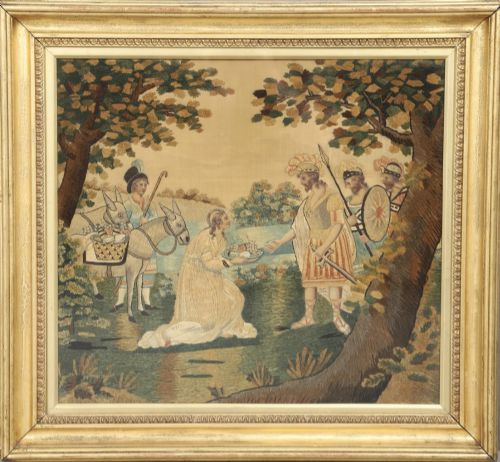
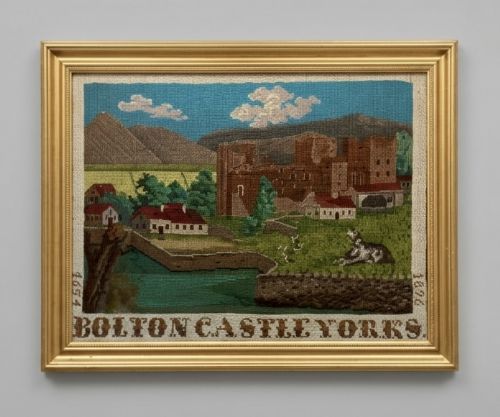
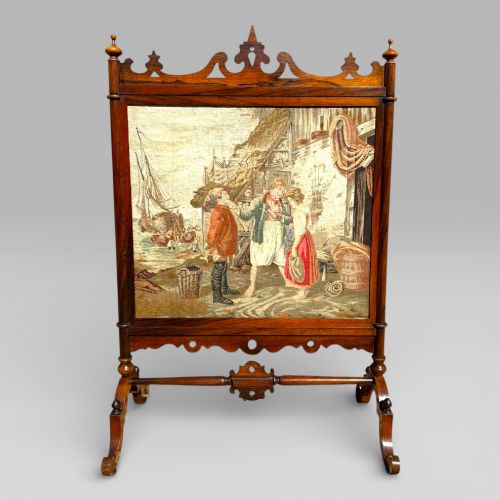
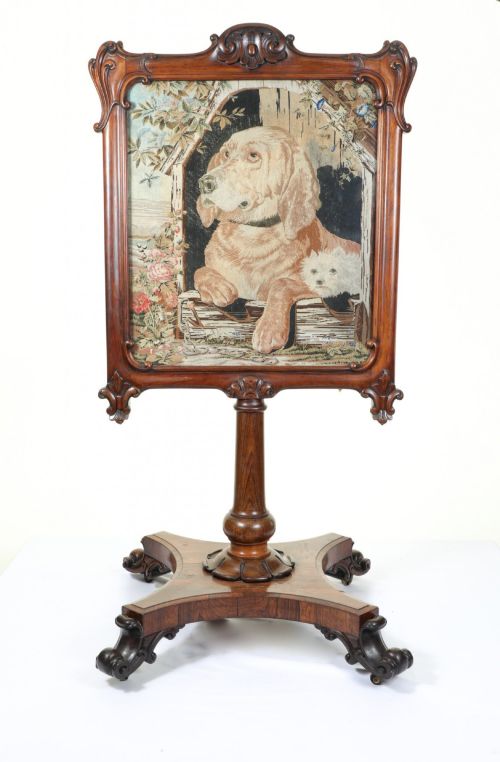
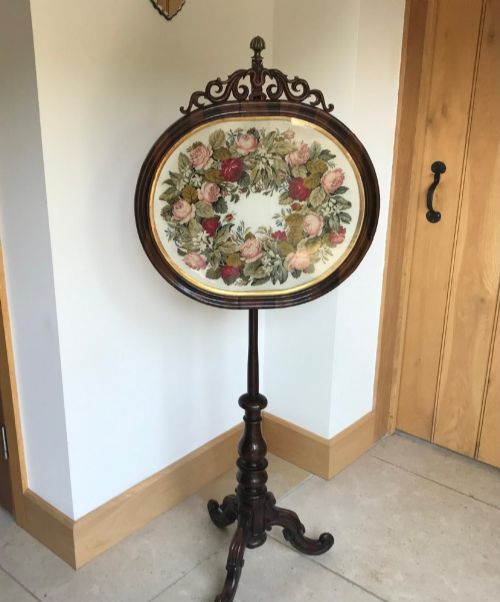
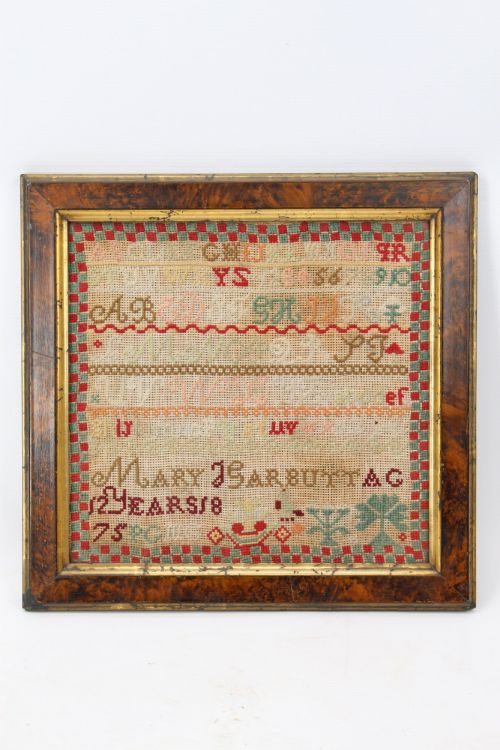
The most common versions on this page include nineteenth-century Berlin work pictures, framed samplers worked by young girls, and decorative panels mounted inside rosewood or walnut fire screens and armchairs. These pieces preserve detailed pastoral scenes, coats of arms, and floral motifs worked by hand generations ago.
Makers utilised various grounds, occasionally incorporating glass beads, brass wire, or giltwood frames to enhance the finished textile. Whether encountered as an isolated framed fragment or set within furniture, each panel records domestic labour and historical design tastes.
Materials and construction
Needlepoint panels are built upon woven foundation fabrics like canvas or linen, which provide the rigid grid necessary for counting threads and securing stitches. Artisans worked these grounds using dyed wool, silk floss, and metal threads to create dense, textured surfaces.
Framing materials commonly include burr maple, rosewood, walnut, and giltwood, often retaining original glass to protect the delicate fibres from dust and atmospheric wear.
Antique Needlepoint Panel Retail Price Guide 2026
Typical asking prices for needlepoint panel among the pieces listed under this phrase on Sellingantiques today, from the lower quarter to the upper quarter. They describe what is for sale here now, not the wider market.
Listings feature textile art spanning from seventeenth-century coifs and silk embroideries to Victorian wool work pictures and fire screens.
Determining quality in needlework
Quality in a needlepoint panel rests upon the density of the stitching and the finesse of the thread work. Panels employing fine petit-point stitches achieve greater pictorial detail and tonal gradation than coarser wool-work pieces.
The choice of materials also elevates a piece, particularly the inclusion of glossy silk floss, metallic threads, or delicate beadwork. Superior examples retain vibrant, original dye colours and sit within period frames that complement the textile's age and origin.
The Antique Needlepoint Panel Glossary
- Berlin work
- A style of nineteenth-century needlepoint worked in brightly coloured wools from printed grid patterns. It became immensely popular for domestic cushions, pictures, and fire screen panels.
- Petit-point
- A fine needlepoint stitch executed on a single-mesh canvas using tent stitch. It permits high-definition detail in faces, hands, and complex pictorial backgrounds.
- Sampler
- A piece of needlework produced to demonstrate a maker's proficiency in various stitches and alphabets. They frequently include dates, signatures, and moral verses.
- Gros-point
- A coarse needlepoint stitch executed on heavy canvas. It provides durability and rapid coverage for large upholstery panels and floor rugs.
- Coif
- A close-fitting cap worn in earlier centuries, often richly embroidered with silk and metal threads. Surviving examples demonstrate Elizabethan and seventeenth-century domestic needlecraft.
Antique Needlepoint Panel: Frequently Asked Questions
How should I clean an antique needlepoint panel?
Antique needlepoint panels require gentle surface cleaning rather than immersion washing, as older dyes are often unstable. Dusting lightly with a soft brush or using low suction through a mesh screen preserves the fragile wool and silk fibres.
Professional textile conservators should handle deep cleaning or structural repairs to prevent further damage to the canvas and backing materials.
Are these panels mounted in their original frames?
Many Victorian and eighteenth-century panels retain their original wooden housings, such as rosewood pole screens, walnut fire screens, or carved oak frames. Original glazing often protects the delicate silk and wool work from environmental degradation.
Secondary framing is also common, where collectors have later mounted loose embroidered fragments into complementary antique frames to display them securely on walls.
What is the difference between tapestry and needlepoint?
Needlepoint is stitched onto a pre-existing woven grid or canvas foundation using a needle. True tapestry is woven on a loom where the design is built directly into the structure of the fabric during the weaving process.
While the search phrase encompasses both techniques, needlework panels typically feature surface stitching on canvas, whereas historical tapestries present an integrated weave.
How can I date an antique needlepoint panel?
Dating relies on examining the style of the figures, the palette of the wool or silk threads, and the construction of the frame or backing. Samplers frequently include explicit dates and the age of the maker, providing a direct chronological anchor.
Textile supports, stitch types, and framing woods such as burr maple or rosewood also offer reliable stylistic indicators for eighteenth and nineteenth-century pieces.