


Antique Naval Ship Art
Antique naval ship art captures centuries of maritime conflict and royal fleet pageantry through oils, watercolours, and embroidered woolies.
Antique Naval Ship Art
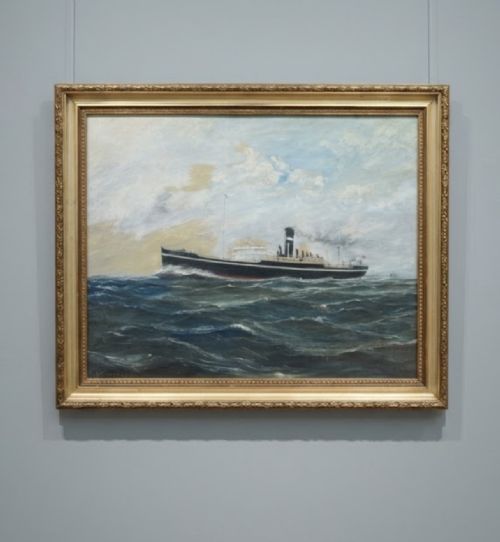
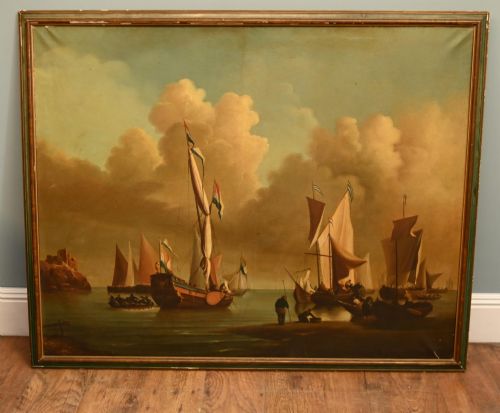
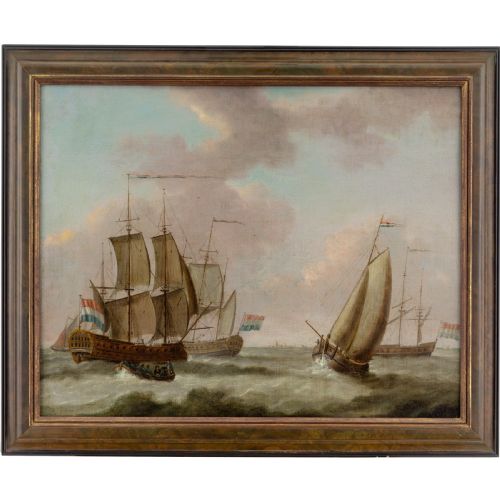
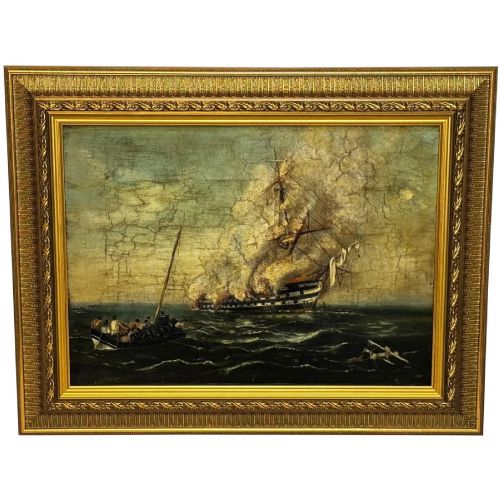
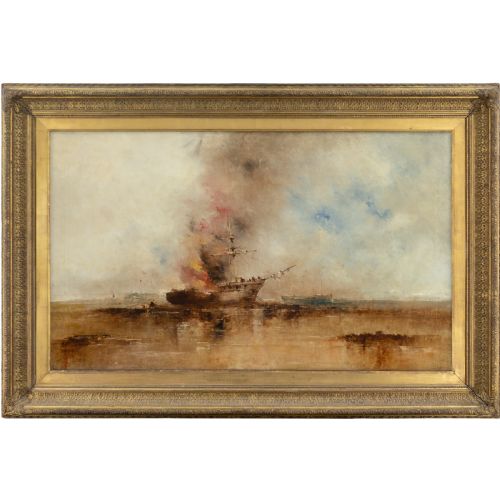
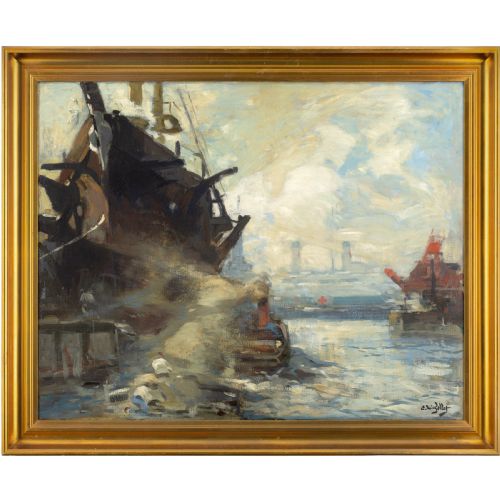
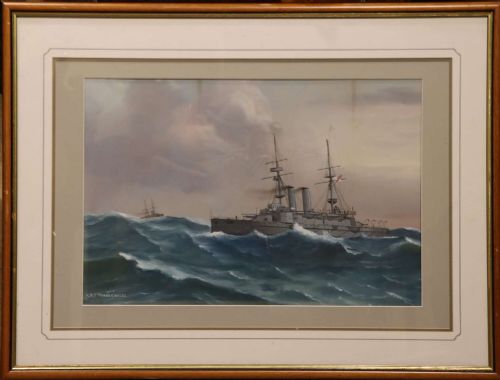
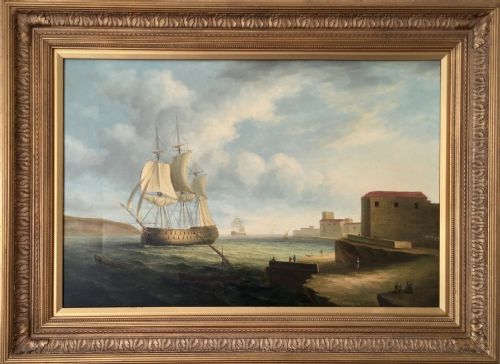
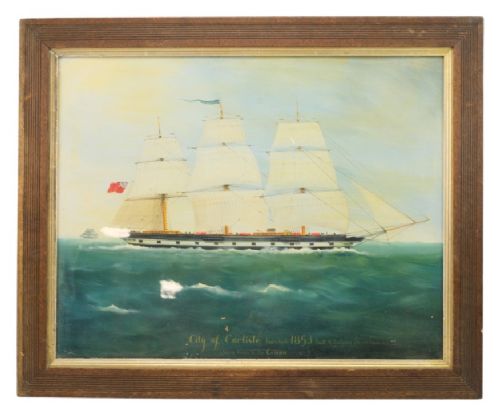
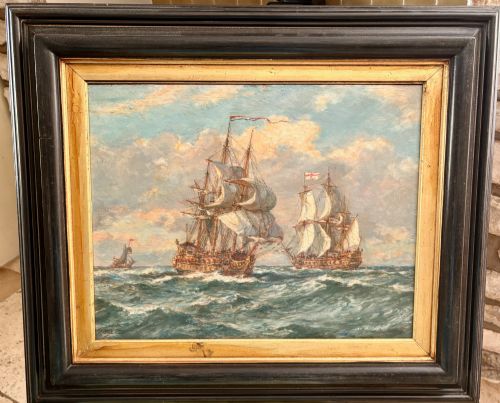
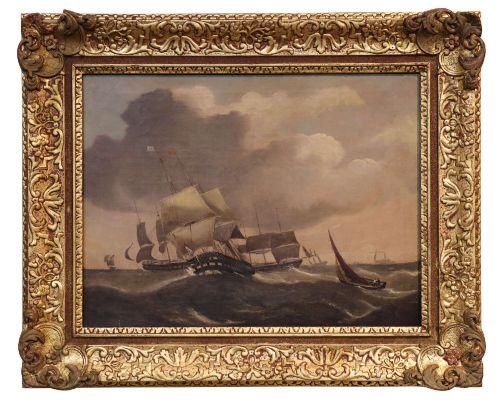
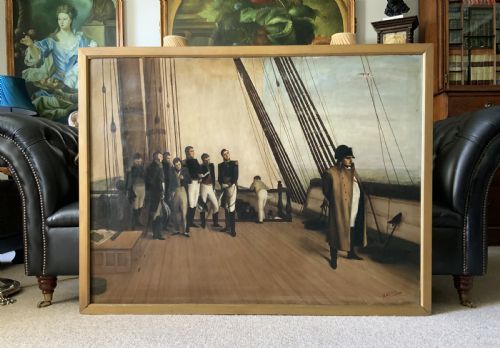
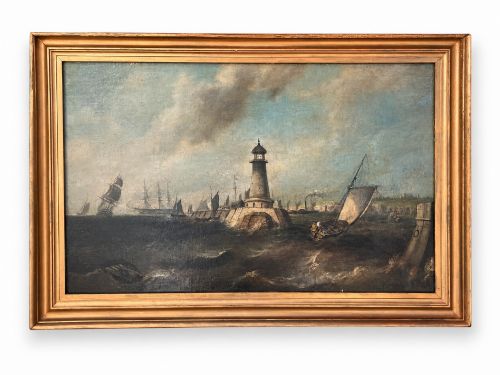
Antique naval ship art encompasses oil paintings, watercolours, gouache works, engravings, and embroidered woolies depicting warships, battles, and historic naval vessels. Pieces span from the 18th century through the Victorian, Edwardian, and early 20th-century periods, often highlighting named vessels such as the HMS Prince of Wales or HMS Queen Charlotte.
Origins include named artists working in British and European traditions, alongside anonymous makers producing folk art or ship models in bottles. Buyers encounter both grand canvases intended for formal rooms and intimate sailor-made tributes.
How they were made
Artists utilised oil paint and watercolour on canvas, paper, and wood panel, applying pigments to capture the movement of heavy seas and the rigging of multi-masted warships. Giltwood frames frequently enclose these painted works, complementing the maritime subjects.
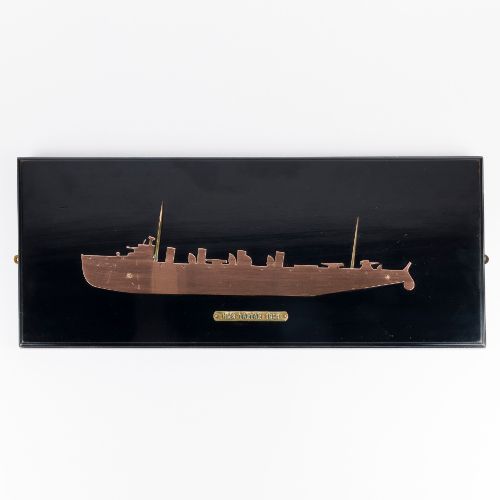
Folk art pieces demonstrate alternative techniques, employing wool embroidery on canvas to create textured 'woolie' pictures of nineteenth-century vessels. Model makers constructed wooden battleships and assembled miniature sailing ships inside glass bottles.
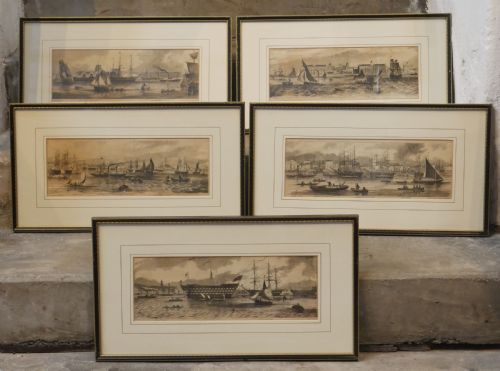
Photographs on card and engravings utilised early print and photographic techniques, mounted in original oak frames to record specific sailors and naval docks.
Antique Naval Ship Art Retail Price Guide 2026
Typical asking prices for naval ship art among the pieces listed under this phrase on Sellingantiques today, from the lower quarter to the upper quarter. They describe what is for sale here now, not the wider market.
Listings feature works spanning the 18th century through the Edwardian period, executed in oil, watercolour, gouache, and wool embroidery.
What varies in quality
Quality rests upon the artist's ability to render naval architecture, rigging detail, and atmospheric conditions accurately. Finer works capture the dynamic weight of water and the precise structure of specific warships rather than generic hulls.
The preservation of the medium distinguishes superior examples, whether through the stability of an oil painting on canvas or the crisp preservation of colour in a nineteenth-century watercolour. Original frames, such as period giltwood or oak surrounds, enhance the integrity of the piece.
Eugène-Louis Gillot·William McAlpine·Bernard Gribble·Nicholas Condy·Charles William Adderton·Vincenzo D’Esposito·Samuel Owen·Ebeneezer Colls·Richard Brydges Beechey·Charles Dixon·Frank Wood·Martin Snape
The Antique Naval Ship Art Glossary
- Woolie
- A pictorial embroidery created by nineteenth-century sailors using wool yarn on canvas. These works often depict naval ships under full sail.
- Gouache
- An opaque water-based paint that dries to a matte finish. Artists used this medium to achieve vivid tones in maritime scenes.
- Man-of-war
- A powerful armed sailing warship used by the navy from the sixteenth through the nineteenth century. The term appears frequently in historic maritime titles.
- Giltwood
- Wood that has been treated with a thin layer of gold leaf. Many nineteenth-century marine paintings retain these decorative frames.
Antique Naval Ship Art: Frequently Asked Questions
How do I identify a named ship in a painting?
Artists often inscribed the name of the vessel directly onto the canvas, within the composition near the waterline, or on the historic frame. Contemporary records and naval archives help verify the specific historical engagement or launch depicted.
Paintings may also display signal flags or specific pennants that denote the rank of the commander or the identity of the fleet. Researching the artist's operational years frequently clarifies the exact subject.
What framing is appropriate for antique marine art?
Period giltwood frames, heavy moulded wood, or original oak surrounds suit these works best. These traditional borders reflect the aesthetic standards of the Victorian and Edwardian periods in which many were displayed.
Preserving original framing materials maintains the historical context of the artwork. Ensure any mounting materials used during conservation remain acid-free to protect the paper or canvas.
How should I care for oil paintings of ships?
Display oil paintings away from direct sunlight and dramatic fluctuations in household temperature to prevent canvas warping and paint cracking. Gentle dusting with a soft, dry brush keeps the surface clear of particles without disturbing the pigment.
Avoid applying liquid cleaners or water to the painted surface. Professional conservators should handle any structural repairs or deep cleaning of aged varnish layers.