

Antique Nautical Pictures
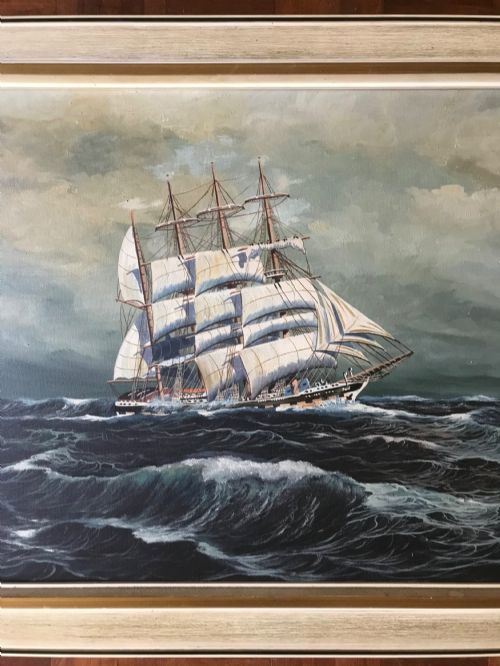
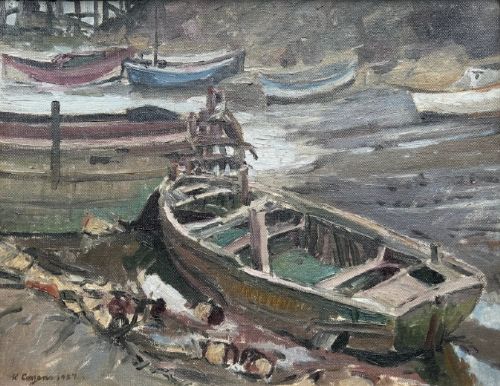
Antique nautical pictures capture the power of the sea and the history of sail and steam through period paintings, watercolours and embroideries.
Antique Nautical Pictures
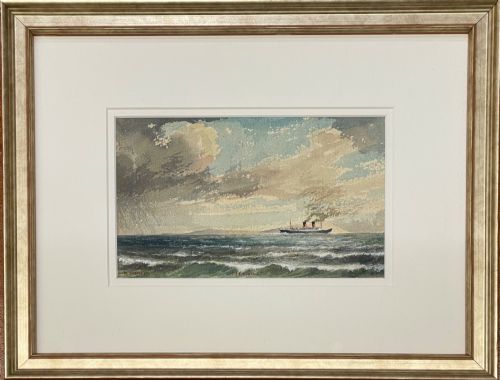
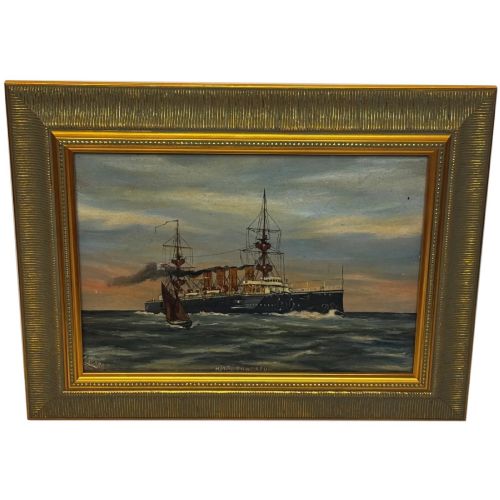
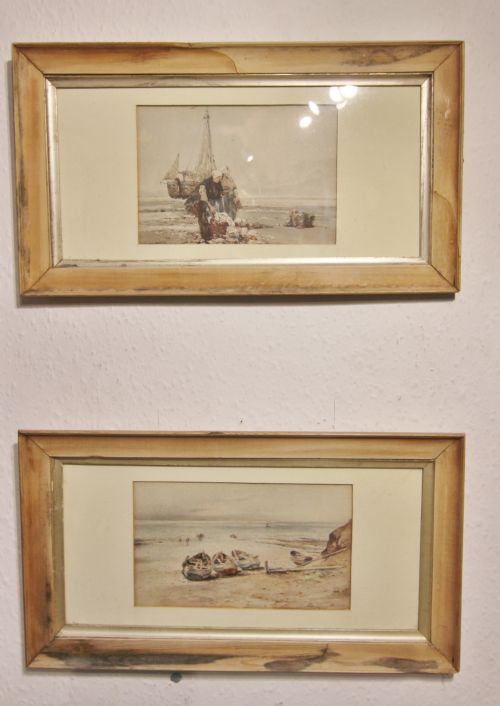
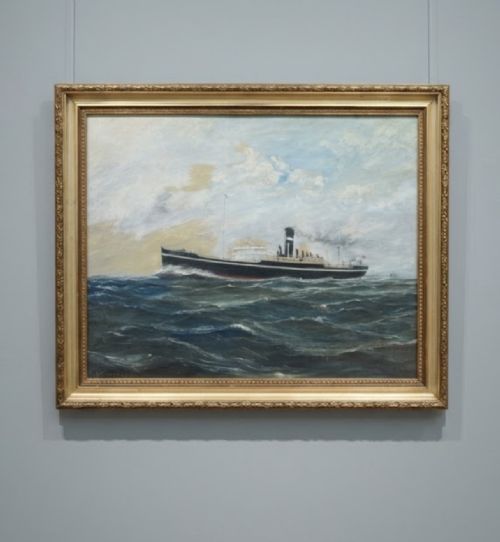
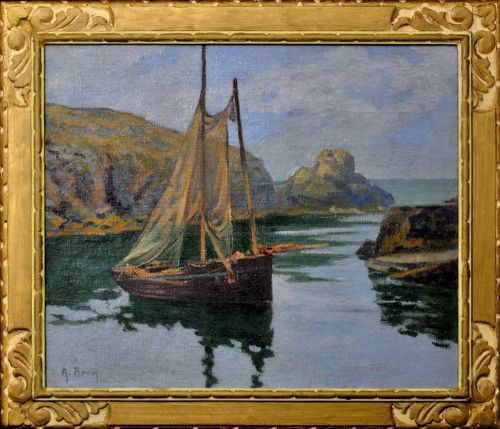
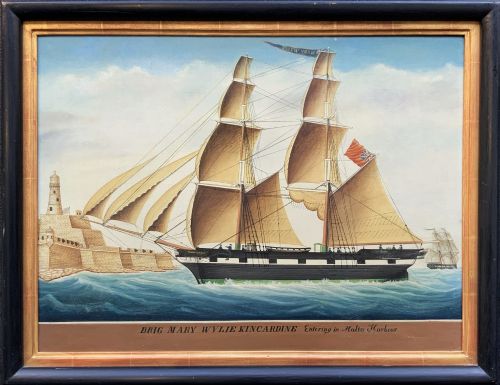
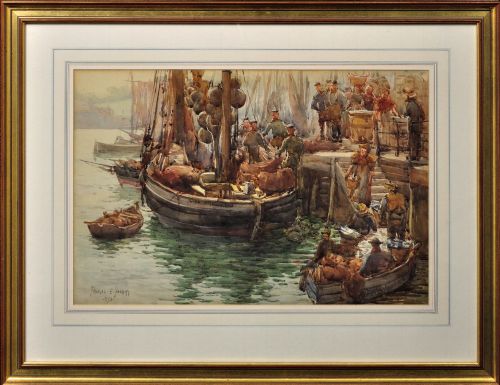
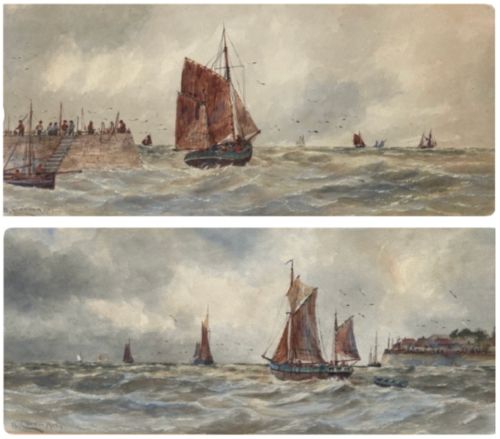
When you search for antique nautical pictures, you encounter a diverse record of maritime history spanning the eighteenth, nineteenth and early twentieth centuries. The selection ranges from detailed depictions of named steamships and royal yachts to atmospheric watercolours of fishing harbours and coastal scenes.
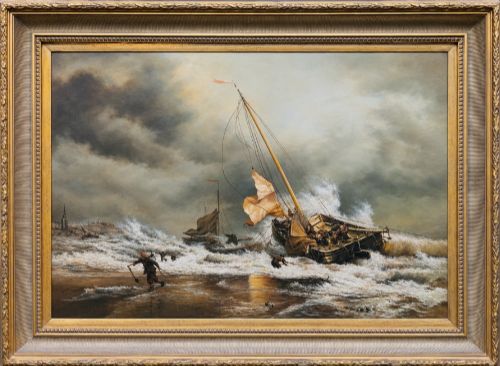
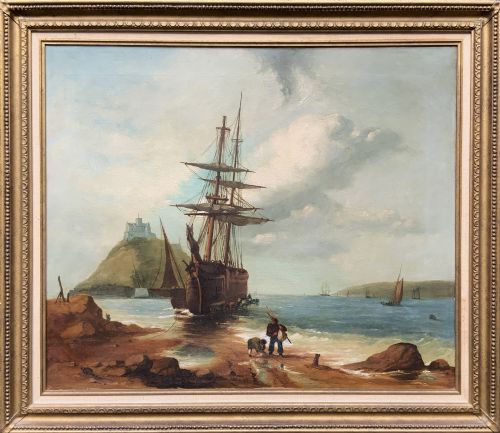
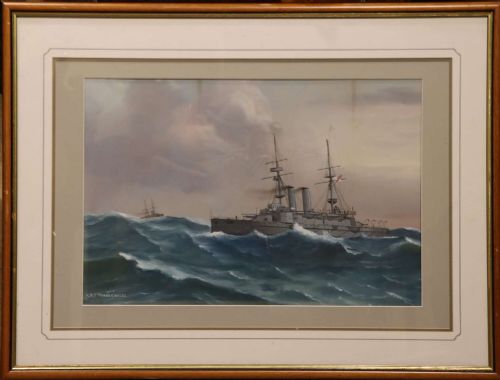
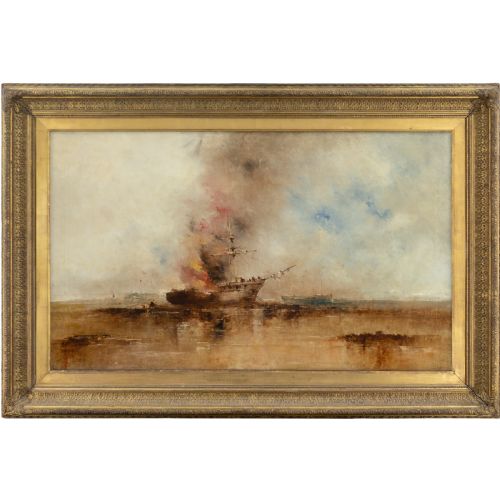
Victorian and Edwardian works dominate the selection, often taking the form of oil paintings on canvas or board, delicate gouache studies and framed watercolours. Buyers frequently find framed artwork capturing specific vessels, naval engagements and bustling foreign ports.
The category extends beyond conventional paintings to include traditional sailor's woolwork embroideries, known as woolies, alongside Chinese export gouache paintings of junks. These diverse objects reflect a shared fascination with seafaring life and marine architecture across different eras.
How they were made
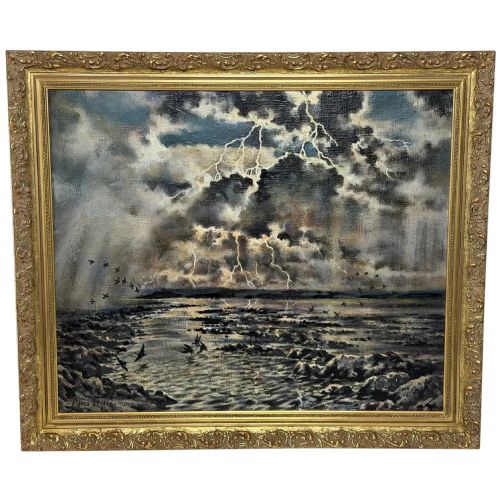
Makers utilised traditional mediums such as oil paint on canvas and board, capturing the shifting textures of rolling seas and atmospheric skies. Watercolours and gouache pigments on paper allowed artists to record fine details of rigging and coastal architecture with precision.
Many works incorporate glass and wood frames that protect the paper or canvas beneath, preserving the integrity of the pigments over generations. Specialised textile works like sailors' woolies employed coloured wool threads worked on canvas to depict historic ships with tactile depth.
Antique Nautical Pictures Retail Price Guide 2026
Typical asking prices for nautical pictures among the pieces listed under this phrase on Sellingantiques today, from the lower quarter to the upper quarter. They describe what is for sale here now, not the wider market.
Listings feature works created across the 18th, 19th and early 20th centuries, utilising oil paint, watercolour, gouache and wool embroidery.
What varies in quality
The distinction between ordinary and exceptional pieces rests upon the artist's ability to render maritime movement and atmospheric conditions convincingly. Superior works demonstrate a precise understanding of vessel architecture, rigging and nautical perspective rather than relying on generic formulas.
Condition and originality play a significant part in separating works of higher merit, particularly regarding the preservation of original pigments and period framing. Pieces that retain their historic context and display genuine documentary detail command greater appreciation.
Achille Bron·William Cannon·John Wilson Carmichael·George Stanfield Walters·Charles Napier Hemy·Vincenzo D’Esposito·William Lee Hankey·Fred Waugh·John Douglas Perrett·Leslie Rackham
The Antique Nautical Pictures Glossary
- Gouache
- An opaque water-based paint that dries to a matte finish, frequently utilised in maritime works for its dense colour and sharp detail.
- Woolie
- A traditional embroidery created by nineteenth-century sailors using coloured wool threads to depict ships, prized for its folk art appeal.
- Seascape
- A painting, photograph or watercolour that depicts the sea, coastal views or marine vessels in motion.
- Neapolitan
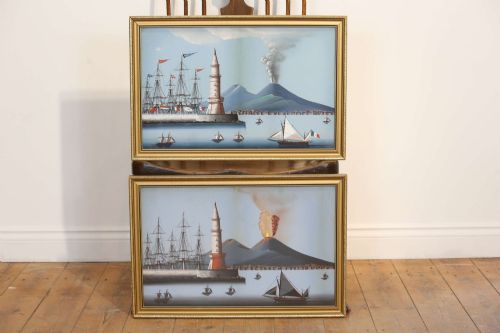
- Pertaining to Naples, often describing nineteenth-century schools of artists who painted local harbour scenes and visiting vessels for travellers.
Antique Nautical Pictures: Frequently Asked Questions
What subjects do antique nautical pictures show?
These works depict a wide range of maritime subjects, including named steamships, warships, fishing boats and historic naval vessels. Many pieces also record coastal harbours, lighthouses and dramatic scenes of shipping in heavy seas.
Artists documented both domestic British waters and international locations, from the Cornish coast to Italian ports and Chinese rivers. This variety provides a comprehensive visual record of commercial and naval seafaring history.
How should I display framed nautical watercolours?
Watercolours and works on paper require careful placement away from direct sunlight to prevent the fading of delicate pigments. Maintaining stable indoor humidity levels also protects the paper support and original wooden frames.
Using conservation-grade glass during any future reframing helps shield the artwork from ultraviolet light while preserving its historic presentation.
How can I tell the period of a marine painting?
The subject matter often provides the clearest indication of date, as the evolution from wooden sailing frigates to ironclad battleships and steamships follows a well-documented timeline. Details such as vessel design, naval uniforms and architectural background help anchor the work in a specific century or decade.
Artist signatures, historical event references and framing styles offer further clues to determine whether a piece originates from the Georgian, Victorian or Edwardian eras.