
Antique Nature Artwork
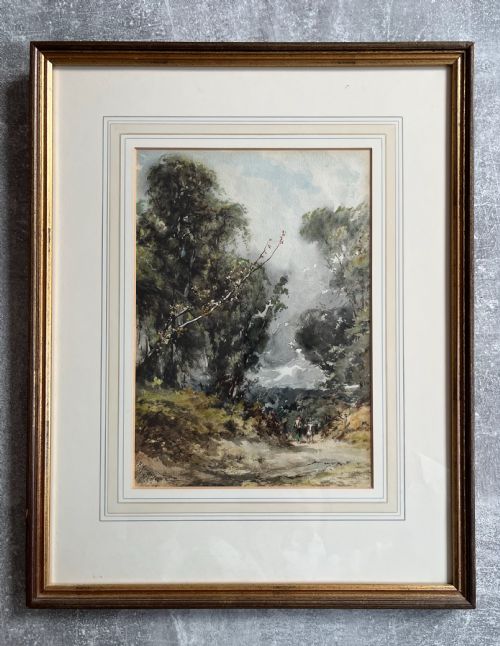
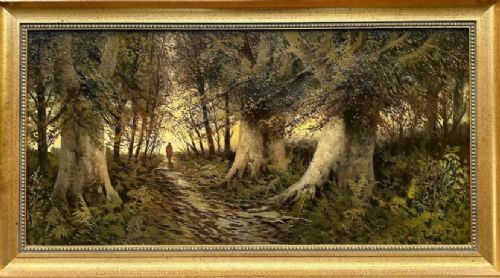
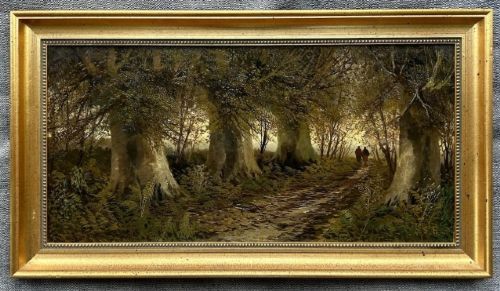
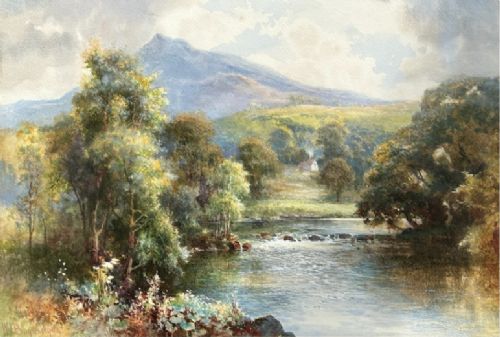
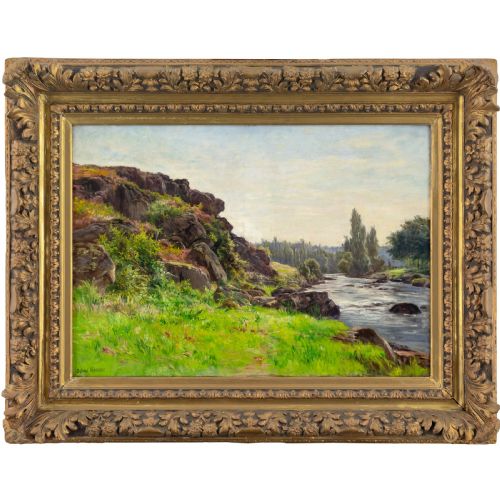
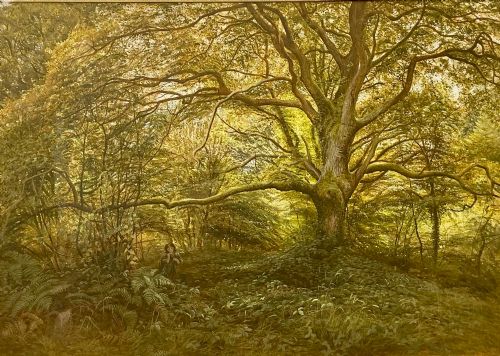
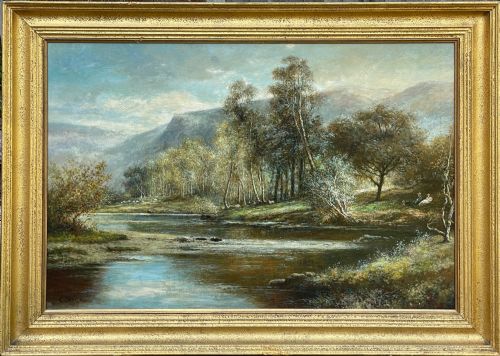
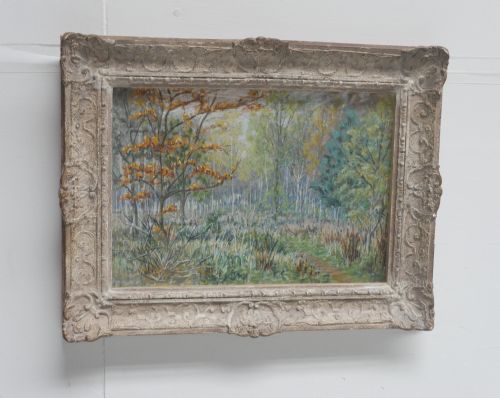
These pieces of antique nature artwork capture landscapes, rivers, woodlands, and botanical studies on canvas, paper, and board.
Antique Nature Artwork
Antique nature artwork comprises framed paintings, watercolours, gouaches, and prints focusing on the natural world. Buyers search this phrase to find period depictions of landscapes, rivers, woodlands, and still lifes.
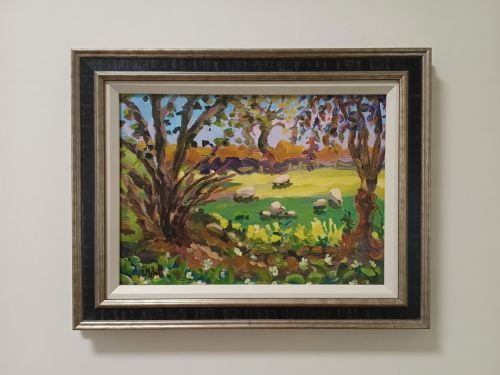
The selection on this page centres primarily on nineteenth-century and early twentieth-century works, alongside Victorian landscapes and botanical studies. Landscapes and river scenes dominate the offerings, created by named British artists and continental painters.
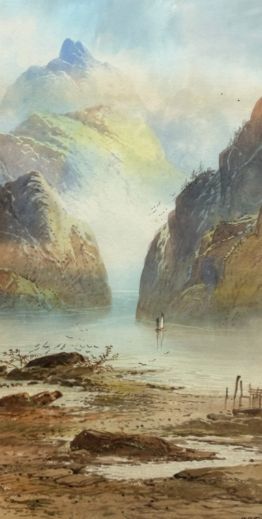
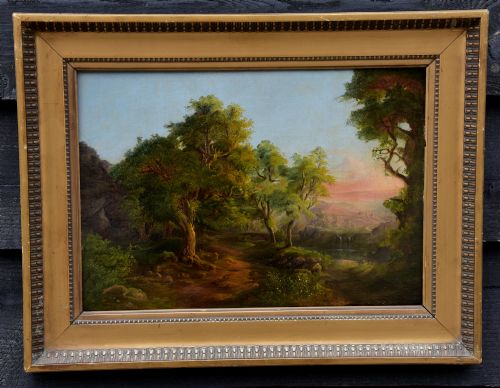
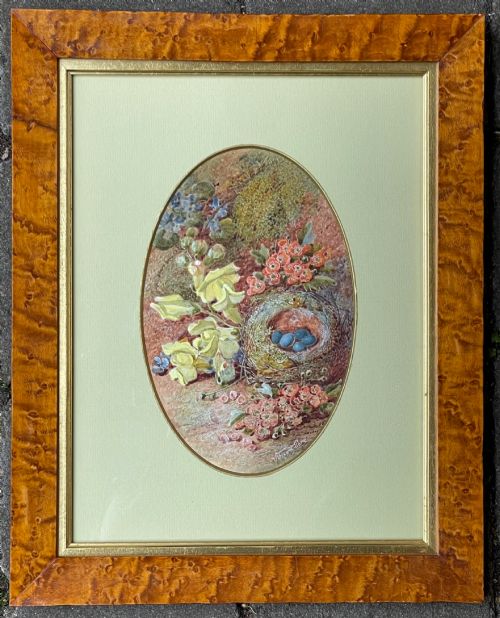
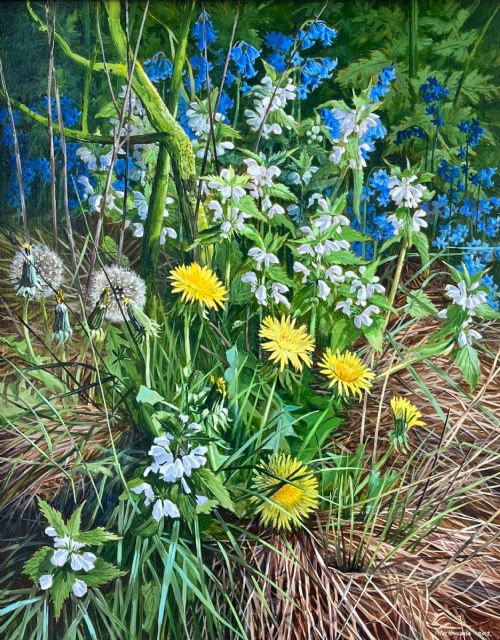
Works range from intimate watercolours of birds' nests and bluebell woods to large oil paintings on canvas depicting Welsh and Scottish countryside views. Buyers meet both signed original compositions and uncredited period studies.
How they were made
Artists painted these subjects using oil paint, watercolour, gouache, and pastel applied to canvas, prepared wood boards, and paper. Supports frequently sit within period wood frames, sometimes accented with gold leaf.
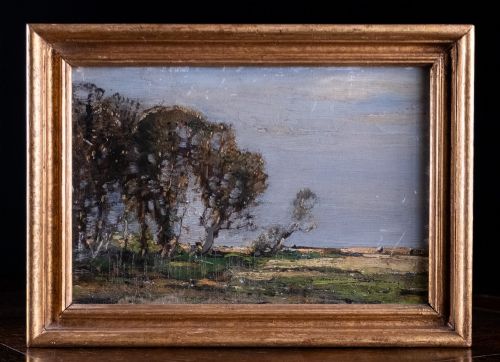
Watercolour and gouache works rely on careful application of pigment to paper to capture fine details in foliage, birds, and riverbanks. Oil paintings utilise thicker brushwork on canvas or board to build depth in woodland scenes and sunsets.
Antique Nature Artwork Retail Price Guide 2026
Typical asking prices for nature artwork among the pieces listed under this phrase on Sellingantiques today, from the lower quarter to the upper quarter. They describe what is for sale here now, not the wider market.
Among the rural views and botanical studies hides an unexpected French impressionist oil study of a rodent.
What varies in quality
Quality rests upon the artist's ability to render light, atmosphere, and botanical or topographical accuracy within the medium. Finer works demonstrate confident brushwork, balanced composition, and a clear handling of perspective in landscape and still life subjects.
Condition of the painted surface, paper stability, and the presence of original framing contribute to the standing of each piece. Signed works by documented painters carry stronger attribution than anonymous student studies from the same periods.
George Fotherly Hargitt·William Henry Earp·Kershaw Schofield·Thomas W Lascelles·William Joseph Boyes·Gabriel Mathieu·Vincent Clare·Gaspar Peeter Verbruggen·Bonomi Edward Warren·E Brown·William Mellor·J Phipps·Paul Lelong·George Arthur Fripp·John Wright Oakes·William Langley·Eloise Harriet Stannard·Rowland Henry Hill·William Stephen Coleman·H Church·Alfred W Parsons·AJ Thornton
The Antique Nature Artwork Glossary
- Watercolour
- A paint consisting of colour suspended in a water-soluble vehicle, typically applied to paper in transparent washes. It allows for delicate atmospheric effects in landscape and botanical subjects.
- Gouache
- An opaque water-based medium that includes a white pigment filler, producing heavier, solid areas of colour. Painters utilise it to achieve rich detail in still life and rural scenes.
- Oil on Board
- A painting executed on a rigid wooden panel or pasteboard primed with a ground layer. It offers a stable alternative to canvas for smaller landscape studies.
- Impressionism
- A nineteenth-century painting style characterised by relatively small, thin, yet visible brush strokes and an emphasis on accurate depiction of light. Works in this manner capture fleeting natural effects in open-air settings.
Antique Nature Artwork: Frequently Asked Questions
What periods do these artworks come from?
The listed works span the nineteenth century and the early decades of the twentieth century, with notable representation from the Victorian and Edwardian eras. Pieces range from seventeen-hundreds still lifes to mid-twentieth-century watercolours.
Most items date between eighteen-eighty and nineteen-twenty, reflecting the height of landscape and natural history painting popularity.
Are these paintings signed by the artists?
Many works feature visible signatures, initials, or period inscriptions identifying the creator or attributing the piece to a known hand. Others remain anonymous or carry attribution to followers of established painters.
Signatures often appear in the lower corners of watercolours and oil paintings, sometimes accompanied by dates.
What subjects appear in these nature works?
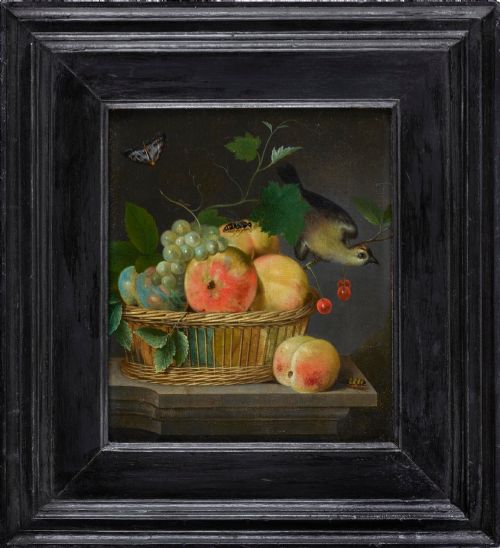
Common subjects include woodland paths, river views, mountain landscapes in Wales and Scotland, and rural orchards. Still life compositions feature fruit, baskets, birds' nests, and flowers.
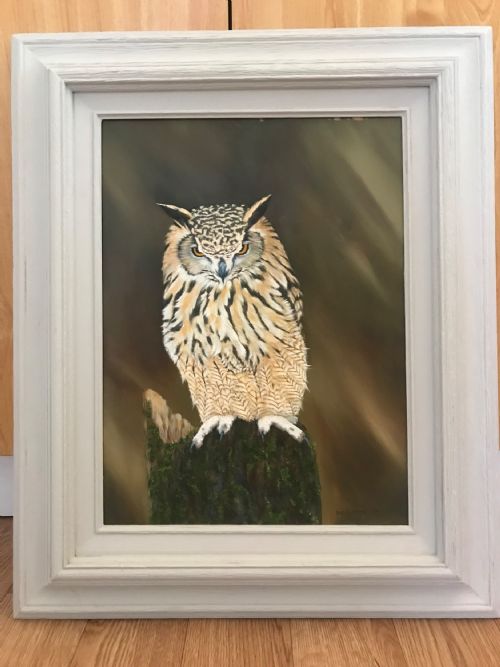
Ornithological studies and animal illustrations also feature alongside broader countryside scenes.
How should I frame and hang these pieces?
Many pieces arrive in their original period frames, which complement the age and style of the artwork. When framing works on paper like watercolours, use conservation-grade mounts to protect the surface.
Keep antique paintings out of direct sunlight and away from damp walls to preserve the canvas, board, and pigments.