

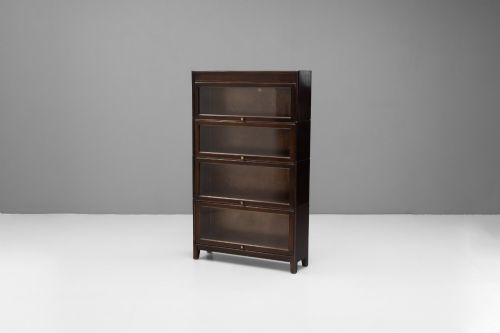
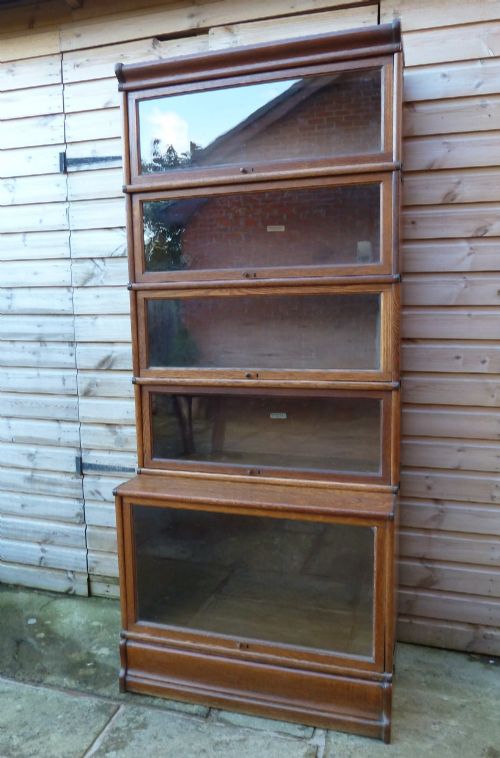
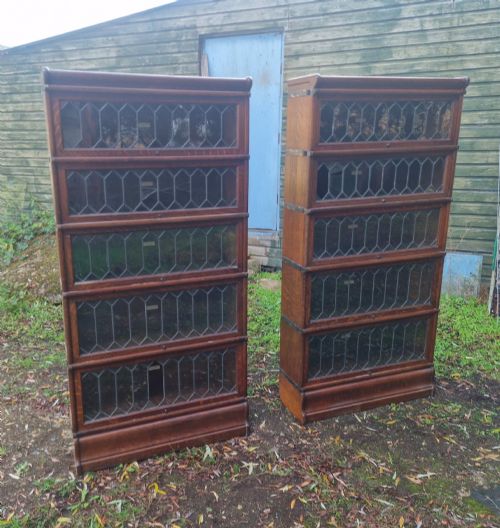
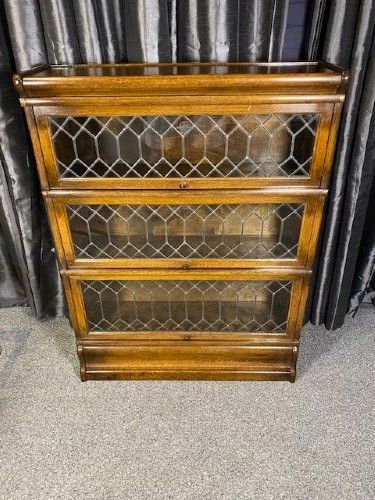
Antique Modular Cabinet
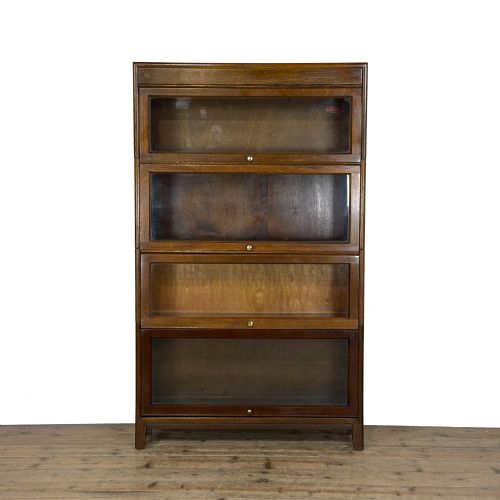
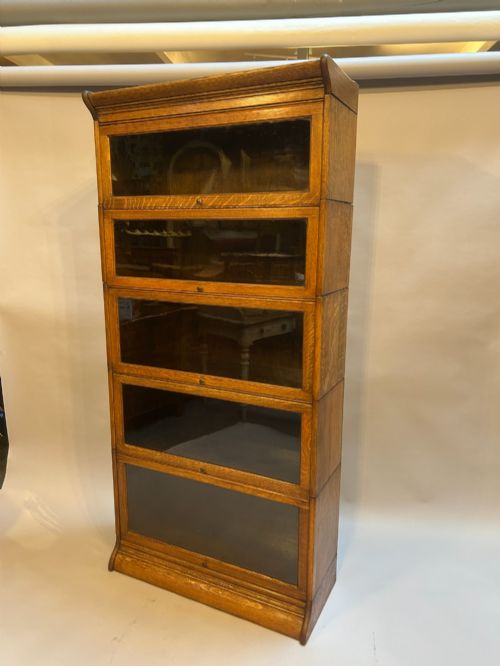
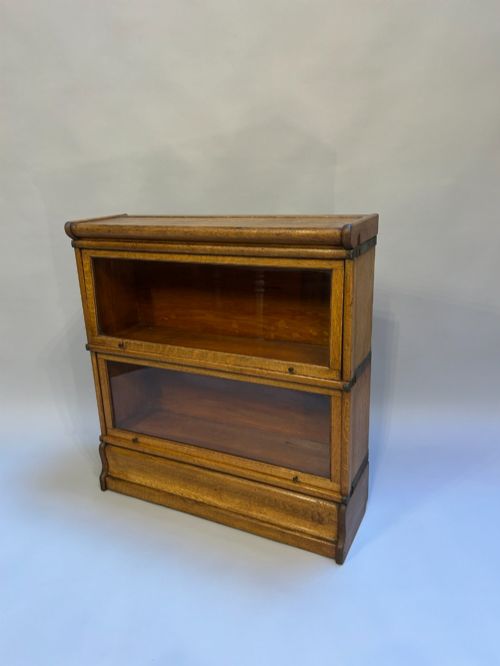
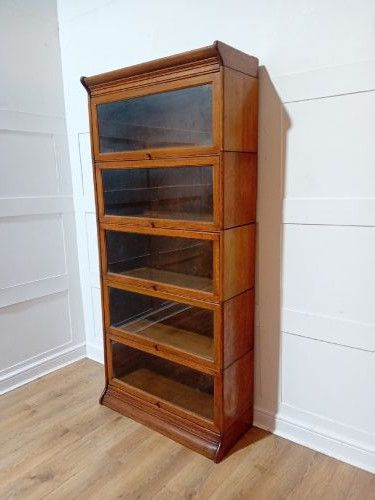
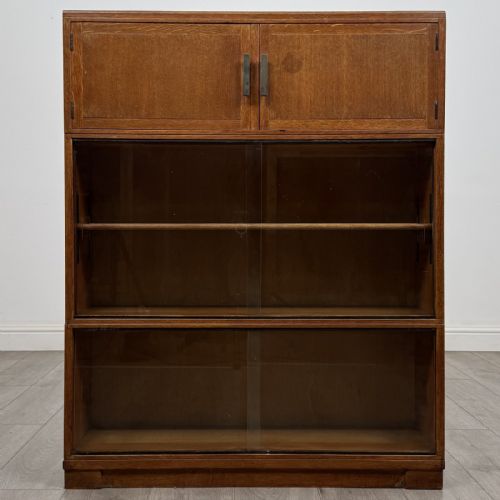
An antique modular cabinet is a stacking sectional unit built to house books and papers, offering adaptable storage with distinct character.
Antique Modular Cabinet
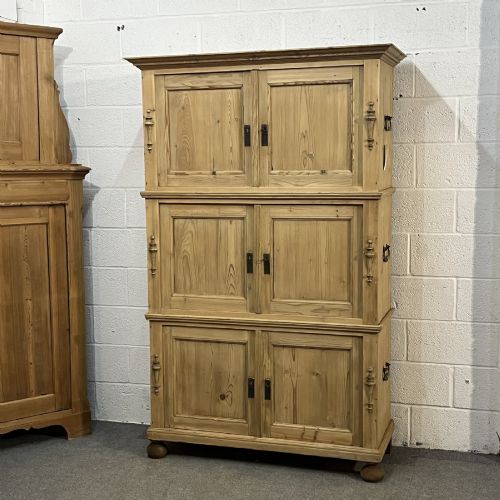
When you search for an antique modular cabinet, you encounter sectional bookcases, barristers bookcases, filing cabinets, and step chests. These pieces originate from the 19th Century, 1900, 1910, 1920, 1930, and the Edwardian period.
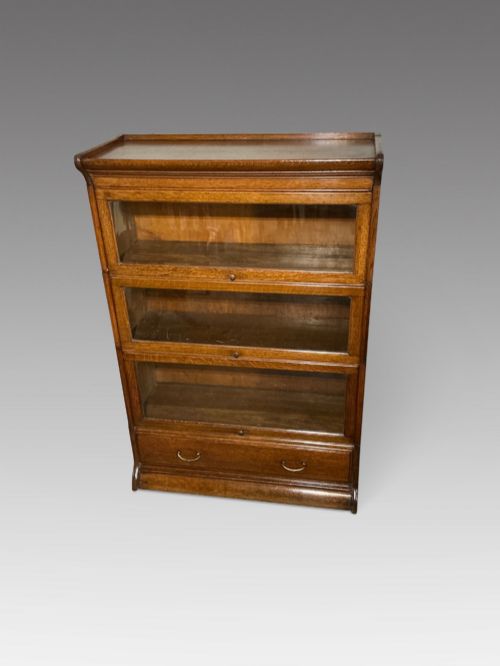
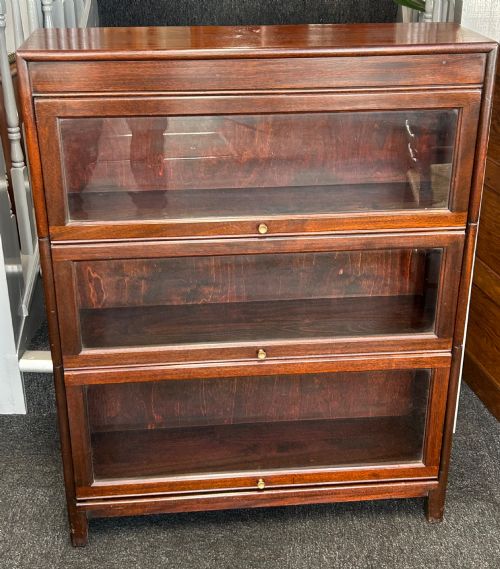
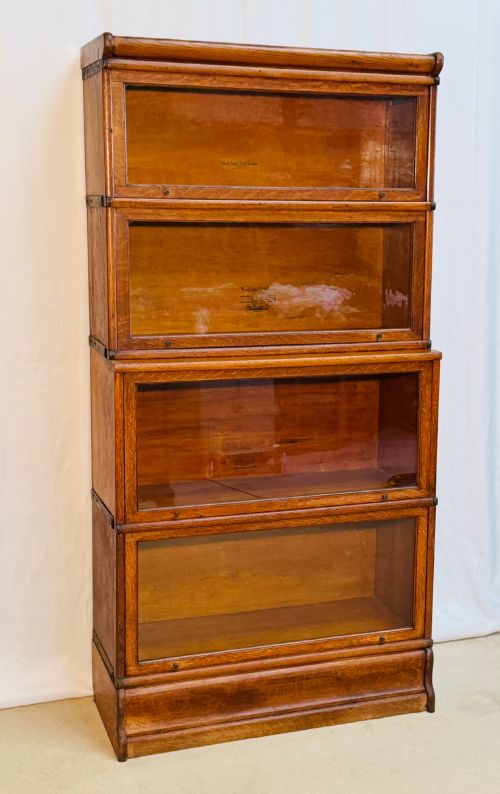
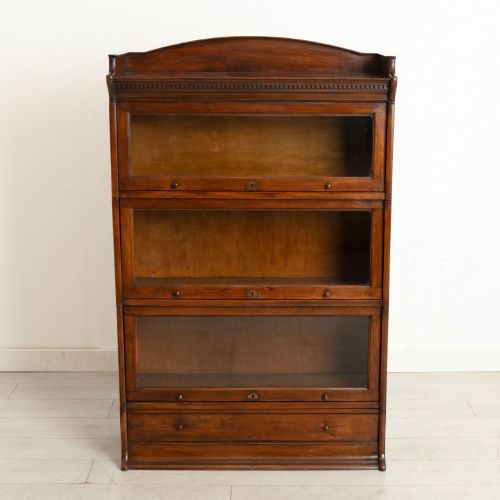
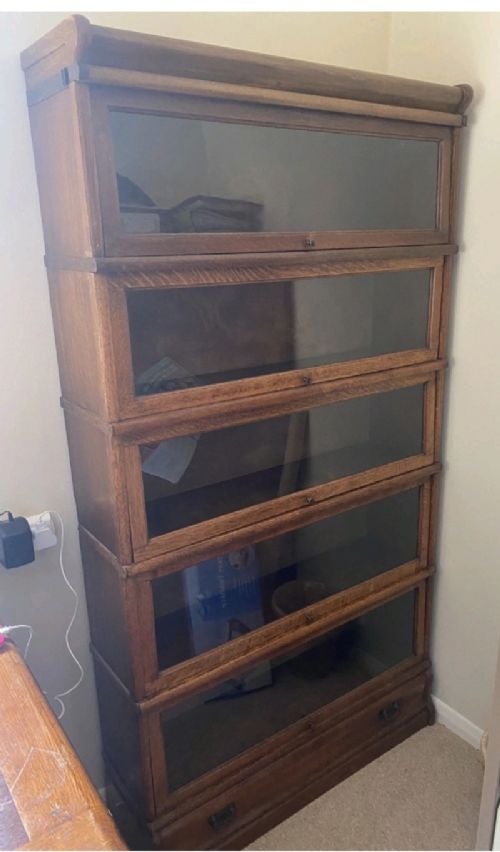
The most common version met on this page is the oak or mahogany Globe Wernicke stacking bookcase with glass doors. Such units divide into individual tiers that stack together, accompanied by occasional variations like filing cabinets and Japanese Meiji step chests.
Materials and construction
Individual sections were constructed to interlock vertically, integrating up and over doors or leaded glazed panels. Craftsmanship involved precise joinery to ensure each modular tier aligned seamlessly when stacked.
Antique Modular Cabinet Retail Price Guide 2026
Typical asking prices for modular cabinet among the pieces listed under this phrase on Sellingantiques today, from the lower quarter to the upper quarter. They describe what is for sale here now, not the wider market.
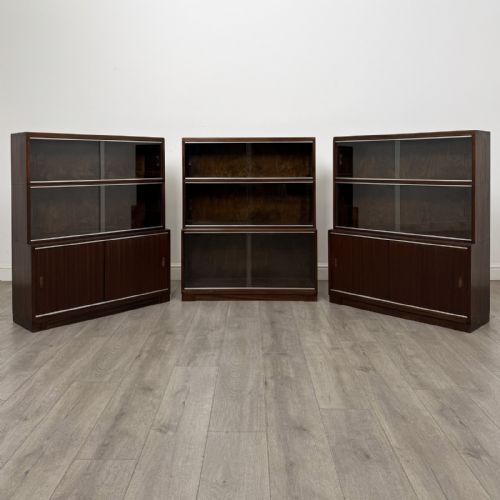
Listings feature oak, mahogany, walnut, and pine woods, incorporating glass, brass, and lead materials across Arts and Crafts, Art Deco, and industrial styles.
Judging quality in modular storage
The standard of timber selection and grain figuring separates basic office utility pieces from finer domestic furniture. Solid mahogany and quarter-sawn golden oak exhibit superior visual depth compared to plain secondary timbers.
The smoothness of the stacking mechanism and the original condition of the glass or leaded lights determine execution quality. Maker attribution through stamps or labels from established firms also elevates the standing of a piece.
Gunn Furniture·Lebus·Globe Wernicke·Macey·Heals·Minty
The Antique Modular Cabinet Glossary
- Sectional bookcase
- A bookcase built from multiple independent tiers that stack vertically. Each tier typically encloses its own set of books behind a lifting glass door.
- Barristers bookcase
- An alternative name for a sectional stacking bookcase, traditionally utilised by legal professionals. The design allowed law books to be stored securely and accessed rapidly.
- Leaded glass
- Small panes of glass joined together by narrow strips of lead into decorative geometric patterns. This technique appears on cabinet doors from the Edwardian era.
- Kaidan tansu
- A traditional Japanese step chest used for storage and stair access in multi-level interiors. These timber pieces divide into modular steps containing drawers and cupboards.
Antique Modular Cabinet: Frequently Asked Questions
What is an antique modular cabinet?
An antique modular cabinet is a stacking storage system composed of individual removable tiers. These units were designed primarily for offices and libraries to expand vertically as storage needs grew.
Common forms include sectional bookcases with glass doors and library card filing drawers. They bridge utilitarian office furniture and domestic display cabinetry.
How do sectional bookcases work?
Sectional bookcases operate through interlocking wooden modules that stack one on top of another without permanent fixings. A base unit sits at the bottom, followed by multiple glazed shelf tiers and a top cornice.
Each shelf tier usually incorporates an up and over door mechanism. This mechanism allows the glass door to lift and slide inward above the books.
How do I date an oak stacking bookcase?
Dating an oak stacking bookcase involves examining the construction methods, hardware, and maker marks. Pieces from 1900 to 1930 often feature brass manufacturer badges from firms such as Globe Wernicke or Lebus.
Stylistic shifts also help identify the era, moving from Edwardian inlaid oak to 1920s golden oak and 1930s Art Deco or limed oak finishes.
Can modular cabinets be separated?
Modular cabinets can be fully separated into their individual tiers for transport and rearrangement. The lack of fixed vertical sides means each section functions as a standalone box when unstacked.
This disassembly allows owners to configure the height of the cabinet to suit different ceiling heights or room layouts.