
Antique Mirrored Display Sideboard
An antique mirrored display sideboard brings depth and light into a room through polished glass panels and rich timber framing.
Antique Mirrored Display Sideboard
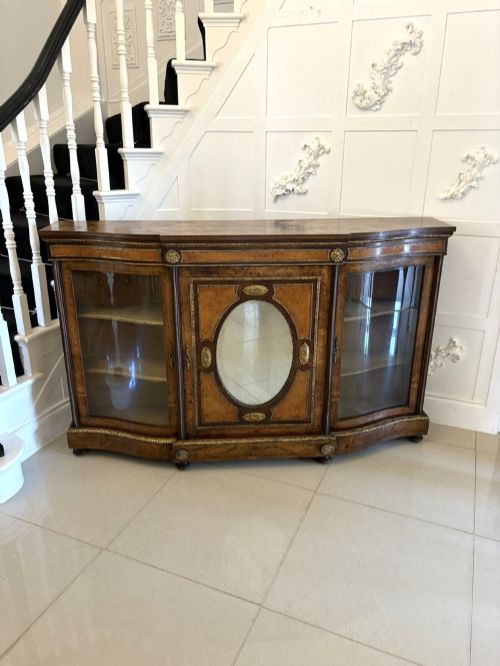
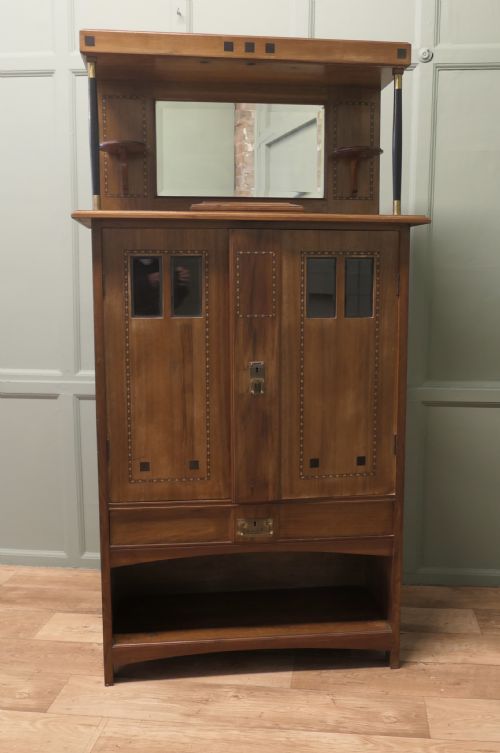
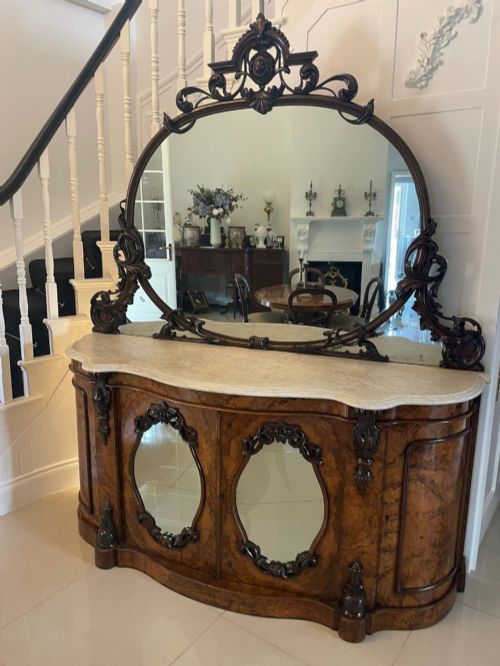
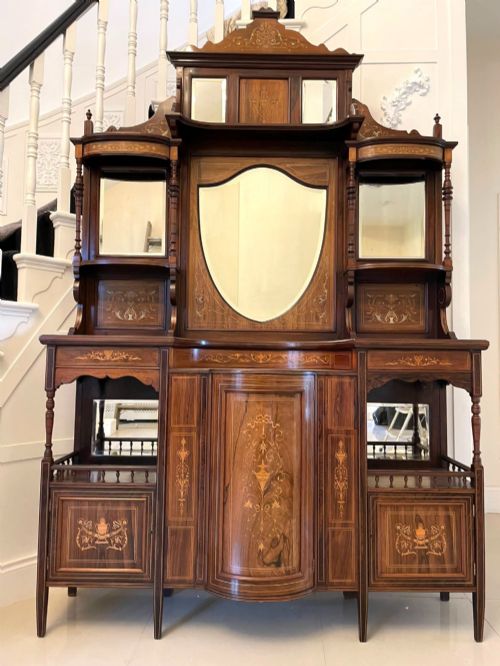
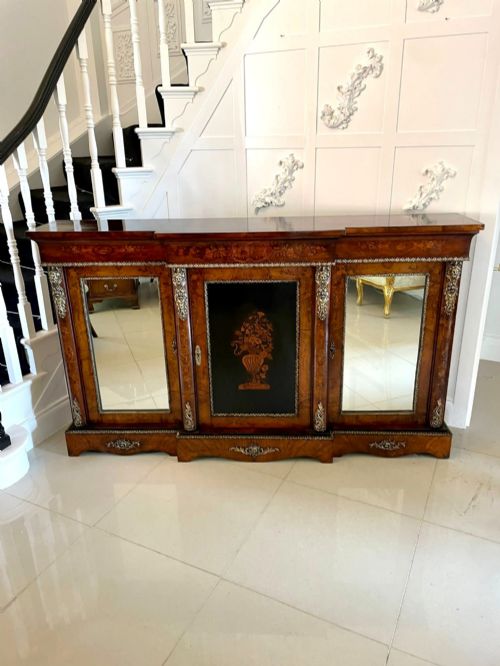
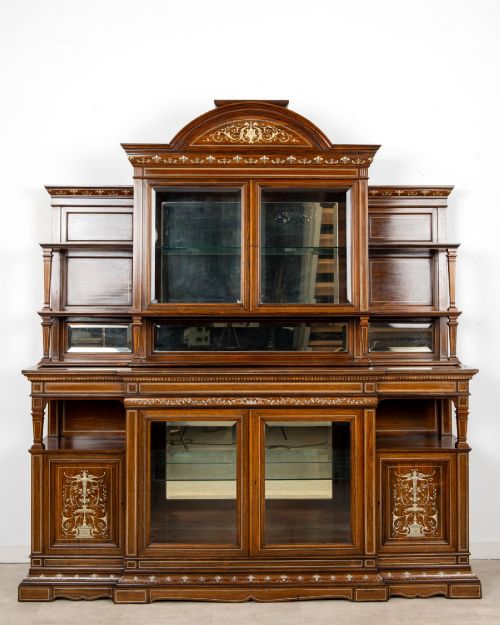
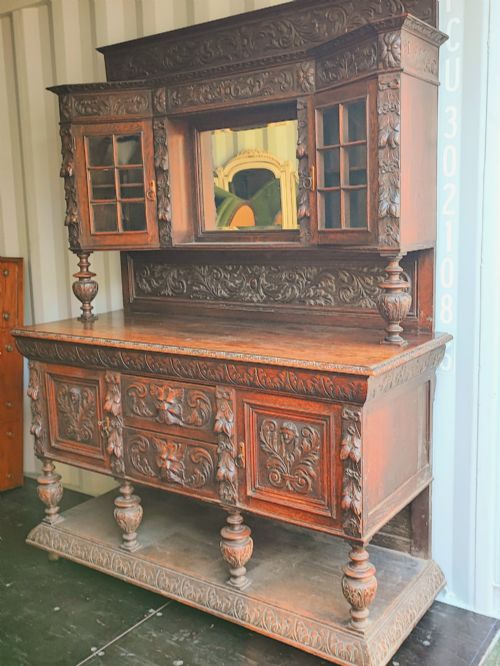
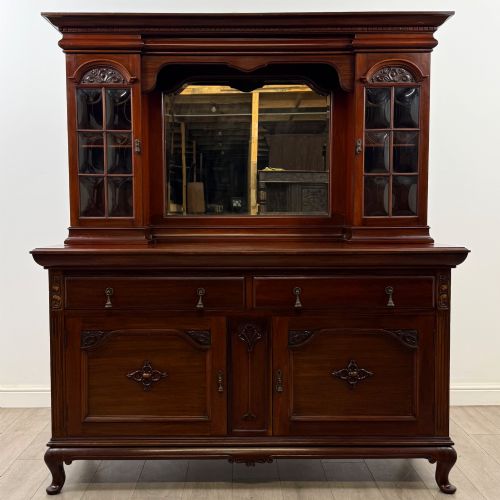
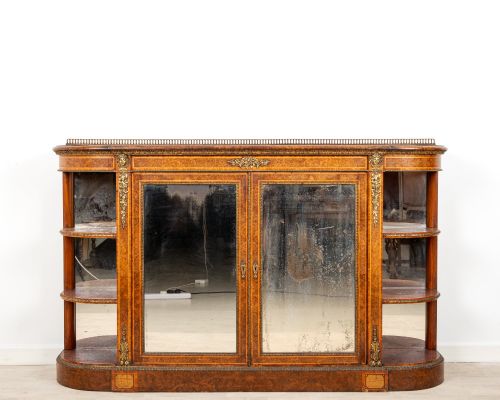
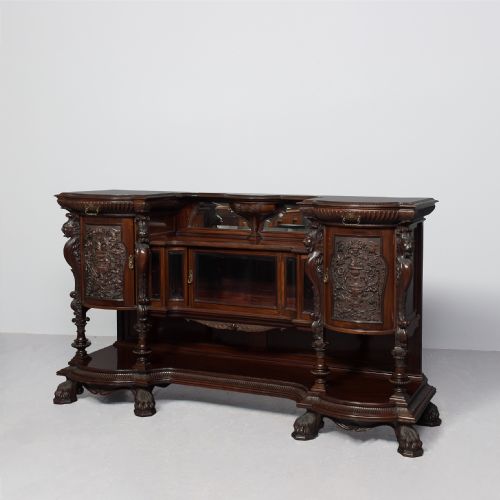
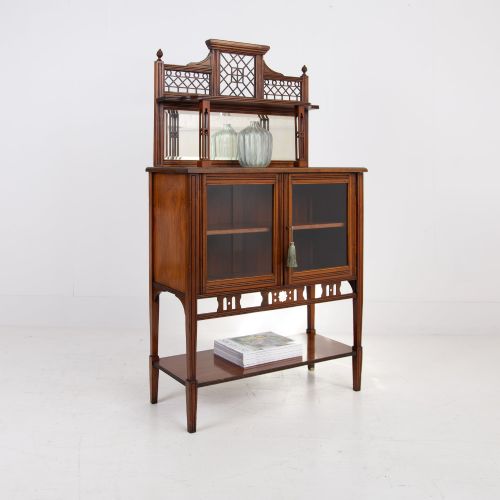
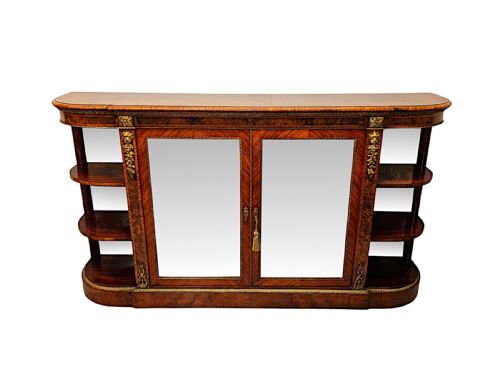
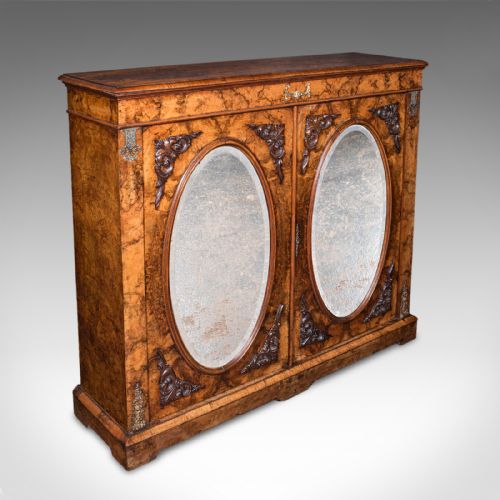
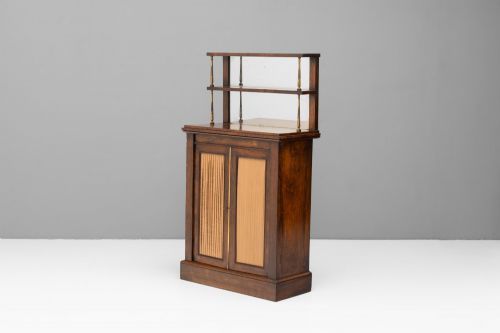
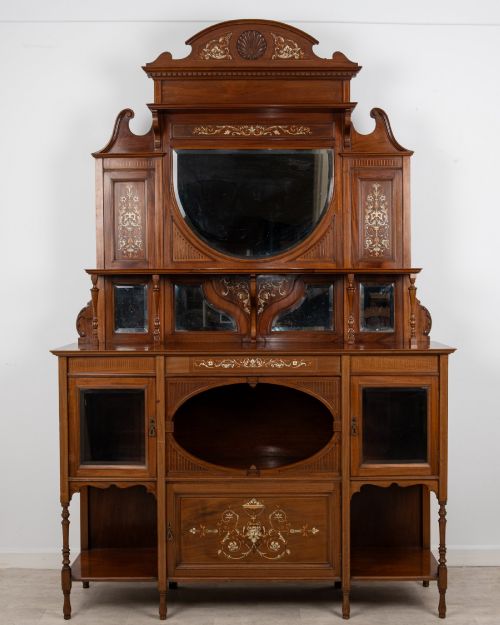
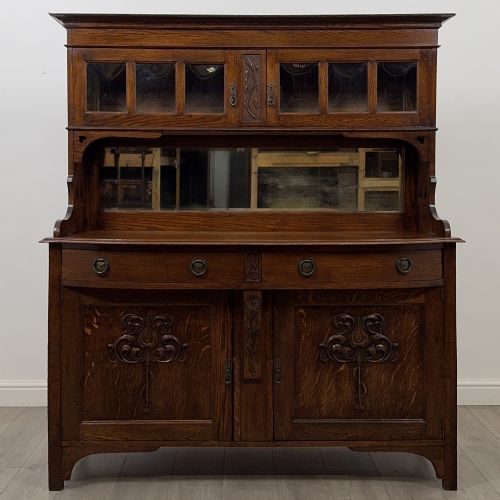
When you search for an antique mirrored display sideboard, you encounter substantial nineteenth-century and early twentieth-century storage furniture designed for principal rooms. The selection includes Victorian burr walnut credenzas, rosewood side cabinets, and mahogany mirror-back chiffoniers alongside Edwardian examples.
These pieces function primarily as display furniture and storage cabinets, combining enclosed cupboard space with glass panels or open shelving. The most common form on this page is the Victorian credenza or side cabinet featuring central mirrored doors and flanking display sections.
Origins span the nineteenth century into the Edwardian period, drawing on Victorian, Arts and Crafts, Aesthetic Movement, and Regency design idioms. Makers utilised figured timbers and plate glass to reflect light and showcase porcelain, silver, or books.
Design and Execution
Quality separates through the selection of timber veneers, the complexity of marquetry inlay, and the crispness of carved wooden details. Exceptional examples display highly figured burr walnut or burr yew matched symmetrically across doors and panels.
The integration of ormolu mounts, cast brass hardware, and heavy plate mirror glass indicates higher workshop standards. Pieces bearing attribution or stamps from notable firms demonstrate superior cabinetmaking execution compared to standard commercial production.
The inventory records mirror-back chiffoniers, credenzas, and glazed display cabinets alongside sideboards.
Collinson & Lock·Gillows·Garnett & Sons
The Antique Mirrored Display Sideboard Glossary
- Credenza
- A low cabinet or sideboard, frequently featuring mirrored doors and curved ends, used for display and storage in Victorian reception rooms.
- Chiffonier
- A compact sideboard or cabinet equipped with a raised shelf or mirror back, popular during the nineteenth century.
- Burr Walnut
- A timber obtained from the gnarled growths of walnut trees, yielding highly figured grain patterns utilised for decorative veneer work.
- Ormolu
- Gilt bronze mounts applied to furniture cabinetry for decorative effect during the nineteenth century.
- Marquetry
- Inlaid wood veneers arranged in pictorial or geometric patterns across cabinet doors and surfaces.
Antique Mirrored Display Sideboard: Frequently Asked Questions
Where should I place a mirrored sideboard?
Position the cabinet against a principal wall in a dining room or drawing room where natural light strikes the glass panels. The mirrored surfaces reflect light across the floor and brighten darker corners.
Ensure adequate clearance around doors and drawers so they open fully without obstruction from other furniture.
How do I clean the timber surfaces?
Dust the wood regularly with a dry, soft cloth along the grain to prevent dirt buildup on veneers and carved details. Avoid modern silicone sprays that can damage antique French polish.
Apply a traditional beeswax polish sparingly once or twice a year to nourish the burr walnut or rosewood finish.
How do I date a mirrored sideboard?
Examine the construction methods, timber choices, and decorative styles visible across the carcase and mirror glass. Victorian pieces often use burr walnut with ormolu mounts, while Edwardian examples show lighter mahogany or oak framing.
Look for maker stamps, retailer labels, or hand-cut screws that provide physical clues to the period of manufacture.
What items belong inside a display cabinet?
Use the shelving behind glass doors to display porcelain collections, crystal glassware, or silver tableware. The mirrored backing enhances the visibility of items placed within the cabinet.
Keep heavier books and larger household items inside the enclosed wooden cupboards at the base.