
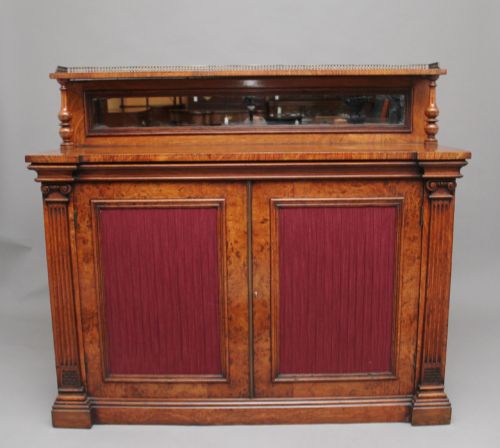

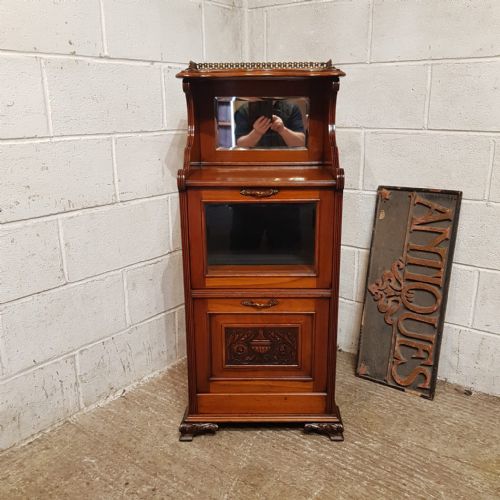

Antique Mirrored Chiffonier
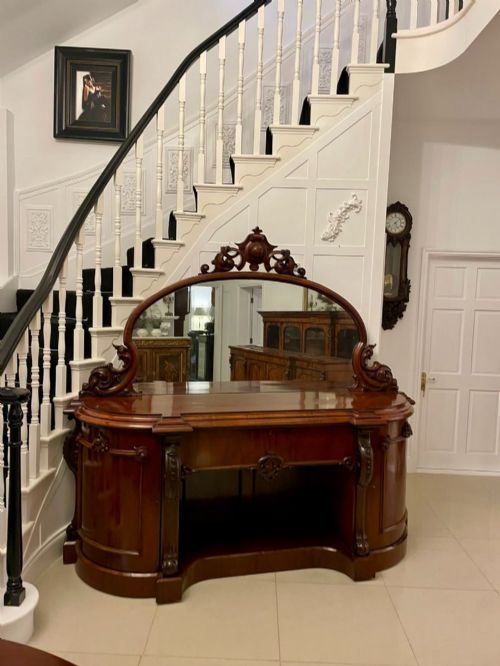
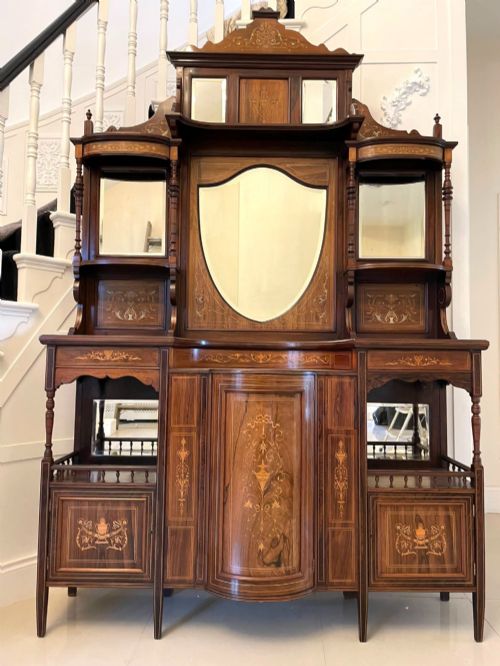
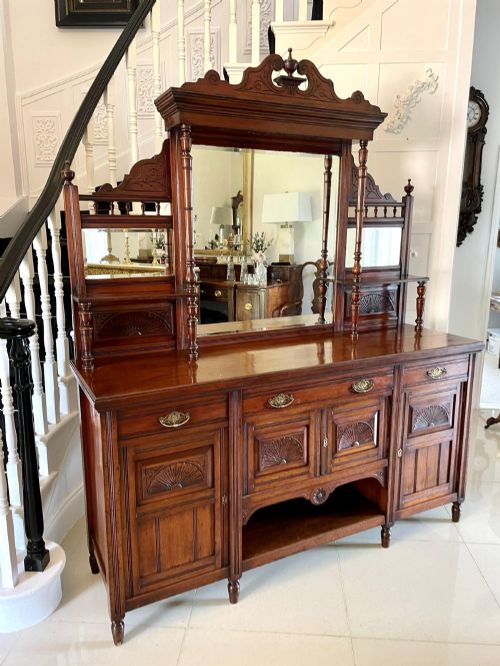
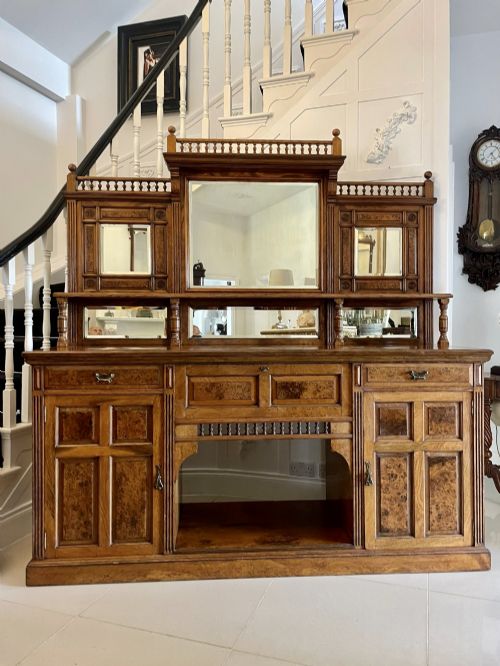
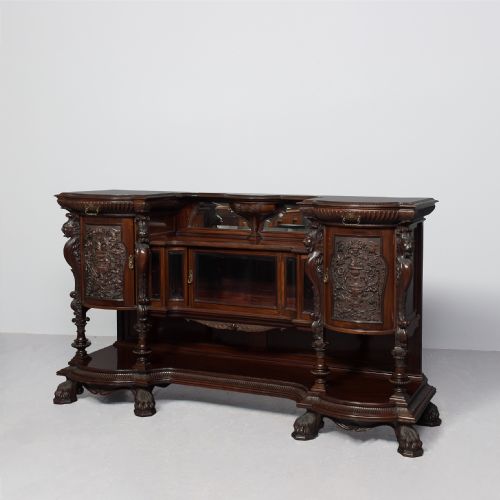
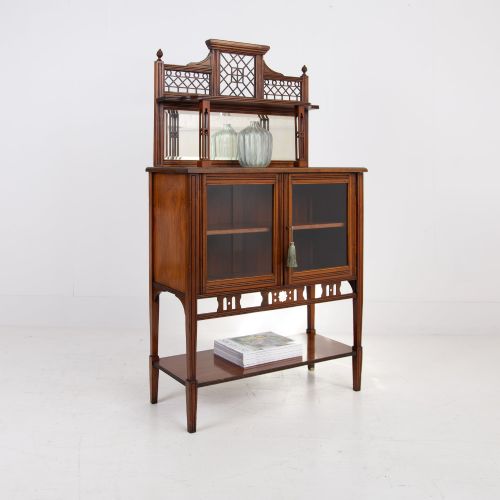
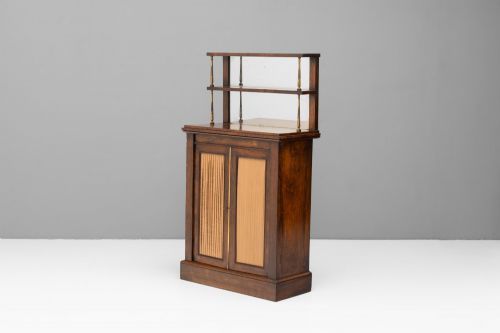
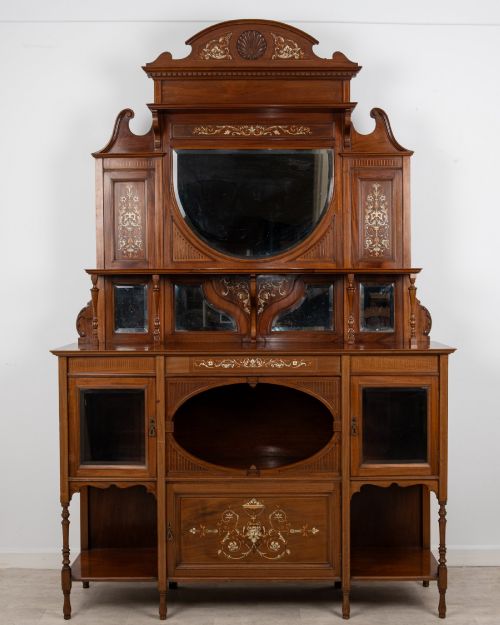
An antique mirrored chiffonier brings reflective depth and enclosed storage to a room, combining the practicality of a low cabinet with the light of a glass plate.
Antique Mirrored Chiffonier
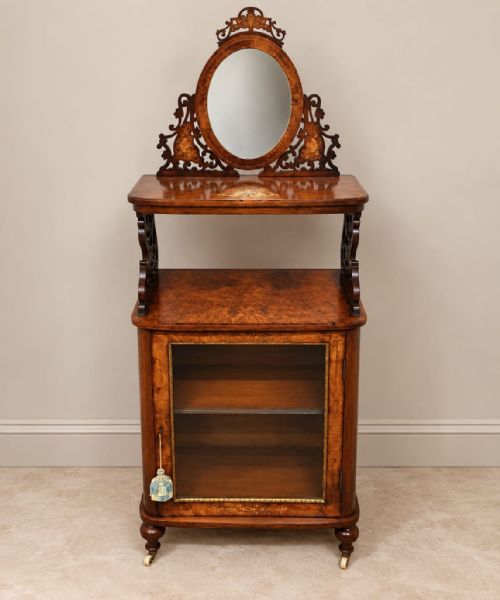
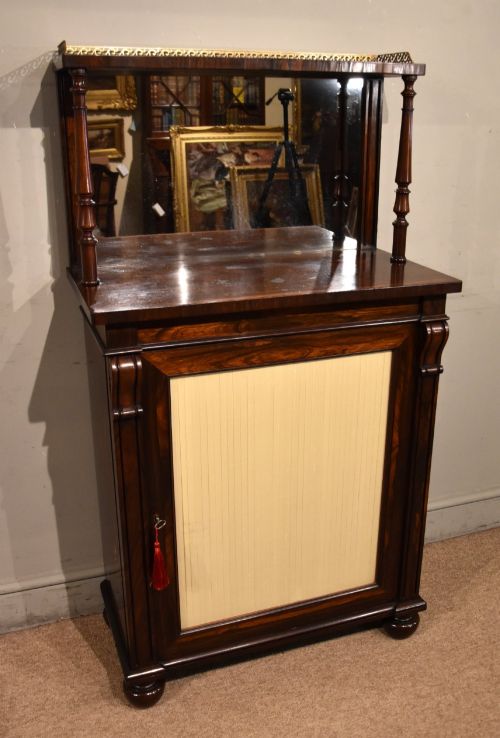
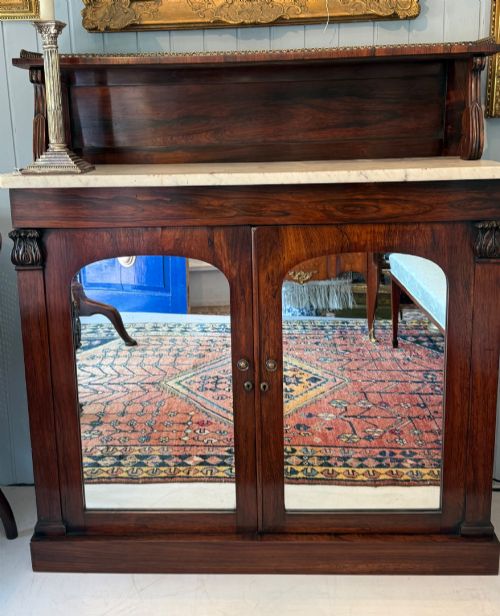
An antique mirrored chiffonier sits firmly within the 19th century, drawing on Regency, Victorian, and Aesthetic Movement design. These pieces function as side cabinets, credenzas, and low sideboards that incorporate glass mirrors into their upper frameworks or door panels.
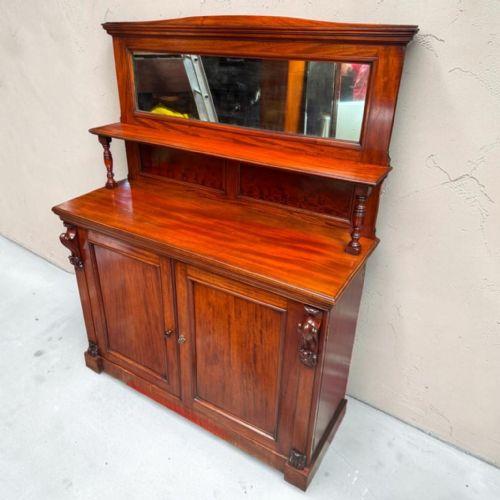
The versions met most frequently on this page date from the Victorian era, particularly the middle and late decades of the 19th century. They combine timber carcases with fitted shelving, cupboards, and mirrored backs designed to brighten formal rooms.
How they were made
Cabinet makers utilised dense, richly figured hardwoods such as rosewood, mahogany, pollard oak, and burr walnut for the main structure. These timbers were often selected for their striking grain patterns and finished with careful polishing.
Brass inlay, marquetry, and gilt highlights frequently decorate the surfaces, whilst mirror glass is set securely into carved wooden frames above the main sideboard body. Joinery relies on traditional framing methods to support heavy marble tops or elaborate display shelves.
Antique Mirrored Chiffonier Retail Price Guide 2026
Typical asking prices for mirrored chiffonier among the pieces listed under this phrase on Sellingantiques today, from the lower quarter to the upper quarter. They describe what is for sale here now, not the wider market.
Listings feature 19th century periods including Regency, William IV, and Victorian, alongside materials such as rosewood, mahogany, brass, and glass.
What varies in quality
The refinement of the timber choice and the complexity of the cabinetwork dictate the standing of a piece. Finer examples display highly figured burr veneers, intricate brass inlay, and sophisticated marquetry rather than plain surfaces.
Carved details show distinct variation in depth and execution, ranging from simple mouldings to deeply sculpted foliage and architectural mirror surrounds. The weight of the timber and the integration of secondary elements like marble tops separate standard production from exhibition pieces.
Garnett & Sons·Holland & Sons·Gillows
The Antique Mirrored Chiffonier Glossary
- Chiffonier
- A low sideboard or cabinet, typically fitted with drawers and doors beneath a shelf or mirrored superstructure. It evolved during the early 19th century as a versatile piece for the dining room or parlour.
- Marquetry
- The art of applying pieces of veneer to a structure to form decorative patterns and pictures. Makers used contrasting woods to create floral or geometric designs.
- Pollard oak
- Timber taken from trees that were pollunted or pruned at height, producing a dense wood with clustered, knotty growth rings. It was favoured for decorative cabinet panels in the 19th century.
- Aesthetic Movement
- A late 19th century design style that emphasised decorative art for its own sake, often drawing on Anglo-Japanese motifs. Cabinets from this period frequently feature ebonised finishes and gilt highlights.
Antique Mirrored Chiffonier: Frequently Asked Questions
Where were chiffoniers placed?
These cabinets stood against dining room or drawing room walls where they served both decorative and storage purposes. Their low profile allowed surfaces to hold glassware, ceramics, or silver.
Mirrored versions were positioned to reflect light from windows and lamps across the room, brightening darker Victorian and Regency interiors.
How do I date an antique chiffonier?
Dating relies on observing timber choices, hardware, and stylistic markers such as Regency brass inlay or later Aesthetic Movement ebonisation. Cabinet proportions and the presence of mirror backs also point to specific decades.
Earlier pieces from the Regency period lean towards classical rosewood and brass details, whilst later Victorian examples favour burr walnut, heavy carved mahogany, and elaborate mirror frames.
Can I use a chiffonier for modern storage?
The enclosed cupboards and lower shelves provide practical storage for modern dining rooms, hallways, or living spaces. Interior depths accommodate books, tableware, and media items.
The sturdy timber construction and flat upper surfaces function well for displaying lamps or collections alongside daily use.
What is the difference between a chiffonier and a sideboard?
A chiffonier is typically smaller and lighter than a traditional sideboard, often featuring a raised shelf or mirror superstructure. They were designed for smaller reception rooms rather than grand banquet halls.
Sideboards tend to be longer and heavier pieces built primarily for dining rooms, though the terms often overlap in 19th century cabinet分类.