


Antique Mirror with Crest
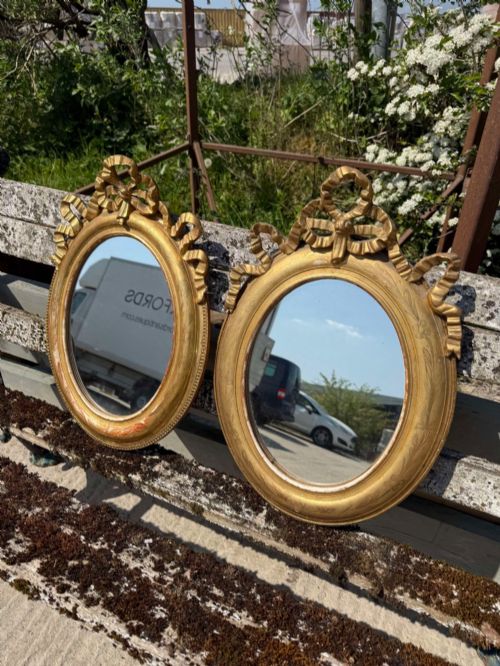
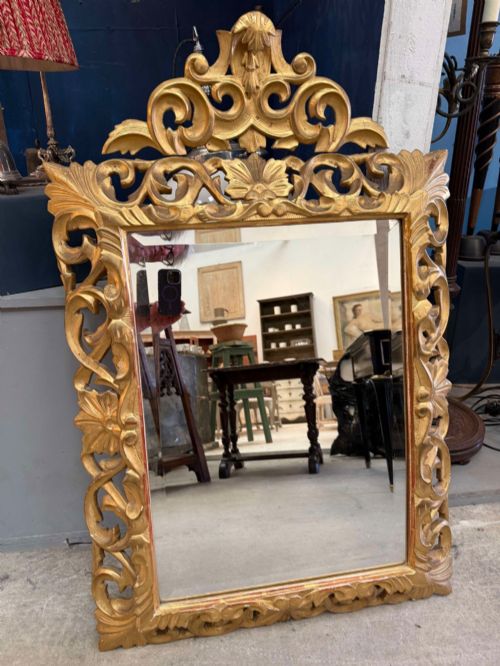
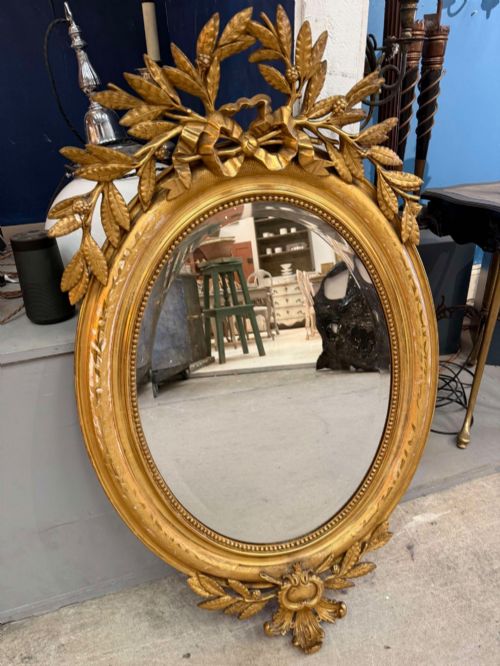
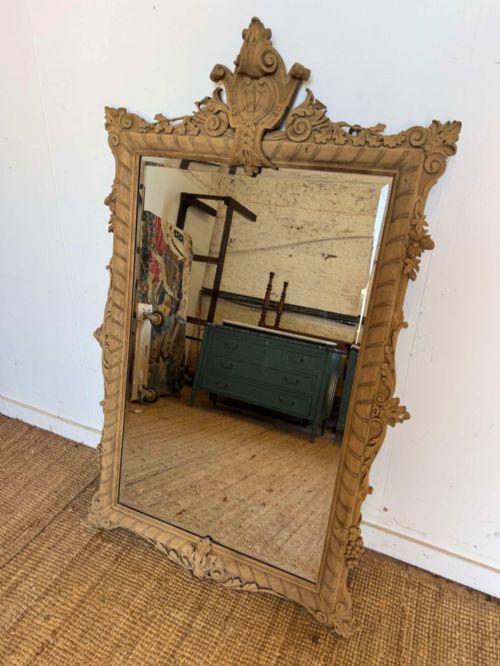
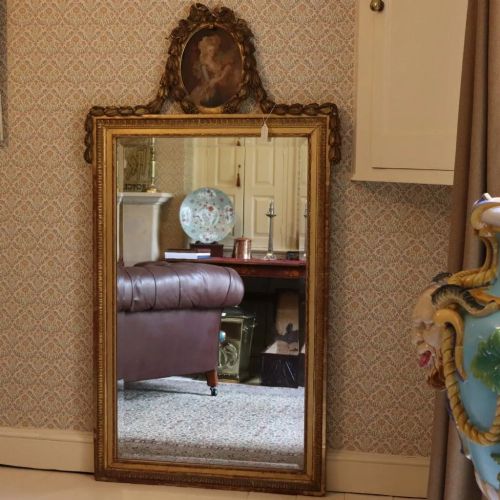
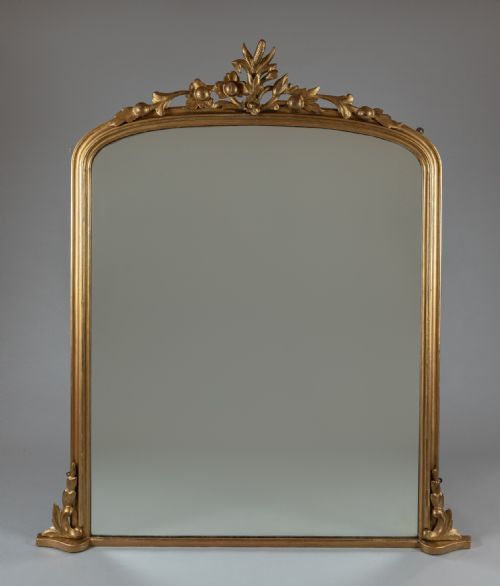
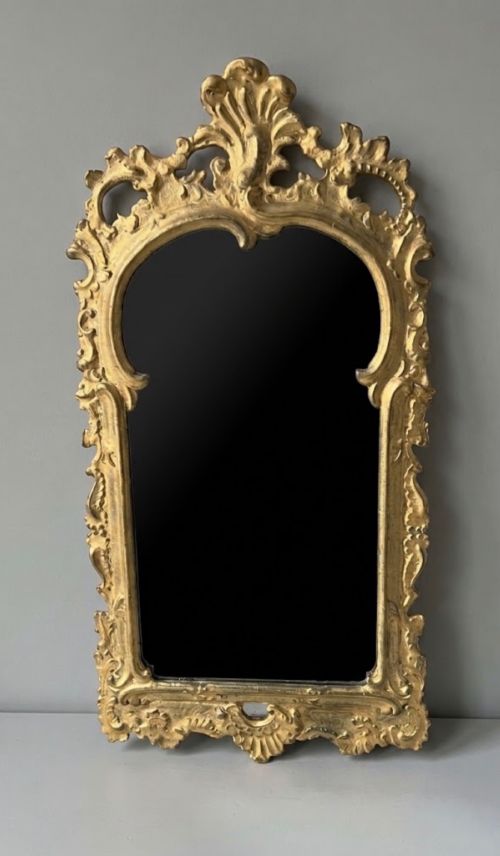
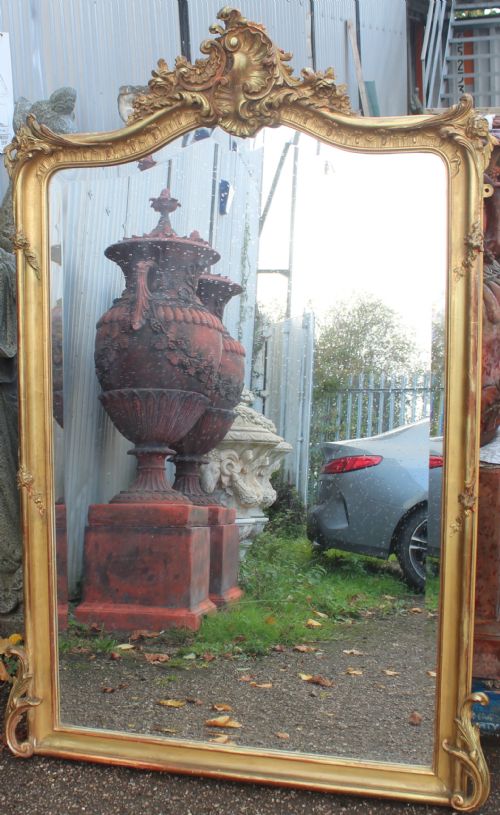
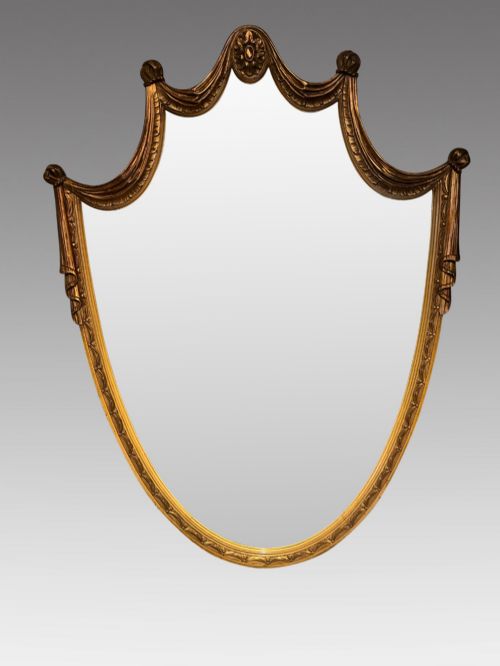
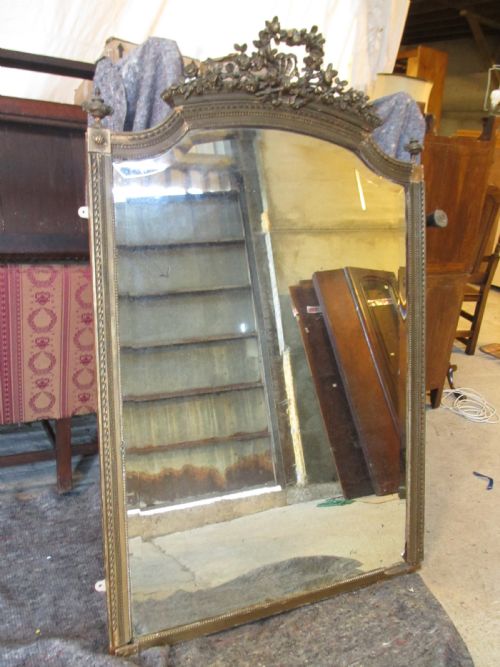
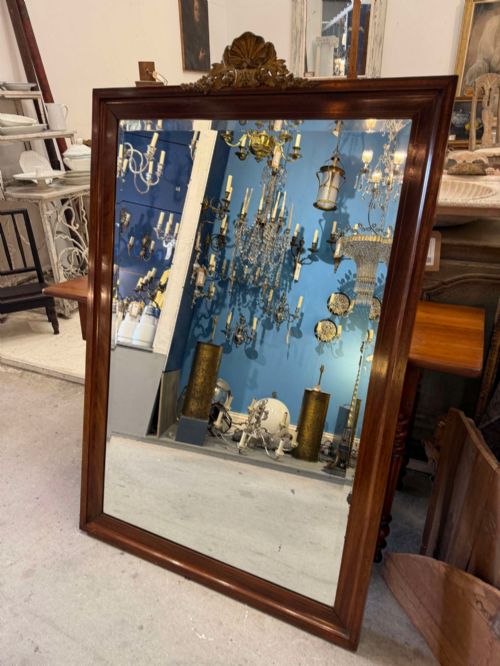
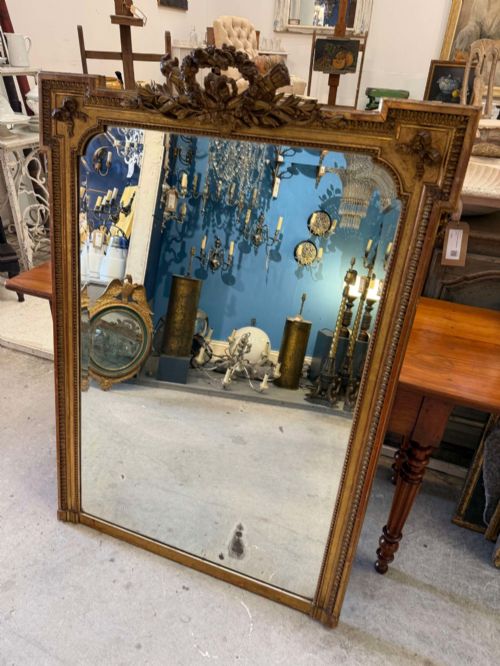
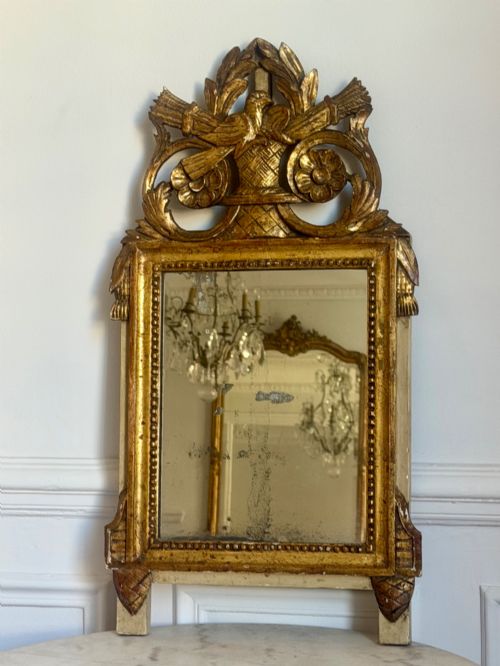
An antique mirror with crest brings height and focal energy to a room, carrying carved birds, eagles, urns or cartouches upon the frame.
Antique Mirror with Crest
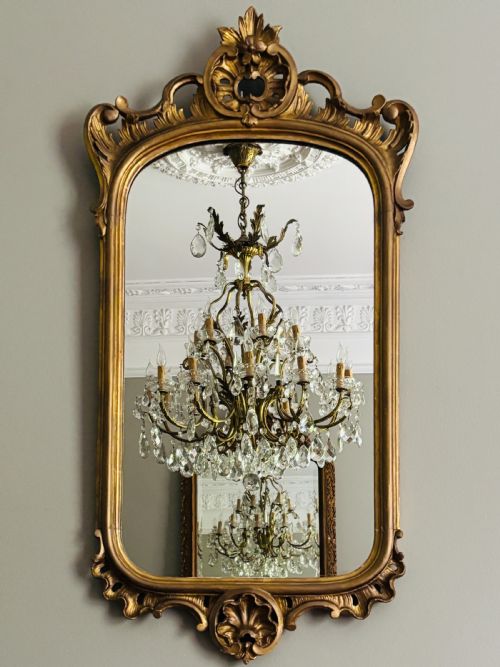
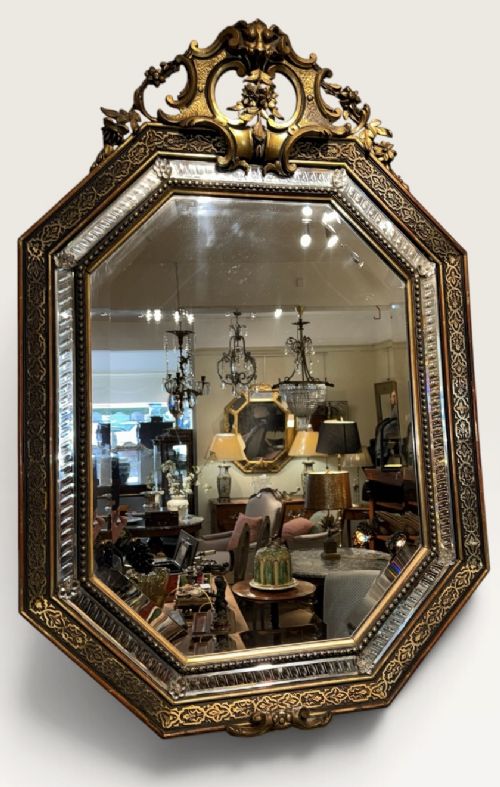
These pieces are wall-hanging or overmantel looking glasses featuring decorative cresting or surmounts fixed to the top of the frame. An antique mirror with crest appears in forms ranging from small pier mirrors to large Victorian triptychs and French overmantels.
The dominant examples on this page date from the Georgian, Regency, and Victorian eras, alongside French Chateau and Venetian revivals. Crests vary from carved timber Ho-ho birds and spread eagles to classical urns, putti, and armorial shields.
Buyers encounter rectangular, oval, and convex formats intended for halls, drawing rooms, and above fireplaces. The framework itself unites carved wood, gesso, and glass into a unified decorative object.
Materials and construction methods
Makers built the structural frames from solid timbers such as mahogany, walnut, and yew wood, often applying layers of gesso to carved softwood surfaces before gilding. This gesso layer received intricate moulding for foliate scrolls, shells, and lion masks.
Giltwood and brass feature prominently, with water-gilding or oil-gilding applied over Armenian bole to give gold leaf its warm depth. Pressed brass and gilt bronze frames also occur, particularly in French and Victorian smaller hanging or table models.
Glass plates were silvered using traditional methods, and many pieces retain original bevelled edges or reverse-cut details. Iron and brass strapwork secures the heavy wooden backboards and suspension rings.
Antique Mirror with Crest Retail Price Guide 2026
Typical asking prices for mirror with crest among the pieces listed under this phrase on Sellingantiques today, from the lower quarter to the upper quarter. They describe what is for sale here now, not the wider market.
Listings feature woods including mahogany, walnut, yew wood, and ebonised timber alongside traditional giltwood and brass.
Distinguishing quality in crest mirrors
Quality rests in the crispness of the hand-carving upon the crest and frame, where deep undercut foliage and detailed plumage separate superior work from shallow press-moulded substitutes. The proportion between the mirror plate and the decorative surmount dictates visual balance.
Originality of the glass plate and the underlying gilding dictates value among collectors. Untouched surfaces retain the soft oxidation and foxing expected of age, whereas heavy re-gilding or replaced mirror plates alter the historical integrity of the piece.
The Antique Mirror with Crest Glossary
- Crest
- The decorative ornament mounted on the top of a mirror frame. It often takes the form of an eagle, bird, urn, or cartouche.
- Gesso
- A mixture of gypsum and binder applied to wood frames to create a smooth surface for gilding or painting. Carvers cut intricate details directly into this layer.
- Convex mirror
- A round looking glass with a curved spherical plate that reflects a wide-angle view of the room. These frequently feature eagle surmounts.
- Girandole
- A branched candle sconce attached to the frame of a mirror. They multiply candlelight in historic interiors.
- Pier mirror
- A tall, narrow glass designed to hang on the wall space between windows. They often incorporate elaborate cresting to draw the eye upward.
Antique Mirror with Crest: Frequently Asked Questions
How do I hang a heavy crest mirror?
Heavy pieces require robust wall fixings secured directly into masonry or structural studs using steel brackets. The weight rests primarily on the lower hanging points rather than the decorative crest.
Professional mirror hangers should assess the frame construction and backboard stability before installation.
Are the mirror plates original?
Original plates typically display light oxidation, minor silver loss, and slight distortion in the reflection. These subtle imperfections confirm age.
Replacement glass appears perfectly clear and lacks the characteristic surface wear seen on historic silvering.
What is a Ho-ho bird crest?
The Ho-ho bird is a mythical Chinese phoenix adopted by European designers during the 18th-century Chinoiserie and Chippendale revivals. It perches atop the mirror frame with carved plumage and outspread wings.
This motif dates many Georgian and later revival pieces to specific stylistic revivals.
How do I clean an antique gilt frame?
Dusting requires only a very soft, dry brush to prevent dislodging fragile gold leaf or gesso. Water and chemical cleaning agents dissolve historic water-gilding.
Professional conservators should handle any major cleaning or repairs to the gilt surface.