




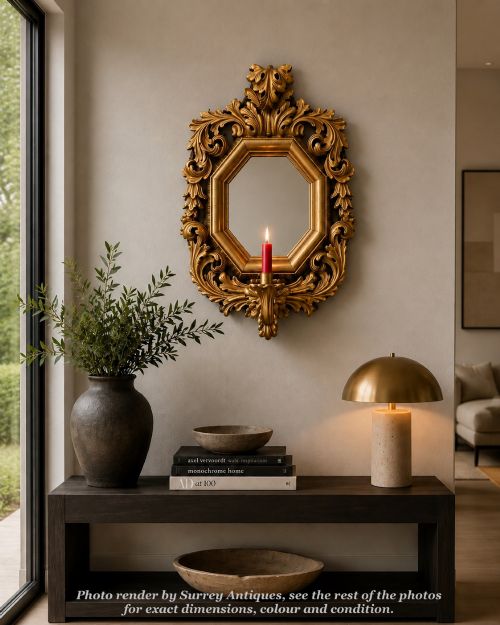
Antique Mirror Lights
These antique mirror lights bring together reflective glass and integrated illumination across periods from the Victorian era to the 1930s.
Antique Mirror Lights
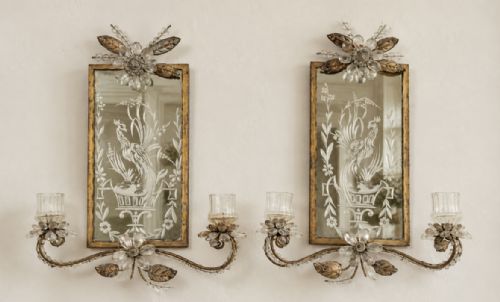
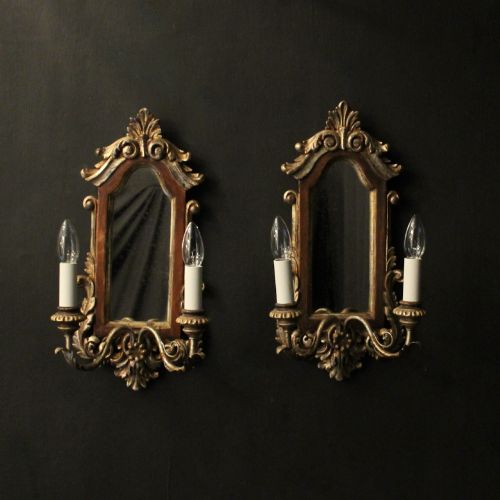
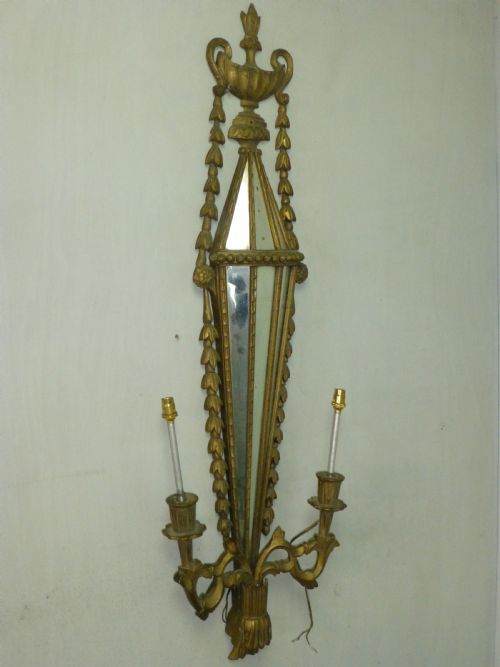
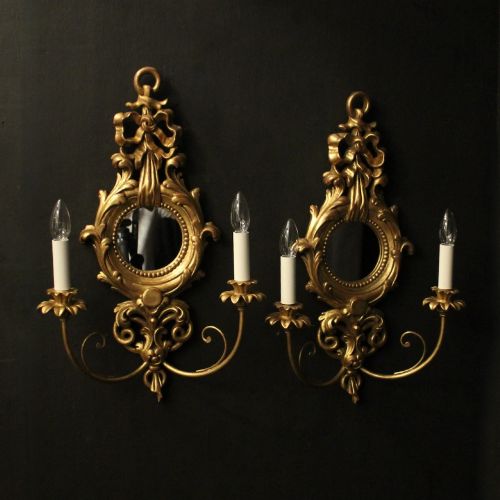
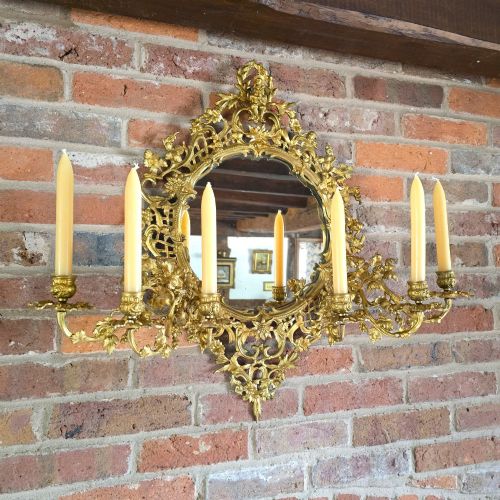
When you search for antique mirror lights, you encounter wall sconces, girandoles and candle-backed reflectors designed to multiply the effect of domestic illumination. These pieces bridge the gap between functional lighting and decorative wall mirrors, originating from workshops across Britain, France and beyond.
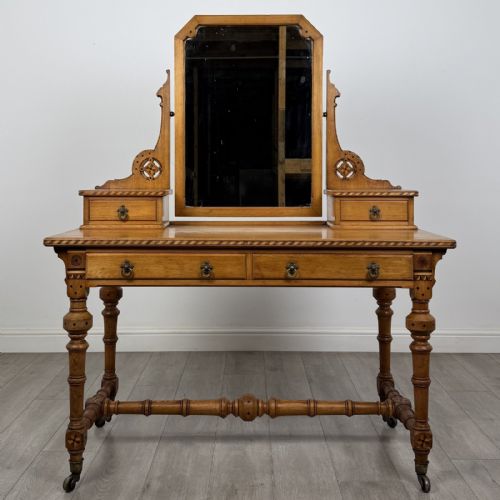
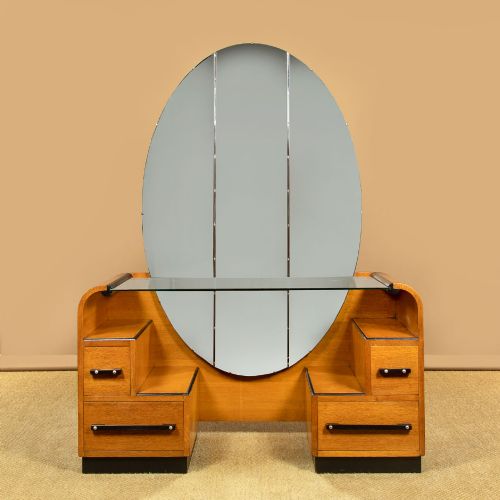
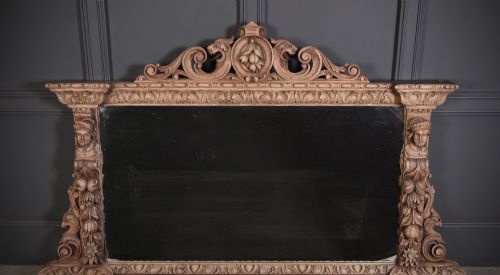
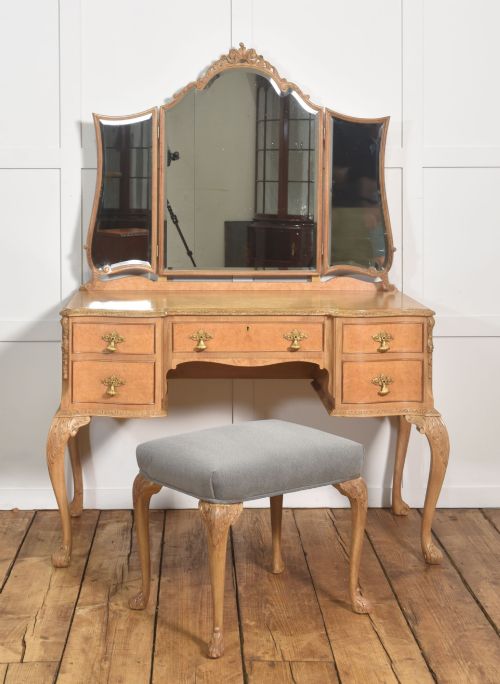
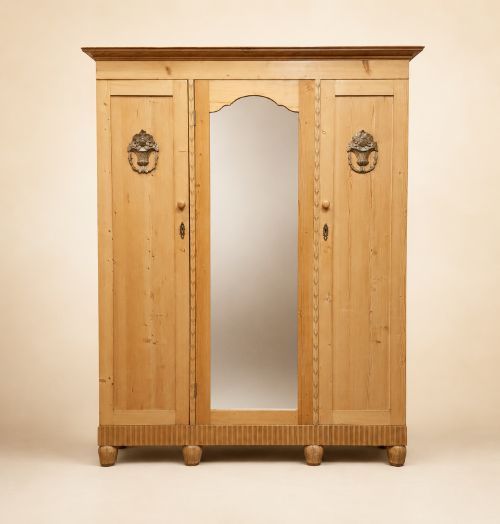
You are most likely to meet French and English examples fashioned as girandoles or mirrored wall sconces from the nineteenth century and the early decades of the twentieth century. The selection also includes related bedroom furniture with attached mirrors alongside dedicated lighting pieces.
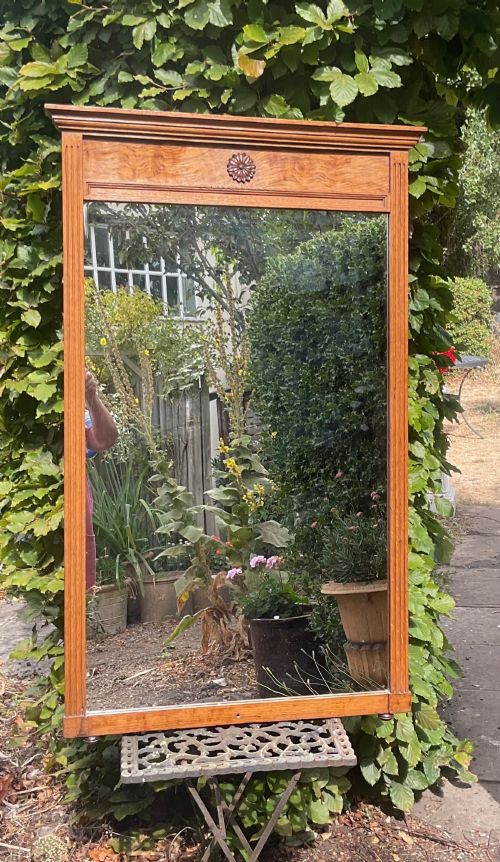
The forms span ornate giltwood Rococo revivals, Arts and Crafts oak frames, and sleek Art Deco designs. Each object relies on the interplay between candle power or early electricity and silvered glass to brighten dark rooms.
Materials and construction methods
The frames rely on hardwoods such as oak, walnut and maple, alongside carved giltwood, gesso and cast metals like brass and bronze. Artisans shaped these materials using traditional joinery, hand carving and metallic gilding to house the fragile glass securely.
Reflective surfaces utilise traditional mirror glass and mercury mirrored glass, often held by metal sconce arms designed to support candles or early electric bulbs. The integration of glass plates into wooden or metal armatures requires precise rebate work and protective backing.
Regional variations show distinct techniques, from the moulded gesso ornamentation of Florentine girandoles to the solid timber framing typical of English cabinetmakers.
Antique Mirror Lights Retail Price Guide 2026
Typical asking prices for mirror lights among the pieces listed under this phrase on Sellingantiques today, from the lower quarter to the upper quarter. They describe what is for sale here now, not the wider market.
Some nineteenth-century girandoles were designed with clever pivoting arms so owners could swing the candlelight closer to their book.
Assessing quality in mirrored lighting
Quality rests upon the crispness of the hand carving in wooden or giltwood frames and the depth of the original mercury or silver backing on the glass. Finer pieces display sharply defined ornamentation and balanced proportions between the mirror plate and the lighting arms.
The integrity of the structural joints and the originality of the mirror glass distinguish higher tiers of craftsmanship from later replacements. Pieces retaining their matching candle branches or original sconce fittings command greater attention from discerning collectors.
Shapland & Petter·Heals·Harry and Lou Epstein·Maple & Co
The Antique Mirror Lights Glossary
- Girandole
- A branched wall light or candelabra featuring a mirrored backplate designed to reflect candle flame. These pieces often exhibit elaborate carved wooden or gilt metal frames.
- Giltwood
- Timber coated with a thin layer of gold leaf over a prepared gesso ground. This finish appears frequently on decorative frames from the nineteenth and early twentieth centuries.
- Mercury glass
- A double-walled blown glass object coated on the inside with a silvering mixture, creating a reflective mirror effect. It gained popularity for pendant and table lights during the early twentieth century.
- Overmantel mirror
- A large horizontal mirror intended to hang above a fireplace mantelpiece. Some variants incorporate candle brackets or shelf units.
- Sconce
- A wall-mounted lighting fixture designed to hold candles or electric lamps. When paired with a mirror back, the reflective surface enhances the spread of light.
Antique Mirror Lights: Frequently Asked Questions
How do I date antique mirror lights?
Dating relies on stylistic clues, framing materials and the manufacturing techniques visible in the glass and metalwork. Victorian and Edwardian examples often feature heavy carved timber or ornate giltwood, while 1930s pieces lean towards streamlined Art Deco forms.
Examining the construction methods of the frame and the backing of the mirror plate helps narrow down the period of manufacture.
Were these made for candles or electricity?
Many earlier examples were constructed specifically for candles, featuring drip pans and branching arms designed to hold wax lights safely in front of the reflective glass. Later twentieth-century versions were adapted for or built to house electric bulbs.
It is common to find period pieces that have been professionally converted for modern electrical wiring while retaining their original aesthetic.
How should I hang a heavy wall mirror light?
Due to the combined weight of timber frames, metal arms and glass plates, these fixtures require secure wall anchoring into studs or solid masonry. Professional installation using appropriate fixings ensures the weight is distributed safely.
Consider the height relative to eye level and surrounding furniture to balance both the decorative impact and the functional spread of reflected light.