


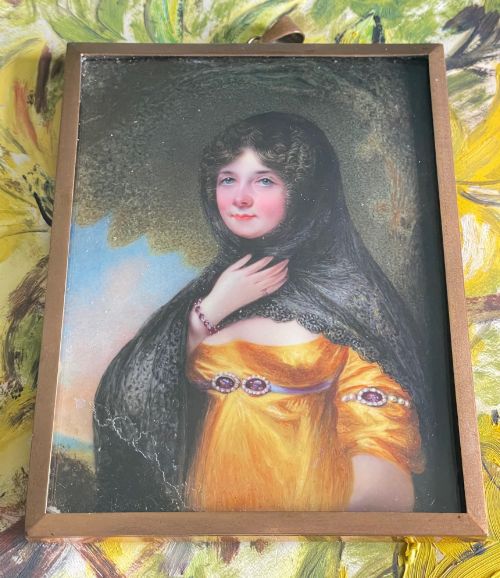
Antique Miniature Portraits
These antique miniature portraits capture families and children in watercolor, pastel, and paper silhouettes, offering an intimate glimpse into the past.
Understanding antique miniature portraits
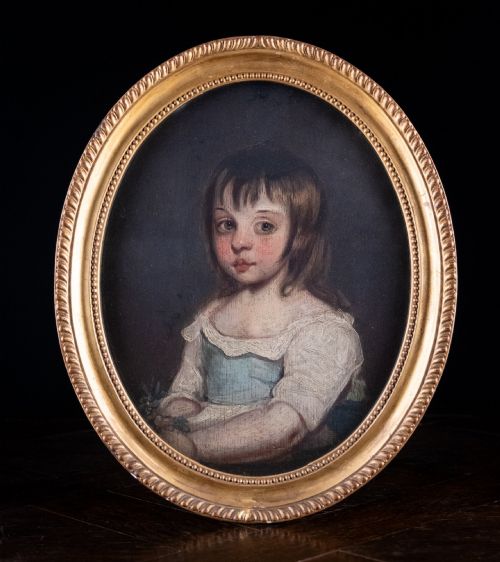
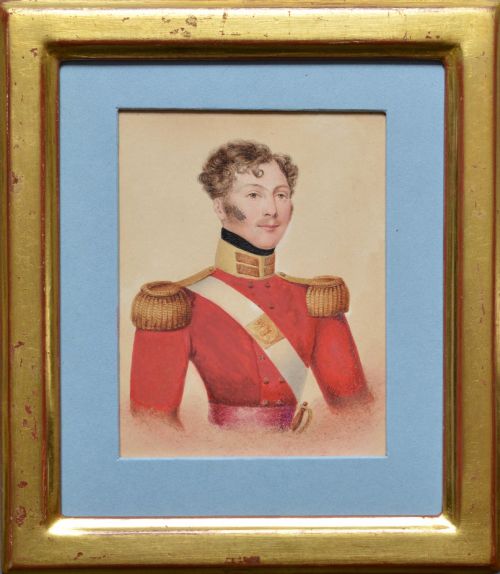
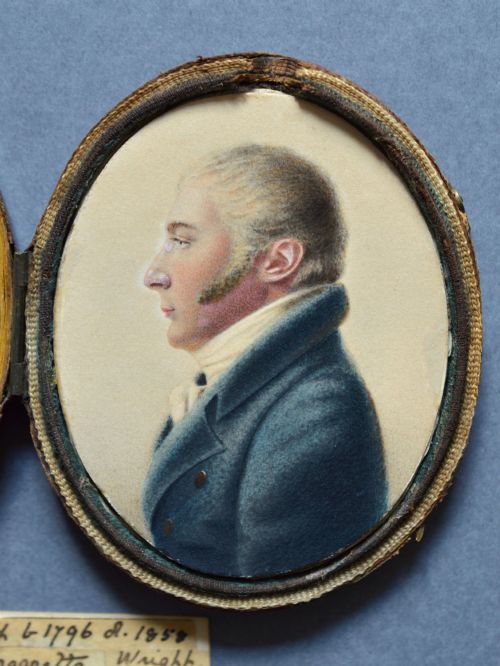
When you search for antique miniature portraits, you are looking at small-scale likenesses of individuals created during the eighteenth and nineteenth centuries. These portable works serve as historical records of faces from the Georgian, Regency, and American folk art traditions.
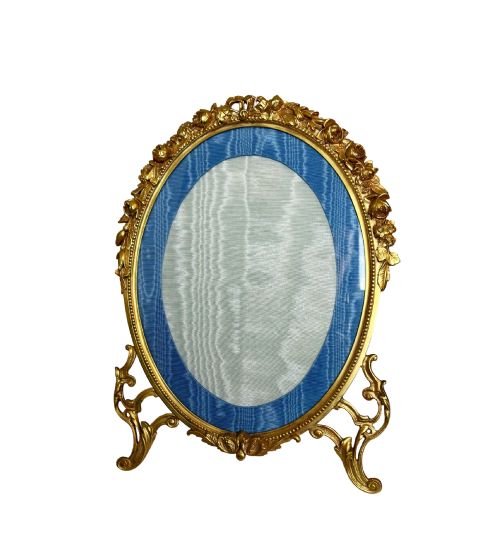
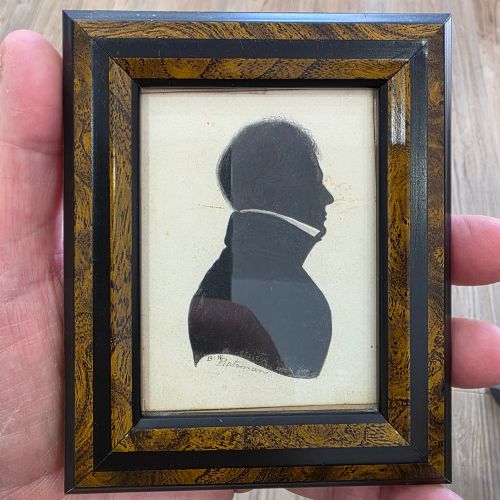
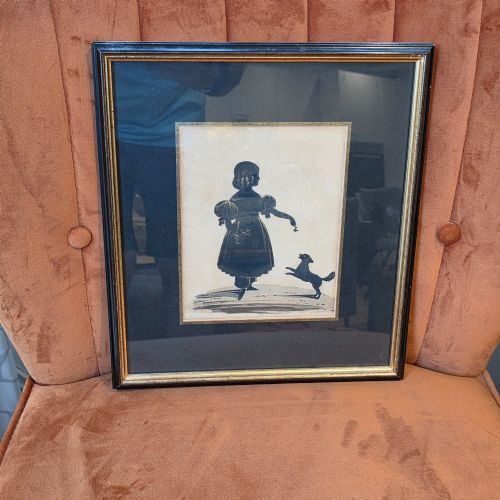
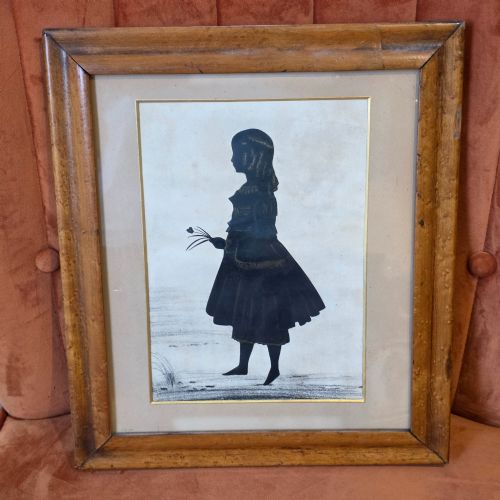
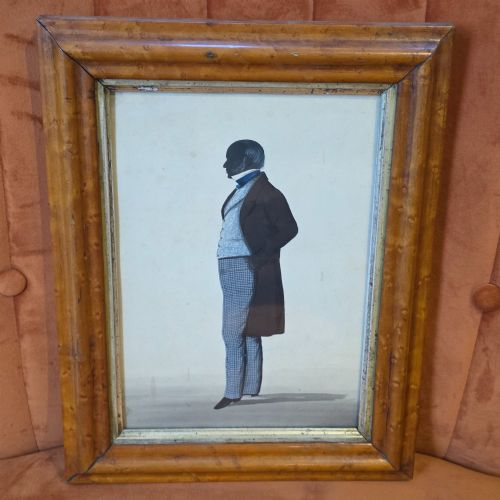
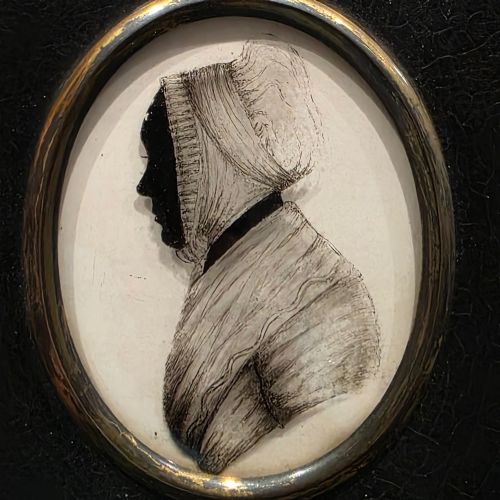
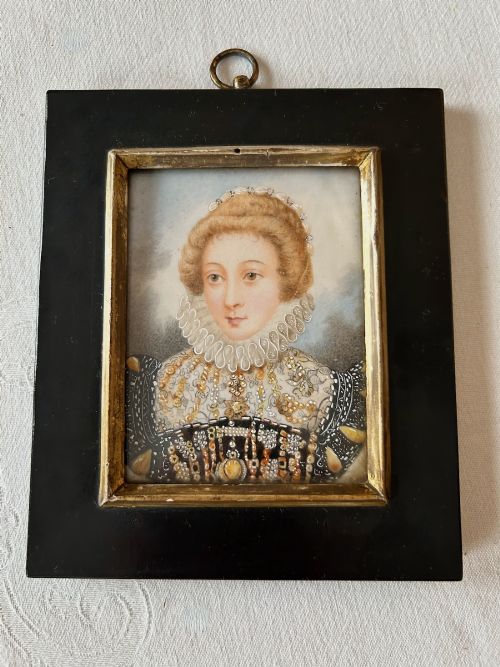
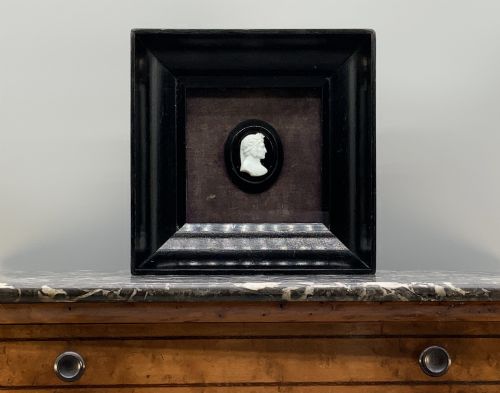
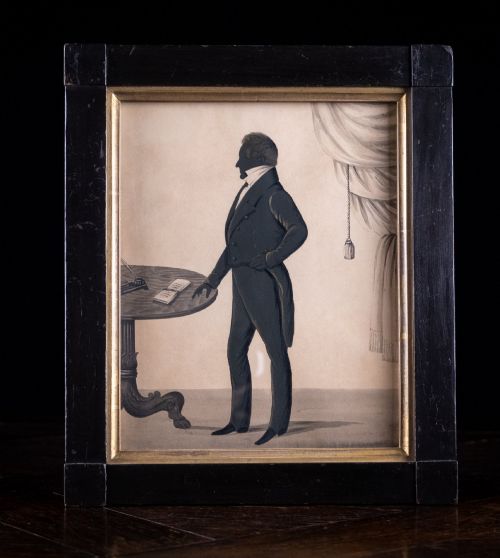
The pieces on this page appear as pairs and small groups, often depicting children or family members. Formats include delicate watercolours, pastels, and hand-cut paper silhouettes housed within wooden and giltwood frames.
Makers and schools represented range from named figures such as James Sharples to regional American folk art workshops. The variety spans simple paper silhouettes to finely detailed painted studies framed with glass and gold leaf.
Materials and construction
Protective framing involves glass, gold leaf, and various woods including burr walnut and giltwood. These materials protect the delicate painted and paper surfaces while providing a polished presentation.
Retail Price Guide 2026
Typical UK retail prices for miniature portraits, calculated from the Sellingantiques database of over a million retail prices indexed since 2003. This retail price guide relies exclusively on Sellingantiques data; no external sources or auction records are used, so the figures do not describe the wider market.
One family group comes with Jane Austen interest, adding a literary whisper to the painted children of the Georgian era.
Judging quality in miniature portraits
Quality reveals itself in the precision of the draughtsmanship and the psychological depth captured in the subject's expression. Finer works display meticulous brushwork in watercolours and pastels, whereas simpler pieces rely on basic outlines.
The condition and originality of the surrounding frame, glass, and backing materials also separate standard items from superior examples. Intact period mountings with gold leaf and burr walnut enhance the integrity of the piece.
James Sharples
The Antique Miniature Portraits Glossary
- Portrait Miniature
- A small-scale painting or likeness, typically executed on paper during the Georgian and nineteenth-century periods. These portable objects allowed people to carry likenesses of family members.
- Silhouette
- A portrait profile cut from paper or painted in solid dark colours, popular in the nineteenth century. Hand-cut paper versions demonstrate the precision of the maker's hand.
- Giltwood
- Wood carved and treated with a thin layer of gold leaf, frequently used for framing these small works. This material adds brightness and a decorative finish to the miniature.
- Burr Walnut
- A wood harvested from the burl growth of a walnut tree, valued for its swirling grain patterns. It often appears in the construction of period frames.
Frequently Asked Questions
What periods do these miniature portraits come from?
The pieces span the eighteenth and nineteenth centuries, encompassing the Georgian and Regency eras as well as American folk art traditions. Dating relies on stylistic cues and the materials utilised in the portraits and frames.
Most examples reflect the artistic conventions of the 18th Century and 19th Century, showing shifts from formal painted studies to folk silhouettes.
How were these miniature portraits displayed?
Owners typically hung these small works in domestic settings, often grouping family members together on walls in pairs or sets. Their compact size made them suitable for intimate spaces within the home.
Protective enclosures featuring glass, wood, and gold leaf allowed the delicate paper and watercolour surfaces to remain visible while staying safe from handling.
What materials make up these frames?
Frames utilise woods such as burr walnut and giltwood, often incorporating gold leaf highlights to accentuate the small artwork within. Glass covers the front of the paper, watercolour, or pastel portraits.
These materials match the construction standards of the Georgian and nineteenth-century periods, keeping the fragile media secure.
Are these portraits usually found alone?
Many examples on this page appear as pairs or small family groupings rather than isolated single portraits. This reflects the original commissioning practices of parents recording children or couples.
Sets of watercolours and silhouette pairs provide a collective record of family units from the past.