
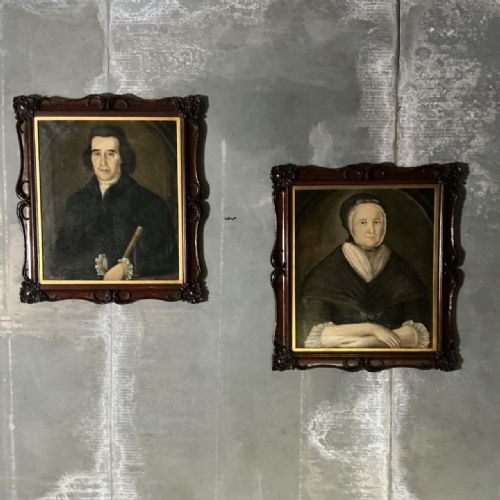
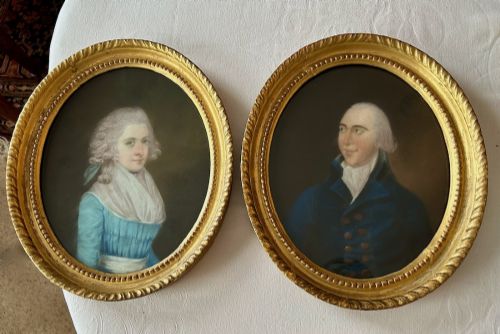
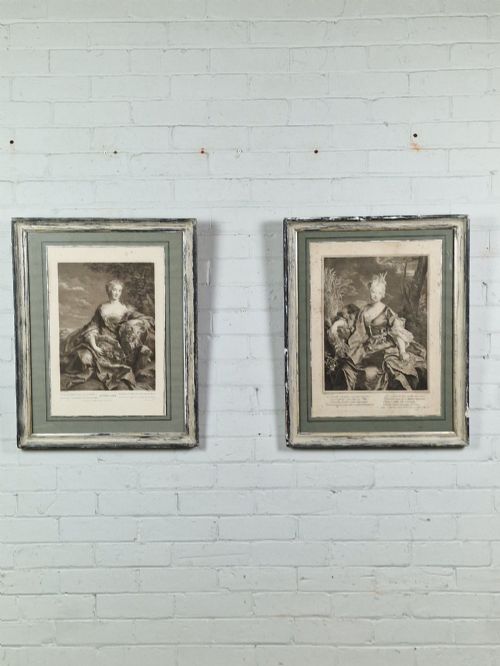
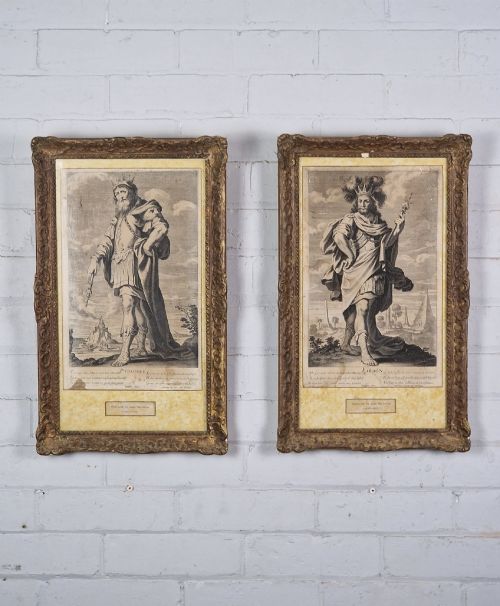


Antique Portrait Pair
An antique portrait pair brings dual likenesses together, capturing sitters in oil, watercolour, or graphite within period frames.
What an antique portrait pair is
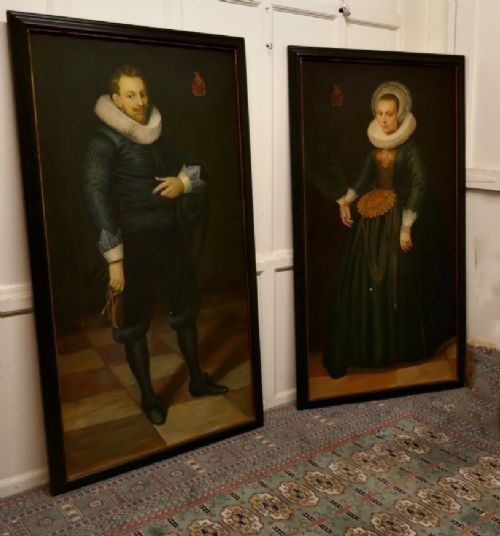
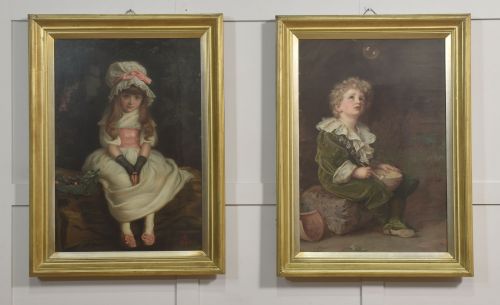
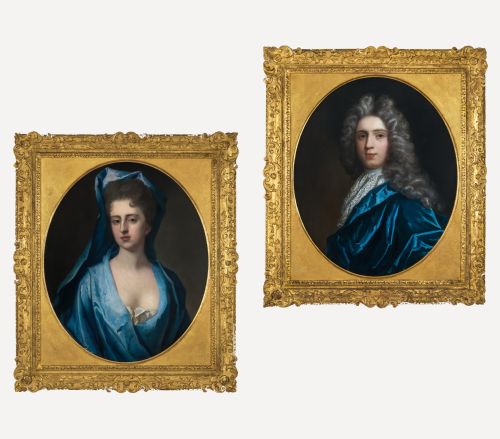
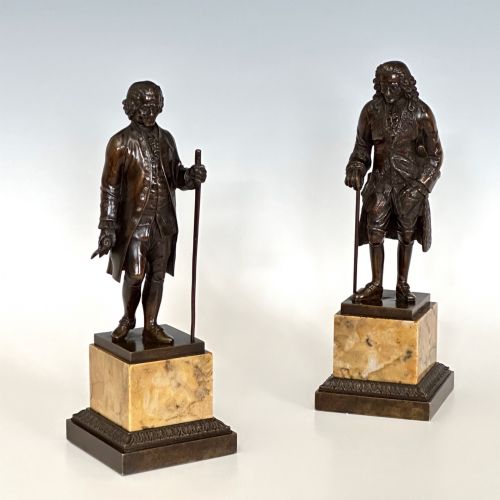
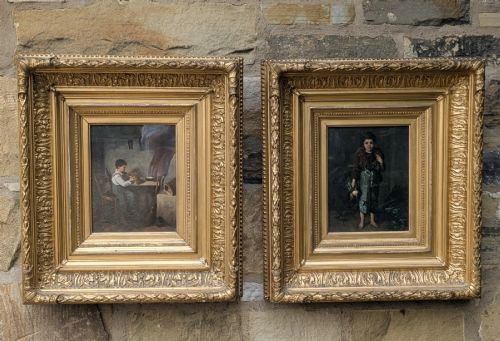
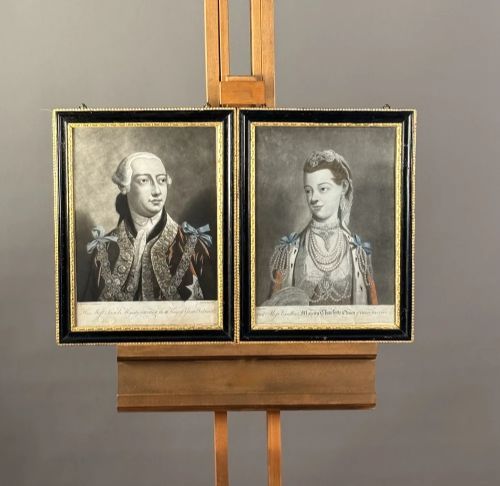
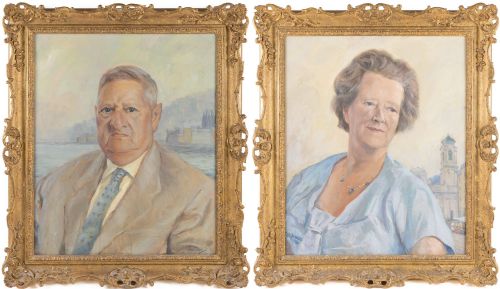
An antique portrait pair brings together two matching likenesses, often husband and wife, companion sitters, or paired subjects. These works span the eighteenth and nineteenth centuries, taking the form of oil paintings on canvas and board, watercolours, graphite drawings, silhouettes, pastels, and miniature paintings.
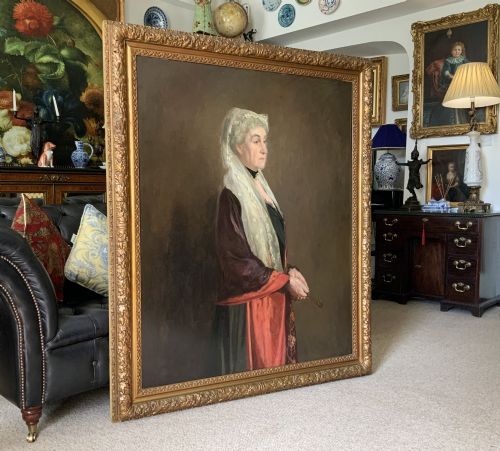
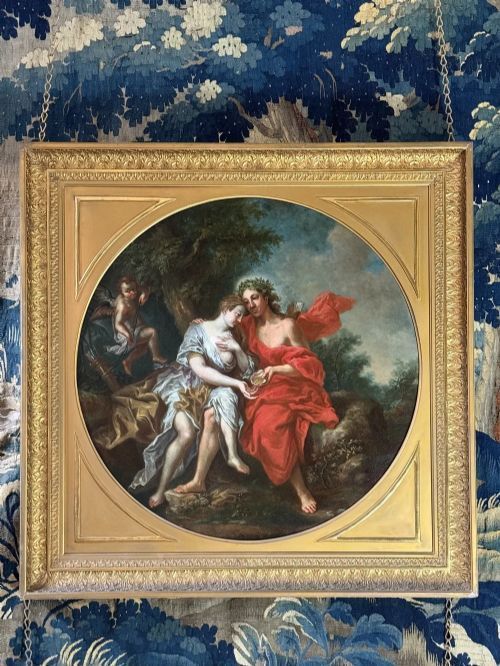
The pieces on this page reflect diverse origins, including English, French, German, Austrian, and Indian schools, alongside Staffordshire pottery figures. Buyers encounter everything from large oil paintings in ornate frames to delicate watercolours and miniatures behind glass.
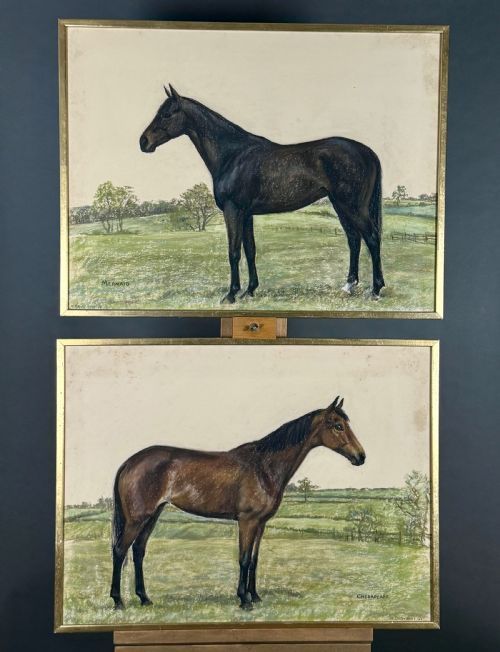
Companion pieces frequently share the same hand, medium, and framing, designed to hang symmetrically on either side of a mantelpiece or doorway. The pairings range from formal portraits of ladies and gentlemen to children, historical figures, artists, horses, dogs, and royal subjects.
Materials and technique
Artists painted these works using oil paint on canvas or wooden board, and watercolours or graphite on paper. Some pieces utilise pastel and gouache, whilst others take the form of detailed miniatures and silhouettes.
Frames play a vital role in the construction of these pieces, utilising wood, gesso, and gold leaf, alongside distinctive birdseye maple and Florentine frames. Glazing protects works on paper and miniatures behind glass, preserving the delicate mediums over centuries.
Retail Price Guide 2026
Typical UK retail prices for portrait pair, calculated from the Sellingantiques database of over a million retail prices indexed since 2003. This retail price guide relies exclusively on Sellingantiques data; no external sources or auction records are used, so the figures do not describe the wider market.
Prince Albert and Queen Victoria may be absent, but the Royal family still makes an appearance through Staffordshire goats.
What separates the best from the rest
Quality rests upon the skill of the draughtsman or painter in capturing likeness, expression, and anatomy. Finer works display confident brushwork or precise pencil lines that give depth and character to the sitters.
C Harrison·David Martin·Johann Paul Georg Fischer·Richard Wilkinson·Patrick Wybrant·Carl August Gosch
The Antique Portrait Pair Glossary
- Companion portraits
- Two separate pictures executed as a matching set, sharing a common subject, artist, period, and framing format.
- Miniature painting
- A small-scale portrait executed with immense detail, often housed behind glass in a wooden or brass frame.
- Gesso
- A plaster-like mixture applied to wooden frames before gilding with gold leaf, providing a smooth base for moulding and ornamentation.
- Birdseye maple
- A figured timber exhibiting small, circular eye patterns in the grain, frequently utilised for nineteenth-century frames.
Frequently Asked Questions
How were portrait pairs displayed originally?
These works hung symmetrically in domestic interiors, often flanking a fireplace, mirror, or doorway to balance the room's proportions.
Sitters were positioned facing inward towards one another, creating a visual dialogue between the two frames.
Are these portraits always painted in oil?
Whilst oil on canvas or board forms a large group, many examples utilise watercolour, graphite, pastel, gouache, or silhouette.
Miniatures on ivory, paper, or vellum also appear alongside three-dimensional pottery figures.
How do I date an antique portrait?
Clothing, hairstyles, and framing styles offer the clearest visual indicators for dating a portrait pair to a specific century or decade.
Signatures, artist attributions, and inscriptions on the reverse of the canvas or frame also help establish chronology.
What subjects besides people appear in pairs?
Companion pieces frequently depict animals, including horses in English landscapes and specific dog breeds.
Royal figures, historical personages, and self-portraits of notable painters also form distinct categories within the tradition.