

Antique Miniature Desk
An antique miniature desk or small writing accessory brings the scale and craftsmanship of full-sized furniture into a compact tabletop format.
Antique Miniature Desk
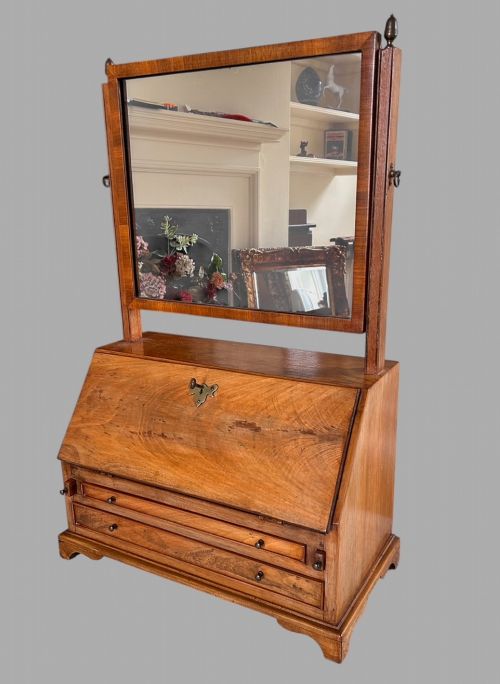
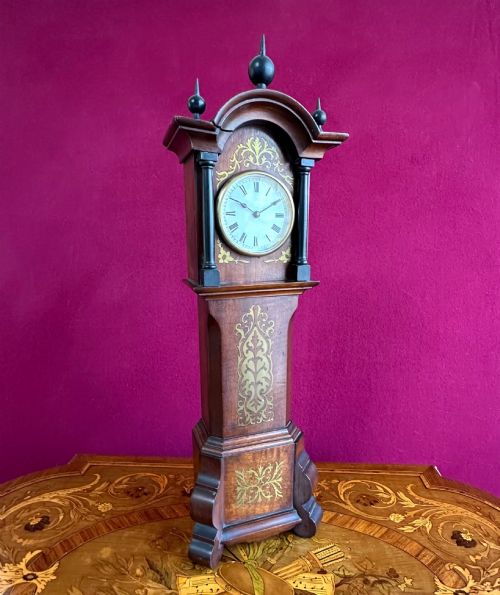
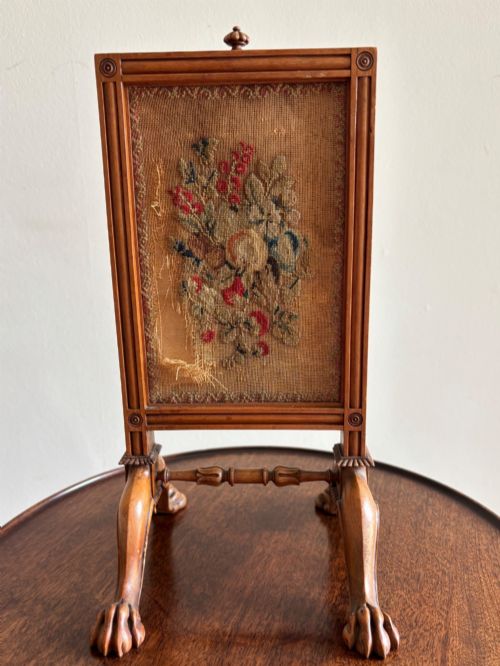
When searching for an antique miniature desk, collectors encounter a diverse group of small-scale writing furniture, bureau fitments, table-top chests, and related writing accessories. The selection spans pieces from the Georgian, Victorian, and Edwardian periods, alongside items dating through the 1920s and 1930s.
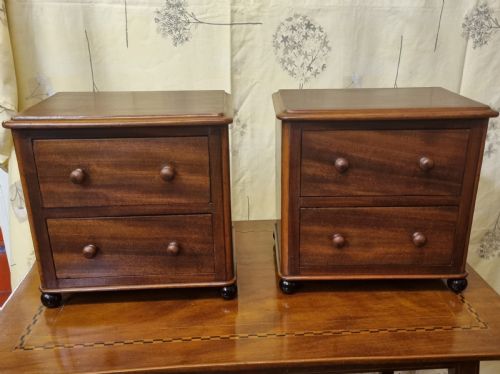
The most common forms on this page include miniature chests of drawers, table-top bureaus, miniature writing slopes, and compact dressing mirrors with bureau fitments. These items reflect the domestic workspaces and travelling needs of past centuries.
Originating from English, French, and Austrian workshops, these small works range from practical apprentice pieces and furniture samples to luxury novelty items designed for wealthy households.
How they were made
Cabinetmakers utilised traditional timber varieties including mahogany, satinwood, oak, walnut, and pine, frequently applying French polish or staining to achieve a refined finish on reduced scales. Many pieces incorporate specialised joinery techniques identical to those used in full-sized furniture.
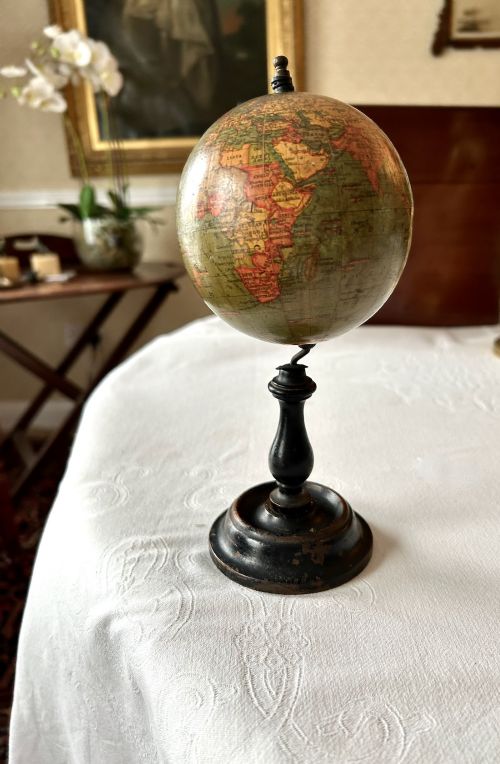
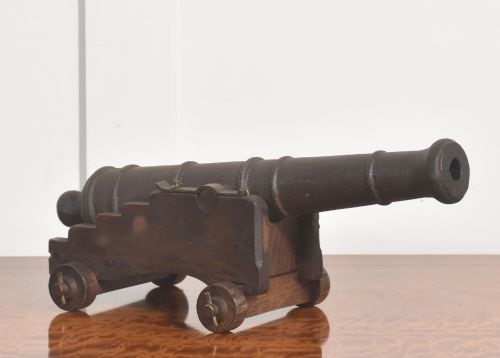
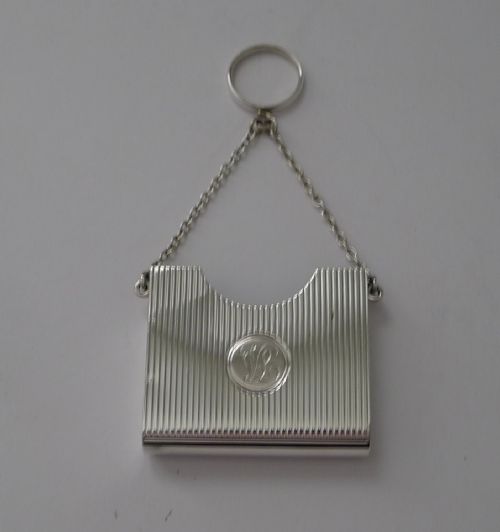
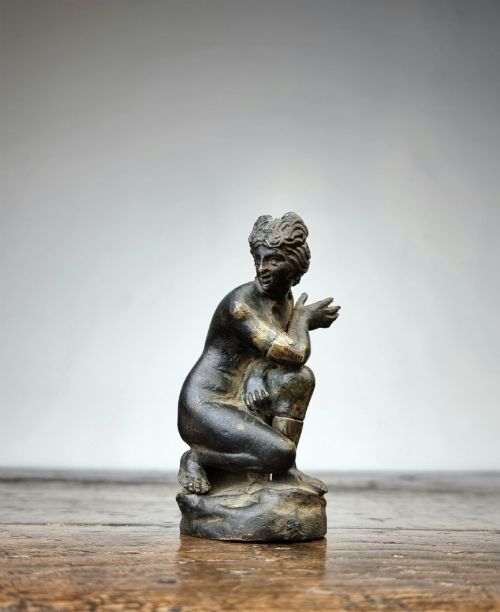
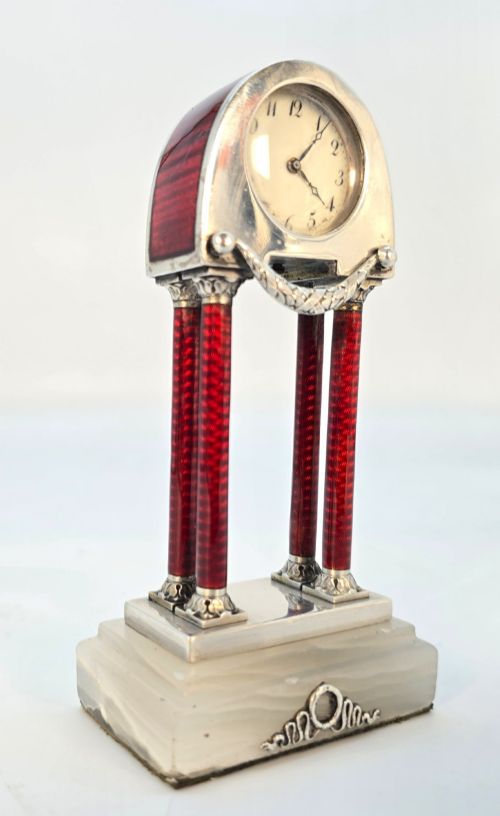
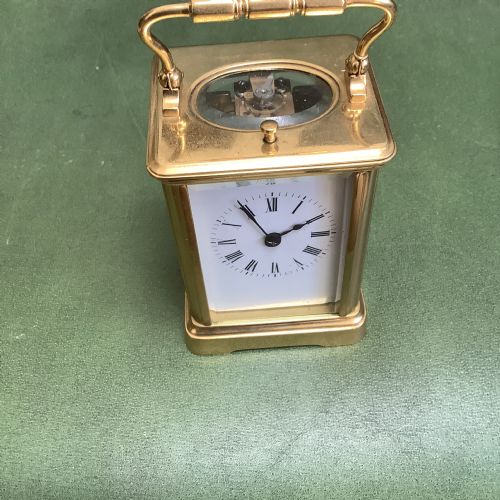
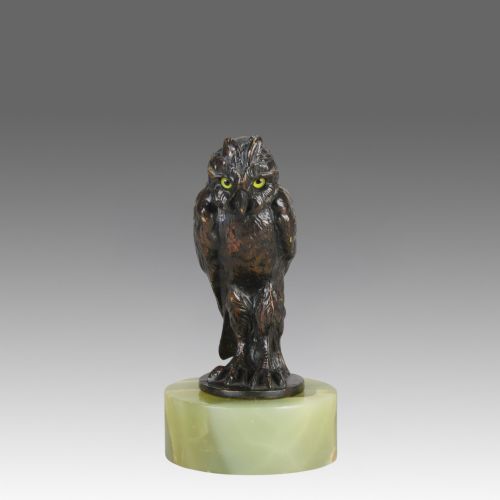
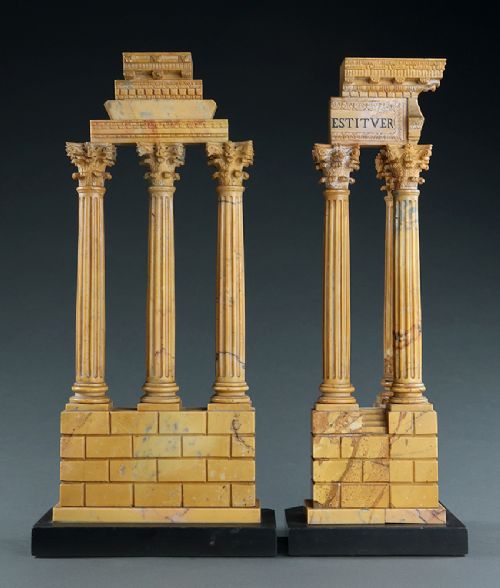
Metal components often feature cast or gilt brass, solid sterling silver, and cold-painted bronze, particularly in carriage clocks, desk ornaments, and miniature boxes. Materials such as Siena marble, glass, enamel, and paper are also employed for globes, decorative caskets, and portico clocks.
The listings show desk accessories and miniature furniture in materials ranging from mahogany and oak to bronze, brass, and glass across the Victorian and Edwardian eras.
What varies in quality
Quality rests upon the fidelity of the reduction and the precision of the miniature joinery, where the best examples maintain correct proportions and operational drawers rather than crude block forms. Finer items exhibit superior timber selection, such as figured walnut or matched satinwood veneers, alongside crisp carving and original brass fittings.
The distinction between ordinary cabinet work and high-end novelty or apprentice pieces lies in the finishing details, such as fully engraved gilt brass cases, hand-painted enamel elements, or intricate internal stationery compartments.
Sampson Mordan·Mappin and Webb·Georg Adam Scheid
The Antique Miniature Desk Glossary
- Apprentice piece
- A small item demonstrating a craftsman's skill to qualify for guild membership. These pieces show master-level execution on a reduced scale.
- Bureau fitment
- A small internal arrangement of pigeonholes and miniature drawers fitted into a desk or table mirror. It provides compact storage for correspondence and writing materials.
- Writing slope
- A portable box with a sloping lid designed for writing letters. When opened, it reveals a writing surface and compartments for ink and pens.
- Cold-painted bronze
- A method of painting bronze figures with non-heat-set paint, popular in Austrian workshops during the late 19th and early 20th centuries. The technique creates realistic polychrome finishes on small animals and figures.
- Satinwood
- A lustrous, yellow-brown timber valued for cabinetwork and decorative veneers. It provides a bright surface on table-top bureaus and dressing mirrors.
Antique Miniature Desk: Frequently Asked Questions
What is an apprentice piece?
An apprentice piece is a small-scale item created by a trainee woodworker to demonstrate mastery of joinery and design before entering a guild. These objects condense full-sized furniture techniques into a compact format.
Collectors value them for their high standard of craftsmanship and accurate proportions, which distinguish them from later mass-produced toys or novelties.
How were miniature desks used?
Miniature desks and writing slopes served practical purposes for letter writing in compact spaces or during travel. Their internal compartments held paper, inkwells, and pens.
Many wealthy households also kept small table cabinets and bureau fitments in parlours or dressing rooms for organising personal correspondence and small valuables.
Are miniature furniture items rare?
Survival rates vary depending on whether the piece served as a child's toy, an apprentice sample, or a bespoke novelty. Items made from fragile timbers or delicate metals often show greater wear.
Examples featuring marked silver, named makers, or specialised materials like Siena marble tend to appear less frequently on the market.
How do I date an antique miniature desk?
Dating relies on identifying the prevailing stylistic period, such as Georgian, Victorian, or Edwardian, through timber choices, brass hardware, and construction methods. Secondary materials like enamel or cast bronze provide additional clues.
Makers' marks, hallmarks on silver mounts, and paper labels inside drawers help narrow the production era to specific decades.