


Antique Miniature Ceramics
Antique miniature ceramics condense entire decorative traditions into diminutive vessels, figures, and tea services that reward close inspection.
Antique Miniature Ceramics
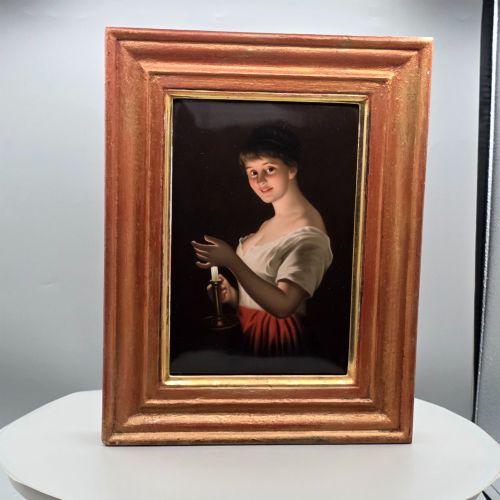
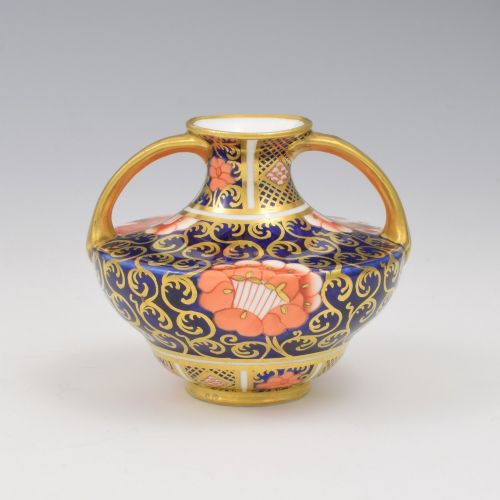
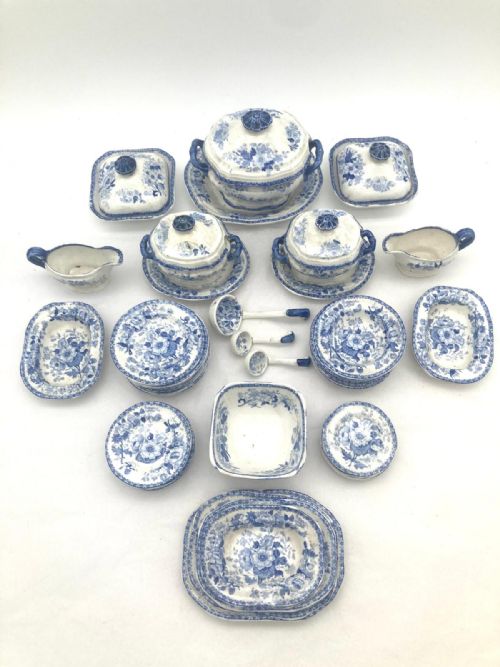
When you search for antique miniature ceramics, you encounter an array of diminutive vessels, figures, and utilitarian forms scaled down for cabinets, dollhouses, or child use. The selection spans domestic porcelain tea services, earthenware jugs, and porcelain plaques alongside Japanese Imari and Satsuma vases.
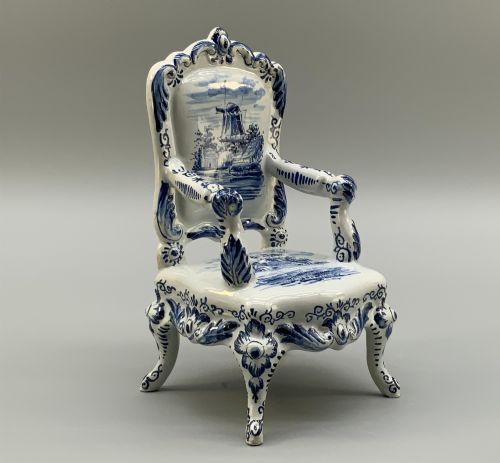
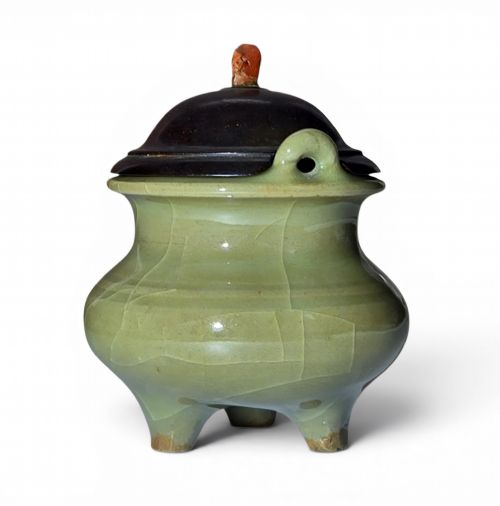
The pieces on this page originate predominantly from the nineteenth century, including Georgian and Victorian examples, alongside Edwardian creations and Meiji period imports. Forms range from miniature armchairs and ewers to incense burners and snuff bottles.
Makers represented include prominent factories such as Wedgwood, Minton, and Royal Crown Derby, sitting alongside specialised Japanese workshops and Dutch Delftware pieces. These smaller objects mirror the major stylistic shifts of their eras, from blue and white transfer printing to hand-painted gilt decoration.
Materials and manufacture
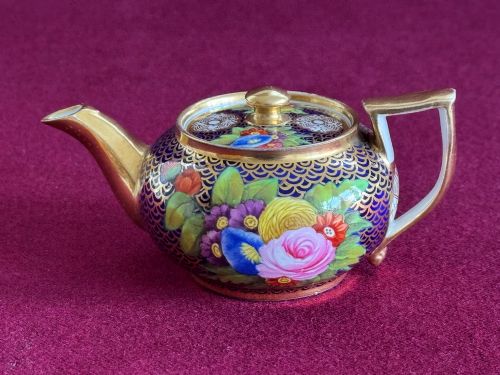
The makers of these pieces utilised fine porcelain, bone china, earthenware, and stoneware, applying glazes and enamels to seal the body before decoration. Many surfaces receive gold leaf or gilt highlights, enhancing the visual weight of forms that often fit within the palm of a hand.
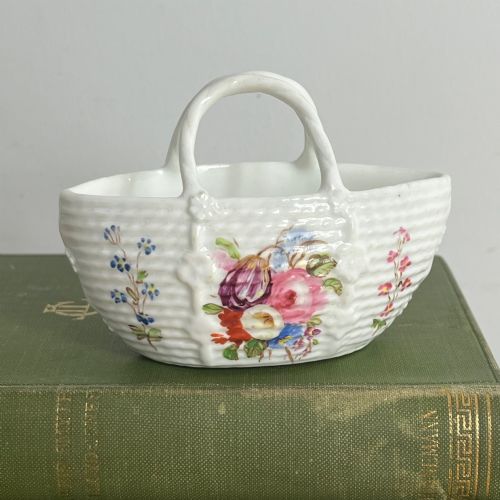
Decoration relied on meticulous hand-painting, transfer printing in blue and white or flow blue, and intricate carving on materials like Satsuma ware and Carrara ware. Firing techniques required precise temperature control in kilns to prevent distortion in pieces scaled down to miniature proportions.
The object forms range from teapots, vases, and ewers to snuff bottles, wall plaques, miniature armchairs, and complete tea services.
Assessing quality and execution
Quality in these diminutive objects rests upon the precision of the hand-painting and the crispness of the moulded form, where small scale offers nowhere for clumsy brushwork to hide. Pieces featuring signed artist marks or output from distinguished potteries demonstrate superior execution.
The depth and brilliance of the glaze, the adherence of gold leaf, and the complexity of multi-figure scenes separate standard production wares from exceptional cabinet pieces. Preservation of the original enamel colours without rubbing indicates careful handling over generations.
Flight Barr And Barr·Moorcroft·Royal Crown Derby·Copeland·Minton·Masons·Crown Staffordshire·Doulton Lambeth·Wedgwood
The Antique Miniature Ceramics Glossary
- Flow blue
- A cobalt blue transfer printing style that intentionally blurred during firing to create a rich, hazy halo effect around the design. This technique proved particularly popular on nineteenth-century child services and dinnerware.
- Imari
- A style of Japanese export porcelain characterised by underglaze blue and overglaze red, gold, and other colours. These decorative patterns often feature intricate floral and panel designs.
- Satsuma ware
- A type of Japanese earthenware featuring a pale, ivory-coloured, crackled glaze that serves as a canvas for elaborate polychrome and gilt enamel decorations. Kyoto workshops produced many of the finest miniature examples.
- Prattware
- A type of fine earthenware associated with multi-coloured underglaze printing, frequently depicting historical figures or pastoral scenes. It dates predominantly to the late eighteenth and nineteenth centuries.
- Jasperware
- A type of stoneware developed by Wedgwood, famous for its matte surface and contrasting white relief figures applied against a coloured ground. Blue remains the most recognizable background shade for these miniature items.
Antique Miniature Ceramics: Frequently Asked Questions
What were miniature ceramics used for?
Many miniature ceramics served as cabinet pieces or decorative ornaments for display in drawing rooms and collector displays. Others functioned as child tea services, teaching domestic manners or serving as toys for youngsters.
Some specialised items, such as snuff bottles and scent containers, held personal substances. Miniature furniture and ewers demonstrated the technical skill of the potter or decorator.
How can I tell nineteenth century pieces apart?
Nineteenth-century pieces often display factory marks, registration numbers, or specific pattern ciphers stamped or painted on the base. Stylistic shifts from Georgian elegance to Victorian ornamentation and late-century Aesthetic or Art Nouveau influences help narrow down the date.
Transfer-printed blue and white wares evolved through distinct techniques like flow blue around mid-century. Japanese imports from the Meiji period carry characteristic signatures and distinct Satsuma or Imari palettes.
Are miniature ceramics different from dollhouse items?
While some nineteenth-century child services and miniature furniture pieces crossed over into play use, many high-end miniatures were strictly cabinet specimens for adult collectors. Factories like Wedgwood and Worcester produced miniature tea sets and vases to showcase their technical virtuosity rather than as children toys.
Objects like portrait plaques, scent bottles, and Satsuma vases were intended entirely for decorative display by connoisseurs.