


Victorian Flow Blue
Victorian flow blue pieces are defined by a blurred, bleeding cobalt glaze over earthenware and porcelain, prized for rich indigo tones.
Victorian Flow Blue
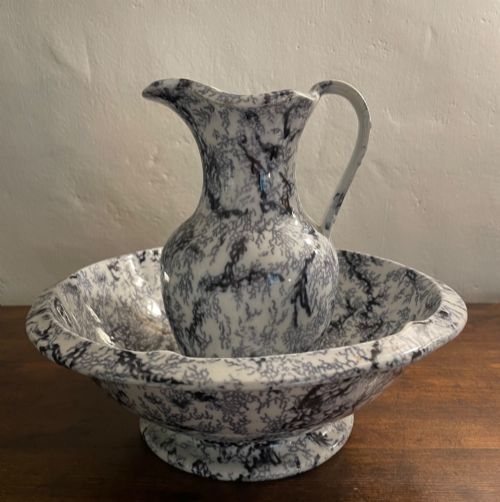
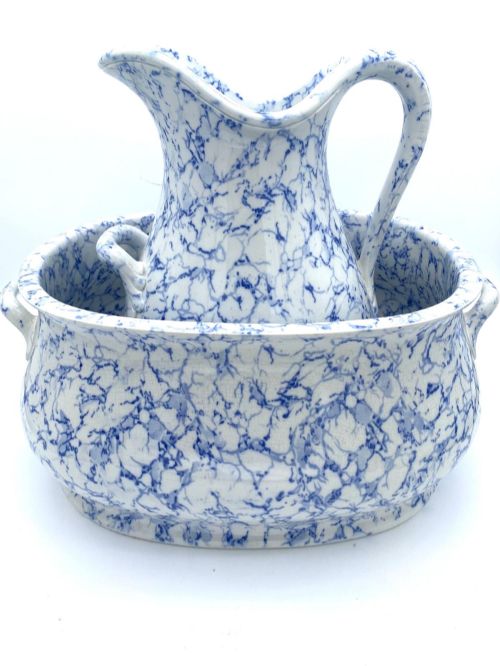
When you search for victorian flow blue, you encounter items created during the nineteenth century featuring a distinctive cobalt glaze that intentionally bled during firing. These wares range from large utilitarian wash sets and footbaths to delicate child's tea services and meat platters.
The aesthetic movement and rococo revival heavily influenced these ceramics, producing pieces adorned with patterns that merge Oriental motifs with British Victorian tastes. You are most likely to meet pitchers, jugs, and decorative bowls spanning the nineteenth century.
Makers such as Minton, Copeland, and Doulton produced these glazed ceramic items, employing methods that allowed the cobalt blue to diffuse softly into the white background. This blurred outline creates the characteristic smoky depth that collectors recognise instantly.
How they were made
Potters applied cobalt oxide decorations onto earthenware or porcelain bodies before firing, introducing lime or chloride gas into the kiln to vaporise the pigment. This chemical reaction caused the blue colour to spread and blur outward into the surrounding white glaze.
Many finer examples received additional embellishments after the initial glaze firing, incorporating gilding or silver plate details to highlight raised relief work. The resulting ceramic combined industrial potting techniques with hand-finished decorative touches.
Victorian children enjoyed miniature tea sets decorated in running cobalt blue, designed to teach table manners through tiny cups and saucers.
What varies in quality
The crispness of the underlying transfer print before the intentional blur determines the artistic merit of a piece. Finer examples retain architectural or floral definition beneath the indigo haze rather than dissolving into an unrecognisable wash of colour.
Weight, thickness of the earthenware, and the application of gilding separate utilitarian domestic vessels from cabinet pieces. Superior items exhibit balanced proportions and even glaze pooling without dry patches on the ceramic body.
Minton·Copeland·Doulton Burslem·Doulton Lambeth·Carlton Ware·Moorcroft Macintyre
The Victorian Flow Blue Glossary
- Flow blue
- A nineteenth-century ceramic glazing technique where cobalt oxide blurred during firing to create a soft, smudged indigo effect. This chemical spread was deliberately induced by adding lime or chemicals to the kiln atmosphere.
- Earthenware
- A porous ceramic body fired at lower temperatures than porcelain and typically glazed to ensure it held liquids. Most domestic Victorian tablewares and wash sets utilised this robust material.
- Cobalt glaze
- The deep blue metallic oxide pigment used to decorate ceramic wares before the secondary glazing and firing process. It withstood high kiln temperatures without losing its intense hue.
- Gilding
- The application of gold leaf or gold paint to ceramic edges, handles, and relief patterns. This decorative finish added a layer of refinement to Victorian meat platters and tea services.
Victorian Flow Blue: Frequently Asked Questions
How do I clean flow blue ceramics?
Wash these pieces gently in warm water using a mild, non-abrasive detergent and a soft cloth. Avoid harsh scrubbing or dishwashers, which can damage delicate surface gilding and fragile earthenware.
Dry them immediately with a lint-free towel to protect the glaze and any historic repairs. Careful handling preserves the integrity of the nineteenth-century ceramic body.
Can I use these antique pieces daily?
Most nineteenth-century earthenware and glazed ceramic items are porous and susceptible to staining from modern foods and liquids. Displaying them safely prevents accidental chips and crazing to the historic glaze.
While robust enough for their original domestic purposes, age makes them better suited for decorative display or light service. Treat them with the care due to fragile antiques.
What caused the blue colour to blur?
Potters introduced lime or calcium chloride into the kiln atmosphere during the high-temperature firing process. The vapours reacted with the cobalt pigment, causing the edges of the transfer-printed design to bleed into the surrounding white glaze.
This controlled accident created the characteristic smoky depth valued by collectors today. Variations in kiln temperature resulted in differing degrees of spread across individual items.
How do I identify Victorian pieces?
Examine the base for maker marks, registration diamonds, or impressed factory stamps typical of nineteenth-century production. Stylistic cues such as aesthetic movement motifs and rococo revival moulding also point to this era.
The weight of the earthenware and the specific characteristics of the cobalt glaze help distinguish them from later twentieth-century reproductions. Comparing pieces against documented maker patterns confirms their age.