


Antique Miniature Casket
An antique miniature casket is a small, portable repository for jewels and trinkets, prized for its intricate craftsmanship and enduring charm.
Antique Miniature Casket
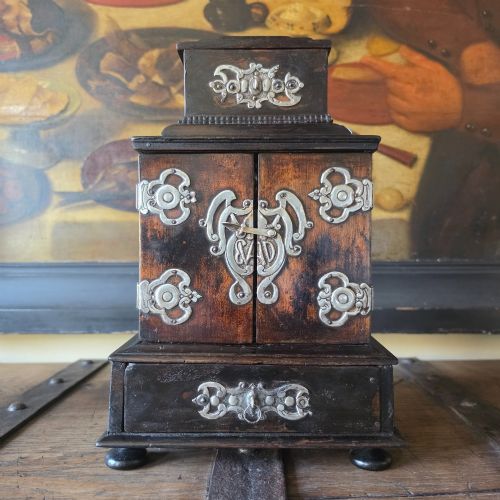
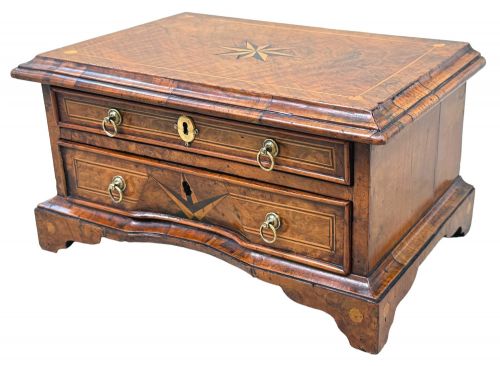
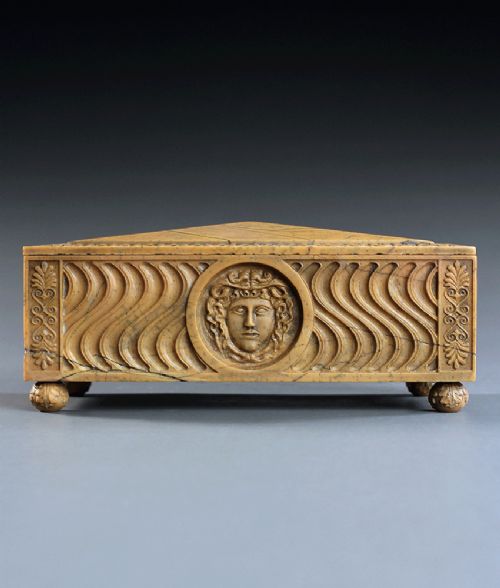
The forms vary widely across the selection, including jewellery chests, sarcophagus caskets, table cabinets, and miniature chests of drawers. Originating from various regions such as Britain, France, Russia, and the Netherlands, these objects reflect the domestic tastes and storage needs of past eras.
How They Were Made
The construction of an antique miniature casket relies heavily on fine woods and durable metals. Craftsmen utilised walnut, burr walnut, ebony, fruitwood, and rosewood, frequently incorporating intricate inlays of mother-of-pearl or delicate carvings.
Metalwork and decorative arts also play a central role, featuring cast brass, gilt bronze, and sterling silver combined with enamel, glass, porcelain, and Siena marble panels. Certain pieces incorporate hand-painted miniatures or papier-mâché to enrich the exterior surface.
Some nineteenth-century caskets take the whimsical shape of a miniature horse-drawn carriage complete with opaline glass eggs.
What Varies in Quality
Quality in an antique miniature casket is determined by the precision of the joinery and the selection of materials. Superior examples display carefully matched wood grains, such as burr walnut, alongside finely cast metal mounts and well-fitted interior linings.
The level of artistic execution on decorative elements, such as hand-painted enamel plaques, miniature portraits, or intricate metal filigree, distinguishes exceptional pieces from standard production. The integrity of structural details, including functioning hinges, locks, and fitted drawers, further indicates the standard of the maker's workshop.
Asprey
The Antique Miniature Casket Glossary
- Sarcophagus casket
- A small container shaped like a traditional sarcophagus, often featuring sloping lids and resting on bracket feet. These are frequently executed in stone or fine woods.
- Table cabinet
- A miniature piece of case furniture designed to sit on a desk or table, containing multiple internal drawers behind locking doors. They provide secure storage for documents or valuables.
- Papier-mâché
- A composite material made from paper pulp or layers of paper bound with glue, then moulded and painted. It offers a smooth surface suited for detailed miniature artwork.
- Grand Tour
- A nineteenth-century practice where wealthy travellers collected souvenirs such as marble or bronze caskets while visiting cultural sites across Europe.
- Palais Royal
- A style associated with nineteenth-century French novelty items and luxury goods sold in Paris shopping arcades, often featuring opaline glass or gilt brass.
Antique Miniature Casket: Frequently Asked Questions
What were antique miniature caskets used for?
These small containers were primarily utilised by owners to store valuable jewellery, trinkets, and personal keepsakes. They sat on dressing tables, desks, or mantelpieces within domestic interiors.
Over time, many functioned as portable receptacles for travelling, holding items securely while away from home. Their compact size made them both practical accessories and decorative objects.
How do I date an antique miniature casket?
Dating relies on examining the materials, construction techniques, and stylistic markers present in the piece. Seventeenth-century examples often feature heavy ebony and structured table cabinet forms, whereas Victorian versions incorporate walnut and elaborate cast mounts.
Marks, hallmarks on silver elements, and specific decorative movements like Neoclassical or Edwardian provide further chronological clues. Comparing the hardware and joinery helps confirm the period of manufacture.
Are all miniature caskets made of wood?
Materials vary extensively across different regions and periods of production. While walnut, ebony, and fruitwood appear frequently, many examples utilise metals such as sterling silver, gilt bronze, and brass.
Additional substances include enamel, porcelain, Siena marble, glass, and papier-mâché. Makers often combined these mediums to achieve distinctive decorative effects.
How should I care for a wooden miniature casket?
Wooden caskets benefit from stable environmental conditions away from direct sunlight and excessive humidity. Regular, gentle dusting with a soft, dry cloth preserves the polished finish of the timber.
Avoiding harsh chemical cleaners protects delicate inlays, metal mounts, and older varnishes. Periodically checking hinges and locks ensures the mechanical components remain functional.