
Antique Miniature Box
When you handle an antique miniature box, you hold a pocket-sized container fashioned with the same care as its full-sized counterpart.
Antique Miniature Box
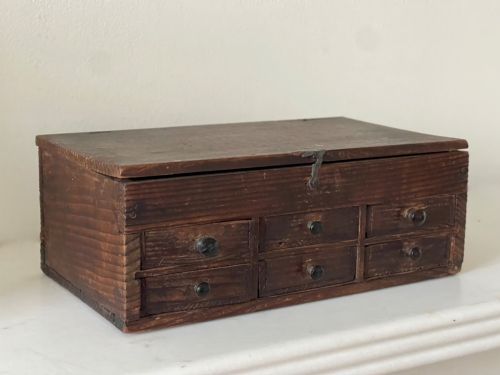
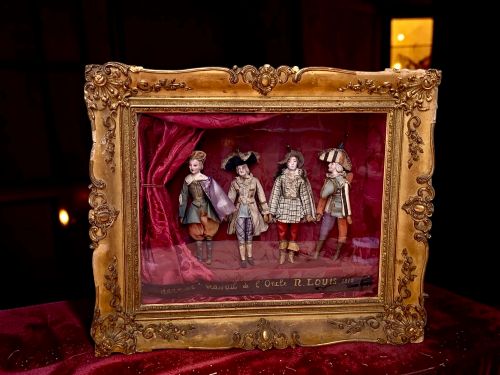
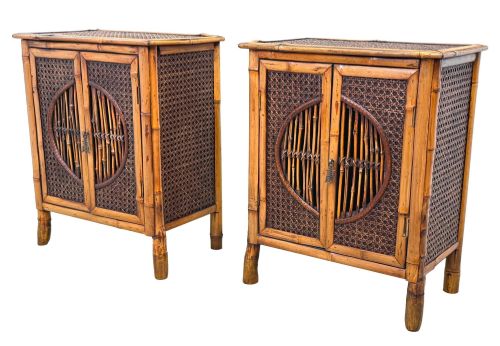
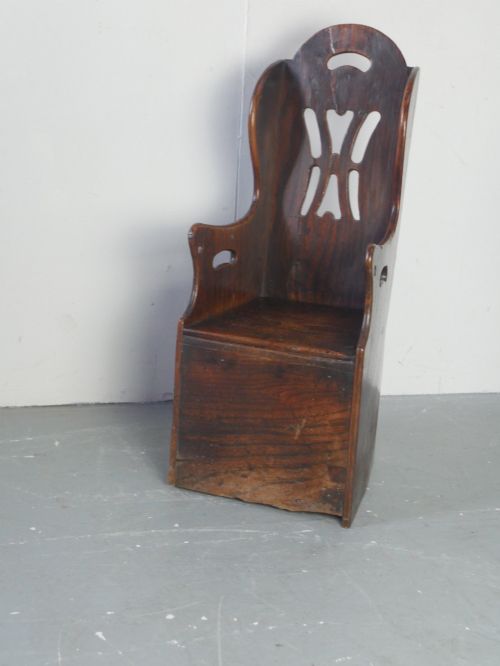
An antique miniature box encompasses small-scale chests, coffers, cabinets, and tabletop containers spanning the eighteenth, nineteenth, and early twentieth centuries. These diminutive pieces serve various domestic purposes, from holding trinkets and jewellery to functioning as apprentice pieces.
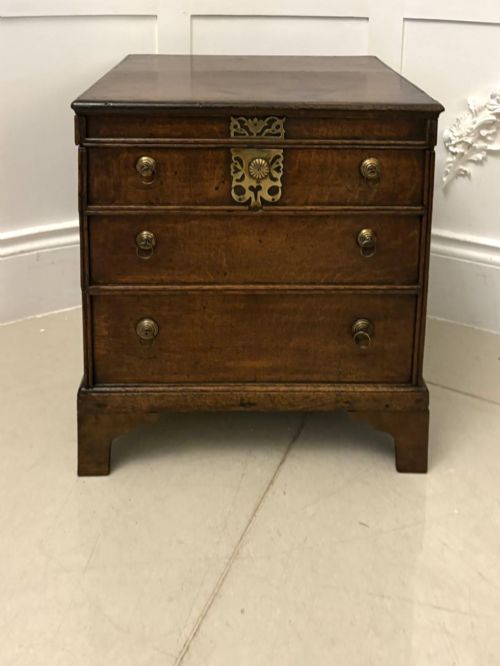
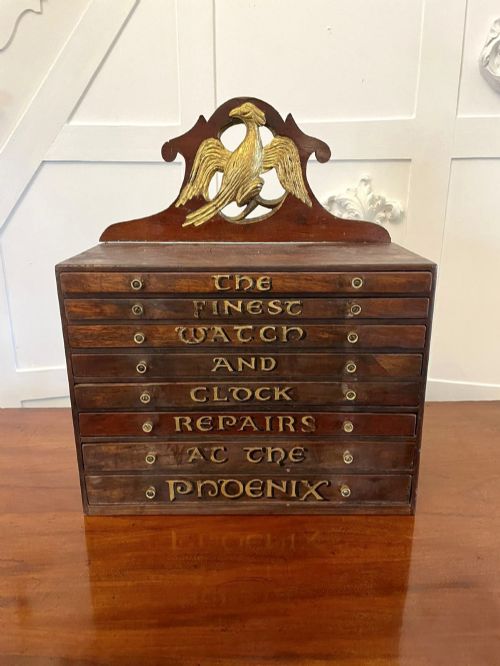
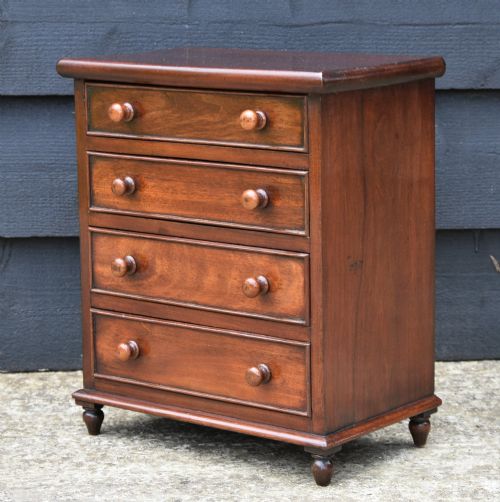
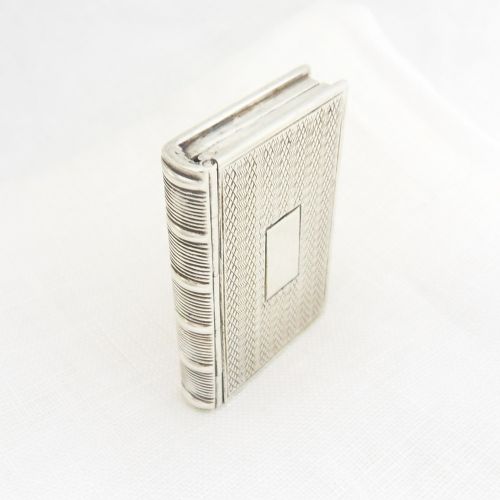
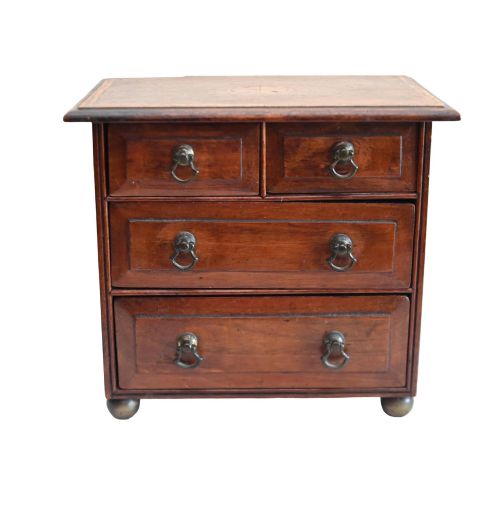
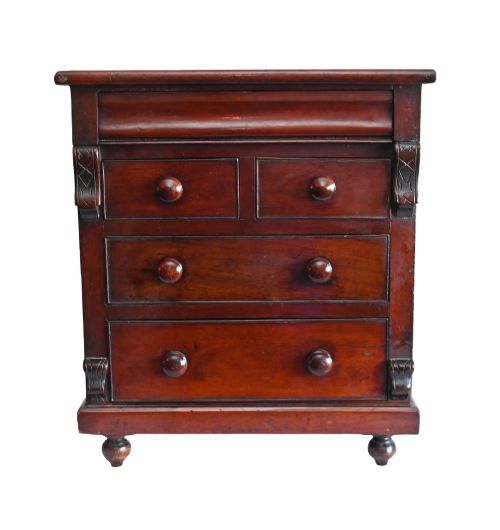
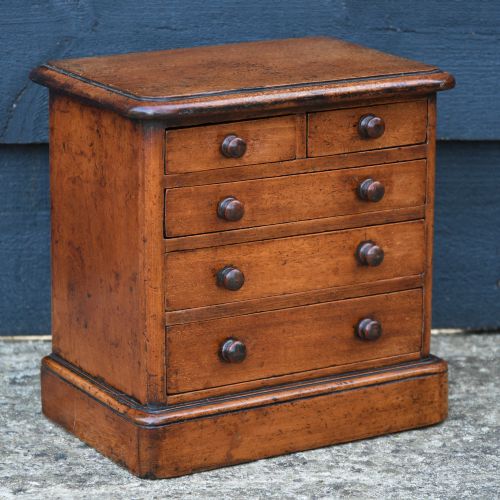
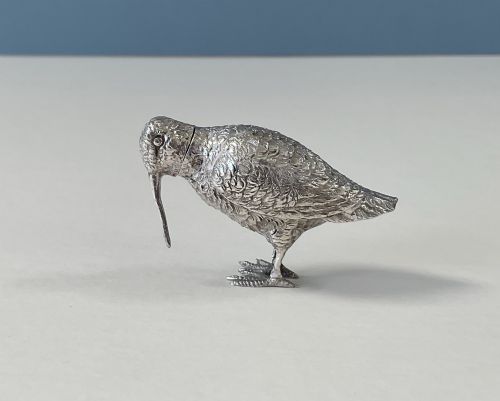
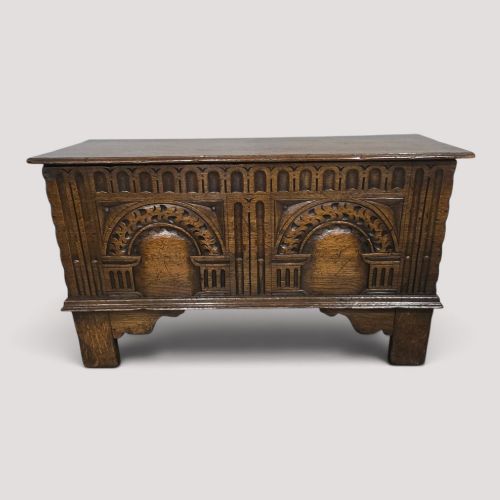
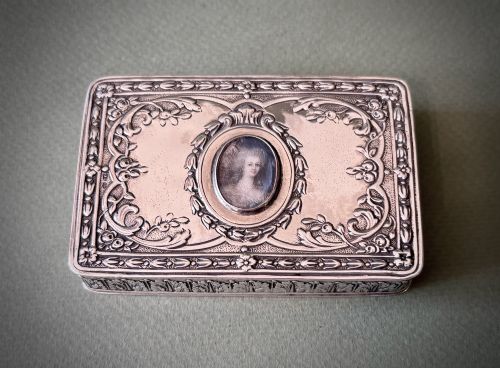
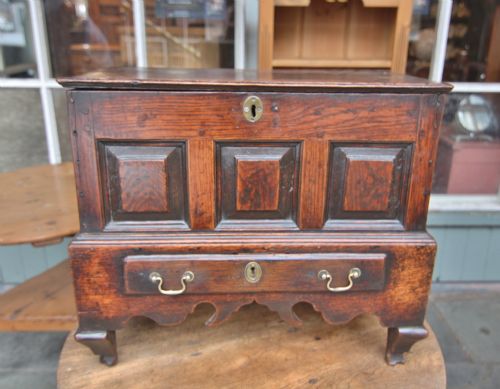
The most common versions met on this page are mahogany miniature chests of drawers from the Victorian and Georgian periods. Alongside these, buyers find silver novelty boxes, oak coffers, and specialised collector cabinets made across Britain and continental Europe.
How they were made
Cabinetmakers constructed these small containers using traditional timbers such as mahogany, oak, walnut, and satinwood, often employing dovetail joints for drawer construction. Metalwork involves sterling silver and brass for hinges, locks, and decorative mounts.
Surface finishing relies on hand-polished French polish or natural wax to highlight the grain of the wood. Specialised forms incorporate glass panels, painted details, papier-mâché, or carved slate.
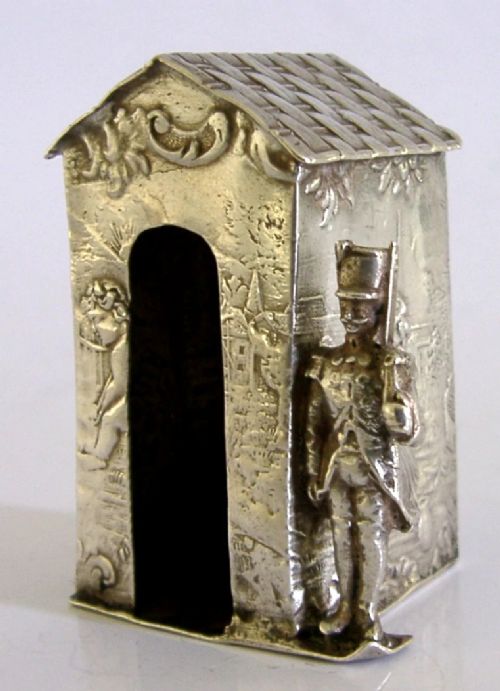
Among the miniature chests and cabinets sit tiny novelty items shaped like scuttles, animals, and even a sentry post soldier guard.
What varies in quality
The distinction between ordinary and superior examples lies in the precision of the joinery and the selection of figured timber. Finely executed dovetails and well-matched wood veneers indicate a maker of high skill.
Proportion and detail separate modest utilitarian items from exhibition pieces. The most accomplished miniature chests and cabinets replicate full-scale architectural elements with rigorous exactness.
Taylor & Perry·Vishnyakov Workshop·A. F. Lloyd, Bideford
The Antique Miniature Box Glossary
- Apprentice piece
- A small-scale item demonstrating the skill required for a craftsman to join a guild. These objects often display meticulous detail.
- Coffer bach
- A small Welsh oak chest featuring panelled construction and a hinged lid. They typically date from the eighteenth century.
- Vinaigrette
- A small metal box containing a perforated grille, designed to hold a sponge soaked in aromatic vinegar. They are frequently fashioned in silver.
- Tramp art
- Folk art created by carving and layering discarded pieces of wood, often using pocket knives. Items in this style possess a textured, geometric surface.
- Sarcophagus
- A burial-vase form adopted for small decorative caskets during the nineteenth century. These containers often rest on bracket feet.
Antique Miniature Box: Frequently Asked Questions
What is an apprentice piece?
An apprentice piece is a small-scale item created by a craftsman to demonstrate mastery of wood-working or metal-working techniques to a guild. These objects show the same technical proficiency as full-sized furniture.
Craftsmen kept these items to prove their ability to potential employers or clients. They are heavily sought after for their refined proportions and detailed execution.
How were miniature boxes used?
These small containers served various domestic functions depending on their form. Some held jewellery, letters, or sewing accessories, while others acted as pocket-sized containers for snuff or pills.
Specialised versions functioned as coin banks, tea caddies, or devotional display cases. Their portability allowed owners to store precious personal items securely.
What woods were commonly used?
Makers utilised dense hardwoods such as mahogany, oak, walnut, and satinwood for structural stability and fine grain appearance. Pine and fruitwood also appear frequently in secondary elements or regional vernacular pieces.
Exotic timbers were selected for decorative veneer work on high-status items. The choice of material often reflects the region and period of manufacture.