
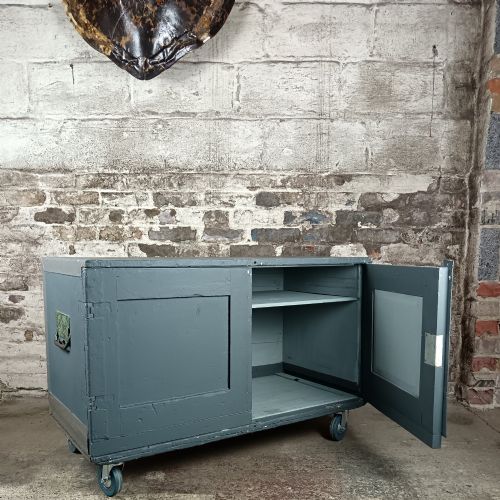
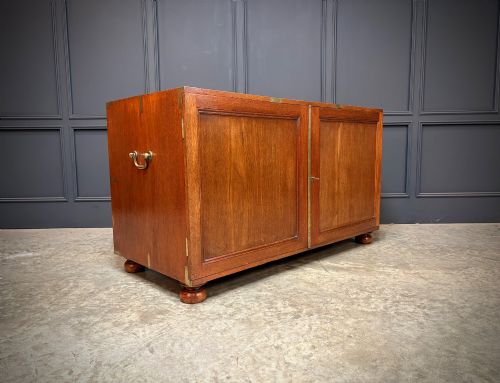
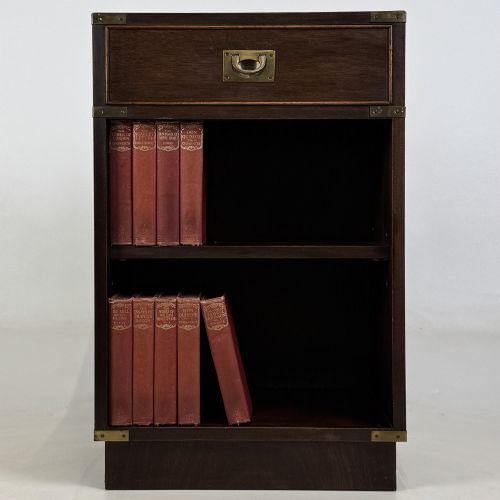
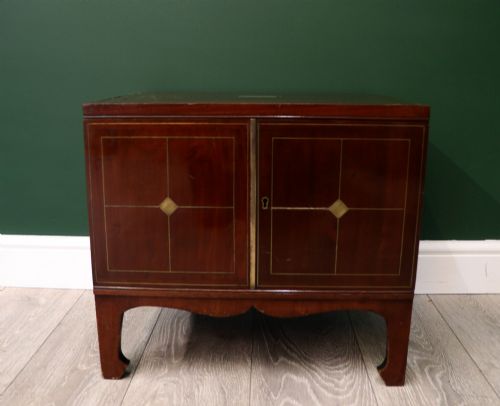

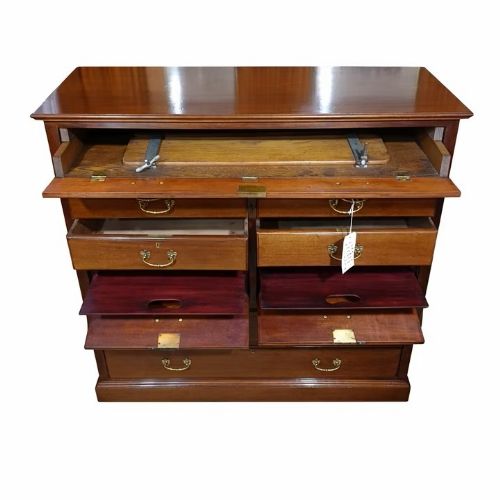


Antique Military Cabinet
These antique military cabinet pieces are sturdy, portable campaign furniture built for travel, offering utilitarian storage and rich period timber.
Antique Military Cabinet
When you search for an antique military cabinet, you encounter sturdy pieces engineered for transport during campaigns, expeditions, and sea voyages. The selections span chest and cabinet forms, often featuring modular construction designed to dismantle for easy carriage.
The pieces on this page originate predominantly from the nineteenth and eighteenth centuries, alongside Edwardian and Georgian examples. You will frequently meet mahogany and teak woods accented by characteristic brass mounts and recessed hardware.
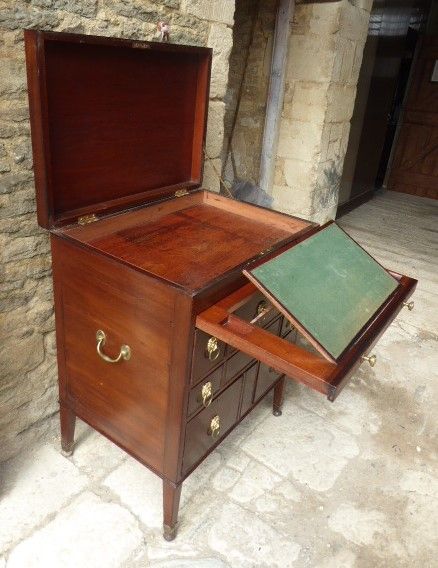
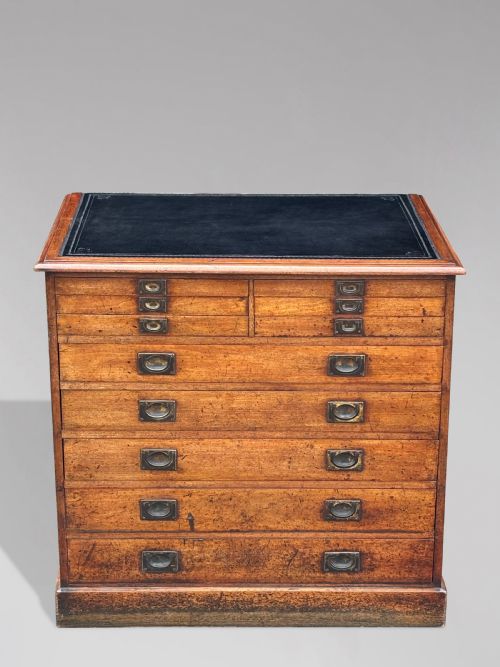
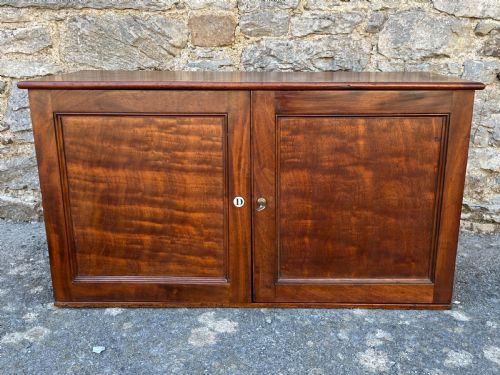
Forms range from side cabinets and filing drawers to washstands, desks, and transport packing cases. These functional designs reflect the practical demands placed upon officers and travellers requiring secure storage on the move.
Materials and construction
Construction relies heavily on dense, durable timbers like mahogany, teak, and oak, chosen to withstand arduous travel conditions. Secondary woods such as pine appear internally, whilst leather, baize, and bone provide lining or decorative detail.
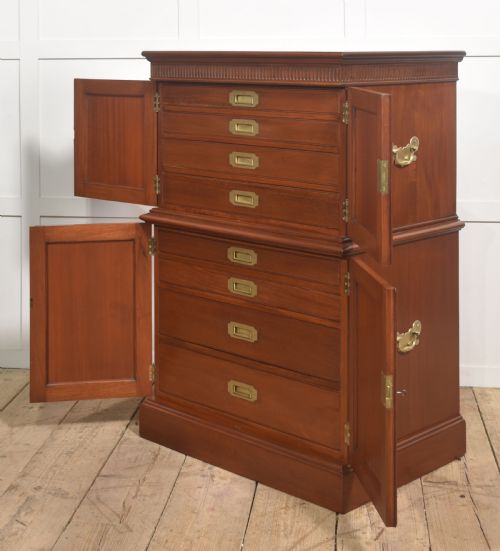
Brass corners, strapwork, and flush inset handles protect vulnerable edges and prevent snagging during transit. Many items employ sectional designs with removable feet and carrying handles, allowing larger cabinets to separate into manageable transport units.
Listings include items manufactured across the eighteenth, nineteenth, and early twentieth centuries, constructed primarily from mahogany, teak, and oak.
Judging quality and craft
Quality reveals itself in the precision of the joinery and the integration of the brass hardware into the timber. Superior pieces exhibit tight flush-fitting mounts, carefully concealed dovetails, and retained original locking mechanisms with working keys.
The grade of timber selected for the carcase and drawer linings also distinguishes finer examples. Subtle differences in secondary woods, the weight of the brass used, and the crispness of turned or recessed details separate standard utility pieces from high-status officer commissions.
The Antique Military Cabinet Glossary
- Campaign style
- Furniture constructed to be easily dismantled and packed for military travel. These pieces typically feature recessed brass handles and reinforced corners.
- Secretaire
- A cabinet or chest incorporating a pull-down writing drawer fitted with pigeonholes and small compartments. This dual-purpose form allowed officers to maintain correspondence in the field.
- Flush handle
- A metal pull inset level with the wood surface so it does not project during transport. This prevents catches and damage when the furniture is loaded into crates.
- Burl walnut
- Timber taken from a tree growth featuring intricate, swirled grain patterns. It provides a highly decorative surface on high-status storage boxes and small cabinets.
- Dovetail
- A joint formed by interlocking wedge-shaped fingers used in drawer construction. Fine, numerous pins indicate skilled hand-cutting by period cabinetmakers.
Antique Military Cabinet: Frequently Asked Questions
What is an antique military cabinet?
An antique military cabinet is portable storage furniture used by officers and officials during campaigns, travels, and naval postings. These pieces were designed to withstand rough transport whilst keeping contents secure.
They combine robust construction with practical internal layouts, frequently utilising modular sections and protective brass hardware.
Where were these cabinets used?
These cabinets served officers on active military duty, colonial postings, and long sea voyages aboard naval vessels. They provided private, secure storage for papers, uniforms, and personal valuables.
Their modular design ensured they could be packed onto horses, wagons, or ship holds with minimum fuss.
How do I care for teak and mahogany?
Keep these timbers away from direct heat sources and sudden temperature shifts to prevent warping or splitting of the dry wood. Dust regularly with a soft cloth and feed the grain occasionally with appropriate wax.
Protect brass mounts from moisture to avoid tarnishing the metal surfaces.