

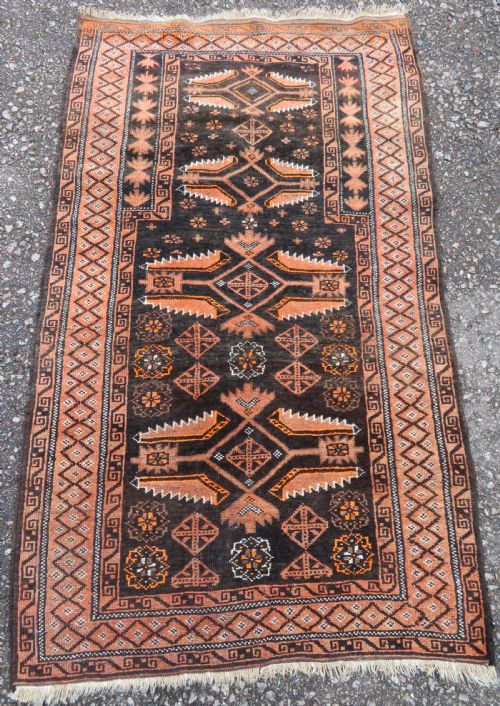
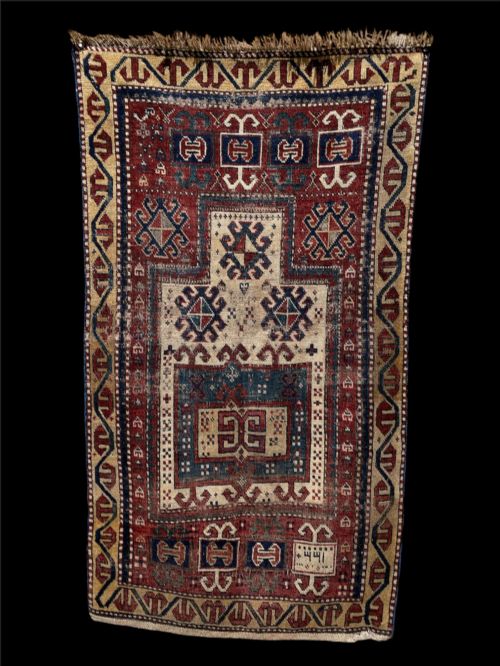
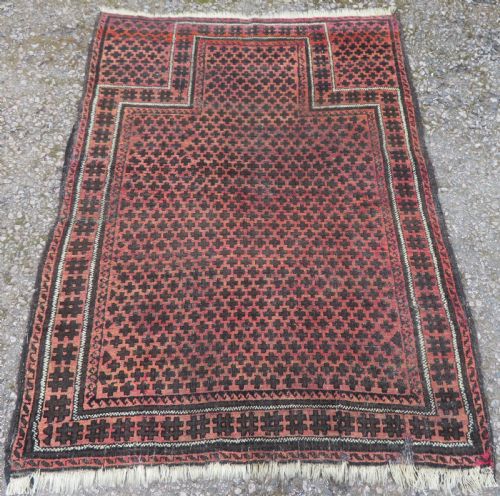


Antique Mihrab Carpet
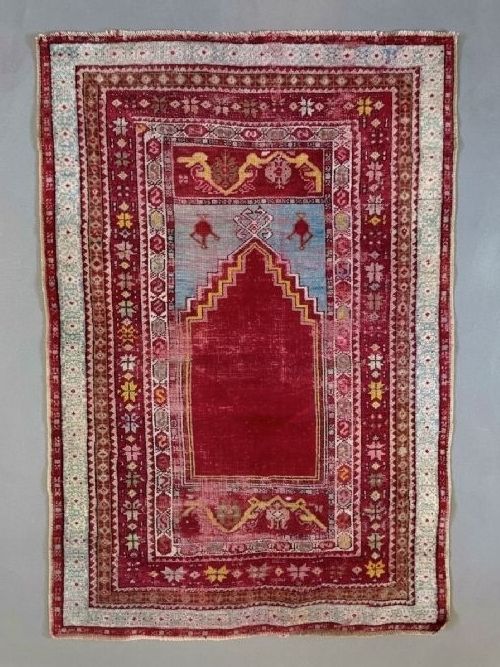
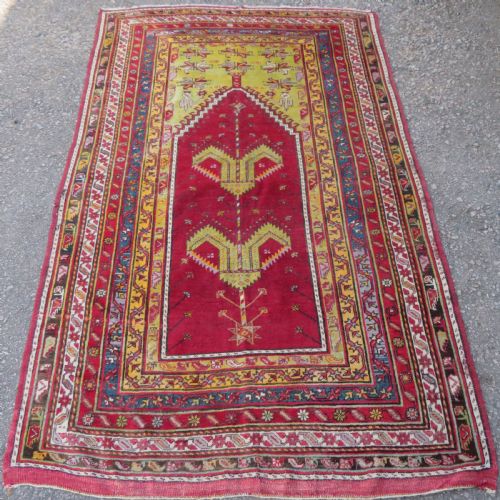
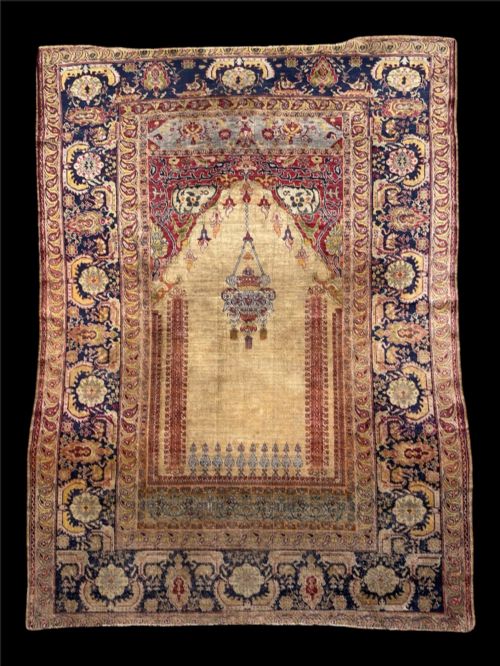
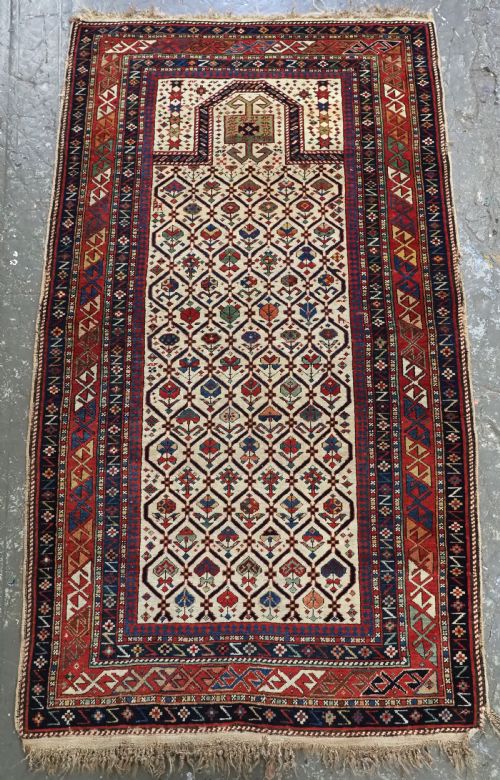
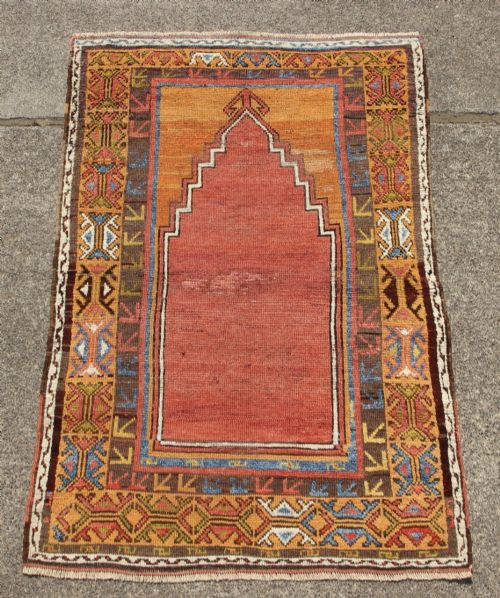
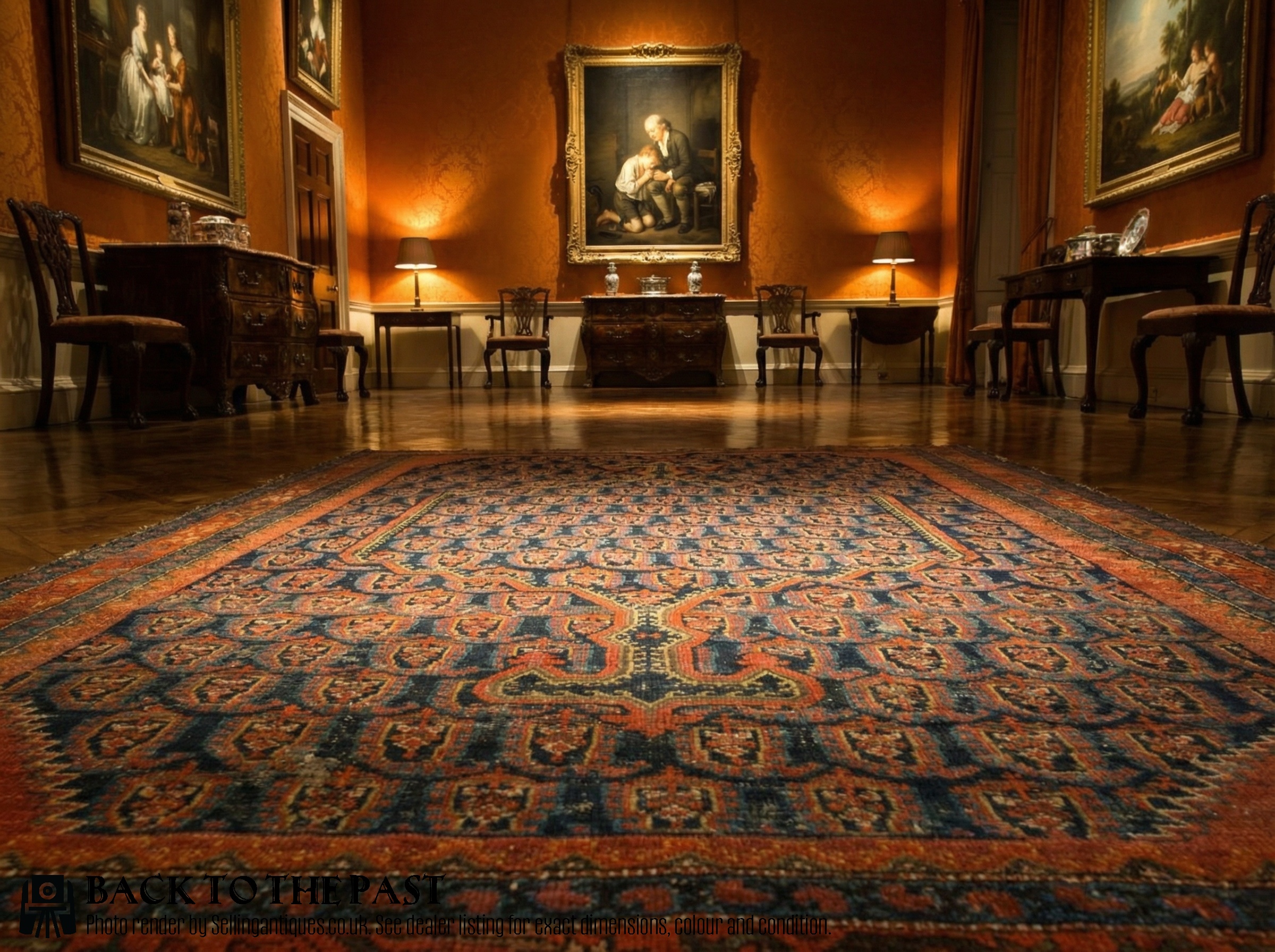
An antique mihrab carpet brings centuries of textile tradition into a room through its characteristic arched niche design.
Antique Mihrab Carpet
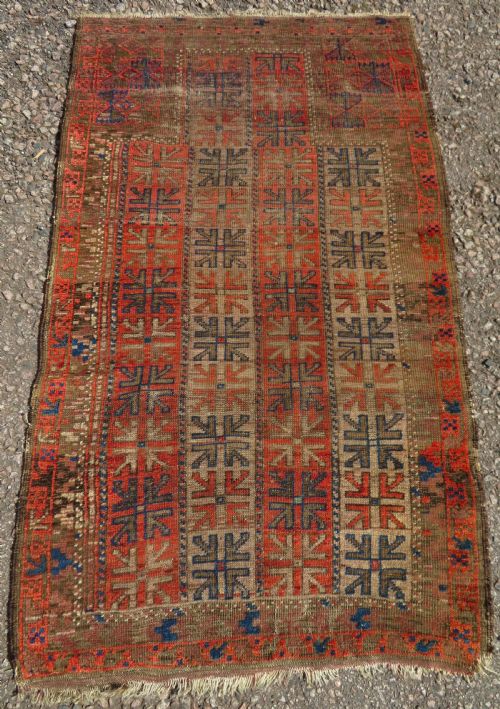
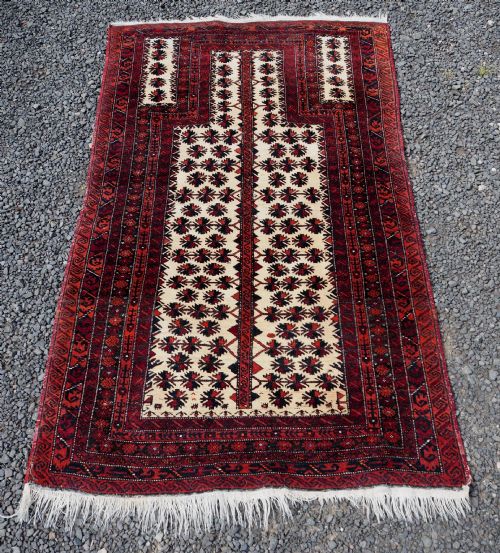
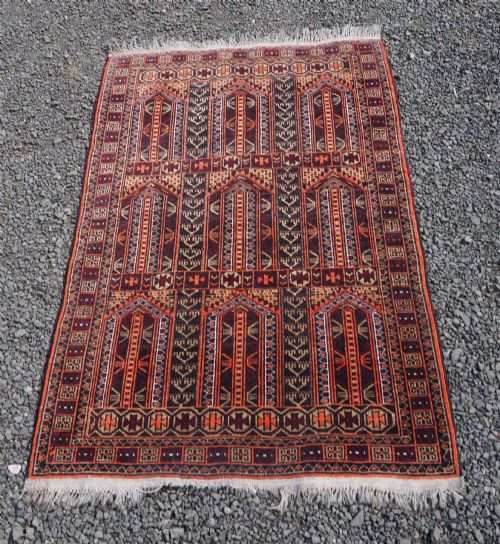
The pieces encountered most frequently on this page date from the nineteenth and early twentieth centuries, reflecting village and tribal weaving traditions. Makers utilised regional motifs such as floral lattices, rams horn symbols, and geometric borders within the arched field. Buyers seek these rugs for their historic character, traditional symbolism, and the tactile quality of hand-knotted pile.
Materials and Construction
Weavers constructed these textiles primarily using wool, cotton, and silk, often incorporating hand-spun wool and camel wool for varied texture and durability. Natural dyes provided the rich, enduring colour palettes seen across Anatolian, Caucasian, and Persian examples. Foundation structures frequently combined wool with cotton or goat hair to ensure structural stability.
The manufacturing process relied entirely on hand-knotting and hand-weaving techniques passed down through generations in tribal and village communities. Long kilim ends and mixed techniques demonstrate the specialised regional methods employed by Turkmen, Baluch, and Afghan makers. Each rug represents hours of meticulous hand labour utilising locally sourced organic materials.
Some tribal weavers included rams horn motifs inside the mihrab to invoke prosperity and protection for the household.
Distinction in Quality
The standard of a piece rests on the precision of the knotting, the depth and clarity of the natural dyes, and the integrity of the wool. Finer examples display intricate geometry and balanced proportions within the mihrab arch, reflecting the skill of the weaver.
Design rarity and regional authenticity further elevate a textile, particularly when accompanied by unusual border patterns or scarce colour grounds. The condition of the pile and the originality of the ends indicate how carefully a rug has survived its working life.
Kirsehir·Ghiordes·Ladik·Konya
The Antique Mihrab Carpet Glossary
- Mihrab
- The arched niche design at the top of a prayer rug that symbolises the direction of prayer. This architectural motif defines the visual focus of the field.
- Kilim
- A flatweave textile technique often found at the ends of tribal rugs. It provides a durable transition between the fringe and the knotted pile.
- Natural Dyes
- Colourants derived from plants, insects, and minerals rather than synthetic compounds. They yield rich, complex tones that age gracefully over time.
- Pile
- The dense, raised surface of knotted yarn that forms the body of the carpet. Hand-spun wool pile offers particular resilience and tactile depth.
Antique Mihrab Carpet: Frequently Asked Questions
What is a mihrab design?
The mihrab is an arched niche depicted on the rug to represent the direction of Mecca. It serves as the primary focal point of the prayer rug composition.
Weavers across Anatolia, Persia, and the Caucasus adapted this architectural form into countless geometric and floral variations.
How do I care for an antique rug?
Protect the textile by vacuuming gently without a rotating brush and keeping it out of direct sunlight. Professional cleaning should be undertaken by specialists in antique oriental carpets.
Allowing the rug to breathe and using a quality underlay will preserve the natural wool fibres for years to come.
Where were these carpets made?
These pieces originated in the weaving centres and nomadic camps of Anatolia, the Caucasus, Persia, and Afghanistan. Each region developed distinct colour palettes and structural techniques.
Village workshops and tribal groups produced rugs that reflected their specific cultural heritage and local materials.