



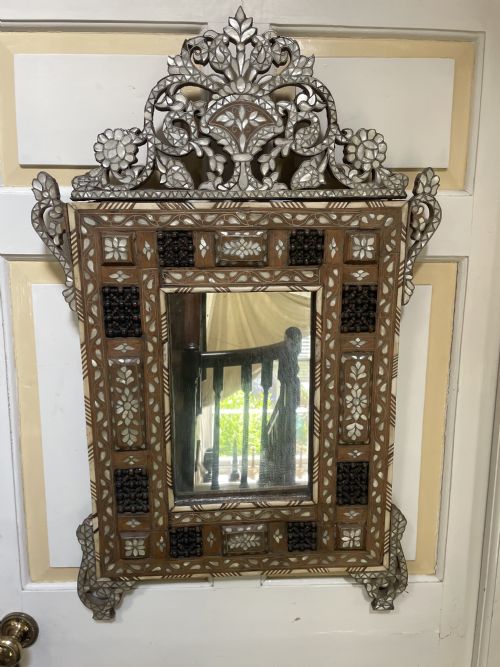


Antique Middle Eastern Art
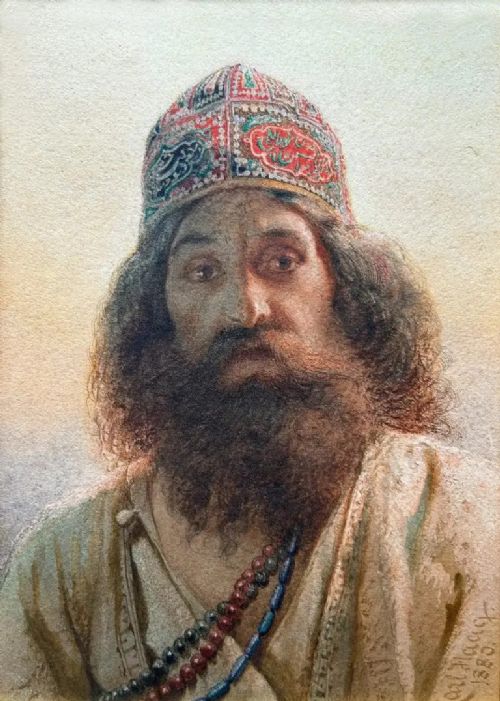
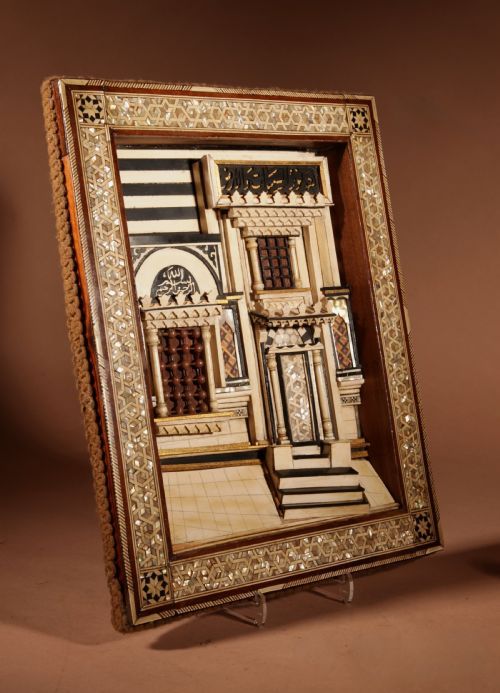
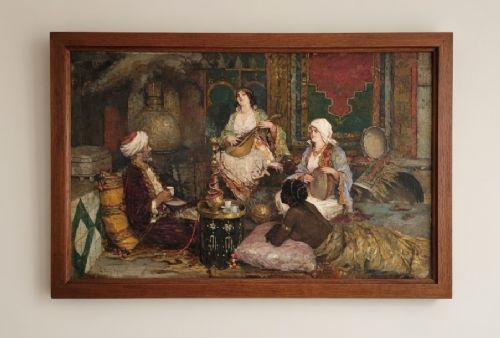
These pieces of antique middle eastern art bring together centuries of regional craft, vibrant landscapes, and detailed cultural artefacts.
Antique Middle Eastern Art
Buyers seeking antique middle eastern art encounter a diverse array of paintings, watercolours, and framed textiles originating from various nineteenth and early twentieth-century traditions.
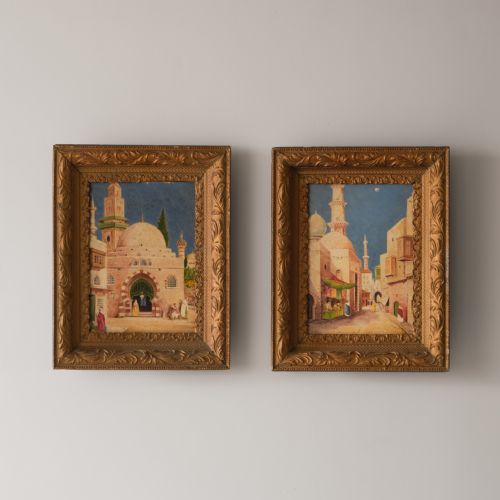
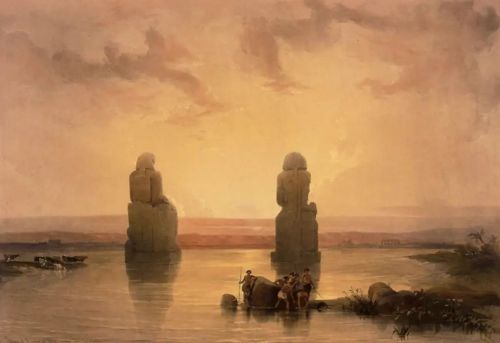
Works on paper and canvas dominate the selection, often capturing local architecture, figures, and landscapes through the lens of both visiting European artists and regional creators.
Materials and methods of construction
Makers utilised traditional pigments on canvas, paper, and wood boards, applying oil paint, watercolour, and gouache to build layered compositions.
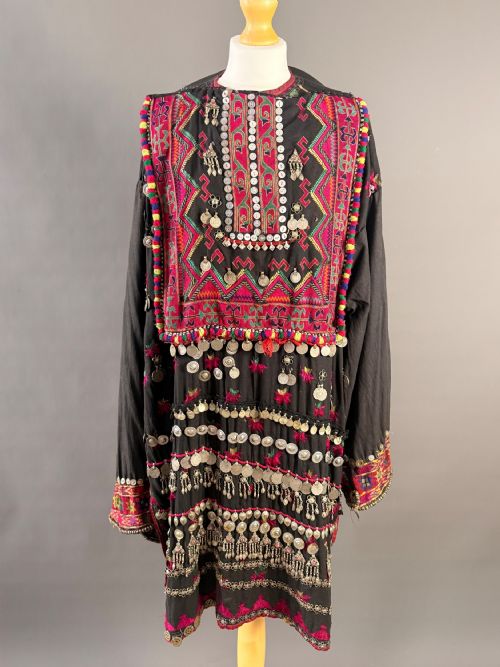
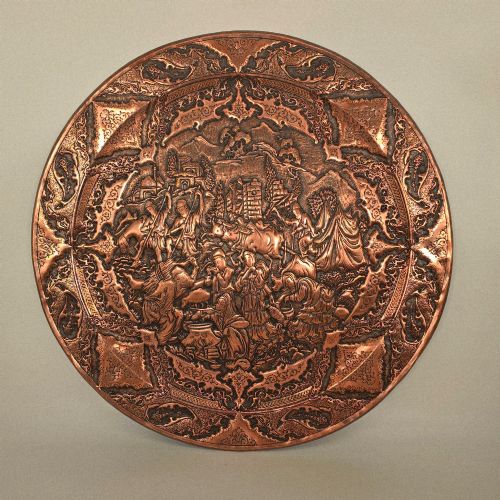
Textile pieces and artefacts incorporate delicate techniques such as gold leaf application, silver repousse, and fine gold embroidery on fabrics like wool and cotton.
Listings feature works spanning the 18th, 19th, and 20th centuries, utilising oil paint, watercolour, paper, wood, and gilt wood.
Distinctions in quality and execution
The finesse of the brushwork and the precision of detail in figurative and architectural scenes distinguish finer works from simpler naive representations.
The preservation of original frames, whether ebonised wood or gilt, alongside the stability of textiles and painted surfaces, influences the overall integrity of the piece.
David Roberts·Carl Haag·Edwin Lord Weeks·Gabriel Puig Roda·William James Muller·V Zirakian·Otto Pilny·Hugo Vogel·Abdul Kadir Al Rassam·Richard Wilson
The Antique Middle Eastern Art Glossary
- Orientalism
- An artistic style characterised by Western depictions of Middle Eastern scenes and peoples. It frequently highlights historic architecture and traditional daily life.
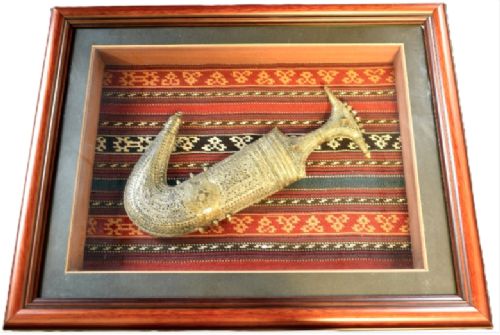
- Jambiya
- A traditional short dagger with a curved blade worn by men in specific regions. Examples often feature ornate metal sheaths and repousse work.
- Gouache
- An opaque water-based paint that provides solid, vibrant colour fields. Artists often combine it with watercolour for added depth.
- Repousse
- A metalworking technique where the artisan hammers the material from the reverse side to form a raised design. It creates tactile relief patterns on metal panels and dagger mounts.
Antique Middle Eastern Art: Frequently Asked Questions
How do I date these artworks?
Dating relies on stylistic markers, artist signatures, and framing methods typical of the nineteenth and early twentieth centuries.
Examining the backing materials and any recorded exhibition details also helps establish the timeframe of creation.
Where were these pieces made?
The items originate from across the region, including Egypt, Syria, Turkey, Iraq, and Persia.
Some pieces reflect local craftsmanship while others represent European interpretations during the nineteenth century.
How should I display framed watercolours?
Keep watercolours and works on paper away from direct sunlight to prevent fading of the pigments and paper degradation.
Maintain stable indoor humidity levels to protect both the artwork and its historical frame.
What defines Orientalist paintings?
These paintings focus on the landscapes, architecture, and inhabitants of North Africa and the Middle East.
Artists aimed to capture the distinct light and cultural practices observed during their travels.