


Antique Mezzotint Engraving
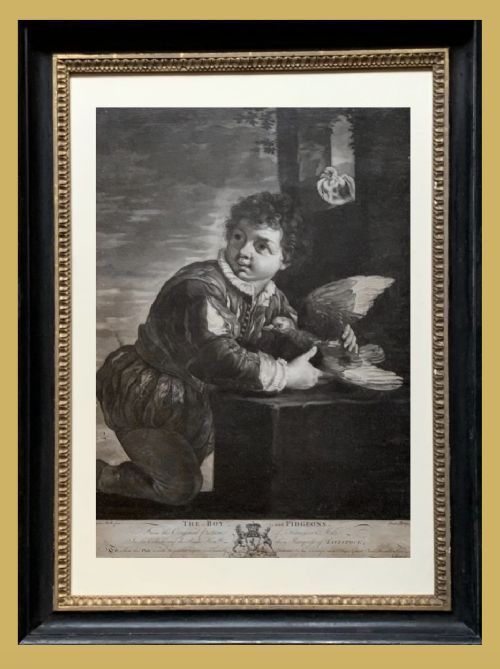
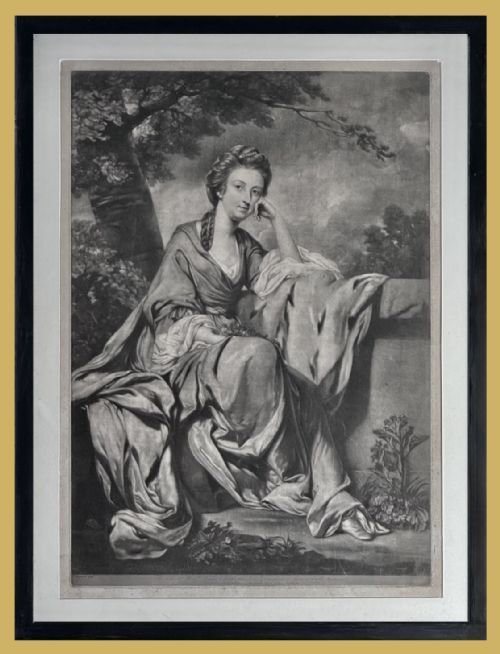
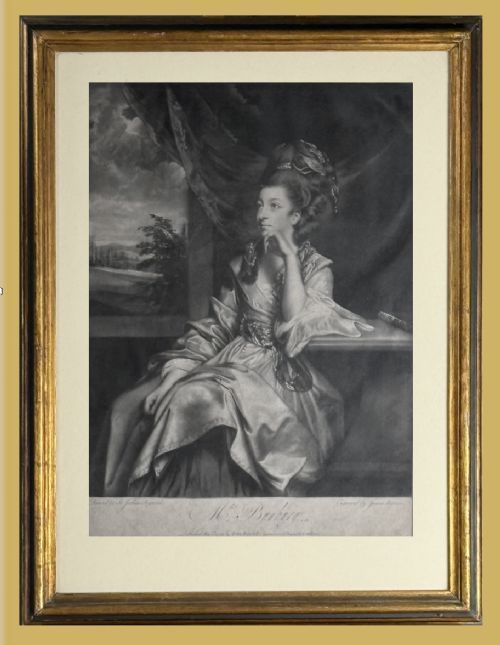
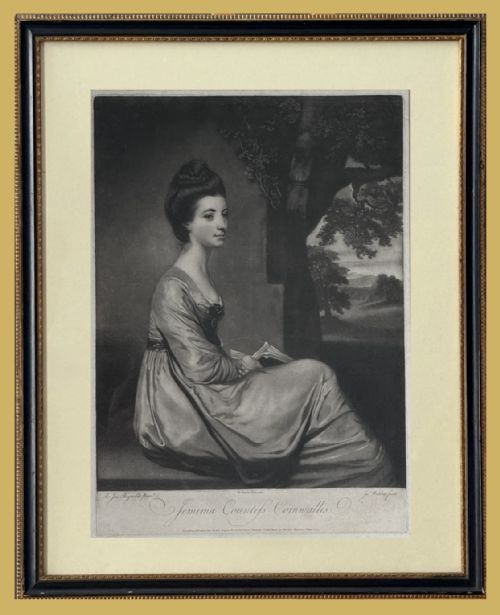
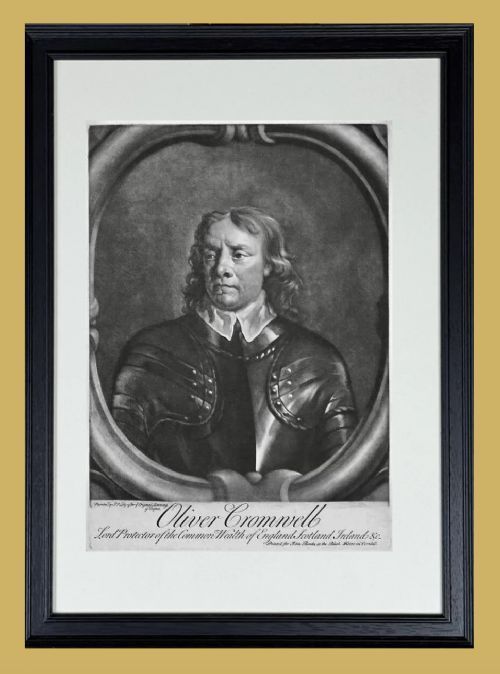
An antique mezzotint engraving offers a rich tonal depth that separates it from standard line prints, capturing portraits and scenes through subtle gradations of light and shadow.
Antique Mezzotint Engraving
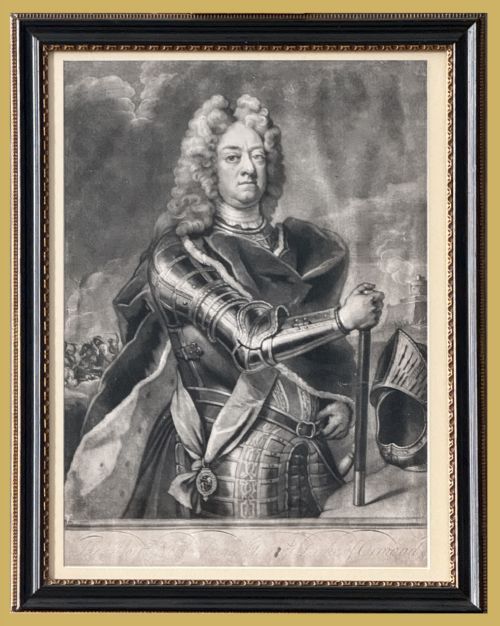
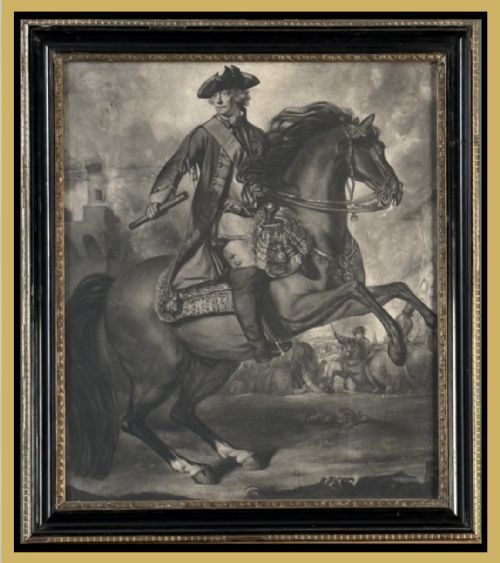
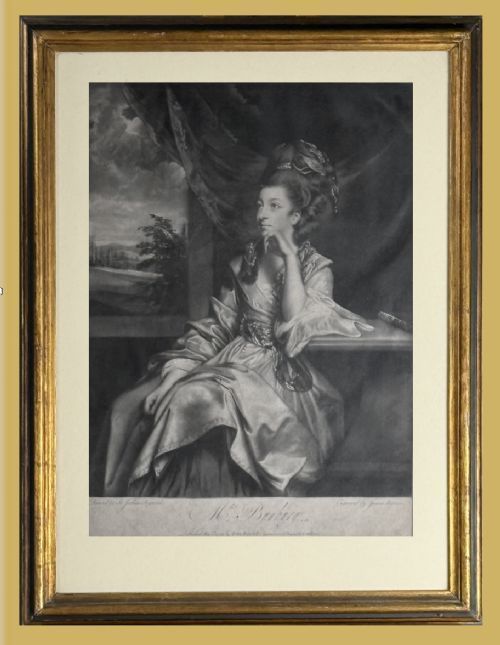
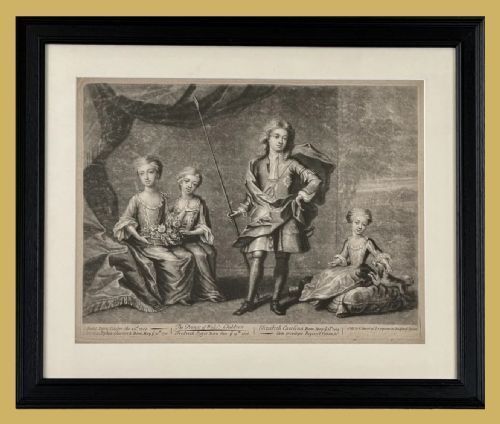
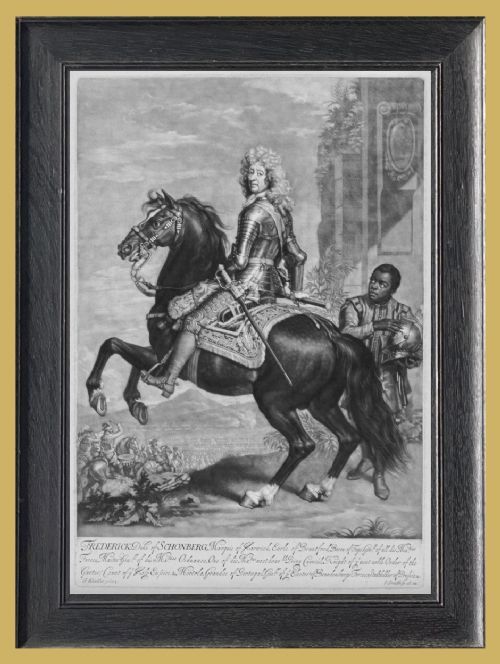
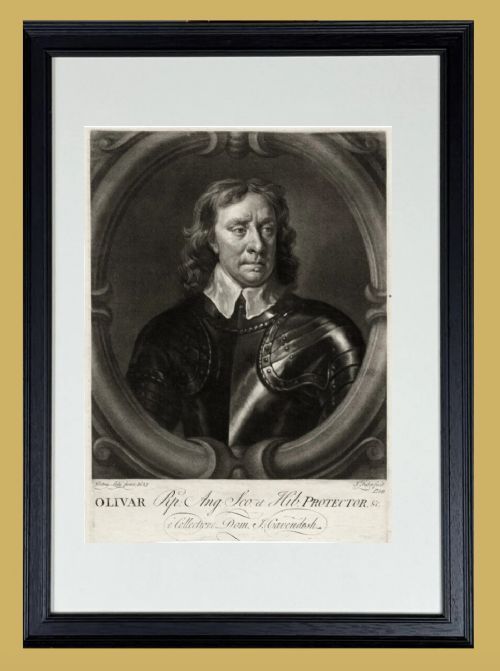
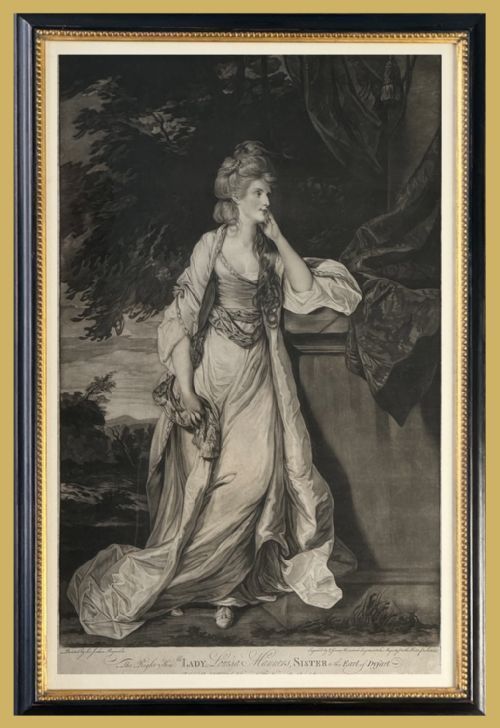
An antique mezzotint engraving is primarily a portrait print depicting nobility, royalty, or notable figures from the seventeenth, eighteenth, and nineteenth centuries.
The selections span distinct historical periods including the Georgian, Regency, and Victorian eras, often preserved in original wooden frames with glass and gold leaf accents.
Many examples record collaborations between master engravers and prominent painters, translating grand oil paintings into rich works on paper.
How They Were Made
The printing surface is prepared by roughening a copper plate thoroughly with a rocking tool to create a burr that holds ink for solid black areas.
To produce lighter tones, the engraver scrapes and burnishes the roughened copper plate down smoothly so it holds less ink during the printing process.
Finished plates are printed onto paper using dark ink, and occasionally hand-coloured or reverse-painted on glass to enhance the visual depth.
The selection spans pieces originating across the seventeenth, eighteenth, and nineteenth centuries.
What Varies in Quality
The crispness of the impression on the paper depends heavily on the wear of the copper plate during the printing run, as earlier pulls capture finer tonal gradations.
The integrity of the framing materials, such as period wood and original giltwood or gold leaf mouldings, contributes significantly to the overall preservation of the piece.
John Simon·Edward Fisher·John Boydell·James Watson·John Smith·Valentine Green·Richard Houston
The Antique Mezzotint Engraving Glossary
- Mezzotint
- A printmaking process where the copper plate is roughened and scraped to produce rich tones and subtle gradations of light rather than relying on lines.
- Burnisher
- A tool used by the engraver to smooth areas of the roughened copper plate so they print lighter or white.
- Rocker
- A curved, notched metal tool used to pit the copper plate uniformly during the initial preparation stage.
- Artist Proof
- A trial print pulled before the main edition is printed, often signed by the printmaker.
Antique Mezzotint Engraving: Frequently Asked Questions
What is an antique mezzotint engraving?
It is a print created from a roughened copper plate that produces velvety dark areas and smooth gradations of tone. These works frequently depict historical portraits from the seventeenth to nineteenth centuries.
They capture the likenesses of nobility and notable figures through a distinct tonal printing method rather than standard line etching.
How should I frame and display them?
Many examples survive in their original wood, giltwood, or gold leaf frames under glass, which helps protect the delicate paper from environmental damage.
Display them away from direct sunlight to prevent the ink and paper from fading over time.
Who painted the original portraits?
Engravers frequently translated grand oil paintings by renowned artists such as Sir Joshua Reynolds, Sir Peter Lely, and Sir Godfrey Kneller.
These collaborations brought famous painted works into a printed format accessible to collectors of the period.
How can I tell the period?
Dating relies on the stylistic markers of the clothing and hair depicted in the portrait, combined with the characteristics of the paper and the surrounding frame.
Inscriptions on the print often record the dates of the sitter, the painter, and the publishing engraver.