



Antique Metalwork Plaque
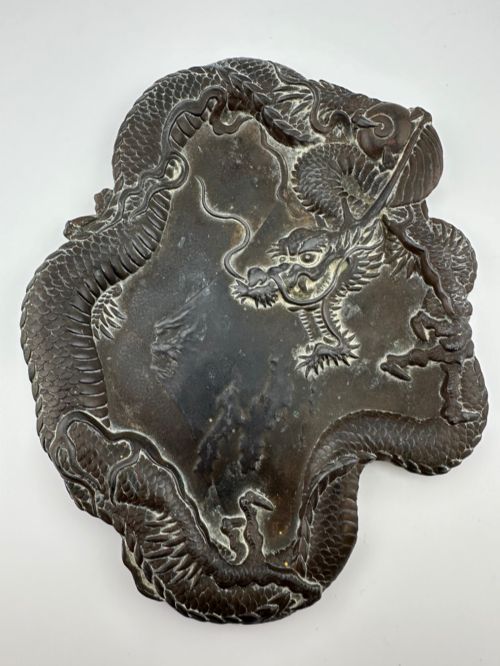
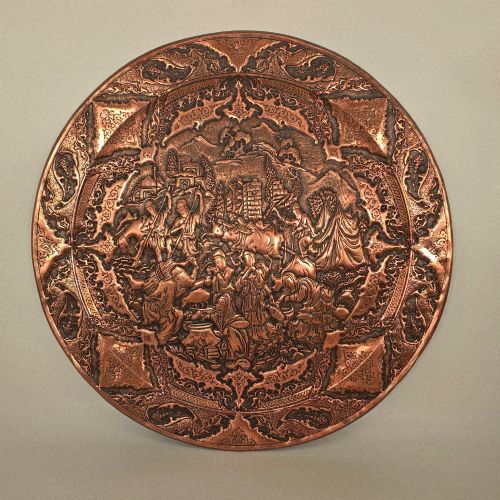
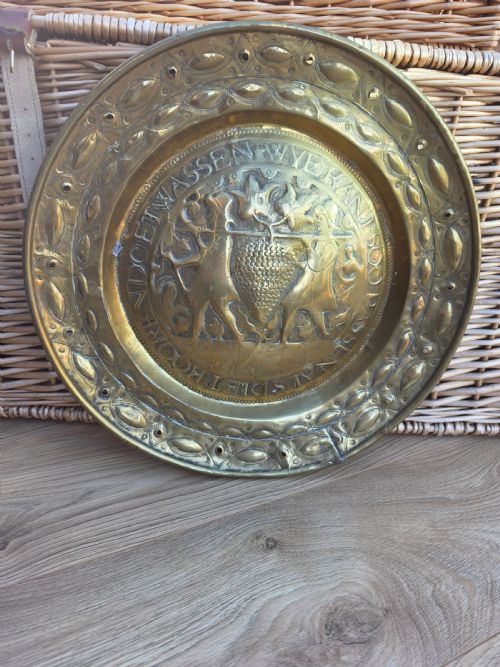
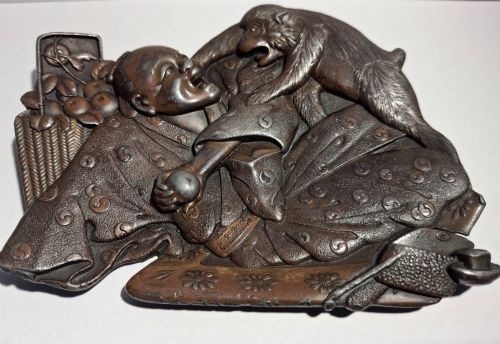
When you search for an antique metalwork plaque, you encounter circular chargers, wall panels and decorative trays spanning the Victorian era to the early twentieth century.
Antique Metalwork Plaque
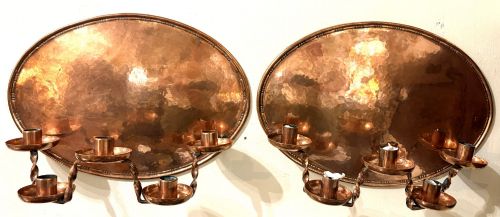
An antique metalwork plaque encompasses decorative chargers, wall art, and mixed metal trays originating from diverse international traditions during the nineteenth and twentieth centuries. Buyers searching this phrase frequently find Japanese Meiji period cloisonné enamel chargers, Persian and Indo-Persian engraved copper vessels, and British Arts and Crafts copper wall pieces.
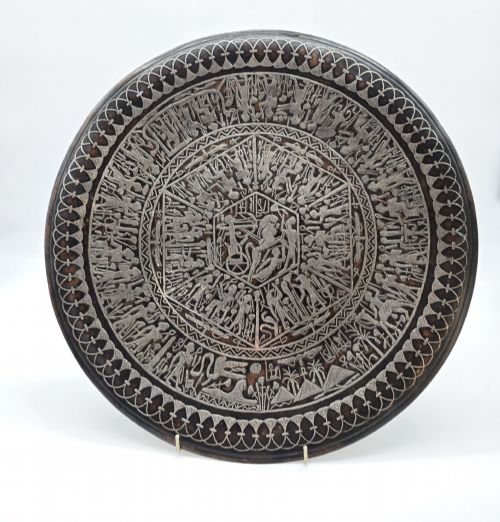
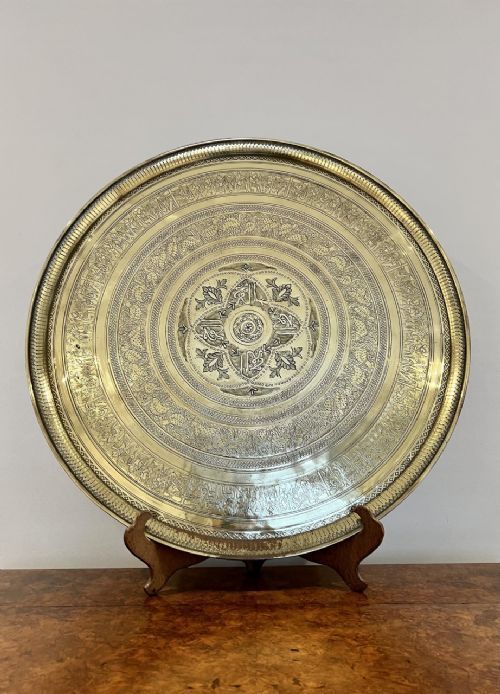
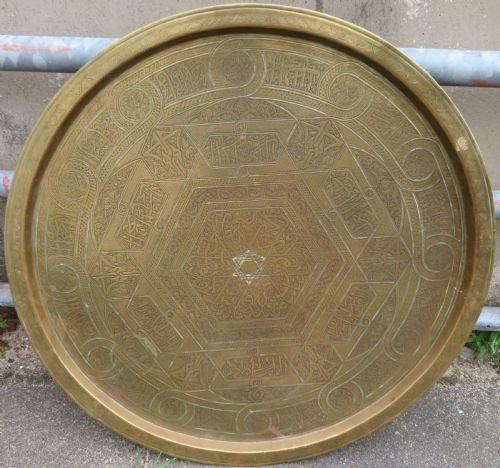
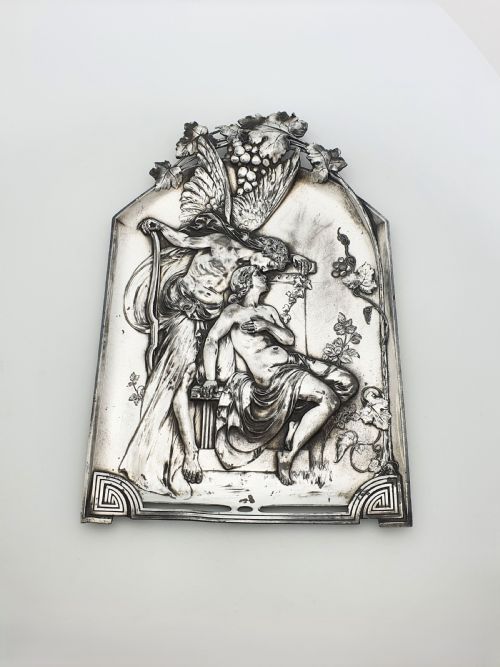
The selection on this page ranges from heavy cast iron imperial Russian chargers to delicate white metal dishes and Egyptian Cairo Ware brass trays. Form follows technique closely, leading to items intended for wall display alongside functional vessels adapted for decorative use.
Materials and Techniques
Metals such as copper, brass, bronze, iron, and silver plate form the structural foundation of these pieces, often manipulated through hammering, casting, and hand-piercing. Artisans utilised repoussé work to push designs from the reverse, creating raised relief motifs on copper and brass surfaces.
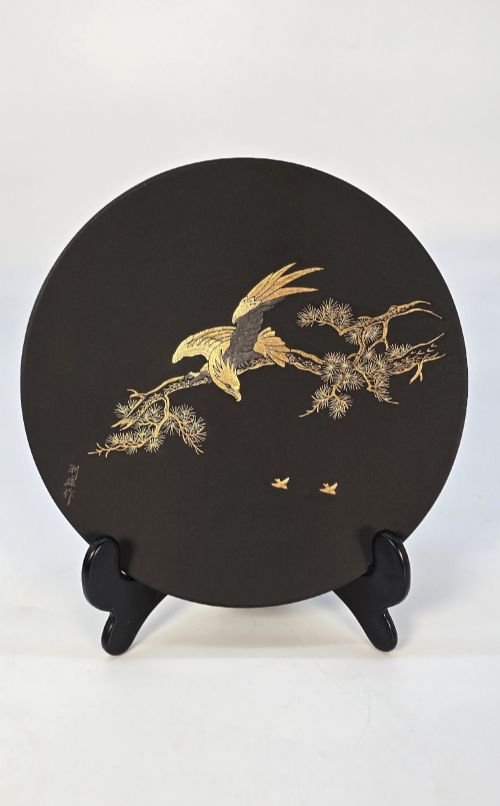
Surface ornamentation relies heavily on cloisonné enamel work, where thin metal wires create cells filled with coloured vitreous paste, alongside intricate metal inlay using gold, silver, and patinated iron.
Antique Metalwork Plaque Retail Price Guide 2026
Typical asking prices for metalwork plaque among the pieces listed under this phrase on Sellingantiques today, from the lower quarter to the upper quarter. They describe what is for sale here now, not the wider market.
The listings span the Victorian period through to 1920, incorporating copper, brass, bronze, enamel, and silver plate.
Distinctions in Execution
The standard of an antique metalwork plaque depends on the depth and precision of the hand-engraving, the complexity of the repoussé relief, and the control of the enamelling process. Pieces exhibiting finer detail in inlaid mixed metals or crisper piercing demonstrate superior workshop proficiency.
The handling of patination and the integration of decorative elements into the primary metal plate distinguish high-tier examples from standard production items.
Gustav Grohe·WMF·Kasli Foundry·Shadwell Bros.
The Antique Metalwork Plaque Glossary
- Repoussé
- A metalworking technique where the artisan hammers the metal from the reverse side to form a raised design on the front. This method creates tactile depth on copper and brass chargers.
- Cloisonné
- An enamel decoration method involving soldered metal wires that form compartments for coloured paste. Firing fuses the vitreous enamel within these tiny metal boundaries.
- Cairo Ware
- Late nineteenth and early twentieth-century metalwork originating from Egypt, typically comprising brass inlaid with silver and copper calligraphy or geometric patterns.
- Charger
- A large ornamental plate or dish intended primarily for wall display rather than dining use. These items provide expansive surfaces for intricate engraving and relief work.
- Mixed Metal
- An artistic approach combining various metallic elements such as bronze, brass, copper, gold, and silver in a single composition. This technique gained prominence during the Meiji period and the Arts and Crafts movement.
Antique Metalwork Plaque: Frequently Asked Questions
How do I hang a heavy metal plaque safely?
Wall chargers and heavy metal panels require secure picture wire or dedicated brass brackets capable of supporting the substantial weight of bronze, iron, or thick copper. Ensure fixings anchor directly into wall studs or use appropriate cavity wall anchors.
Avoid relying on simple adhesive hooks or lightweight picture nails for items produced in cast iron or heavy mixed metals.
Should I polish my antique copper plaque?
Polishing antique metalwork removes historical patination and can diminish the visual depth achieved by nineteenth-century artisans. Most collectors prefer to retain the mellow surface tones that accumulate over decades.
Gentle dusting with a soft, dry cloth suffices for routine maintenance, avoiding abrasive cleaners that strip original finishes.
What defines Arts and Crafts metalwork?
Arts and Crafts metal items emphasise visible hand-hammered textures, simple forms, and honest construction methods that celebrate manual craftsmanship over industrial perfection. Copper and brass predominate in this style, often featuring plant motifs or relief angels.
These pieces reflect a deliberate rejection of machine-made uniformity popular during the late Victorian period.