




Antique Metalwork Decorative Dish
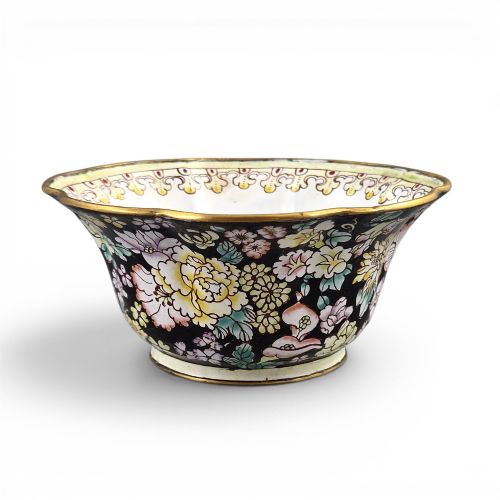
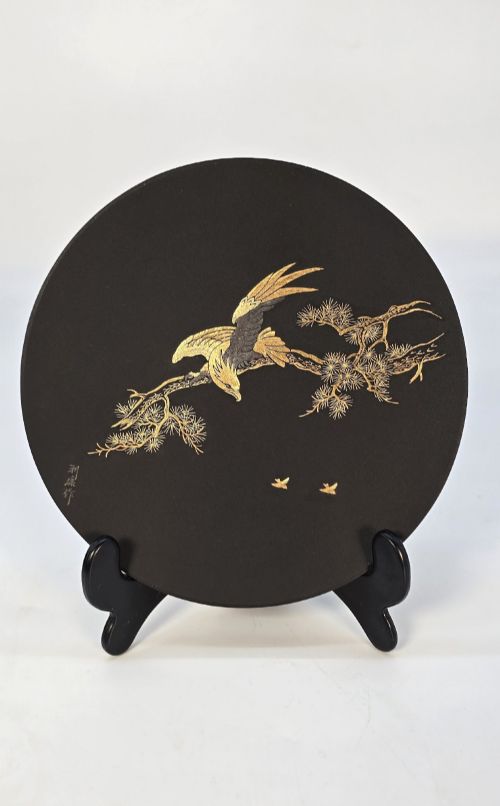
An antique metalwork decorative dish brings heavy copper, cloisonne enamel and beaten brass into a room, offering tactile surface work from the nineteenth and early twentieth centuries.
Antique Metalwork Decorative Dish
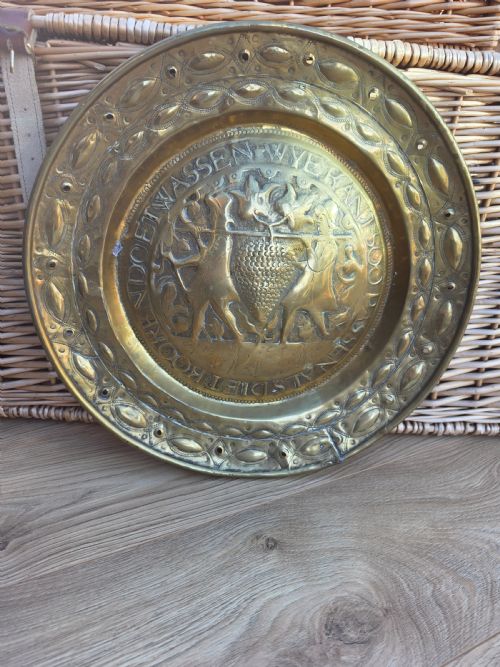
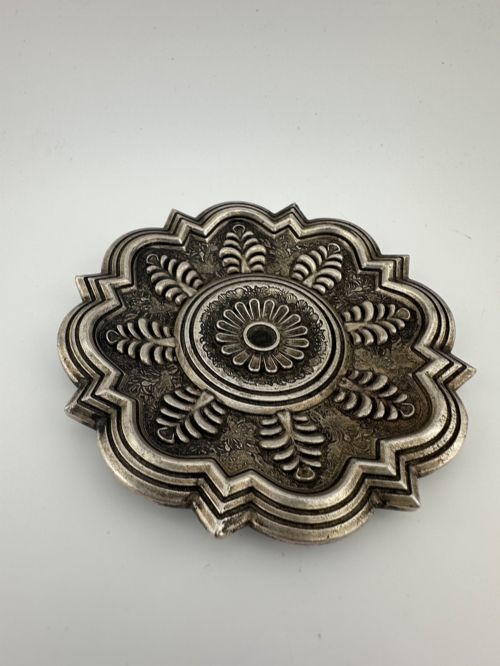
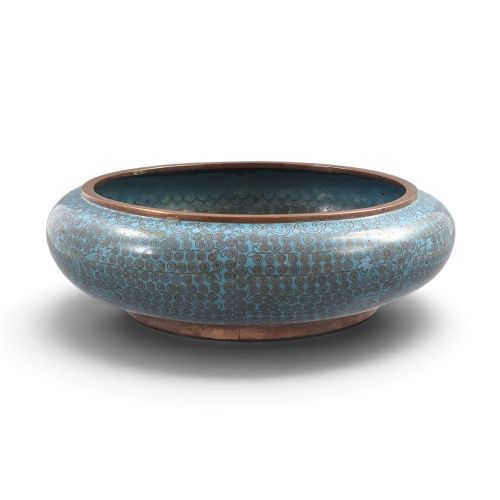
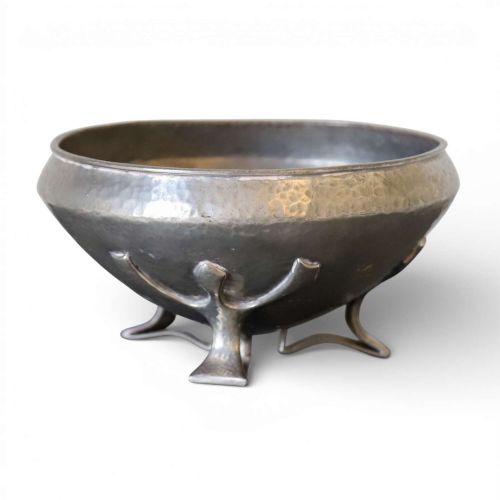
An antique metalwork decorative dish covers a wide range of vessels including circular chargers, deep bowls, small trays and square dishes formed from various metals. The selection here leans heavily towards Japanese Meiji period cloisonne enamel plates and chargers alongside British Arts and Crafts copper work and Middle Eastern brass.
Originating from workshops in Japan, Britain, China and India, these items served as display pieces or functional vessels in domestic interiors. Buyers encounter heavy brass cairoware, pewter pedestal bowls, and silver-inlaid patinated copper ranging from the mid nineteenth century into the twentieth century.
How they were made
Craftsmen shaped copper, brass, bronze and pewter through hammering, casting and repousse work, raising flat sheets into deep vessels or wide chargers. Surface decoration often involved soldering thin brass or silver wires to form cellular partitions for cloisonne enamel, or applying patination and metal inlay.
Makers utilised techniques such as hand-beating, enamel firing, and mixed-metal inlay to achieve textured finishes. Workshops employed specialised tools to press foliage, animal motifs, and geometric patterns into the metal body.
Antique Metalwork Decorative Dish Retail Price Guide 2026
Typical asking prices for metalwork decorative dish among the pieces listed under this phrase on Sellingantiques today, from the lower quarter to the upper quarter. They describe what is for sale here now, not the wider market.
Owning a heavy metal charger means discovering small hidden birds and dragons watching quietly from your sideboard every single morning.
What varies in quality
Quality rests upon the precision of the metal forming and the crispness of the applied decoration, whether in the fine lines of cloisonne wiring or the depth of repousse hammer marks. Superior examples display balanced compositions, secure enamel filling without pitting, and integrated patination.
The distinction between standard output and masterwork pieces lies in the complexity of the iconography, such as detailed dragons or birds, and the signature of known makers or studios. Weight, gauge of metal, and the harmony of mixed-metal inlays further separate ordinary production from exceptional items.
Liberty & Co Tudric Pewter·Oliver Baker·Faulkner Bronze Company·Kinkozan
The Antique Metalwork Decorative Dish Glossary
- Cloisonne
- Enamelling technique where thin metal wires are soldered to a metal base to create compartments filled with vitreous paste. These compartments are then fired and polished smooth.
- Repousse
- Metalworking method where the artisan hammers a design from the reverse side to raise relief motifs on the front. This creates tactile surface depth on copper and silver vessels.
- Patination
- The natural or induced surface alteration of metal over time through oxidation and handling. It deepens the visual tone of bronze, copper and brass.
- Tazza
- A shallow ornamental bowl raised on a central foot or pedestal. These pieces were traditionally used for display on dining tables or sideboards.
- Charger
- A large decorative plate or shallow dish intended for wall hanging or surface display rather than dining use. They often feature elaborate pictorial designs.
Antique Metalwork Decorative Dish: Frequently Asked Questions
Can these metal dishes be wall mounted?
Larger chargers and plates often feature sufficient weight and sturdy rims suitable for specialised display hangers. Ensure any wall mounting hardware supports the specific weight of the metal object securely.
Smaller trays and bowls remain better suited for flat surfaces such as tables, cabinets, or open shelving.
What is the difference between cloisonne and champleve?
Cloisonne involves soldering thin wire partitions onto a metal base to contain the enamel pastes. This creates sharp, linear outlines around every element of the design.
Champleve recesses are carved directly into the solid metal plate itself to hold the enamel, producing broader fields of colour with thicker metal borders.
How do I date a Japanese Meiji period dish?
The Meiji period spans from 1868 to 1912, aligning with the reign of the Emperor Meiji. Pieces from this era often transition from traditional Edo motifs towards refined industrial manufacturing techniques.
Signatures on the base, specific wire gauges, and the chemical composition of the enamel fields help narrow down the production decade within this timeframe.