
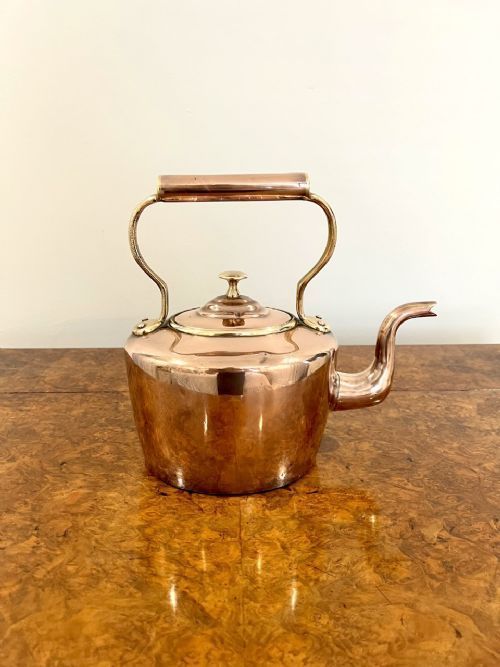


Antique Metalware Kettle
An antique metalware kettle brings centuries of functional hearth craft into modern rooms through heavy copper, warm brass, and cast iron.
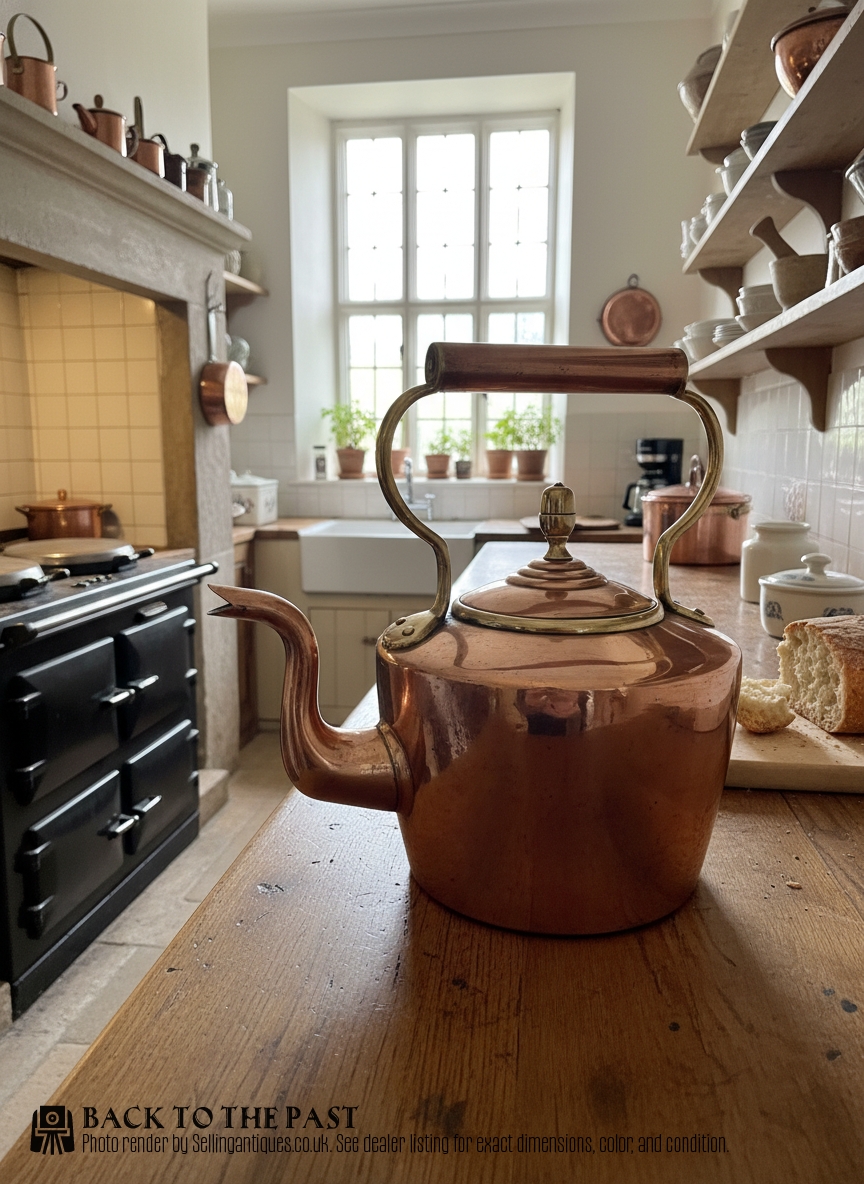
Antique Metalware Kettle
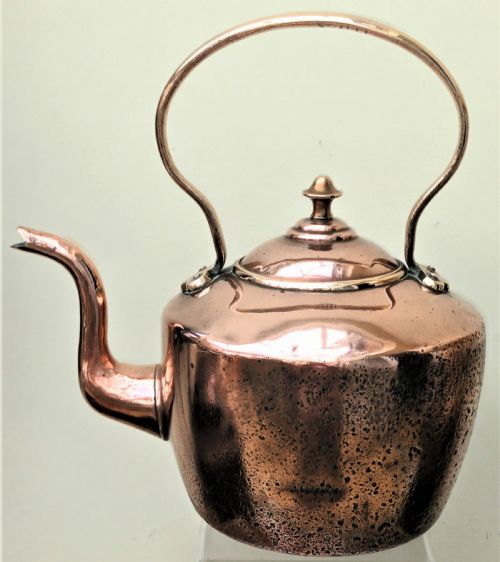
When you search for an antique metalware kettle, you encounter domestic vessels built for boiling water over an open hearth or a dedicated spirit burner. The selection spans robust George III copper designs, decorative Victorian examples with brass fittings, and specialised forms including fish kettles and sake kettles.
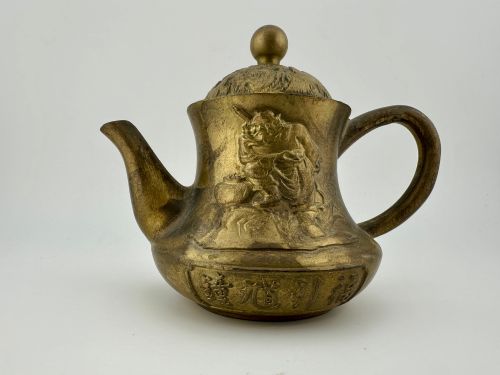
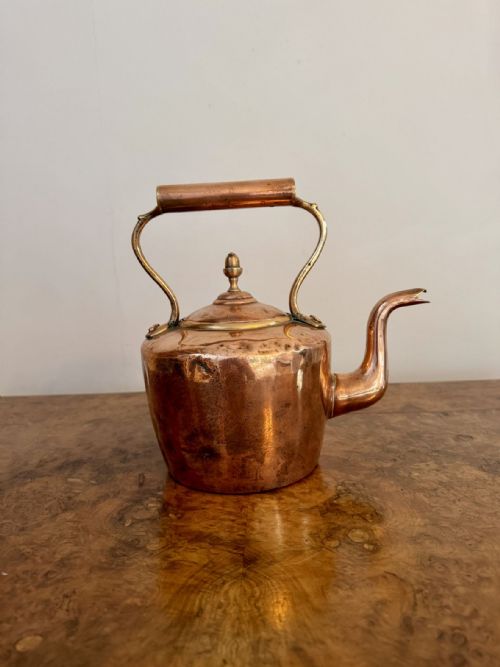
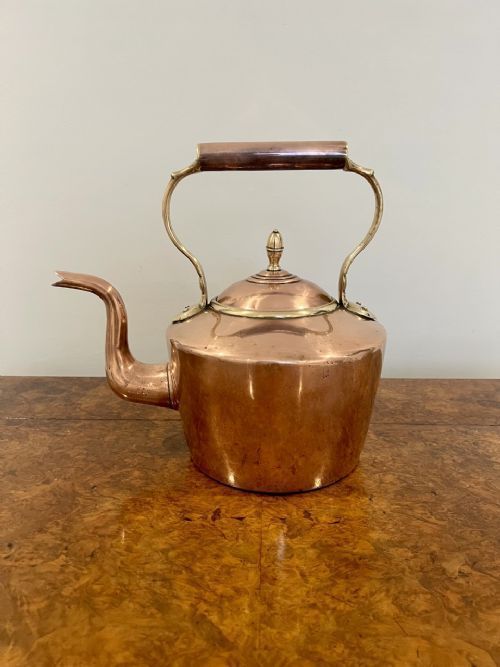
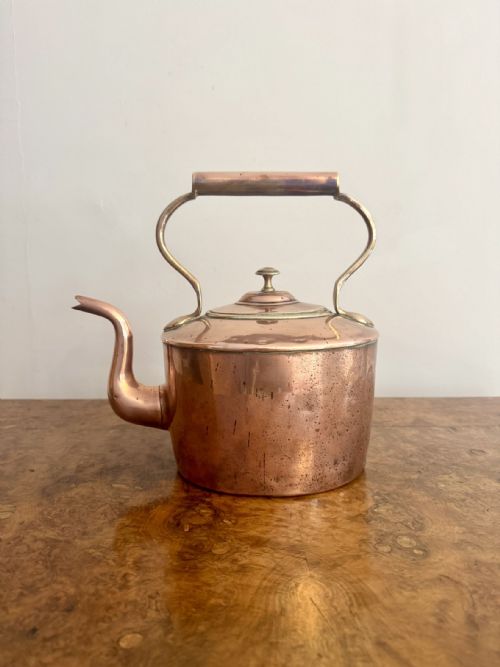
The version you meet most frequently on this page is the English copper kettle dating from the Georgian and Victorian eras, often featuring a swing handle and generous proportions. Alongside these domestic tea vessels appear Japanese Edo period sake kettles with cloisonne lids and Chinese brass bronze teapots.
These objects bridge the gap between utilitarian kitchen equipment and decorative arts, reflecting the metalworking standards of the eighteenth and nineteenth centuries. Each piece displays the specific hallmarks of its period, from the simple oval shapes of the early nineteenth century to the elaborate stands of the later Victorian years.
Materials and construction
Makers formed the primary bodies of these vessels from beaten copper, heavy brass, and occasionally cast iron, shaping the metal by hand or utilising early industrial methods. Handles incorporated insulating materials such as wood, while decorative elements featured enamel and intricate bronze casting.
Techniques relied on skilled hammering, riveting, and soldering to ensure watertight integrity under daily heat. Surface finishes ranged from polished copper sheen to the detailed cloisonne enamel work seen on Japanese import pieces.
The documented periods span the Georgian era through the late nineteenth century and the Japanese Edo period.
Evaluating the standard
Quality rests in the weight of the metal, the crispness of the hand-beaten form, and the integrity of the original joints and handles. Superior examples maintain their structural balance and retain authentic brass or copper patination without excessive modern intervention.
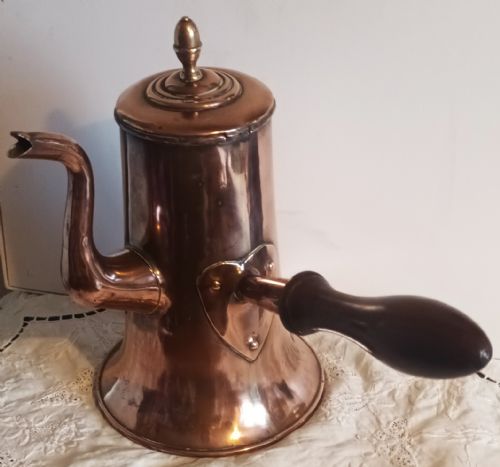
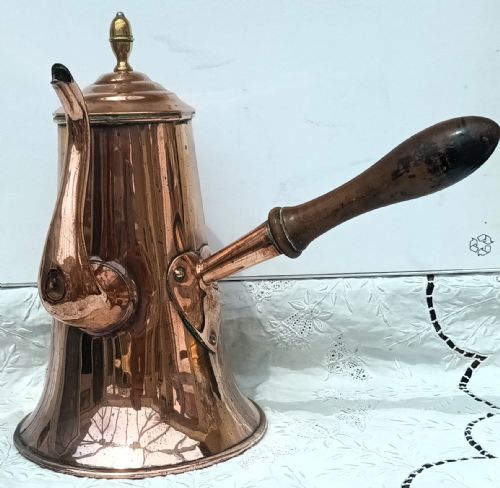
Detailing separates standard domestic utility vessels from finer pieces, such as the inclusion of cast brass mounts, original spirit stands, or specialised decorative lids. The harmony between the main body and auxiliary elements like wooden handle grips determines the overall success of the piece.
William Soutter And Sons·James Clews·Jones Bros Dow St W
The Antique Metalware Kettle Glossary
- Spirit kettle
- A water vessel mounted on a metal stand with an integrated burner for heating at the table. These often date from the Victorian period.
- Fish kettle
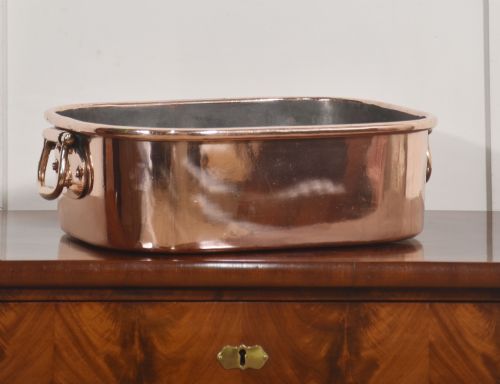
- An elongated metal pan with a lid, designed specifically for poaching whole fish. They appear in heavy copper across nineteenth-century listings.
- Cloisonne
- An ancient technique for decorating metalwork objects with coloured material held in place by thin metal strips. It appears on lids of Japanese sake kettles.
- Samovar
- A heated metal container traditionally used to boil water for tea. Victorian examples combine brass and copper elements with large urn forms.
- Aesthetic Movement
- A late nineteenth-century design style emphasising visual beauty over narrative subject matter. Pieces from this era often feature refined artistic brasswork.
Antique Metalware Kettle: Frequently Asked Questions
What is an antique metalware kettle?
An antique metalware kettle is a domestic boiling vessel fashioned from materials like copper, brass, and iron during the Georgian, Victorian, or Edo periods. These pieces served practical roles on hearths or stoves before transitioning into decorative display items.
They encompass a wide variety of forms, from large English tea urns and fireside kettles to specialised Japanese sake vessels and long fish kettles.
How do I date a copper kettle?
Dating relies on observing manufacturing techniques, handle attachments, overall shape, and stamped maker marks where present. George III examples often show hand-beaten construction and simple oval or round profiles.
Victorian pieces frequently introduce more complex stands, spirit burners, and heavier brass fittings. Comparing the specific patina and material combinations helps narrow the period of origin.
Can I use an antique kettle for boiling water?
While these kettles were originally built for boiling water over heat sources, most owners today use them purely for display. Historic soldering, interior wear, and the presence of tin linings mean modern use requires careful restoration and testing.
Displaying them allows you to appreciate the warm copper tones and traditional metalworking techniques without risking damage to the historical fabric.
How should I clean a copper kettle?
Maintaining copper involves preserving the historic surface rather than aggressively scouring it to a modern mirror shine. Gentle dusting and occasional light cleaning help maintain the natural patination built up over centuries.
Avoid harsh chemical dips that strip away the authentic aged character of the metal.