



Antique Metal Wall Relief
These antique metal wall relief pieces bring sculptural depth to interiors, spanning centuries of skilled casting and chasing.
Antique Metal Wall Relief
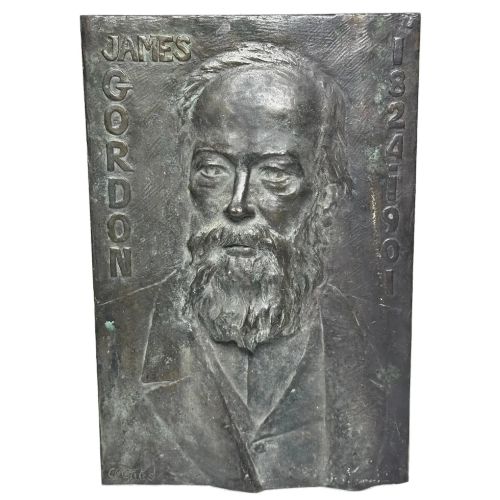
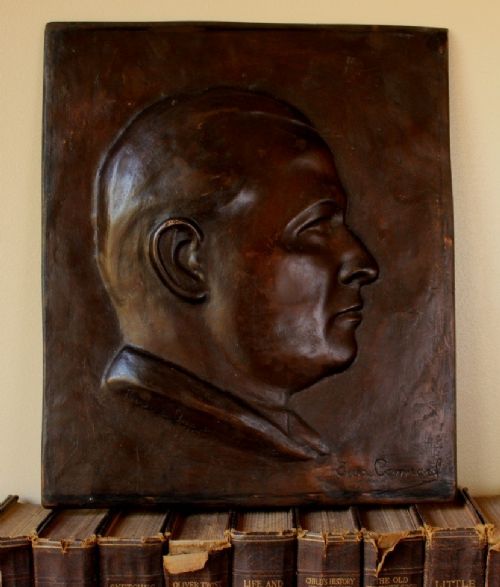
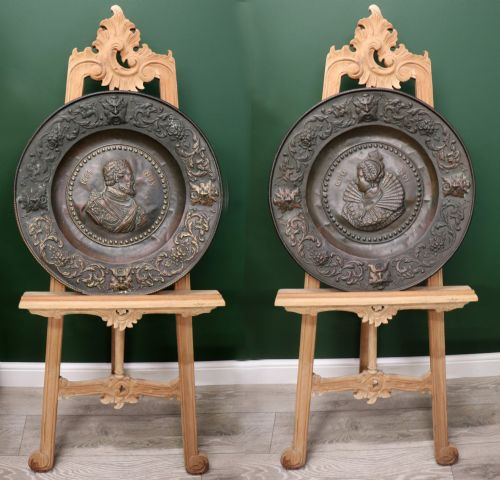
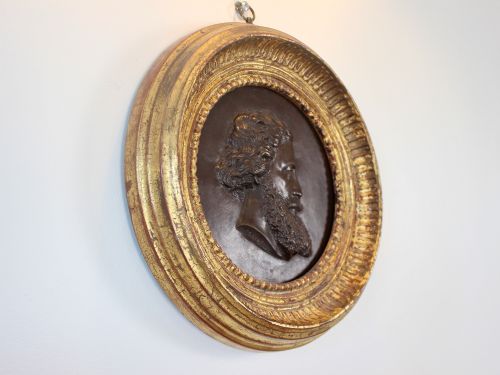
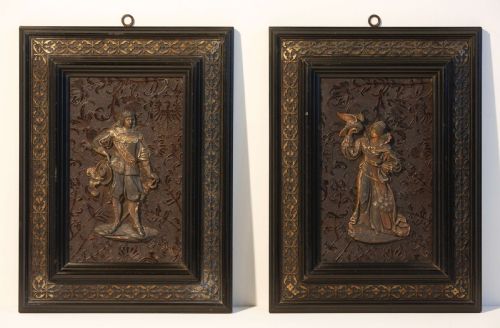
An antique metal wall relief is a decorative plaque, charger or sculptural panel designed to hang on a flat surface, projecting from a background to form figures, portraits or heraldic crests. These works range from small commemorative portrait medallions in brass and bronze to monumental cast iron chargers and copper display plates.
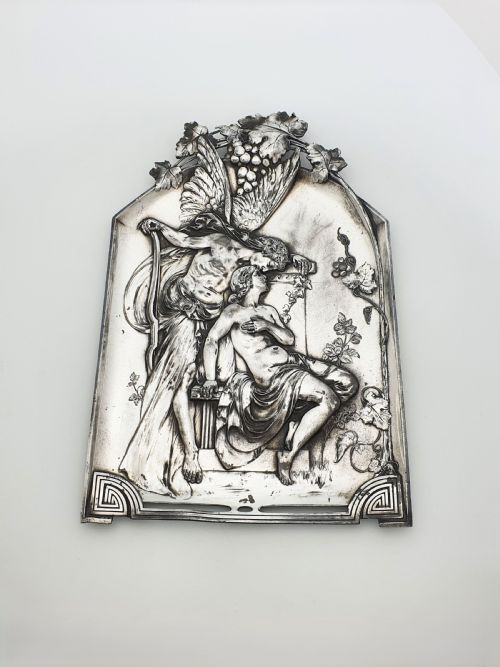
The selections span the eighteenth, nineteenth and early twentieth centuries, capturing periods from Neoclassical and Victorian to Art Nouveau and Art Deco. Buyers encounter portraits of historical figures, classical mythological scenes such as Neptune or Diana, and detailed heraldic crests intended for prominent display.
Most examples originate from British, French, German and Italian workshops, reflecting diverse regional casting traditions. They serve as tangible records of historical events, international exhibitions, royal jubilees and personal achievements rendered in durable media.
How they were made
Makers utilised bronze, copper, brass, cast iron, silver plate and white metal, often casting pieces using sand-casting or lost-wax methods to achieve high levels of detail. Electrotyping also emerged during the nineteenth century, allowing firms to reproduce intricate sculptural surfaces directly from metal originals.
Surviving metal reliefs record everything from steam engines and lawn bowling to Queen Victoria, proving Victorians would cast literally anything in bronze.
What varies in quality
The crispness of the cast defines the primary tier of quality, separating sharp, deeply undercut relief work from soft, blurred secondary castings. Superior pieces retain clear artist signatures, foundry stamps or exhibition marks that evidence careful studio production.
The quality of the material and the sophistication of the patination further distinguish finer works, as does the preservation of original mounting frames and hardware. Pieces featuring complex multi-figure compositions or detailed hand-chased surfaces generally represent higher levels of period craftsmanship.
Alice Gates·Eugene Canneel·Smith Beck And Beck·Mainfroy·Gustav Grohe·Elkington And Co·Kasli Foundry·Coalbrookdale·J Lavergne
The Antique Metal Wall Relief Glossary
- Relief
- A sculptural technique where the sculpted elements remain attached to a solid background of the same material. High relief projects significantly from the plane, while low relief stays flatter.
- Charger
- A large ceremonial or decorative plate intended for display rather than dining. These often feature elaborate historical or mythological scenes across the centre and rim.
- Electrotype
- A replica produced by electroplating metal onto a mould or original object. This technique gained popularity in the nineteenth century for reproducing museum-quality metalwork.
- Patina
- The surface sheen or coloration developed through age, handling or chemical treatment. Collectors value original patinas that indicate honest wear and unpolished metal surfaces.
- Chasing
- The manual finishing of a metal casting using hammers and punches to refine details, remove surface flaws and sharpen lines. This skilled process elevates raw casts into finished works.
Antique Metal Wall Relief: Frequently Asked Questions
What is an antique metal wall relief?
An antique metal wall relief is a sculptural plaque or charger designed for hanging, featuring raised figures, portraits or decorative motifs cast or hammered in metals like bronze, copper or iron.
These pieces were produced across various historical periods as commemorative items, art objects or architectural ornaments for domestic and public interiors.
How do I hang a heavy metal plaque?
Heavy metal plaques and cast iron chargers require secure fixings anchored directly into wall studs or masonry using appropriate wall plugs and screws.
Many period pieces retain their original rear hanging loops or brackets, but you should verify their structural integrity before supporting significant weight.
How do I clean antique bronze or copper?
Cleaning antique bronze or copper generally requires only gentle dusting with a soft, dry cloth to preserve the historical surface and accumulated patina.
Avoid aggressive metal polishes or abrasive cleaners, as stripping the natural aged surface can diminish both the visual character and historical value of the piece.
How can I tell the period of a metal relief?
Dating relies on stylistic clues such as the flowing organic lines of Art Nouveau, the strict symmetry of Neoclassical design, or specific costume details depicted in portrait plaques.
Foundry marks, artist signatures, registration numbers and exhibition medals stamped into the metal also provide precise chronological markers for identification.