


Antique Metal Trophy
An antique metal trophy carries the weight of a specific victory or presentation, taking forms from seaplanes to loving cups.
Antique Metal Trophy
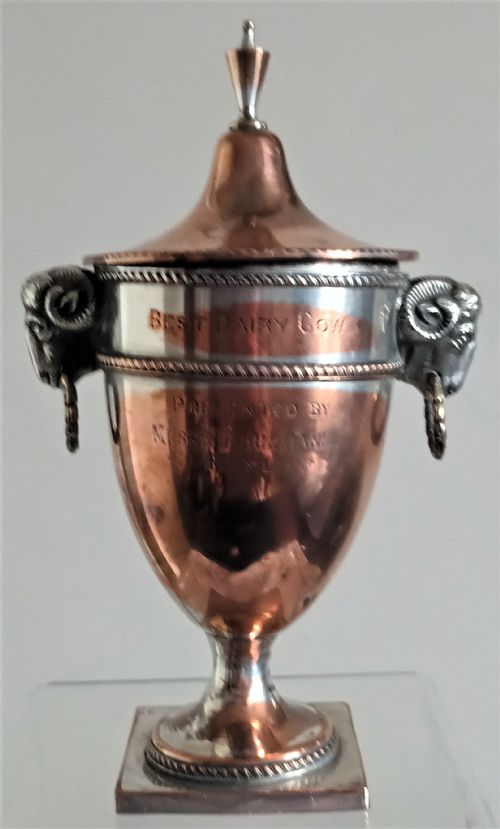
When you search for an antique metal trophy, you find an eclectic mix of competitive silverware, sporting models, and decorative presentation pieces spanning several centuries. The selection encompasses items ranging from early Georgian Old Sheffield plate loving cups to twentieth-century sporting awards and aeronautical models.
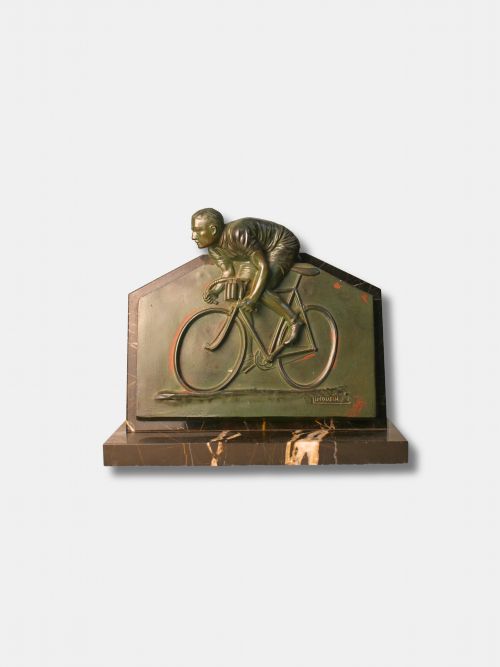
The most common pieces you will encounter skew heavily toward sports and presentation objects from the nineteenth and twentieth centuries, including cycling, horse racing, and aviation themes. These often take the form of detailed models mounted on stone or wooden plinths, alongside traditional handled cups and presentation vases.
Origins vary widely across the inventory, taking in English workshops, French foundries, German manufacturers, and Indian regional centres such as Kutch. Each piece reflects the specific aesthetic of its decade, shifting from classical revival motifs to crisp Art Deco machinery.
Materials and construction
Makers utilised a broad spectrum of metals, running from traditional sterling silver and silver plate to Old Sheffield plate, copper, brass, and gilt bronze. Certain pieces incorporate mixed media, pairing metal frames with cherry wood, wire mesh, or onyx plinths.
Construction techniques depend heavily on the period and function, combining cast metal elements with hand-chasing, plating, and mounted sculptural figures. Surface finish is achieved through gilding, patination, or polished plating over base metals.
Aviation history makes a spirited appearance alongside traditional equestrian pursuits, with models of seaplanes and aircraft taking pride of place.
Judging quality in metal awards
Quality rests in the crispness of the casting and the fidelity of the sculptural detail, particularly on figural works depicting horses, jockeys, or aircraft. Superior examples display clean chasing that defines musculature, rigging, or floral scrolls without soft edges.
The integration of the object with its base or plinth dictates the overall success of the piece, as does the quality of any engraved dedication. Maker marks and presentation inscriptions executed with clean lettering add a layer of documentary interest.
W.M.F.
The Antique Metal Trophy Glossary
- Old Sheffield Plate
- A method of fusing a thin sheet of silver to a thicker copper base by heat and pressure. This technique was largely superseded by electroplating in the nineteenth century.
- Gilt Bronze
- Bronze that has been coated with a thin layer of gold using fire gilding or mercury methods. It provides a rich, durable golden surface seen on French decorative objects.
- Spelter
- An alloy primarily of zinc, frequently used as a cheaper substitute for bronze in decorative figures and statues. It takes patination well but is softer than bronze.
- Loving Cup
- A large drinking vessel with two or more handles, traditionally passed around among guests or presented as a communal prize. They appear in silver and plated metals from the eighteenth century onward.
Antique Metal Trophy: Frequently Asked Questions
What metals are used in these trophies?
The pieces utilise a wide variety of metals, including silver, silver plate, Old Sheffield plate, brass, copper, gilt bronze, and aluminium.
Selection depends on the era, with earlier pieces favouring plated copper and later examples incorporating diverse base metals and alloys.
How do I identify the date of a trophy?
Dates are typically assessed through style, mounting techniques, hallmarks, and engraved presentation inscriptions detailing specific events.
Stylistic cues range from Georgian classical restraint to Art Deco machinery and French revival ornamentation.
Are all these pieces sports awards?
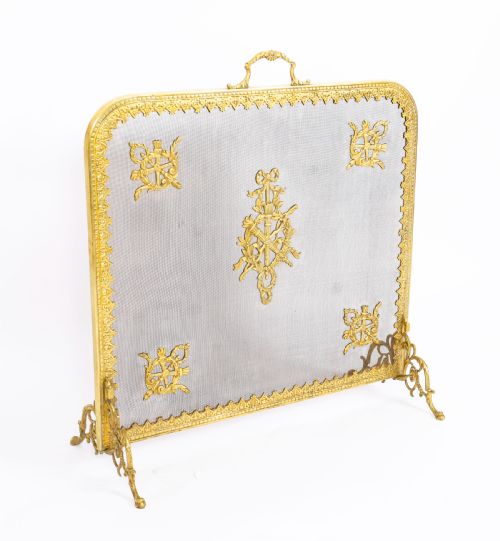
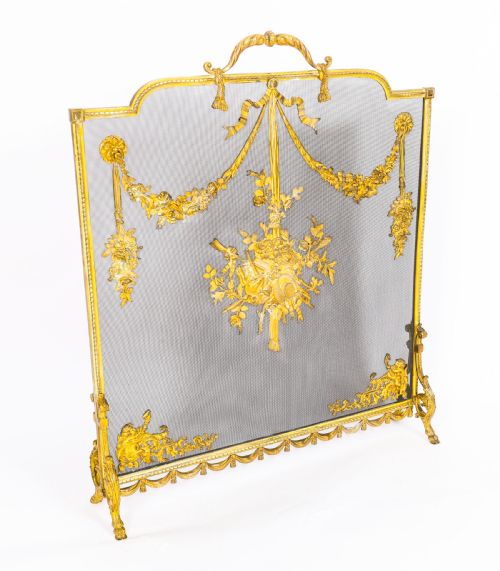
Many items record competitive events such as cycling races, horse racing derbies, sailing regattas, and motoring concours. Other pieces function as general presentation vessels, decorative vases, or architectural fire screens with trophy motifs.
Their unifying trait is the commemorative or presentation nature of their design.
How should I display a metal trophy?
These objects suit placement on sideboards, mantelpieces, or dedicated display counters where their sculptural forms and reflective surfaces can be appreciated.
Care should be taken with mixed media items, particularly those combining metal with onyx plinths or wood.