


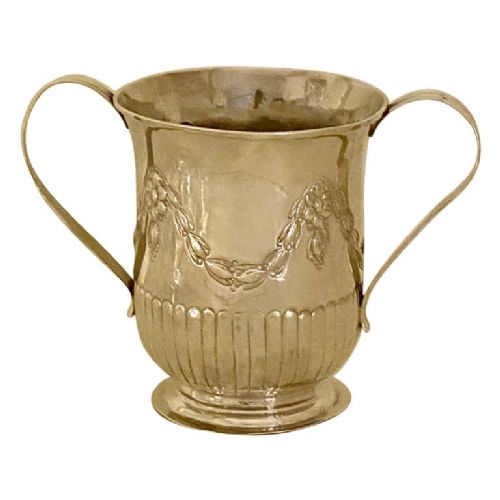

Georgian Silver Loving Cup
A georgian silver loving cup is a double-handled vessel designed for communal toasts, prized by collectors for its fine metalwork and social history.
Georgian Silver Loving Cup
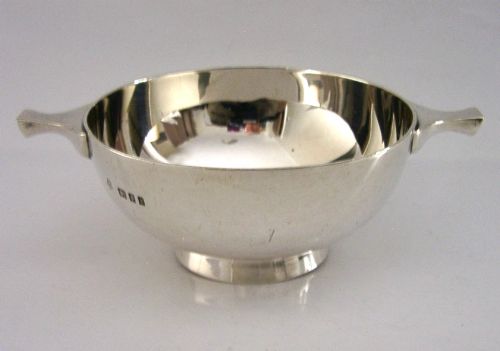
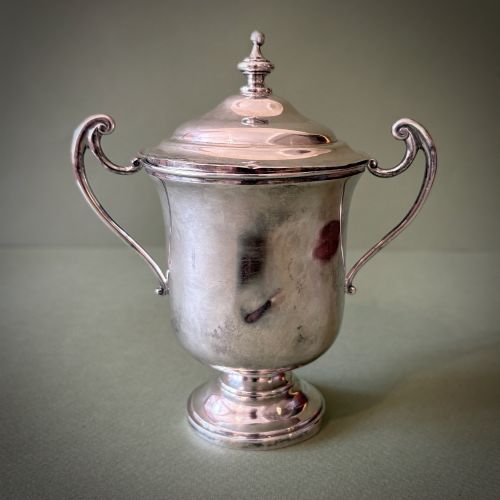
A georgian silver loving cup is a substantial two-handled drinking vessel designed for communal use during toasts and celebrations. The pieces available here span the eighteenth and nineteenth centuries, taking the form of campana-shaped cups, trophies, porringers, and lidded vessels. Originating from English, Irish, and early American workshops, these pieces showcase the distinctive aesthetics of the Georgian era alongside Regency and William IV revivals.
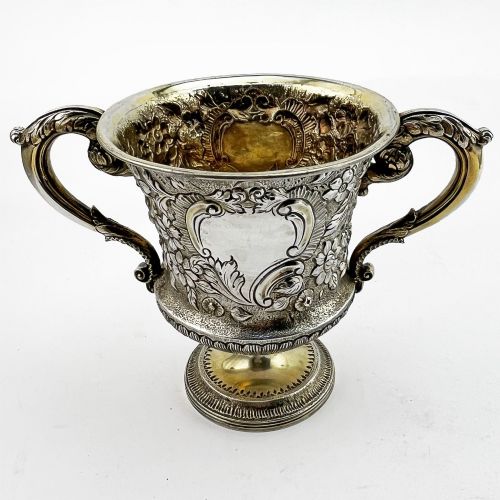
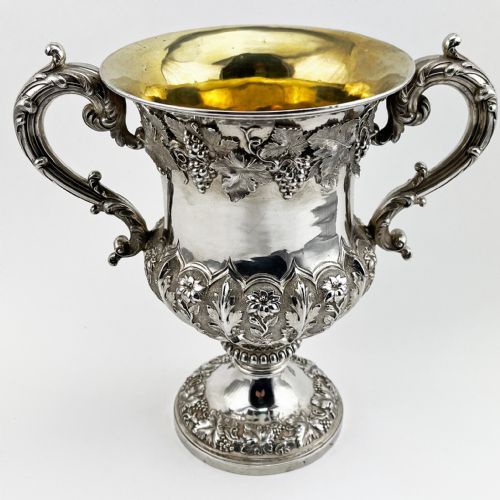
Most examples feature a sturdy foot, a deep bowl, and a pair of scroll or loop handles intended for passing between guests. Some selections include covers, liners, or gilt interiors that enhance their decorative appeal and historical utility. These vessels reflect the social rituals of past centuries, where communal drinking was an integral part of formal hospitality.
Materials and Craftsmanship
The majority of these pieces are fashioned from sterling silver, with select examples utilising silver gilt, vermeil, or copper. Silversmiths employed techniques such as raising, casting, and chasing to shape the metal and apply intricate decorative motifs. Hallmarks stamped into the body typically record the maker's mark, town mark, and date letter, providing a reliable record of origin.
Alternative manufacturing methods appear in pieces made from Sheffield plate, where a thin layer of silver is fused to a copper base. This technique offered a more accessible option while maintaining the bright appearance of solid silver. Gilt highlights and interior gilding were frequently applied to protect the silver from acidic contents during use.
The selection includes pieces forged in sterling silver, Sheffield plate, and copper, hailing from eighteenth and nineteenth century workshops.
Assessing Quality
Quality in a georgian silver loving cup rests on the crispness of the chasing, the balance of the proportions, and the integrity of the handles. Superior examples display firmly cast handles and clean, legible hallmarks that have not been worn down by centuries of polishing. The weight of the metal and the precision of the form distinguish workshop masterpieces from standard commercial production.
The presence of original gilding, fitted liners, and well-preserved maker marks elevates the standing of a piece. Differences in quality also stem from the ambition of the design, ranging from plain functional bowls to elaborate campana shapes adorned with heraldic engraving.
Thomas Sutton·Richard Gurney·Peter William Bateman·William and James Priest·Benjamin Cartwright I·Joseph Bell I
The Georgian Silver Loving Cup Glossary
- Sterling silver
- An alloy consisting of ninety-two point five percent silver and seven point five percent other metals, chosen for durability in domestic plate. This standard was strictly regulated by assay offices.
- Campana
- A bell-shaped vessel profile commonly used for large cups and trophy forms during the eighteenth century. This silhouette provides stability and ample space for armorial engraving.
- Porringer
- A small, two-handled bowl used for broths or porridges, often adapted for general display or ceremonial drinking. The handles are typically flat and pierced.
- Sheffield plate
- A composite material made by fusing a sheet of silver to a heavier copper base under heat and pressure. It was widely used for hollowware before the invention of electroplating.
- Silver gilt
- Sterling silver that has been coated with a thin layer of gold through a chemical or fire-gilding process. This treatment gave an opulent finish to the interior of drinking vessels.
Georgian Silver Loving Cup: Frequently Asked Questions
What is a loving cup?
A loving cup is a large drinking vessel equipped with two or more handles, traditionally passed around a table among guests for shared toasts.
In the Georgian period, these vessels played a central role in banquets, weddings, and civic ceremonies as symbols of goodwill and unity.
How do I read silver hallmarks?
British hallmarks typically consist of a maker's mark, a standard mark indicating sterling purity, a town mark for the assay office, and a date letter.
These stamps allow collectors to trace the exact year and place of manufacture, as well as the silversmith responsible for the work.
Can I use these cups for drinking?
While these vessels were originally created for functional use during toasts, many collectors now treat them as display pieces.
Solid silver is safe for consumption, but antique pieces require careful hand washing and maintenance to preserve their historic surfaces.
What distinguishes Sheffield plate from solid silver?
Sheffield plate is constructed by fusing a thin layer of silver to a copper core, visible upon close inspection at seams or worn spots.
Solid silver maintains the same metal composition throughout the entire thickness of the body and carries official assay hallmarks.