





Antique Metal Strongbox
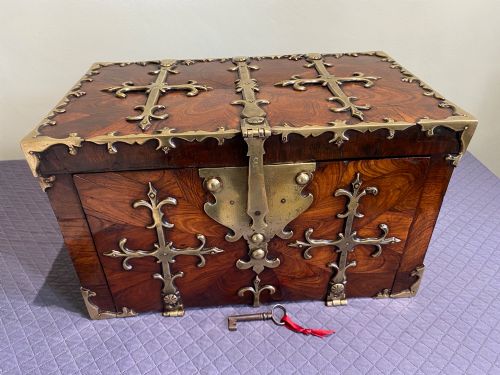
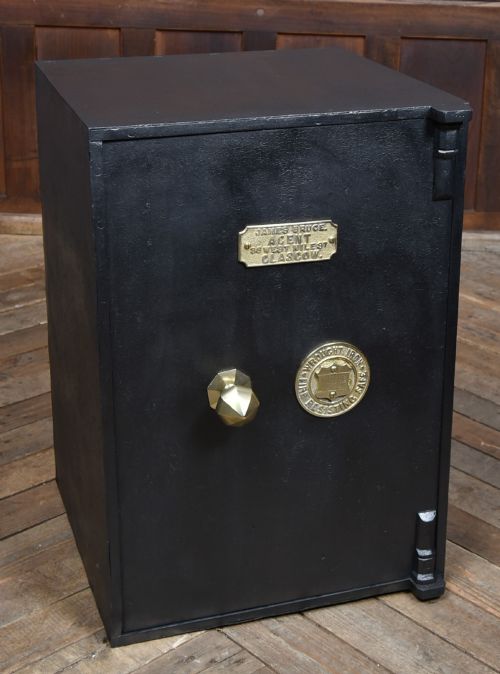
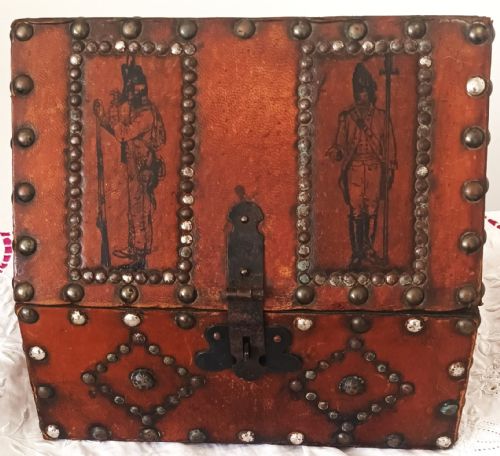
These antique metal strongbox examples span from sturdy iron and steel caskets to refined kingwood coffre fortes designed to protect valuables.

Antique Metal Strongbox
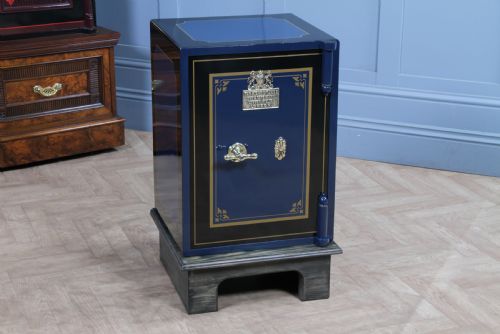
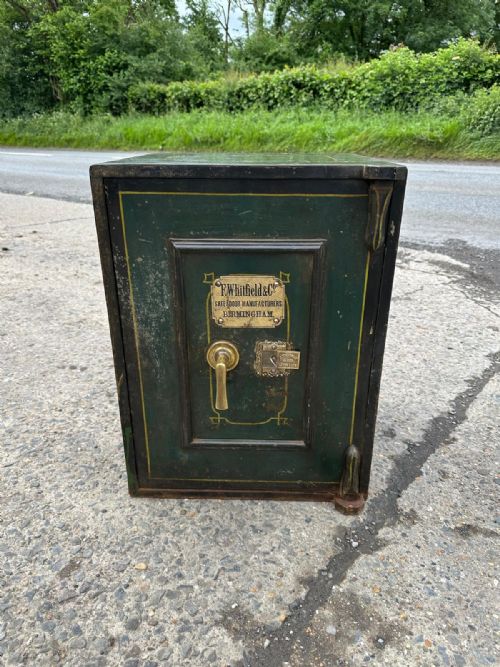
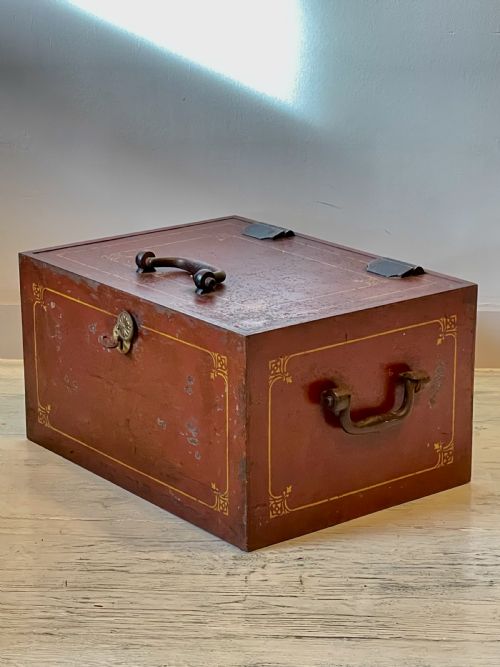
An antique metal strongbox is a secure repository for valuables, evolving from early iron armada chests and Nuremberg caskets into Victorian and industrial safes. Buyers seeking an antique metal strongbox encounter diverse forms ranging from sixteenth century European caskets to nineteenth century factory-built models on stands.
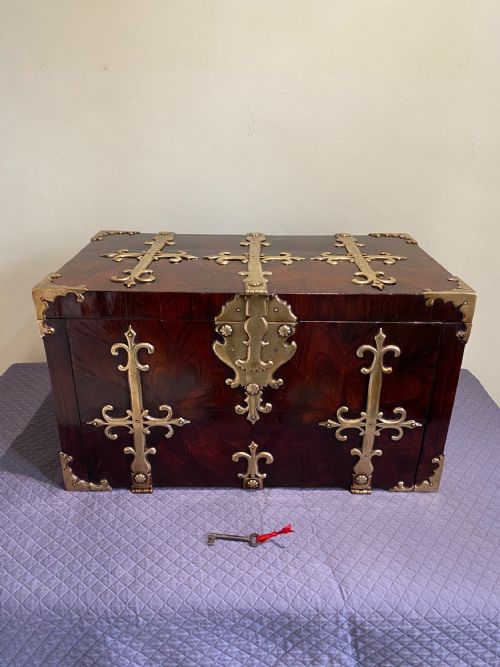
The selections span several centuries, highlighting utilitarian iron boxes alongside decorative luxury pieces veneered in kingwood or bound in brass. These objects served domestic, mercantile, and institutional purposes before modern banking security took standard forms.
How they were made
Makers utilised heavy cast iron, wrought iron, and polished steel to construct the body of each box, frequently reinforcing seams with structural metal straps. Wood such as oak and kingwood provides core support or external veneer, often combined with leather bindings.
Locksmiths integrated intricate internal mechanisms with multiple bolts, operating through concealed faceplates or decorative keys. Surface finishing involved painting, polishing, or mounting brass hardware to complete the protective casing.
Several seventeenth century armada chests conceal their elaborate locking levers beneath spring loaded brass plates designed to deceive curious intruders.
What varies in quality
The refinement of the locking mechanism and the complexity of its internal bolt work dictate the technical standard of each piece. Elaborate engraving on steel plates or intricate ironwork distinguishes workshop production from standard utility boxes.
Material selection and decorative treatment, such as fine kingwood veneer or bespoke cabinetry stands, separate utilitarian storage vessels from high status domestic pieces.
James Bruce·F. Whitfield and Co.·Milners of Liverpool·Waring and Sons·George Price·Tanns
The Antique Metal Strongbox Glossary
- Armada chest
- A heavy iron storage chest reinforced with external strapwork and equipped with a complex lid locking mechanism. These pieces date primarily to the seventeenth century and were utilised for transporting valuables.
- Coffre forte
- A French term for a strongbox or safe, often denoting high status portable containers veneered in exotic timbers like kingwood. They feature reinforced internal compartments for secure storage.
- Nuremberg casket
- A portable sixteenth century or seventeenth century steel strongbox featuring complex internal locking lids concealed beneath decorated plates. They originated in German manufacturing centres.
- Safe
- A heavy metal container designed to resist fire and forced entry, developing during the nineteenth century with patented locking systems. Makers integrated these into custom wooden stands or cabinetry.
Antique Metal Strongbox: Frequently Asked Questions
How do I secure the lid mechanism?
Most historical strongboxes operate via original keys that engage complex multi-bolt systems concealed within the lid. Turning the key retracts the internal dogs from the housing flange.
Some seventeenth century examples require precise sequencing of secondary levers or decoy keyholes to release the main latch.
Are these boxes fireproof?
Victorian models by makers such as George Price incorporate insulated cavity walls designed to withstand structural fires. Earlier iron chests and wooden caskets rely entirely on metal thickness and robust locking integrity rather than thermal insulation.
Buyers should inspect the interior linings to determine the specific protective classification of each Victorian safe.
How do I clean polished steel surfaces?
Maintain polished steel and iron components using microcrystalline wax applied with a soft cloth to prevent oxidation. Avoid abrasive cleaners that strip historic patination from the metal.
Keep wooden elements such as oak or kingwood conditioned with appropriate furniture wax, protecting any leather bindings from excess moisture.
Can I place a strongbox on a wooden floor?
Due to the substantial weight of cast iron and steel bodies, ensure the supporting floor structure can bear the load safely. Many nineteenth century examples include dedicated wooden cabinets or stands that distribute this weight evenly.
Use protective felt pads beneath heavy iron feet if resting the box on polished timber floorboards.