

Antique Metal Log Container
An antique metal log container brings hearthside utility together with nineteenth and early twentieth century metalwork.
Antique Metal Log Container
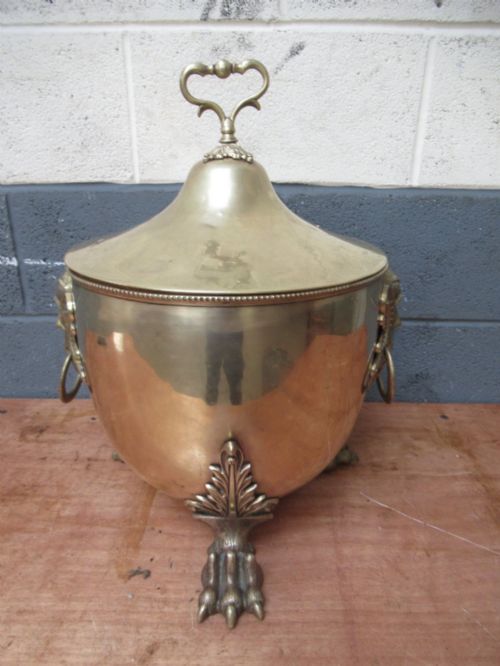
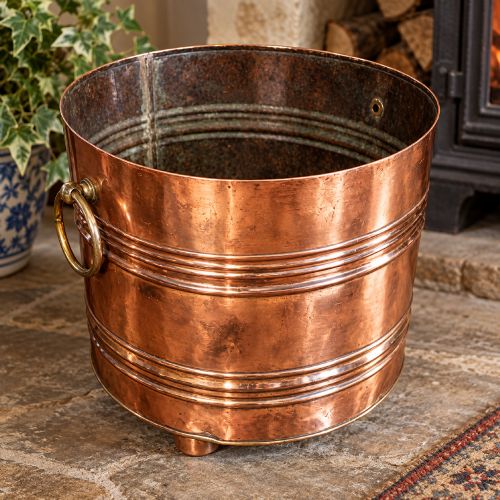
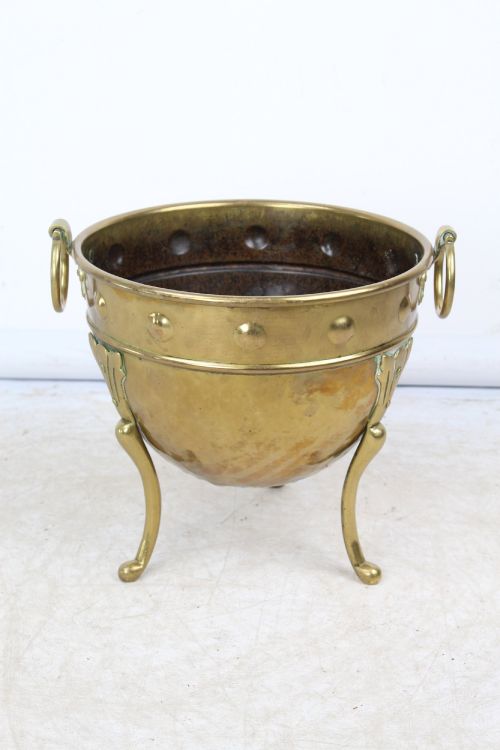
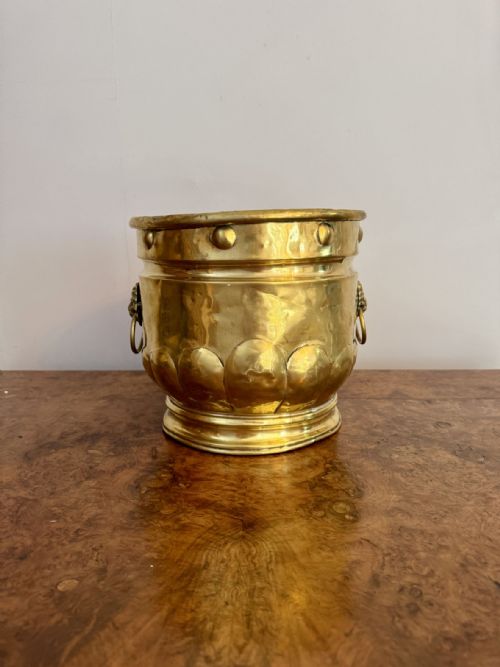
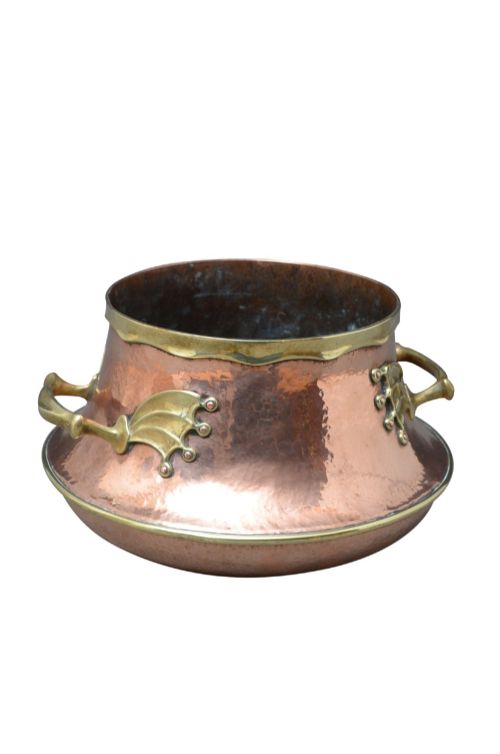
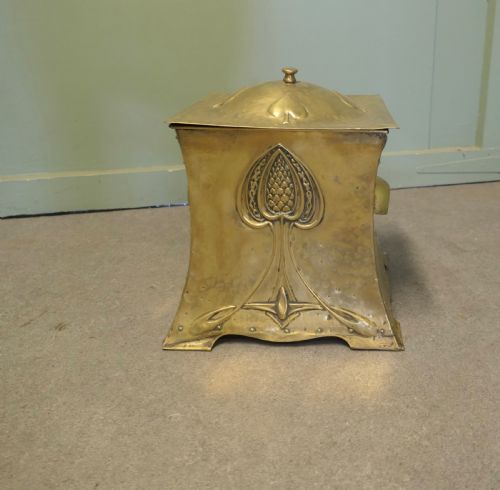
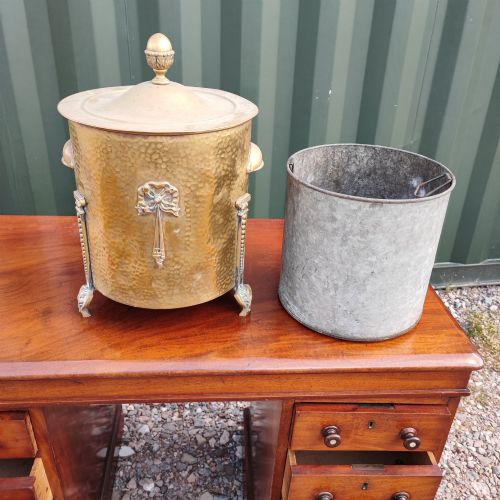
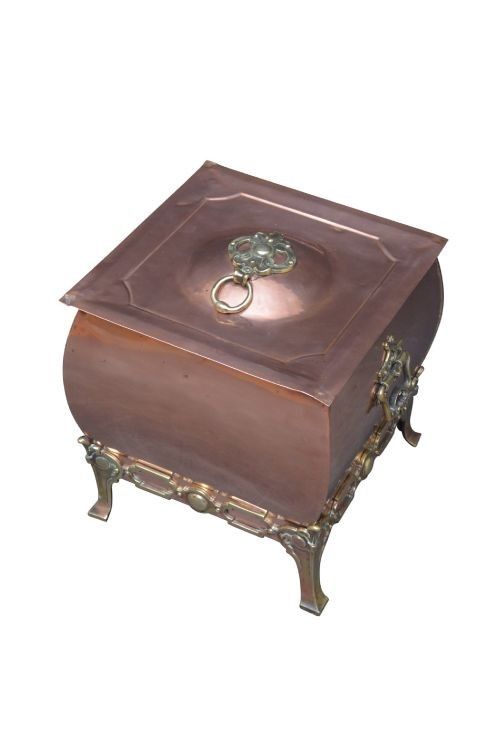
An antique metal log container serves as a robust receptacle for fireplace fuel, frequently taking the form of a log bin, coal bucket, or scuttle. You will encounter Victorian and Edwardian examples fashioned from brass and copper, often doubling as planters or jardinieres.
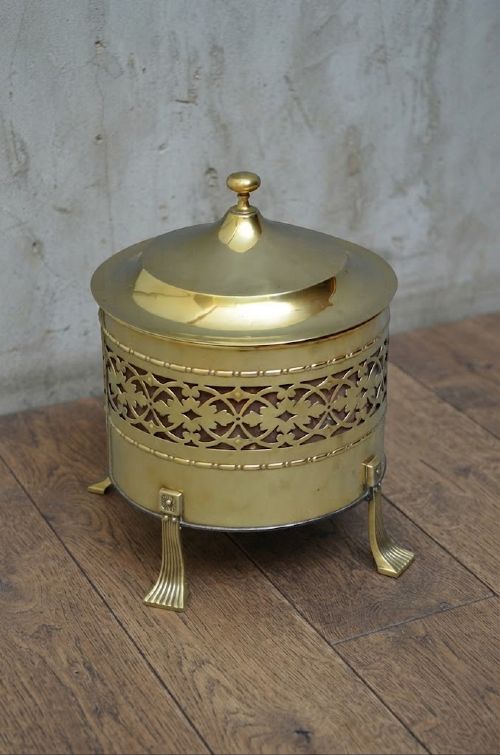
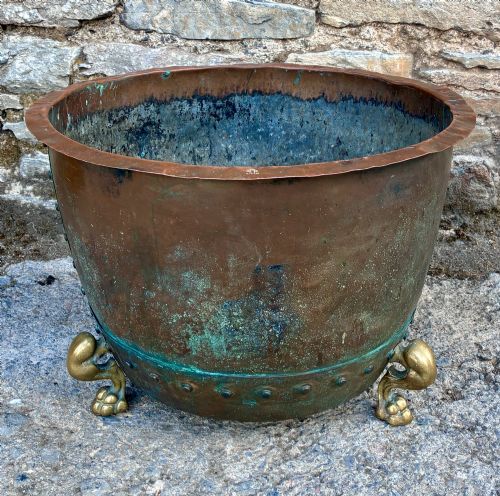
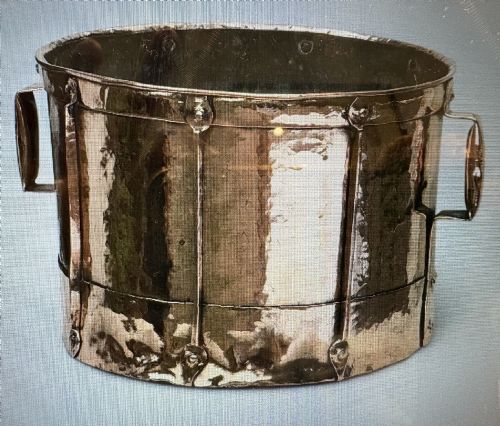
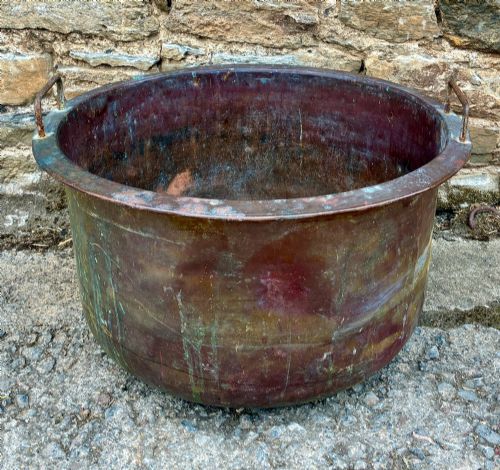
The selection ranges from heavy riveted copper vessels and iron frames to brass buckets bearing fretwork designs or embossed decoration. Many pieces originate from the nineteenth century, reflecting periods such as the Arts and Crafts and Art Nouveau movements.
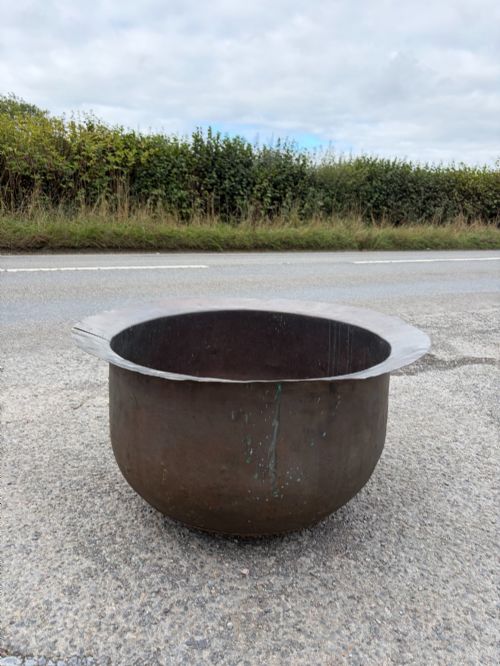
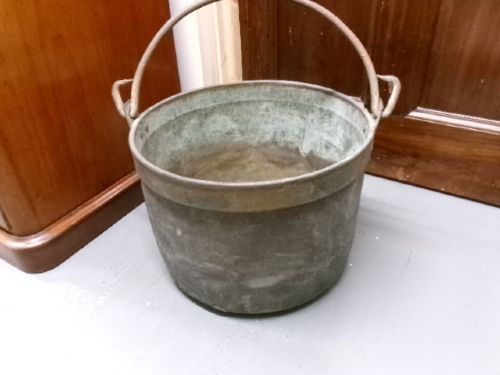
Makers adapted utilitarian items like grain measures and wash tubs into fireside storage, producing functional vessels with swing handles and metal bands. These containers sit naturally beside a hearth, combining industrial weight with decorative presence.
Materials and construction methods
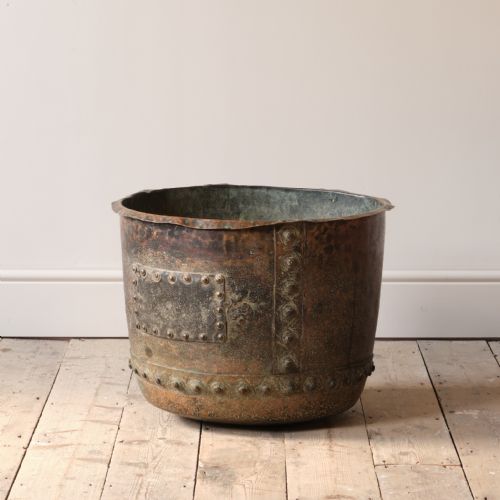
Makers utilised sheet brass, copper, and iron, joining the metal panels with visible rivets to ensure structural rigidity for holding heavy logs. Wrought iron and galvanised metal provide robust support frames and handles on utilitarian bins.
Workshops employed hand-hammering, embossing, and fretwork techniques to ornament the surfaces of brass and copper vessels with tavern scenes or floral motifs. Riveted seams and iron bands reinforce the bodies of large wash tubs and boilers adapted for domestic firesides.
One listed fire bin on wheels previously laboured at the Richard Arkwright Masson Mills before retiring to domestic hearth service.
Judging the standard of manufacture
The quality of an antique metal log container rests upon the thickness of the metal sheet and the integrity of its riveted joints. Heavier copper and brass gauges retain their shape better under the weight of fuel.
Finishing details distinguish finer pieces, such as crisp embossing, well-fitted brass liners, and forged iron handles that bear the marks of thoughtful manual labour. Inferior examples exhibit thin gauge metal that easily dents and lacks supportive framing.
Henry Loveridge·Richard Arkwright Masson Mills·Petrus Ramus
The Antique Metal Log Container Glossary
- Coal scuttle
- A container designed for holding coal near a fireplace, typically featuring a sloping body and a carrying handle. These vessels frequently double as log holders.
- Jardiniere
- An ornamental pot or receptacle, usually made of ceramic or metal, intended to hold plants or flowers. Many brass and copper examples serve a dual purpose as log bins.
- Riveted
- Joined using metal pins that are hammered flat at the ends. This technique provides structural strength to heavy copper and iron vessels.
- Fretwork
- Ornamental design executed by cutting patterns through metal or wood. Edwardian and Arts and Crafts examples often display this openwork decoration.
- Swing handle
- A movable metal handle attached to opposite sides of a bucket or cauldron. It allows for balanced carrying of heavy loads.
Antique Metal Log Container: Frequently Asked Questions
What metals were used for these containers?
Makers utilised brass, copper, iron, wrought iron, and zinc across the nineteenth and early twentieth centuries.
These materials provided the necessary durability to withstand the weight of timber and coal near a fireplace.
How do I date a copper log bin?
Dating relies on stylistic clues, construction methods like hand-riveting, and periods such as Victorian, Edwardian, or Arts and Crafts.
Makers often incorporated decorative movements like Art Nouveau into the metalwork of the period.
Were these always meant for logs?
Many containers served multiple domestic functions, including coal storage, water transport, and use as plant jardinieres or wash tubs.
Adaptability was common, and pieces often functioned as planters or grain measures before finding a place by the hearth.
How do I clean an antique metal container?
Maintenance depends on the desired finish, though gentle dusting and preserving patinated surfaces are generally recommended for older copper and brass.
Harsh abrasive cleaners can strip away the historical character accumulated over a century of use.