




Victorian Iron Handle Bucket
These Victorian iron handle bucket examples bring honest 19th-century utility and rich metallic warmth directly to your hearth.
Victorian Iron Handle Bucket
A victorian iron handle bucket combines robust metal or wooden vessels with sturdy wrought iron or metal handles designed for heavy everyday tasks. Buyers searching for this phrase encounter functional items originally built for carrying fuel or provisions around the home and garden.
The selections available here lean heavily toward copper, brass, painted iron, and oak forms originating from the 19th century. You will frequently find coal buckets, log bins, cauldrons, and fireside accessories that bridge practical domestic service with decorative rustic charm.
Many examples showcase distinct stylistic influences ranging from Arts and Crafts and Art Nouveau to Folk Art and rustic farmhouse aesthetics. These variations demonstrate how everyday utility items were given artistic attention during the Victorian period.
Materials and construction
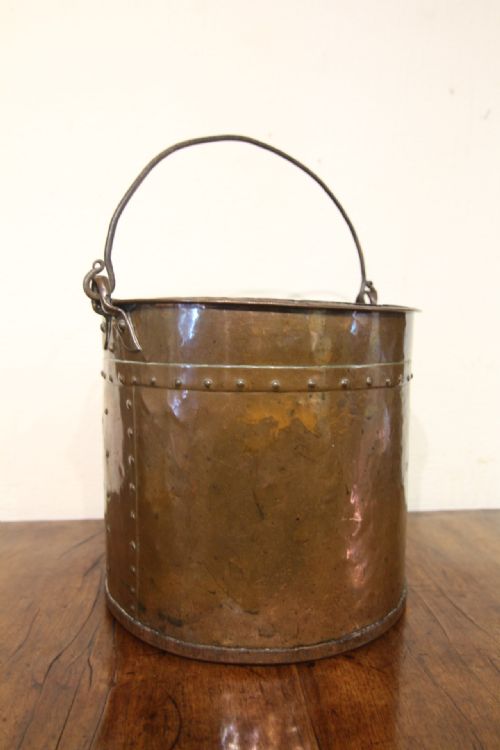
Makers utilised heavy sheet copper, brass, and iron, frequently joining panels with visible rivets to ensure structural strength under heavy loads of coal or logs. Wrought iron forms the robust swing handles and fixings that contrast sharply against polished or patinated metal bodies.
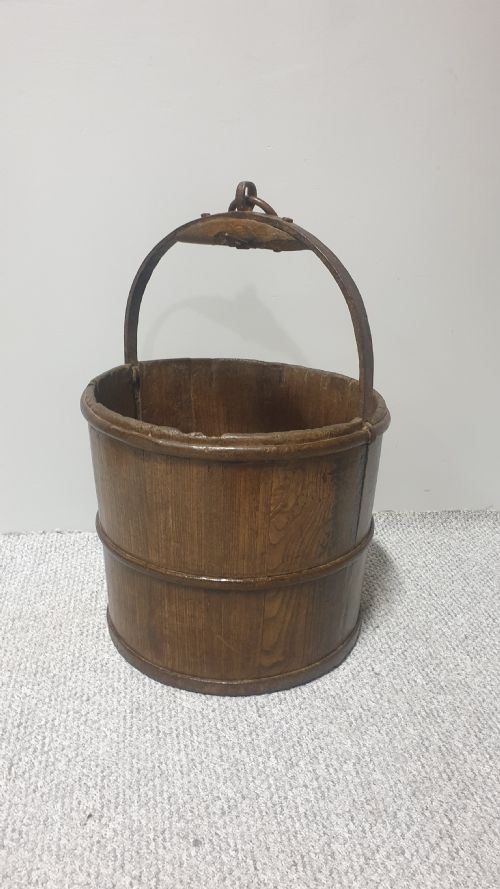
Wooden elements appear in sturdy oak constructions, combining timber staves or panels with iron bands and handles. Surface finishes range from hand-painted toleware to polished brass and beaten copper, reflecting the diverse workshops of the era.
Some busy Victorian kitchen gardeners repurposed their heavy copper jam pails to hold sprawling ferns once the jam season ended.
Judging quality and character
Quality rests in the substantial weight of the metal, the integrity of the riveted joints, and the balance of the wrought iron handle. Superior examples display thoughtful hand-beating and careful shaping rather than hasty mass production.
The depth of period patina and the preservation of original painted or polished surfaces distinguish finer decorative pieces from purely utilitarian survivors. Details characteristic of Arts and Crafts or Art Nouveau design elevate the artistic merit of the vessel.
The Victorian Iron Handle Bucket Glossary
- Cauldron
- A large metal pot with a wide mouth and a swing handle, traditionally used over an open fire or for heavy storage. These deep vessels readily double as dramatic log bins or planters.
- Toleware
- Metalware painted with bright enamels and lacquers, often associated with folk art traditions. This technique adds vibrant colour and decorative detail to utilitarian iron or tin objects.
- Jam pail
- A deep metal vessel, typically formed of brass, equipped with a strong handle for boiling fruit preserves. Their bright metallic surfaces make them popular decorative fireside accessories.
- Wrought iron
- Iron beaten and shaped by hand while hot, yielding a fibrous grain and exceptional durability. This material provides the strong handles and structural bands found on these containers.
- Log bin
- A large container designed specifically to hold firewood near a hearth. These practical receptacles utilise durable woods and metals to withstand the weight and rough texture of logs.
Victorian Iron Handle Bucket: Frequently Asked Questions
What were these buckets originally used for?
These vessels served primarily practical roles in the 19th-century home, transporting heavy materials like coal, logs, and water. Kitchens and hearths relied on them daily for fuel management and food preparation.
Over time, their robust construction and appealing metallic or wooden finishes made them natural candidates for fireside decoration and indoor planting.
How do I clean a copper bucket?
Maintenance depends entirely on whether you prefer a bright polished finish or a dark, undisturbed historic patina. Gentle dusting and occasional washing with mild soapy water preserve the surface without stripping its character.
Avoid harsh chemical abrasives that can permanently alter the historic metal skin and diminish the authentic appearance of the piece.
Can I use these for logs today?
Most of these containers were built specifically to withstand the weight and rough handling of heavy fuel. Copper, brass, iron, and oak structures remain exceptionally strong and function admirably as fireside log storage.
Ensure the interior is clean and dry before loading timber to protect both the historic metal and your floors from residual soot or moisture.
How do I spot an Art Nouveau piece?
Art Nouveau examples display characteristic flowing, organic lines and stylised floral motifs inspired by natural forms. These decorative touches set them apart from plainer utilitarian items of the same era.
Craftsmen applied these fluid designs directly onto the metal bodies of coal buckets, blending modern aesthetic movements with everyday utility.