





Antique Metal Inkstand
An antique metal inkstand brings sculptural presence to a desk, holding glass wells alongside bronze, pewter, or marble in period designs.
Antique Metal Inkstand
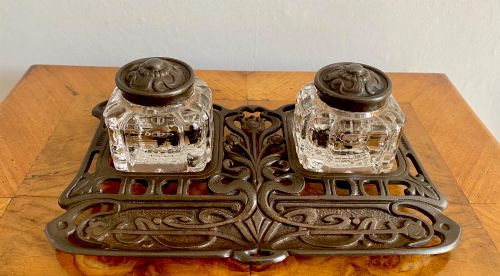
An antique metal inkstand comprises desk accessories designed to hold writing fluid and pens, ranging from simple pewter dome lid ships inkwells to elaborate multi-bottle desk sets. When you search for this phrase, you encounter pieces that combine utility with decorative metalwork, often incorporating matched glass liners or bottles.
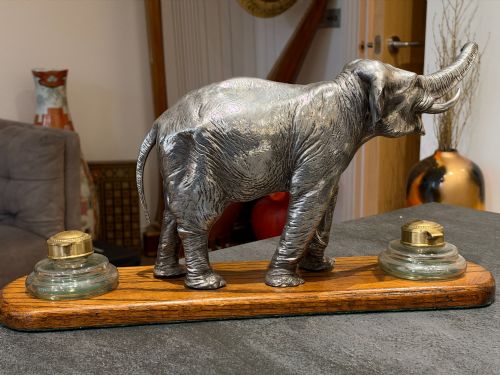
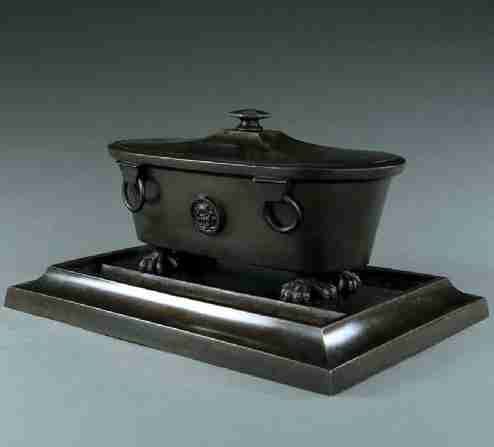
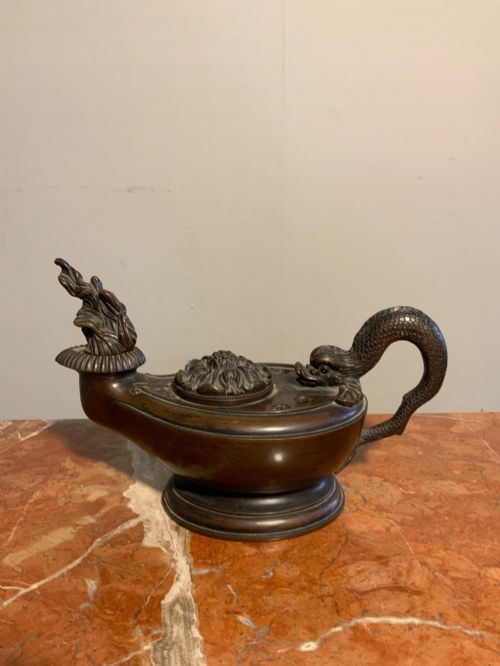
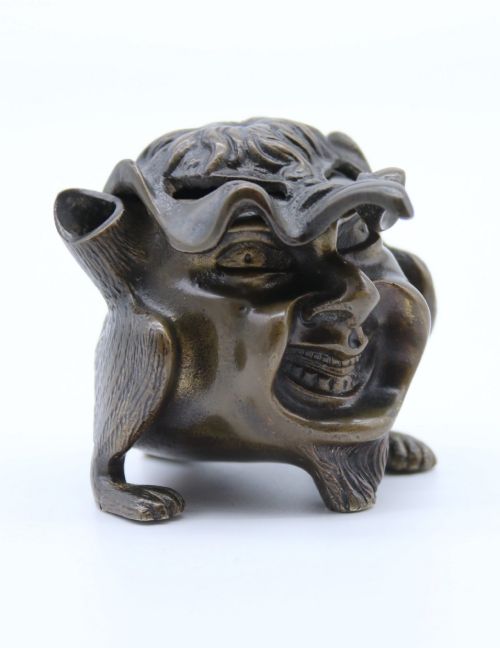
The selections span centuries, featuring 17th Century examples alongside 19th Century Grand Tour pieces, Victorian designs, and 20th Century modernist works. Forms vary from figural models shaped as animals or clowns to architectural marble and ormolu trays.
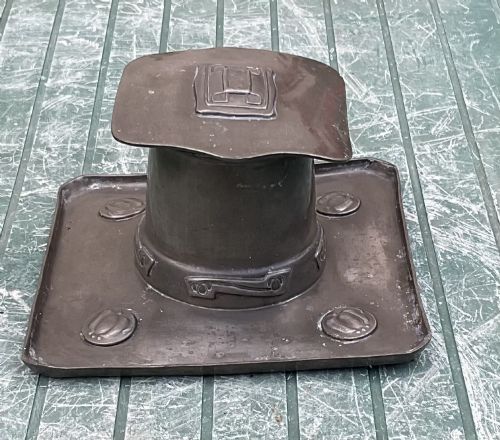
Makers and designers from Liberty, WMF, and continental studios produced distinct regional styles, moving from Baroque influences to Art Nouveau and Arts and Crafts aesthetics. These pieces served as functional desk furniture for correspondence before the widespread use of fountain pens.
Materials and construction
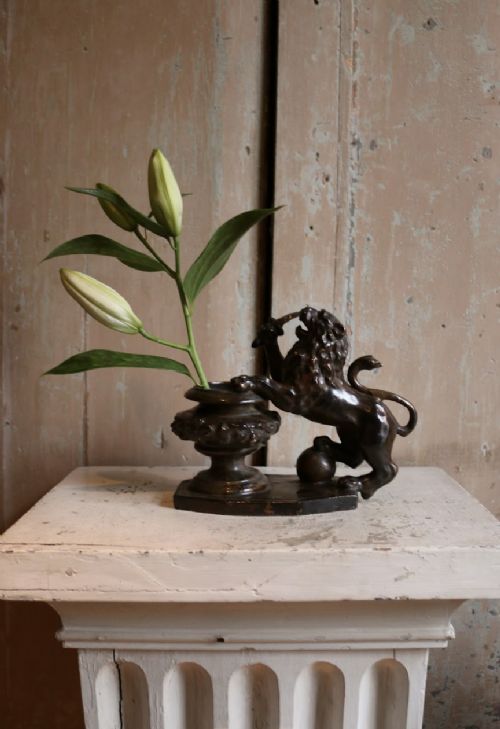
Foundry techniques defined the construction of these items, utilising cast bronze, gilded bronze, ormolu, and pewter shaped through moulding and chasing. Cold-painted bronze pieces received detailed surface coloration by hand, while pewter items were cast and polished by firms such as Tudric and WMF.
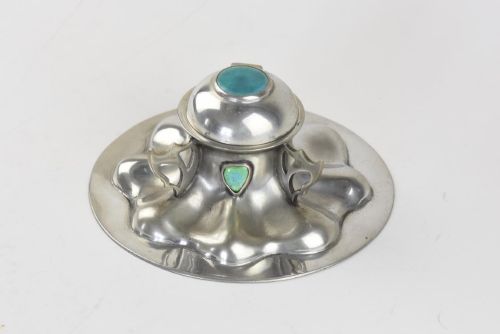
Combinations of mixed media are frequent, pairing metals with marble bases, onyx, inlaid Boulle work, or ceramic Ruskin cabochons. Glass liners and original ink bottles fit securely into dedicated trays and wells cast within the metal frameworks.
Antique Metal Inkstand Retail Price Guide 2026
Typical asking prices for metal inkstand among the pieces listed under this phrase on Sellingantiques today, from the lower quarter to the upper quarter. They describe what is for sale here now, not the wider market.
Listings feature periods from the 17th Century to the 1920s, showcasing materials such as bronze, pewter, marble, and ormolu.
Quality and execution
The standard of an antique metal inkstand rests upon the crispness of the metal casting and the artistic ambition of the design, such as the sculptural detail found in figural animal or clown models. Pieces attributed to known designers or prominent firms display superior chasing and heavier gauge metals compared to anonymous commercial production.
Completeness dictates much of the appeal, specifically the presence of original glass ink inserts, matching lids, and uncompromised surface patination. The integration of decorative elements like marble plinths, inlay, or hand-applied cold painting separates standard desk accessories from exceptional works.
Archibald Knox Liberty Tudric·William Hutton·Franz Bergmann·Albert Marionnet·Maurice Dufrene·Elkington·Zimmermann
The Antique Metal Inkstand Glossary
- Ormolu
- A gold-coloured bronze alloy used for decorative mounts on furniture and desk stands. It was applied through a mercury gilding process on French and English pieces.
- Cold-painted bronze
- A method of painting bronze figures with oil-based paints that were not fired in a kiln. This technique flourished in Austrian workshops during the early twentieth century.
- Pewter
- A malleable metal alloy consisting primarily of tin, used widely for Arts and Crafts and Art Nouveau desk wares. Liberty and WMF utilised specialised pewter alloys for their inkstands.
- Boulle work
- An elaborate form of marquetry employing brass and tortoiseshell inlaid into wood or backing materials. It appears on French desk sets from the nineteenth century.
- Cabochon
- A gemstone or ceramic piece shaped and polished rather than faceted. Ruskin cabochons frequently accent Arts and Crafts pewter work from the early 1900s.
Antique Metal Inkstand: Frequently Asked Questions
What is an antique metal inkstand?
An antique metal inkstand is a desk accessory designed to hold one or more glass inkwells and writing implements. They were produced in materials like bronze, pewter, and brass during the seventeenth through early twentieth centuries.
These pieces functioned as the centrepiece of a writing desk before modern pens replaced the need for dipped ink. They often incorporated pen trays, sanders, and blotters into a unified metal tray or stand.
How do I date an inkstand?
Dating relies on stylistic indicators such as Art Nouveau curves, Arts and Crafts motifs, or Victorian proportions. Maker marks, registry numbers, and the type of metal alloy also provide chronological clues.
Construction methods further help establish age, as early cast bronzes differ noticeably from mass-produced twentieth-century pewter or plated wares. Comparing the design to documented works by makers like WMF or Bergman narrows the period.
Are original glass liners important?
Original glass liners and ink bottles are significant because they were specifically manufactured to fit the dimensions of each individual inkstand. Replacements rarely match the exact rim, tint, or age of the metal housing.
Finding a piece with its original bottles intact preserves its integrity and utility. Many period stands relied on these glass inserts to prevent corrosive ink from touching the bronze or pewter directly.
How do I care for metal desk stands?
Care involves dusting gently with a soft cloth and avoiding abrasive cleaning agents that strip historical patination. Polishing should be approached with caution, particularly on cold-painted or gilded surfaces.
Keeping the pieces away from moisture and direct sunlight protects any integrated marble, onyx, or inlaid materials. If glass liners require washing, remove them entirely from the metal base before cleaning.