

Antique Metal Garden Seat
An antique metal garden seat brings permanence to the lawn, offering heavy cast iron and slender strapwork forged to weather the seasons.
Antique Metal Garden Seat
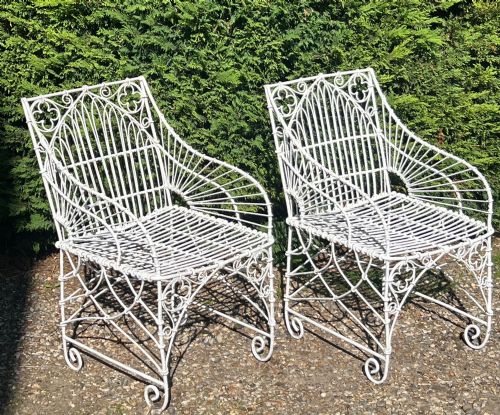
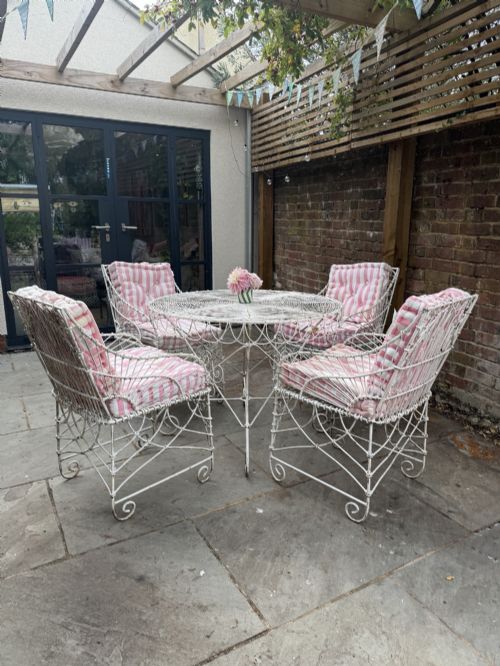
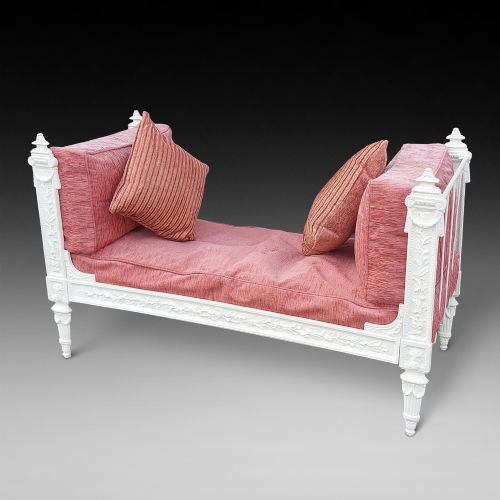
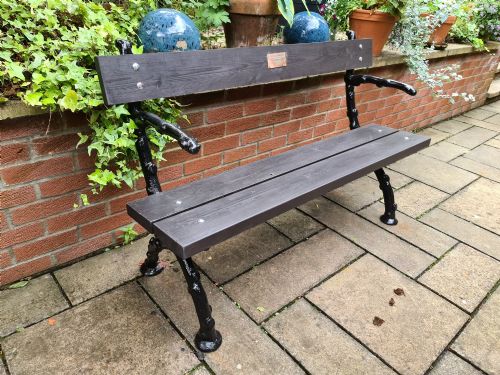
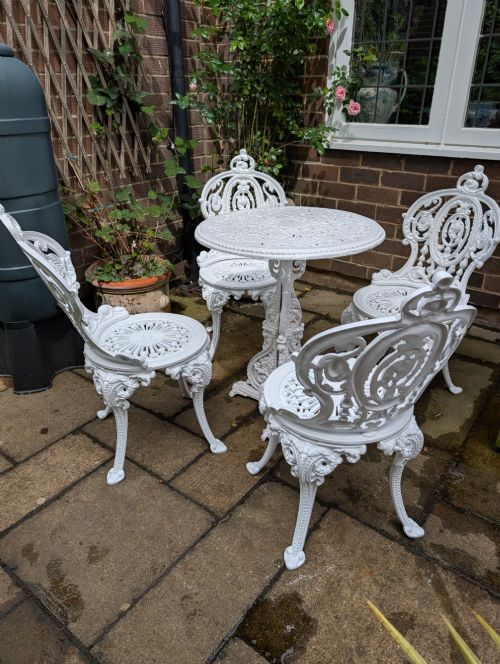
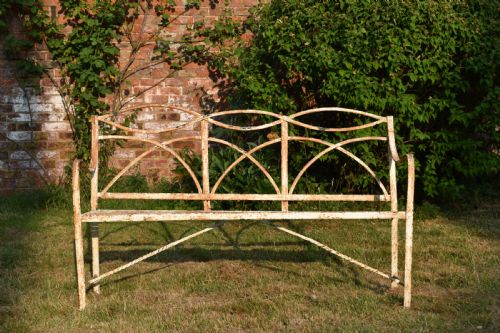
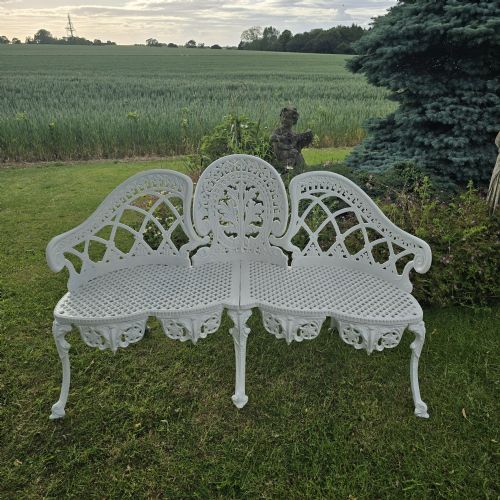
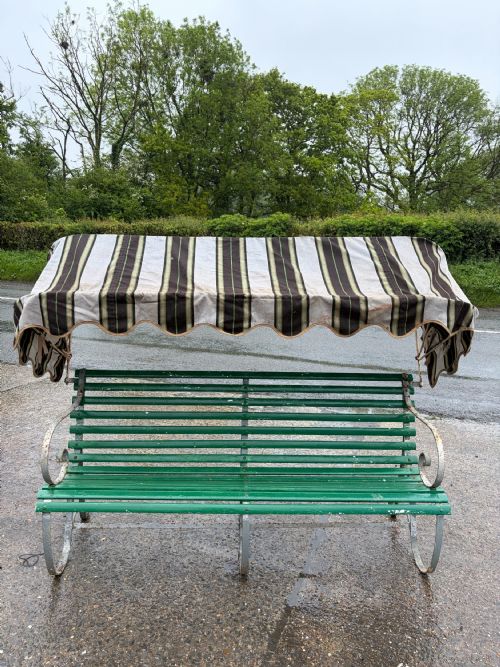
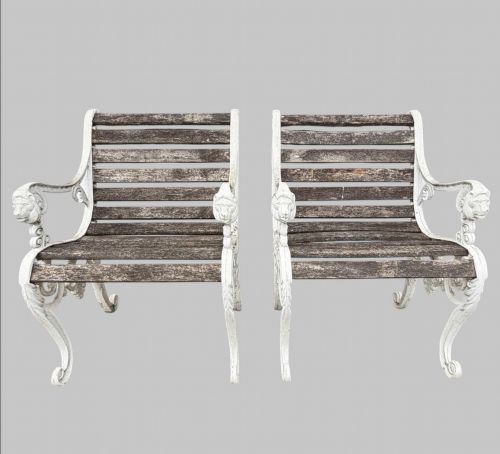
An antique metal garden seat takes many forms across the lawn, appearing most frequently as a bench, a settee or a pair of matching armchairs. You will encounter two-seater benches with high backs alongside larger garden dining sets and occasional daybeds.
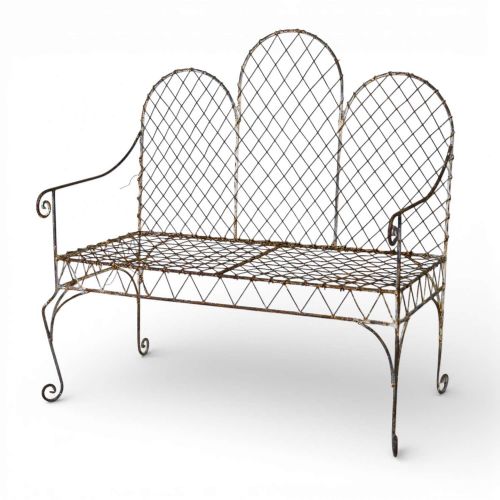
The pieces span several periods, drawing heavily on Victorian and Regency designs alongside later twentieth-century output. Makers utilised diverse styles ranging from French Gothic Revival and wirework to rustic faux bois.
The selection includes specialised pieces such as arbours, rocking chairs and folding chairs intended for conservatory or patio use. Each form reflects the changing demands of outdoor leisure from the nineteenth century onward.
Distinctions in Quality
The refinement of the casting separates standard production from exceptional pieces, visible in the crispness of relief work and the depth of detail in the iron. Heavier castings with complex pierced patterns command greater attention than simple utility benches.
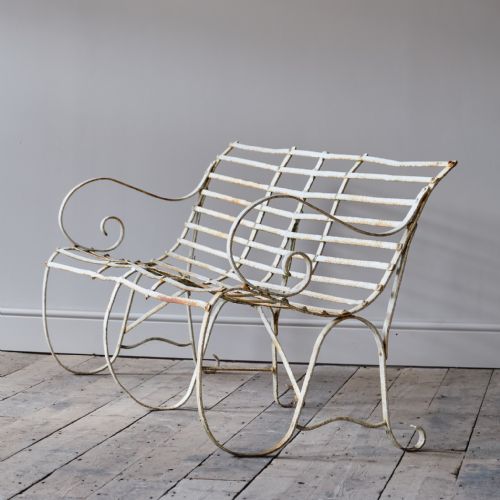
The subtlety of the blacksmith's hand shapes the value of wrought iron strapwork, where balanced proportions and clean curves define the silhouette. Masterful assembly ensures joints remain tight and lines retain their architectural harmony.
Provenance and documented design influence desirability, particularly when pieces trace back to notable foundries or specific stylistic traditions. The integrity of the surviving structure, free from heavy modern welding repairs, preserves the historic character of the seat.
Listings feature items from the Regency period through to the 1940s, utilising cast iron, wrought iron, timber and wirework.
Coalbrookdale
The Antique Metal Garden Seat Glossary
- Cast iron
- Iron melted and poured into a mould to take the shape of the cavity, known for its heavy weight and capacity for intricate ornamentation. It forms the structural ends and backs of many nineteenth-century benches.
- Wrought iron
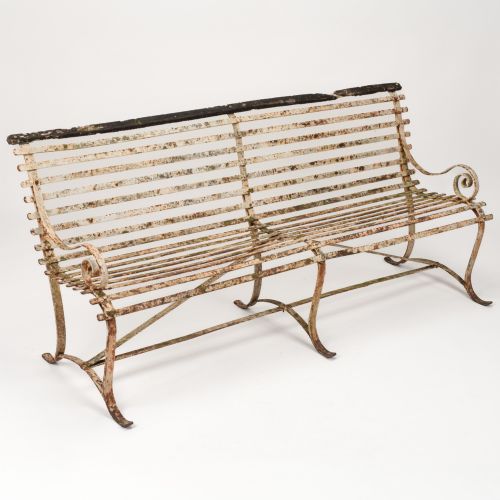
- Iron heated and worked by hand with hammers and anvils, valued for its fibrous strength and flexibility. It is frequently bent into the linear strapwork patterns seen on Regency and Victorian garden seats.
- Strapwork
- A decorative motif composed of flat, narrow bands of metal interwoven or arranged in geometric patterns. It provides a lighter visual weight than solid cast iron panels.
- Faux bois
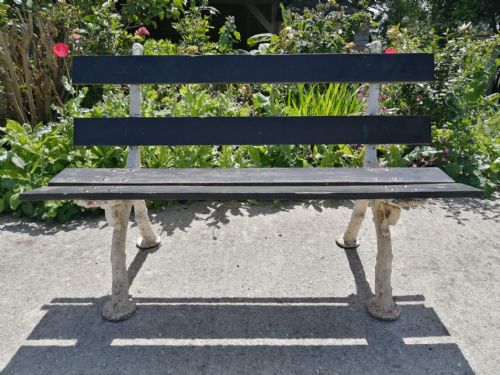
- An artistic imitation of wood grain rendered in a different medium, such as cast iron. Coalbrookdale famously produced garden seats mimicking rustic branches and logs.
- Wirework
- Metal wire bent and welded into intricate mesh or scroll patterns, commonly utilised for lightweight garden arbours and chairs during the Victorian era.
Antique Metal Garden Seat: Frequently Asked Questions
How do I maintain an antique metal garden seat?
Protect the metal from excessive moisture by applying appropriate outdoor paints or protective waxes during damp seasons. Regular gentle cleaning prevents the buildup of dirt in intricate cast crevices without harming the historic patina.
Position the seat on level stone or paving rather than directly on damp soil to reduce rust transfer from the feet. Storing vulnerable pieces under cover through severe winter months preserves both the iron and any surviving timber components.
Were these seats left outside all year?
Most nineteenth-century garden seats were constructed robustly enough to withstand seasonal weather, though finer pieces often moved to covered verandas or conservatories. Wealthy estate owners routinely shifted furniture to follow the shade or shelter.
Lighter folding chairs and wirework arbours were designed for easier relocation around the grounds. Winter storage practices depended largely on the owner's household staff and the value placed on the specific furniture.
How can I tell a Victorian seat from a later one?
Victorian examples typically feature heavier, crisper iron castings with deep relief detailing and traditional foundry marks. The bolt types, assembly methods and specific botanical or Gothic motifs usually align with nineteenth-century pattern books.
Later twentieth-century reproductions or variants often display simplified proportions and lighter gauge metals. Comparing the weight, joinery and surface texture against known period examples helps clarify the date of manufacture.
Can I use wooden replacement slats on a metal frame?
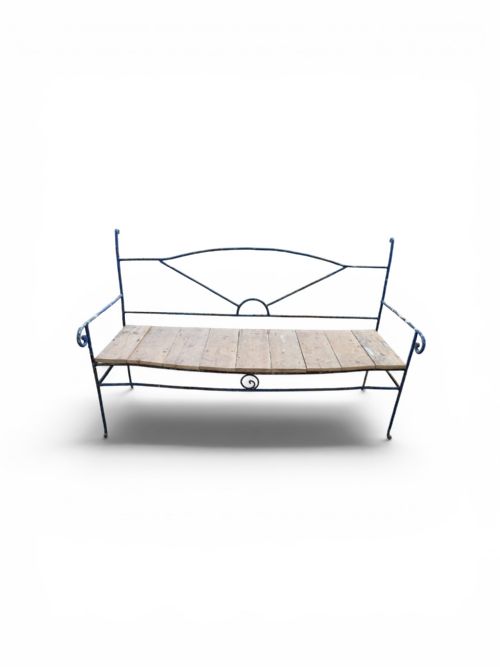
Replacing decayed timber slats is a standard part of restoring antique garden benches to functional use. Matching the original wood species, such as teak or oak, maintains the historical integrity of the piece.
Fixing the new slats using traditional slotted screws rather than modern hex bolts preserves the authentic appearance. Proper sealing of the replacement wood ensures it ages gracefully alongside the original iron frame.