



Antique Metal Dishes
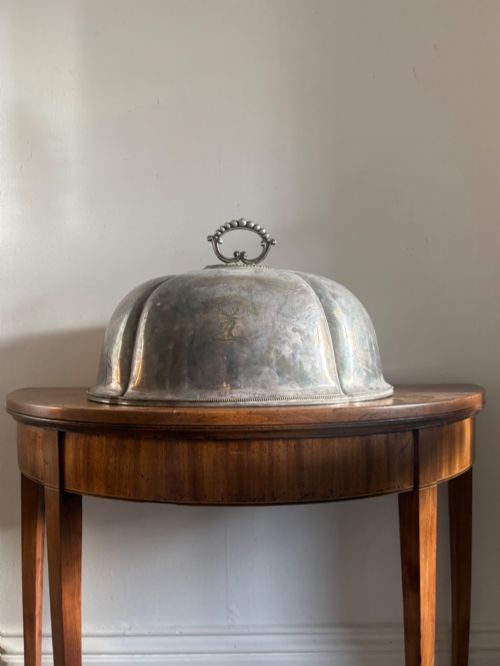
These antique metal dishes bring centuries of craftsmanship and utility into modern spaces, offering diverse materials from patinated bronze to gleaming pewter.
Antique Metal Dishes
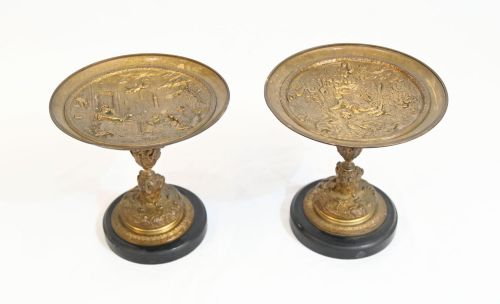
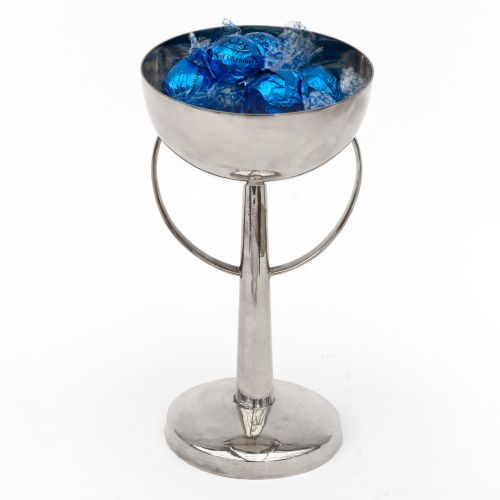
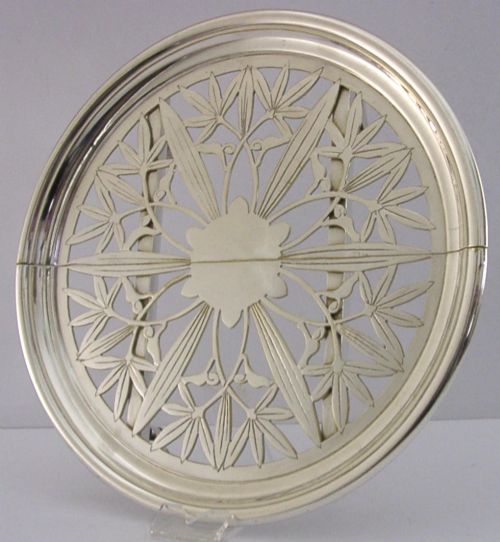
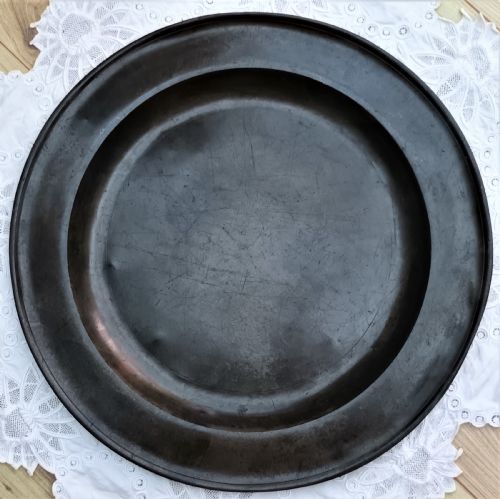
The selection frequently includes decorative bowls, platters, centrepieces, and card trays originating from European workshops and Asian export markets. Pieces span simpler domestic items like porringers and plain rim plates alongside elaborate grand tour items and gothic wall chargers.
How they were made
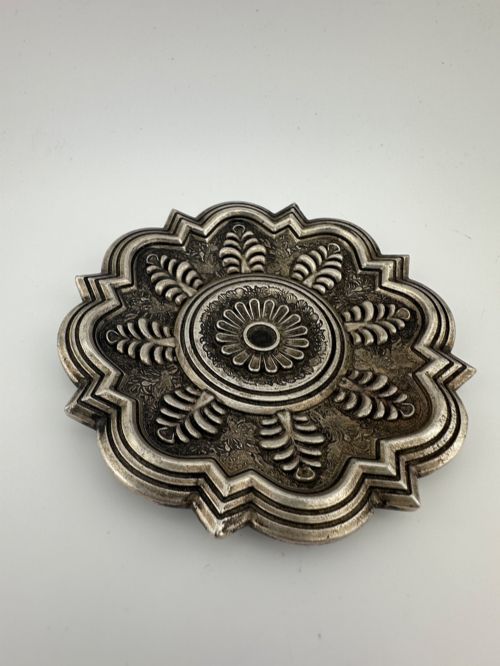
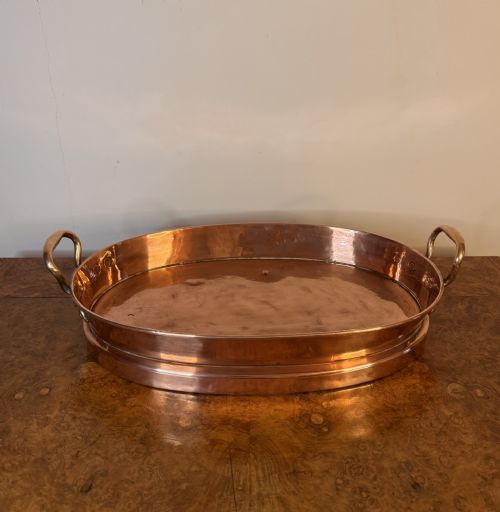
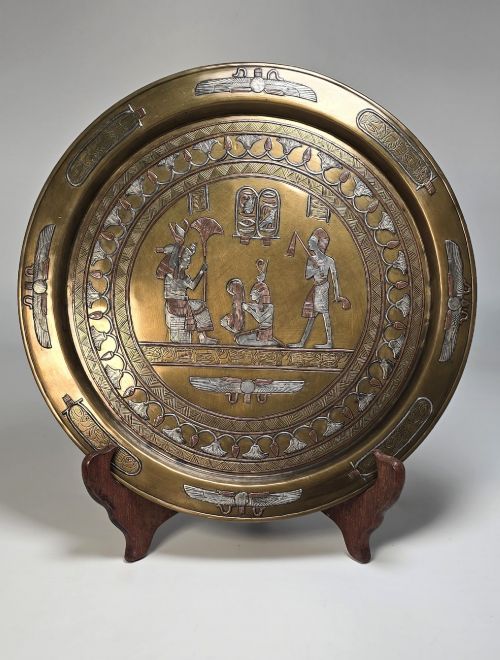
Metalworking techniques vary significantly by period and origin, combining casting, hammering, and detailed surface decoration. Makers utilised copper, brass, bronze, and pewter, often enhancing the metallic surfaces with silver inlay, cold painting, or cloisonné enamel work.
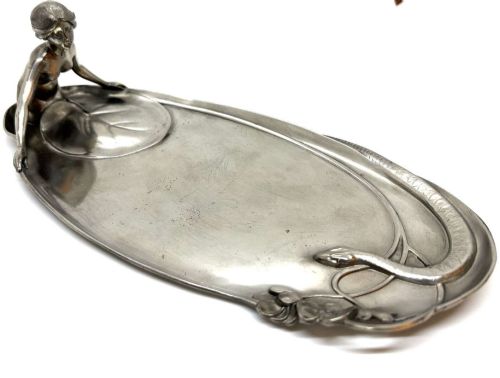
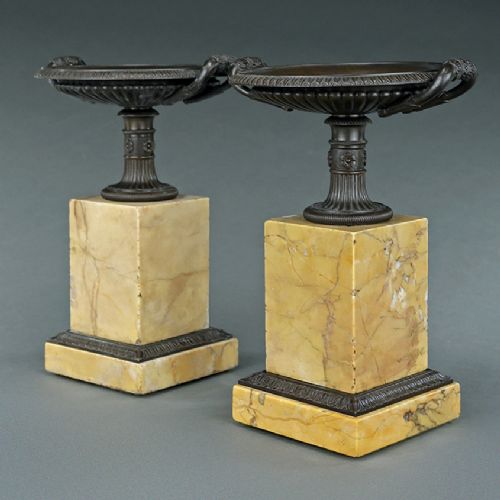
Many items incorporate mixed media elements, pairing patinated metals with marble bases, cut crystal inserts, or ormolu mounts. Pewter pieces typically rely on traditional casting and hammering methods, while Japanese and Middle Eastern items frequently display intricate metal inlay and applied appliques.
Antique Metal Dishes Retail Price Guide 2026
Typical asking prices for metal dishes among the pieces listed under this phrase on Sellingantiques today, from the lower quarter to the upper quarter. They describe what is for sale here now, not the wider market.
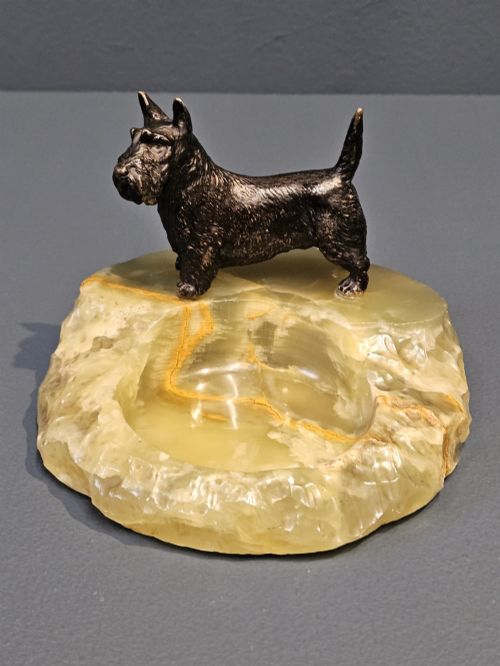
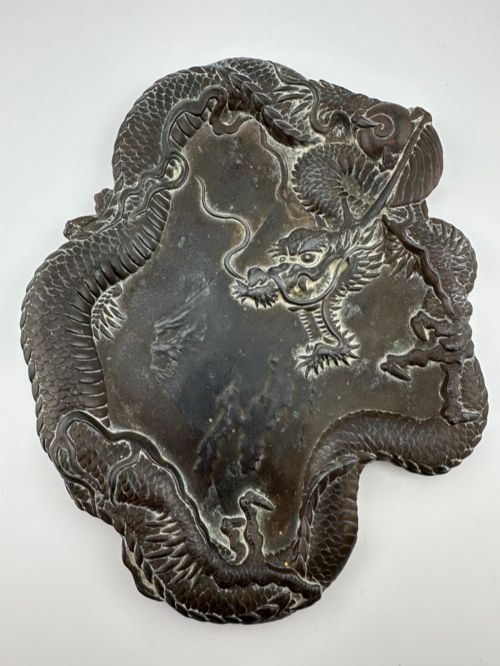
Geese, dragons, cherubs, and Scottie dogs populate these metal surfaces, proving that historical artisans loved animals just as much as we do.
What varies in quality
Quality rests upon the crispness of the casting, the precision of any inlay work, and the integrity of the original surface patina. Superior pieces maintain their structural balance, sharp decorative motifs, and uncompromised joinery between mixed materials like bronze and marble.
Artisanal execution dictates the distinction between standard utilitarian wares and exhibition-grade masterworks. Expert chasing, delicate cloisonné detailing, and well-preserved maker marks elevate specific items well beyond everyday domestic productions.
Liberty & Co Tudric·Oliver Baker·John Duncomb·Samuel Smith·T & H Compton·Richard King·John Tubb·Robert Moulins·Humphrey Evans·Christofle·WMF
The Antique Metal Dishes Glossary
- Tazza
- A shallow bowl or plate mounted on a stem and foot, commonly used for serving fruit or display.
- Cloisonné
- An enamel technique where thin metal wires form compartments on a metal base, which are then filled with coloured paste and fired.
- Porringer
- A small, shallow, one-handled vessel traditionally used for porage, broth, or liquids.
- Ormolu
- Finely ground high-carat gold cast and applied to bronze objects, popular in French decorative arts.
- Cairoware
- Metalwork featuring intricate silver and copper inlay originating from the Middle East during the nineteenth century.
Antique Metal Dishes: Frequently Asked Questions
How do I clean an antique metal dish?
Maintenance depends entirely on the specific metal composition and surface finish. Most antique pieces require only a soft, dry cloth to remove dust, avoiding harsh chemical polishes that strip historical patina.
Enamelled or inlaid surfaces demand particular care to prevent moisture damage. Professional advice should be sought before applying any liquid cleaner to patinated bronze or antique silver plate.
Can I use these dishes for food?
Many historical metal dishes, particularly older pewter or silver-plated items, contain trace metals that are unsuitable for acidic or daily food use. They are best reserved for display or holding dry items.
Decorative bowls and chargers from the nineteenth and twentieth centuries function primarily as ornamental centrepieces. Modern food safety standards rarely apply to antique metallic compositions.
How do I date an antique pewter plate?
Dating relies heavily on touchmarks, maker stamps, and rim styles pressed into the metal. Early examples often feature multi-reeded borders, while later eighteenth-century pieces lean towards plain rims.
Consulting historical pewterer registers helps attribute specific touchmarks to known makers and narrow down the manufacturing decade.
What is the difference between a charger and a plate?
Chargers are substantially larger decorative or service dishes that sit underneath other dinnerware. They function mainly as visual centrepieces rather than direct dining plates.
Plates and smaller dishes serve more intimate, functional roles around the home, such as card organisation or bon-bon presentation.