
Antique Metal Coal Scuttle
An antique metal coal scuttle brings hearthside utility into a room, offering robust construction and gleaming brass or copper finishes that anchor a traditional fireplace.
Antique Metal Coal Scuttle
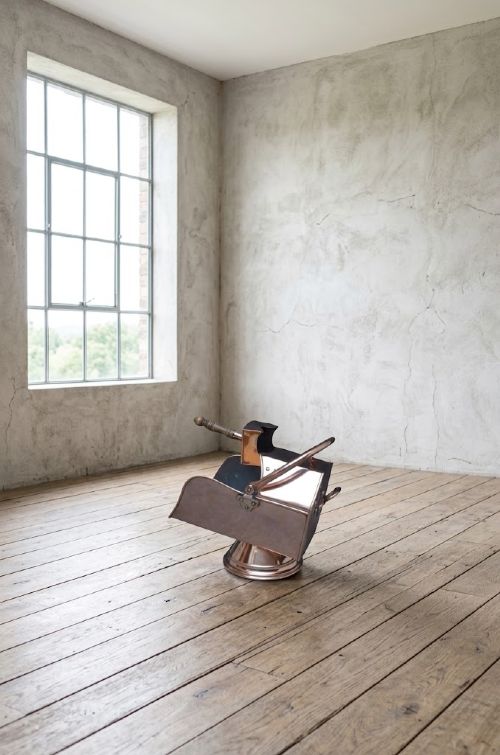
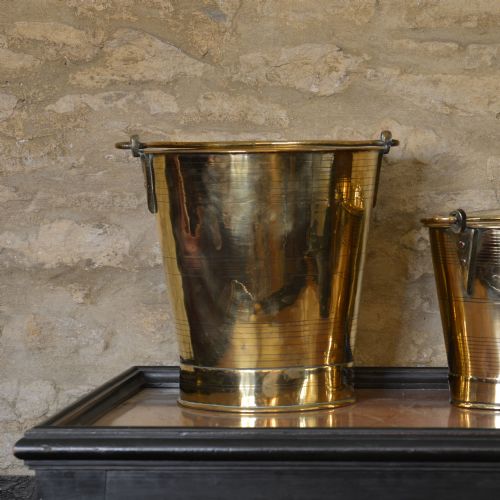
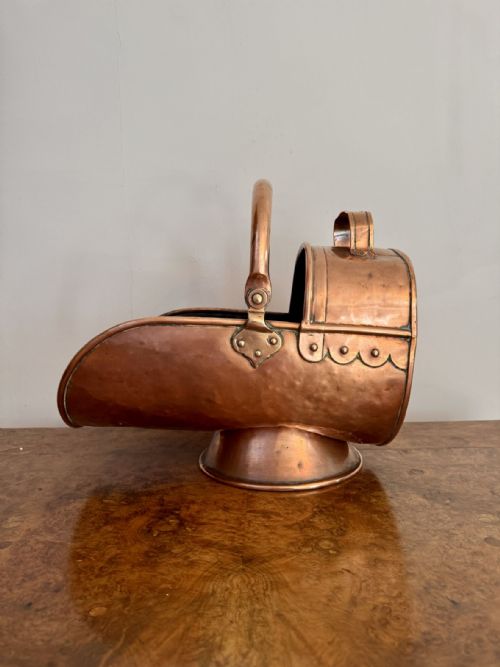
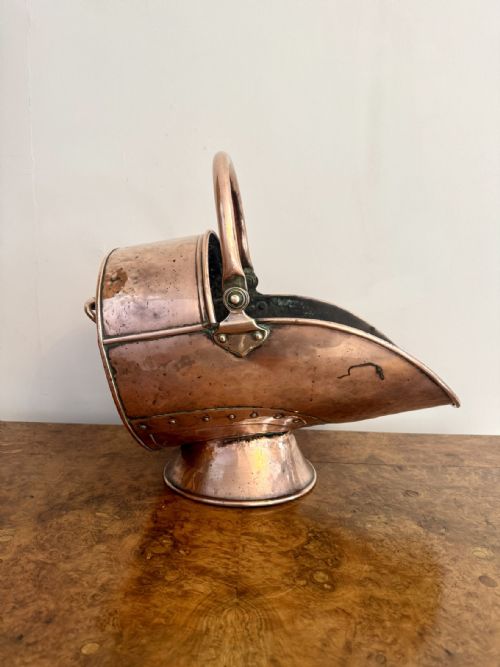
An antique metal coal scuttle is a utilitarian fireside vessel designed to hold solid fuel for domestic hearths, evolving from simple receptacles into decorative accessories by the nineteenth century. When searching for this phrase, a buyer encounters forms ranging from classic helmet shapes to cylindrical log bins and buckets suited for fireside fuel storage.
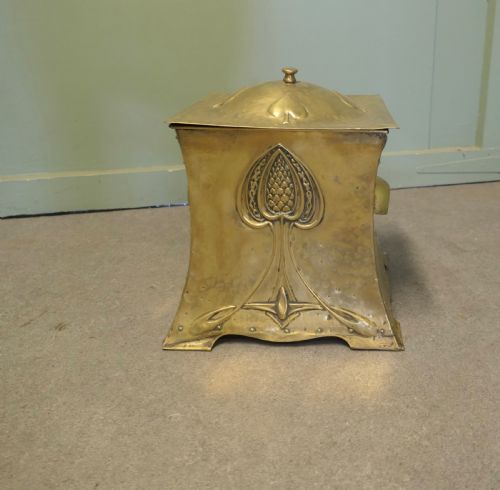
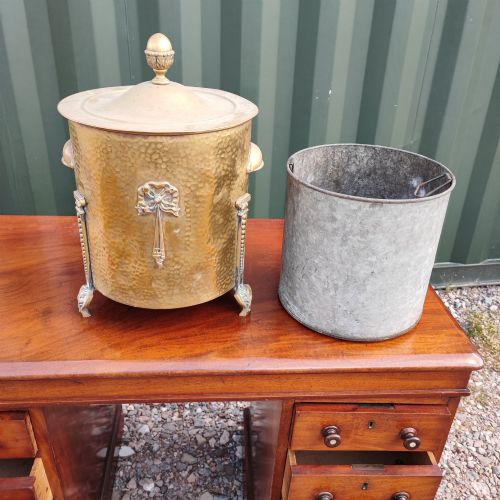
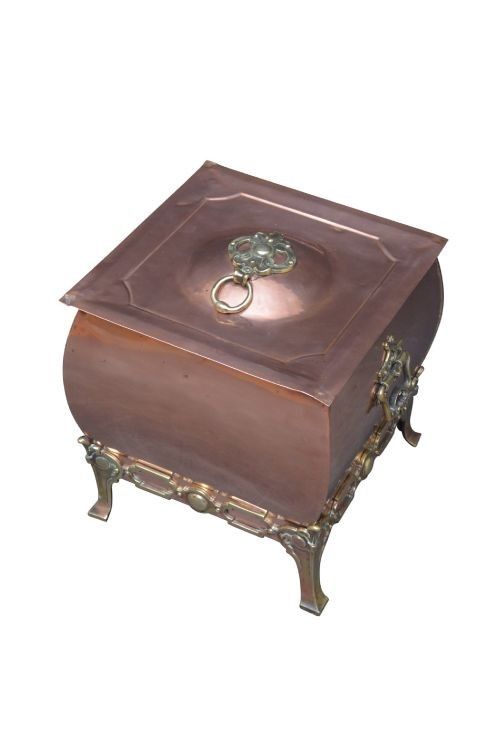
The pieces available here lean heavily into Victorian, Edwardian, and Arts and Crafts aesthetics, alongside occasional Georgian and Art Nouveau examples. Workshops produced these vessels in brass, copper, sheet iron, and wrought iron, frequently incorporating swing handles, metal shovels, and riveted construction.
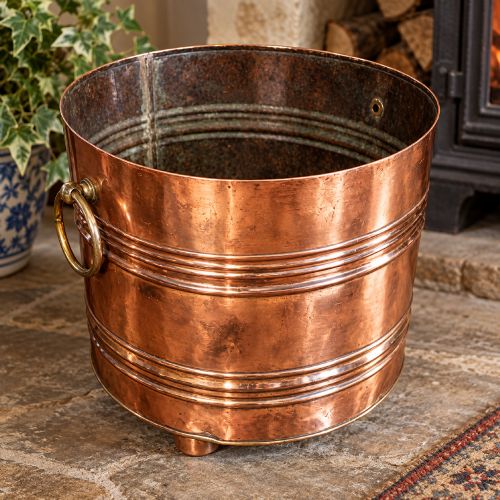
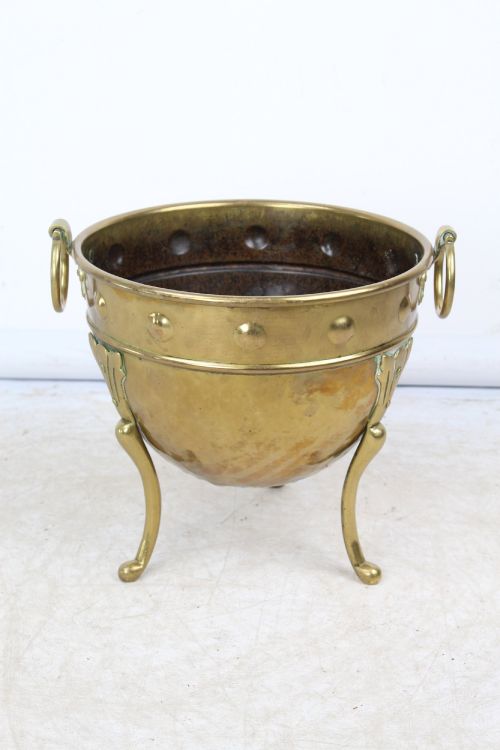
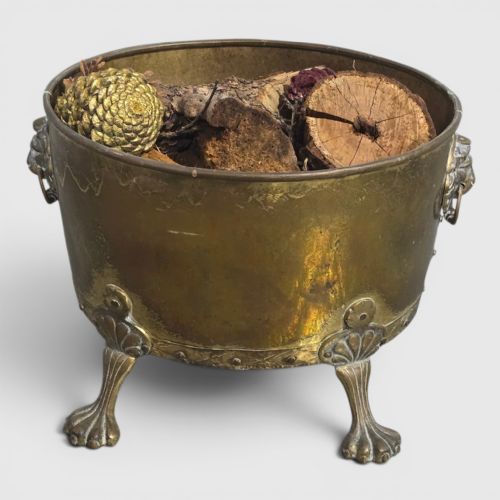
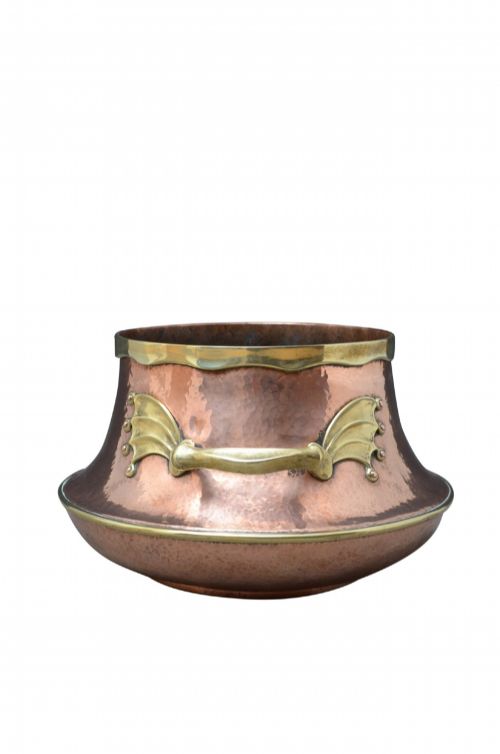
Beyond holding coal, many of these sturdy metal vessels function equally well as planters, jardiniere vessels, or log bins beside modern fireplaces. The selection spans straightforward utilitarian coal boxes to highly embossed or hammered designs that reflect the decorative ambition of nineteenth and early twentieth century metalworkers.
How they were made
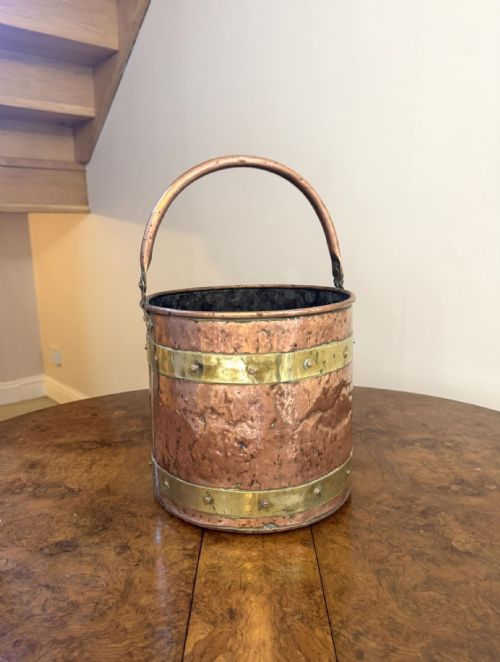
Makers utilised sheet metals such as brass and copper, hammering, rolling, and riveting the plates together to form robust bodies capable of withstanding heavy daily use. Wrought iron handles and frames provided structural strength, while hand-beaten finishes and applied brass banding added decorative contrast.
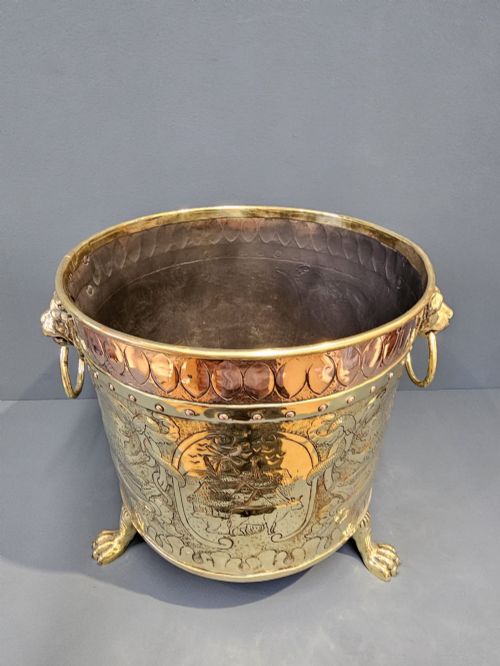
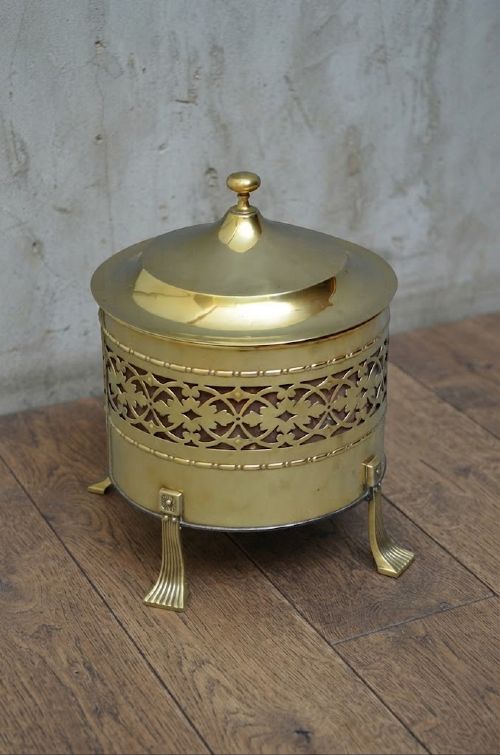
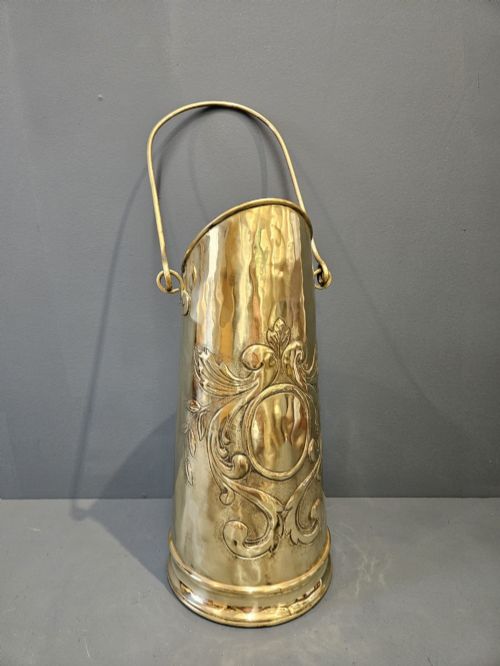
Techniques varied from industrial riveted construction seen on utilitarian buckets to delicate fretwork designs and embossed repoussé work favoured by Arts and Crafts and Art Nouveau artisans. Many vessels incorporated iron frames, brass liners, and riveted seams that highlight nineteenth century metalworking capabilities.
Listings feature brass, copper, wrought iron, and sheet iron materials spanning the Victorian, Edwardian, Georgian, and Art Nouveau periods.
What varies in quality
Quality rests in the gauge of the metal, the integrity of the riveted joints, and the crispness of any decorative embossing or hammered detailing. Thicker copper and heavy brass retain their structural rigidity and polish better over generations.
Design distinction also separates standard utilitarian coal buckets from ambitious Arts and Crafts or Art Nouveau pieces featuring bespoke fretwork, original shovels, and cast iron frames. The presence of matching liners, sturdy swing handles, and authentic period patination elevates certain examples above ordinary production.
Henry Loveridge·Petrus Ramus·Percy Metal Works London
The Antique Metal Coal Scuttle Glossary
- Coal scuttle
- A container designed to hold coal for a domestic fire, typically featuring a wide mouth and a carrying handle. These vessels evolved from simple boxes into ornamental helmet shapes.
- Jardiniere
- An ornamental pot or stand for holding plants or flowers. Many antique metal coal buckets are repurposed as jardinieres for interior decoration.
- Repoussé
- A metalworking technique in which a malleable metal is ornamented or shaped by hammering from the reverse side. This method creates raised relief patterns on copper and brass scuttles.
- Toleware
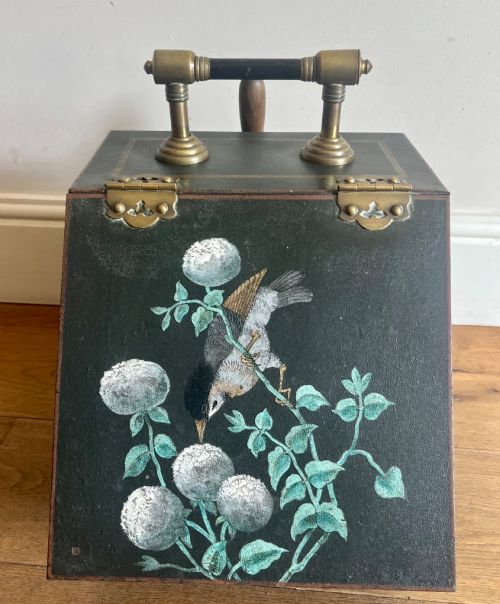
- Lacquered or enamelled metalware produced to imitate Asian lacquer or fine ceramics. Unusual examples occasionally appear in fireside accessories.
- Helmet scuttle
- A coal container featuring a flared, sloping rim resembling a classic helmet, designed for easy pouring of fuel into the hearth.
Antique Metal Coal Scuttle: Frequently Asked Questions
How do I clean an antique metal coal scuttle?
Maintenance depends entirely on the finish and whether you want to preserve the aged patina. Many collectors prefer to leave the dark oxidation untouched, merely dusting the surface with a dry cloth.
If you choose to polish brass or copper surfaces, use a gentle metal cream and a soft cloth, taking care to avoid harsh abrasives that might wear down thin plating or embossed detailing.
Can I still use these for real coal?
These vessels were originally manufactured to haul and store solid fuel, so their metal construction remains inherently robust. However, many owners now line them or repurpose them for logs, kindling, or house plants.
If you do use an antique bucket for actual coal, inspect the interior for moisture retention and ensure any original fabric or metal liners are protected from corrosive residues.
How do I tell a Victorian scuttle from an Edwardian one?
Victorian examples frequently display heavy embossed brass, dark patination, and robust riveted copper construction with a strong industrial sensibility. Arts and Crafts and Gothic influences dominate the middle of the nineteenth century.
Edwardian pieces often embrace lighter brasswork, intricate fretwork designs, and cleaner lines influenced by the transition into the twentieth century and Art Nouveau aesthetics.