



Antique Metal Centrepiece
An antique metal centrepiece anchors a formal table, bringing together bronze, brass and silver plate across the nineteenth and early twentieth centuries.
Antique Metal Centrepiece
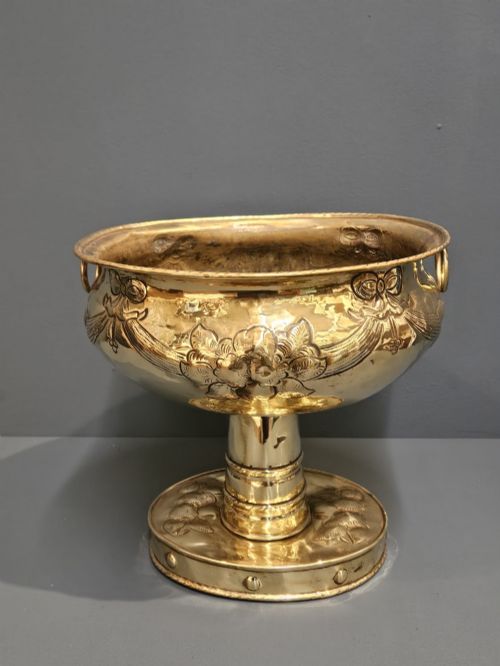
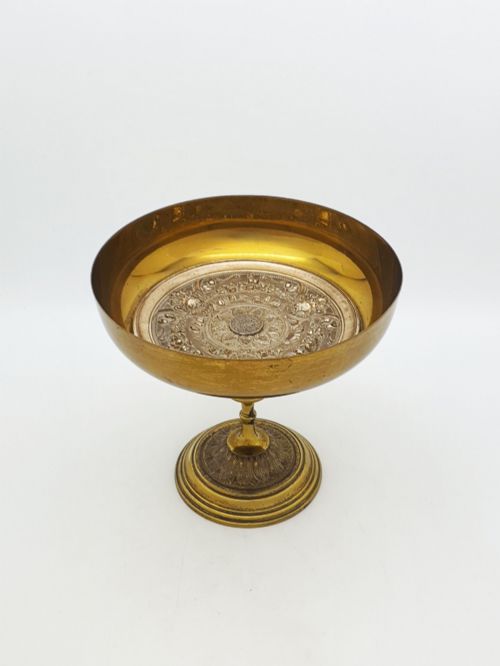
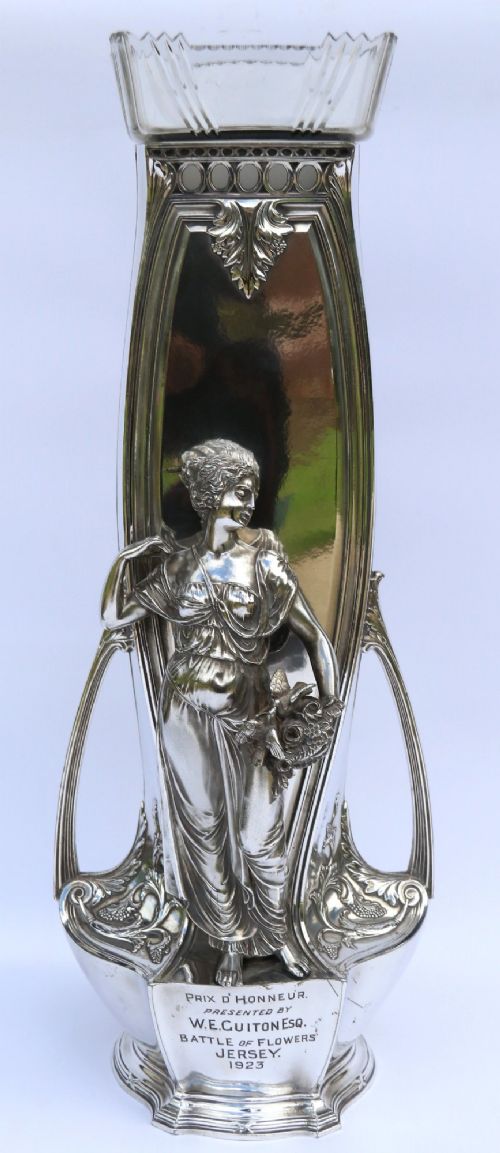
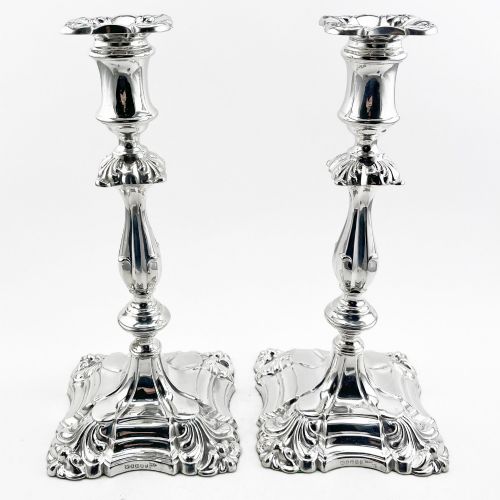
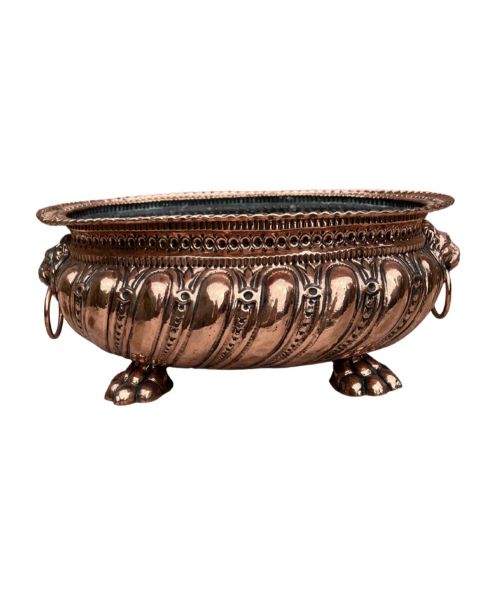
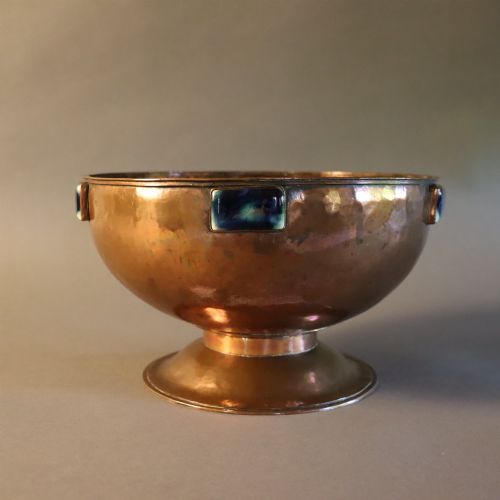
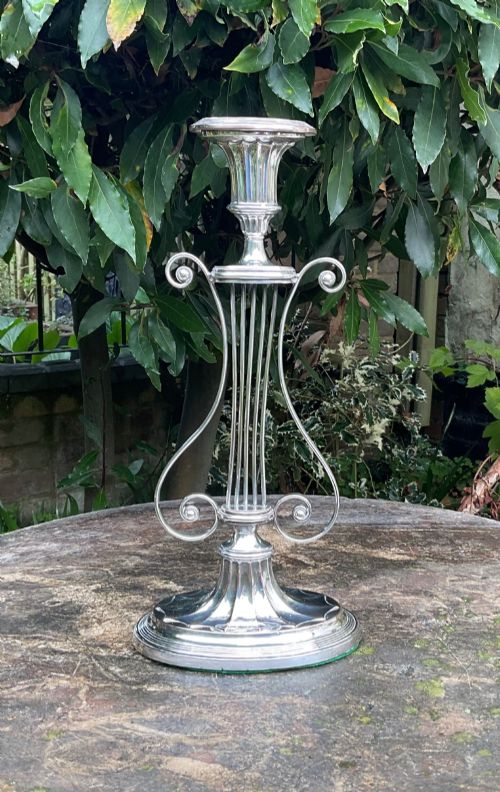
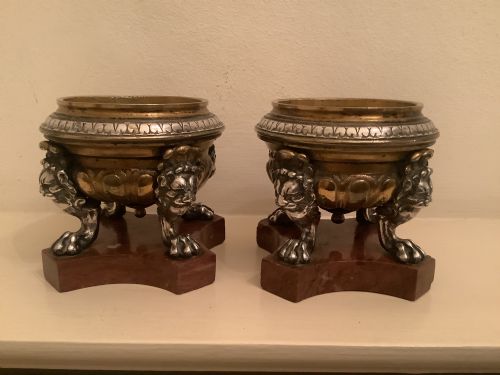
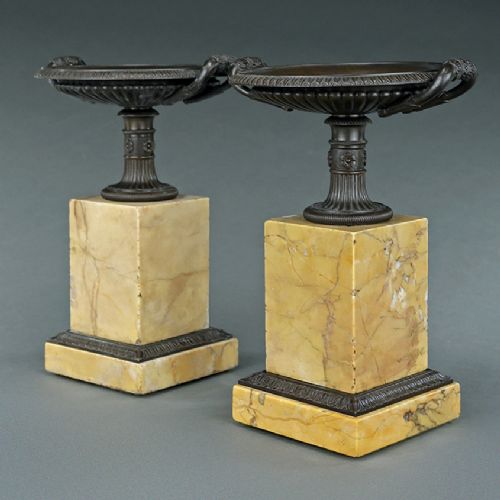
An antique metal centrepiece takes the form of tazzas, decorative bowls, jardinieres and covered urns resting upon dining tables or sideboards. French Empire, Victorian and Arts and Crafts examples dominate the selection, spanning the eighteenth to the early twentieth century.
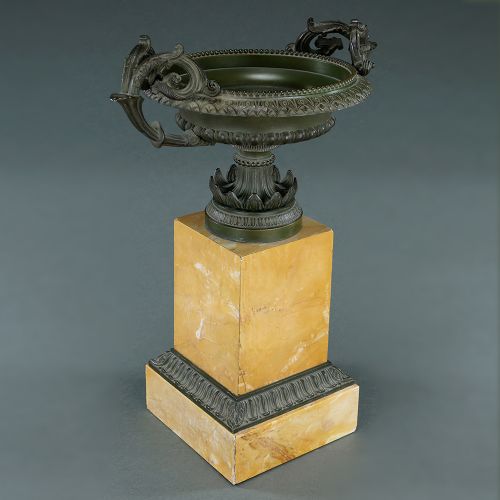
The objects serve as focal points, originally designed to hold fruit, flowers or sweetmeats during formal dining. Many pieces incorporate pedestals or marble bases to elevate the vessel above the surface of the furniture.
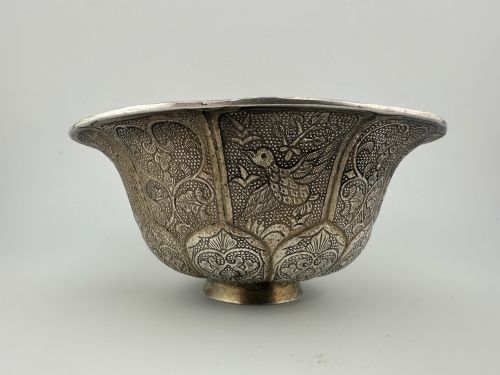
Makers from Britain, France and Asia contributed to these listings, utilising traditional metalworking methods from their respective regions. Buyers encounter everything from heavy cast bronze Grand Tour reductions to beaten copper bowls.
Materials and Technique
Foundry work relied on bronze, brass and copper, often finished with gilt bronze, ormolu or silver plating to enhance the surface appearance. Artisans combined cast metal structures with applied details, mounting heavier vessels upon Siena or white marble plinths.
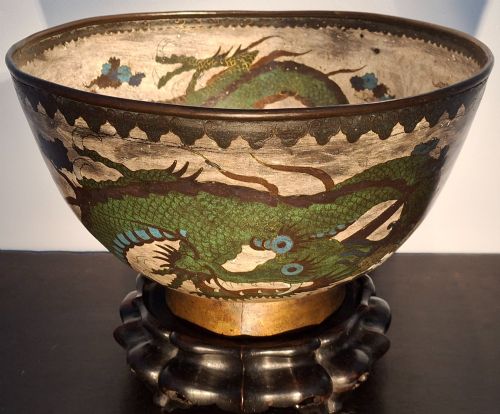
Enamelling, champleve and piercing appear across specific pieces, alongside cut crystal inserts and inset agate cabochons. These decorative techniques required specialised skill in both metal manipulation and stone setting.
Antique Metal Centrepiece Retail Price Guide 2026
Typical asking prices for metal centrepiece among the pieces listed under this phrase on Sellingantiques today, from the lower quarter to the upper quarter. They describe what is for sale here now, not the wider market.
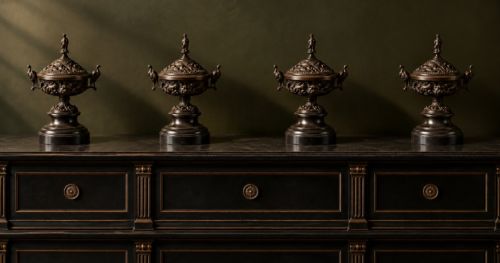
Storks peer out from decorative bronze urns while winged cherubs support heavy fruit bowls across the collection.
Design and Execution
Quality rests in the crispness of the casting, the weight of the metal and the precision of the chased or engraved detailing. Superior pieces display harmonious proportions between the metal vessel and any supporting marble or crystal components.
The refinement of secondary elements, such as figural mounts, handles and pierced lids, distinguishes standard production items from workshop pieces bearing named attribution or distinct stylistic cohesion.
Jules Moigniez·Liberty and Co·Oliver Baker·Lerolle Fres
The Antique Metal Centrepiece Glossary
- Tazza
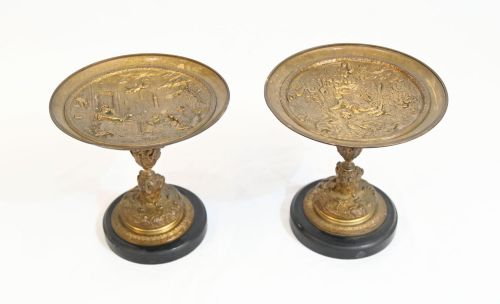
- A shallow ornamental bowl on a pedestal foot, frequently used for fruit or sweetmeats in nineteenth-century dining. These vessels often feature classical mounts and marble bases.
- Ormolu
- Ground metallic gold applied to a bronze base through a mercury amalgamation process, yielding a bright yellow finish. This technique appears extensively on French Empire and Victorian decorative objects.
- Jardiniere
- A large ornamental pot or planter intended to hold growing plants or floral arrangements. They are commonly cast in copper, brass or bronze.
- Champleve
- An enamelling technique where troughs or cells are hollowed out of the metal surface and filled with vitreous enamel before firing. It creates vibrant patterns across nineteenth-century bronze and brass pieces.
Antique Metal Centrepiece: Frequently Asked Questions
How were these centrepieces used originally?
These pieces occupied the middle of large dining tables during formal meals to hold fruit, flowers or confectionary. They functioned as visual centerpieces designed to impress guests.
Over time, many transitioned to sideboards or console tables purely as decorative objects rather than serving vessels.
What materials are most common?
Bronze, brass, copper and silver plate form the structural foundation of the majority of these antique vessels. Many incorporate marble bases, cut crystal inserts or gilt bronze highlights.
Regional preferences influenced the finish, with French pieces frequently utilising ormolu and British Arts and Crafts items favouring hammered copper or pewter.
How do I identify the period?
Stylistic cues such as French Empire neo-classical motifs, Victorian ornamentation or Arts and Crafts simplicity offer the clearest indication of age. Material finishes and manufacturing techniques also align with nineteenth and early twentieth-century workshops.
Examining the casting quality and any base mounts helps narrow down the decade of production.
How do I care for antique metal?
Dust the surface regularly with a soft cloth and avoid commercial chemical cleaners that strip patination from bronze, brass or silver plate. Preserving the natural age of the metal maintains the visual integrity of the piece.
Keep pieces away from direct moisture and extreme temperature shifts to protect integrated marble or crystal components.