

Antique Mercury Glass
Antique mercury glass brings a deep, liquid reflection to period interiors through silvered mirror plates set within giltwood and painted frames.
Antique Mercury Glass
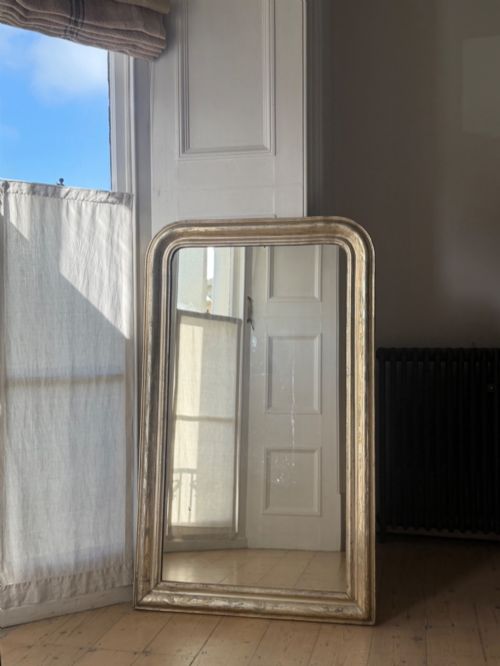
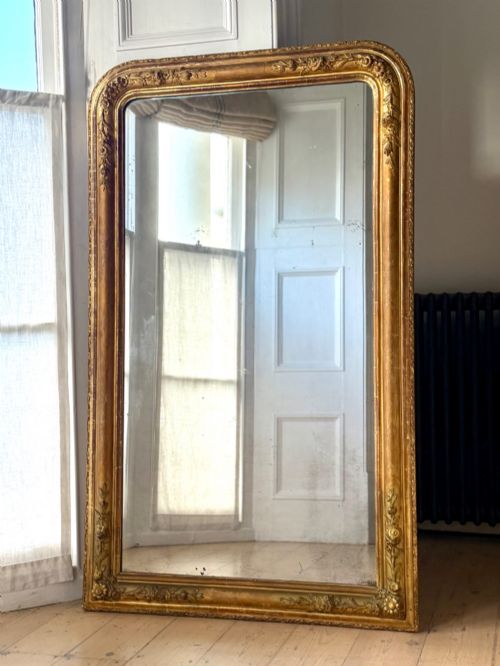
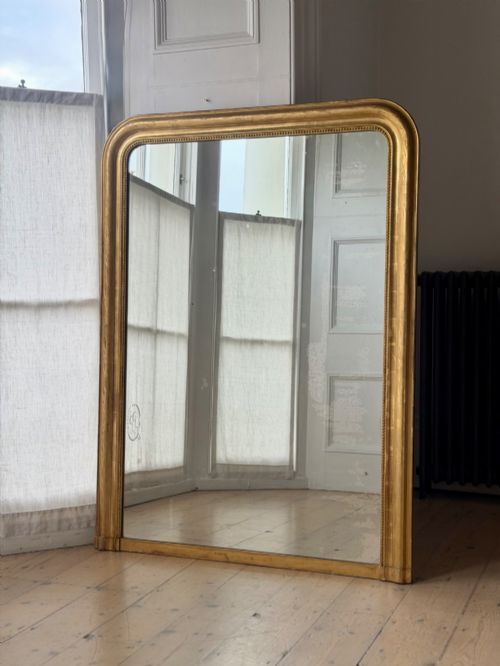
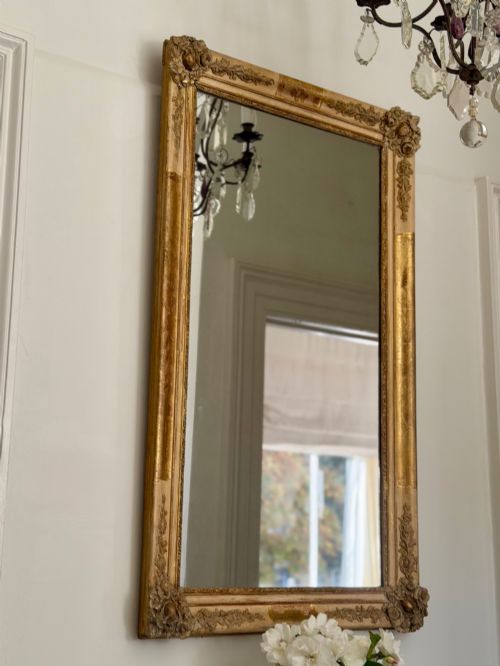
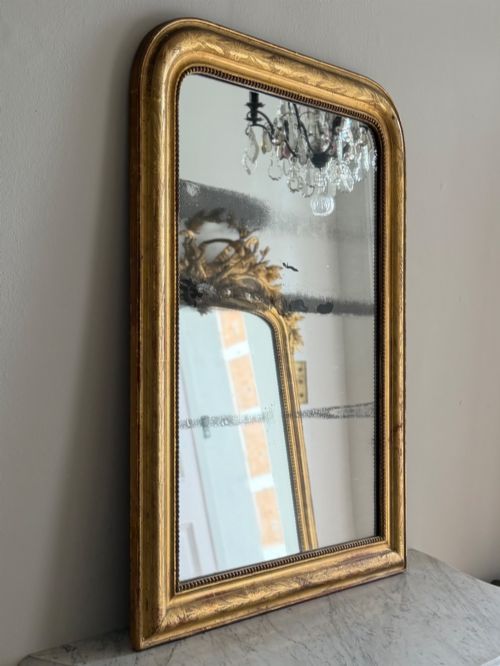
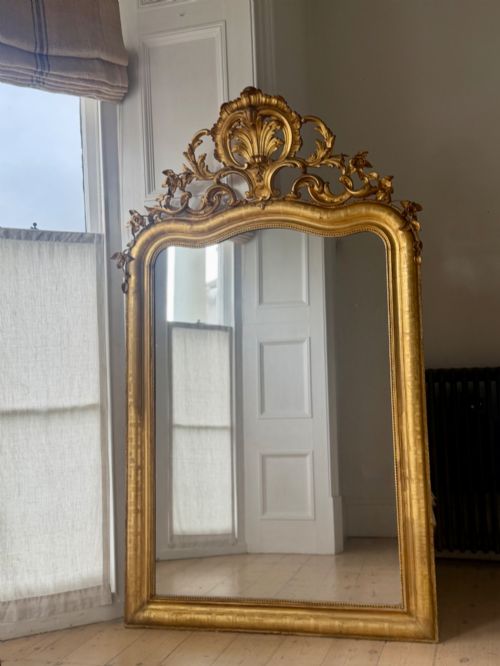
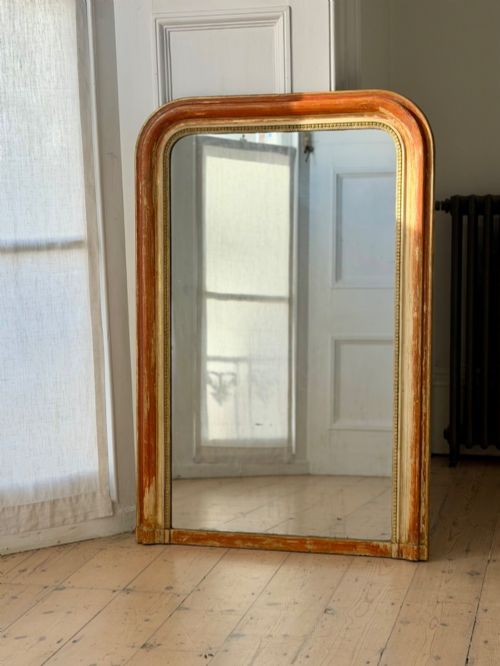
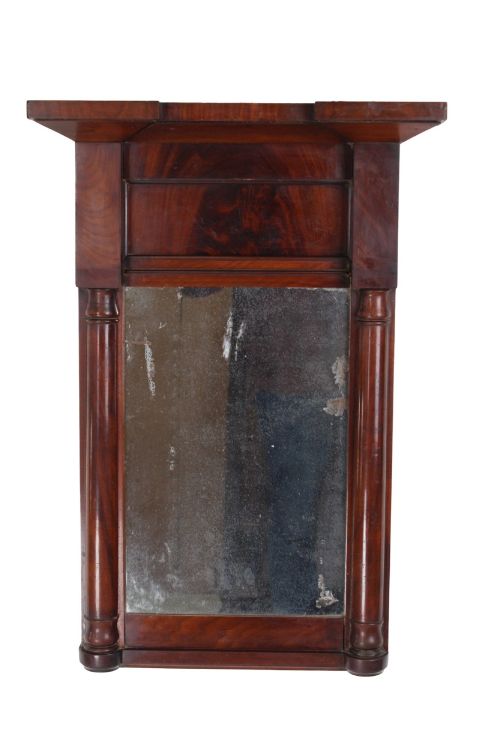
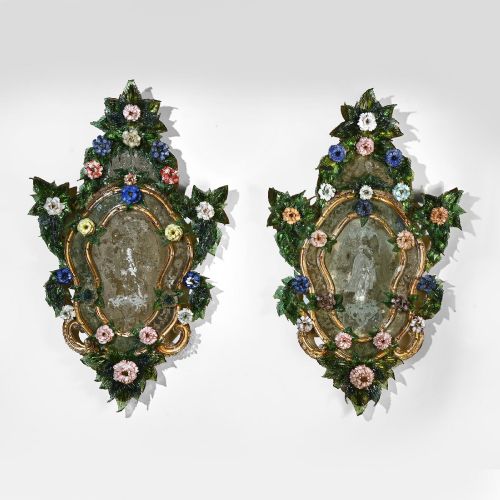
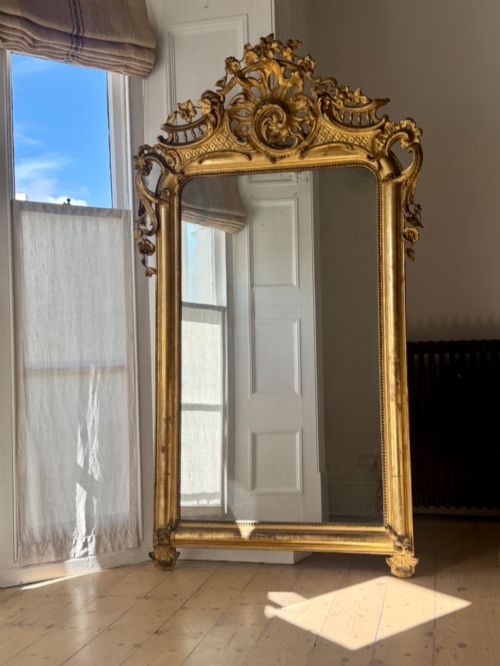
Antique mercury glass primarily appears in French and Italian wall mirrors, trumeau panels, and grand overmantel pieces dating from the eighteenth and nineteenth centuries. Buyers searching for antique mercury glass find heavy, silvered mirror plates housed inside carved giltwood, gesso, and painted frames spanning Louis Philippe, Napoléon III, and Georgian styles.
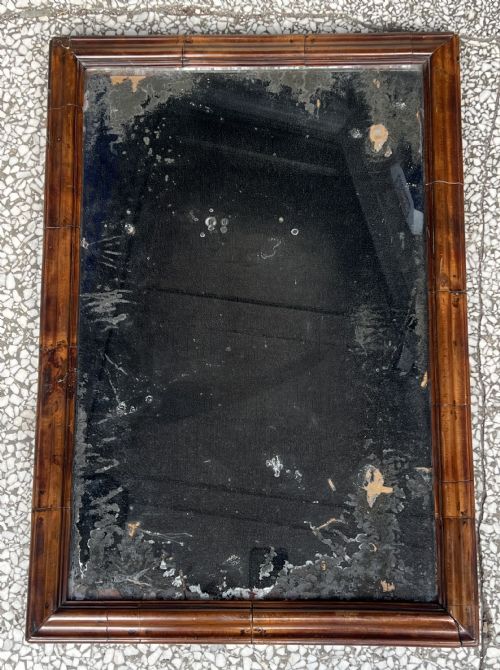
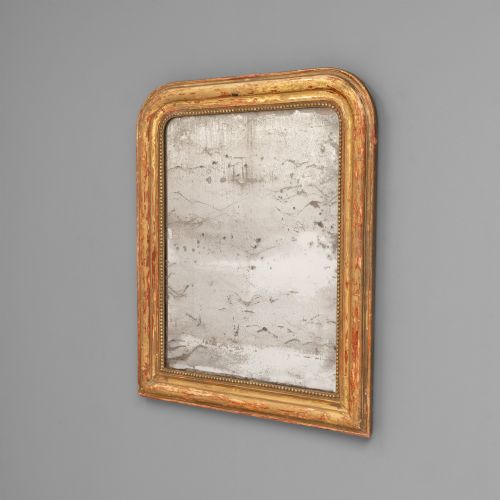
The glass plates possess a characteristic heavy depth and dark backing that differs substantially from modern float glass. Most examples on this page are French wall mirrors, where the silvering process creates characteristic clouding, dark spots, and shimmering reflectivity.
How they were made
Craftsmen produced these plates by pouring a silver and mercury amalgam between two layers of glass or coating the rear of a blown glass blank. Frames supporting the glass utilise carved giltwood, gesso, walnut, and mahogany, often accented with gold leaf and intricate surface gilding.
Makers shaped the heavy timber frames using traditional joinery, applying gesso layers before laying thin sheets of gold leaf or paint over the carved ornament. The resulting mirrors combine structural timber integrity with a dense, reflective metallic compound behind the glass.
Antique Mercury Glass Retail Price Guide 2026
Typical asking prices for mercury glass among the pieces listed under this phrase on Sellingantiques today, from the lower quarter to the upper quarter. They describe what is for sale here now, not the wider market.
A genuine mercury plate holds centuries of reflected candlelight secretly suspended within its dark silver depths.
What varies in quality
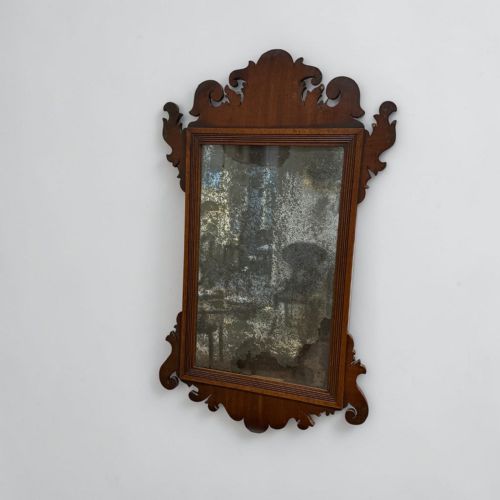
Quality rests in the depth of the original mercury plate, the crispness of the hand-carved giltwood or gesso frame, and the survival of the original backing. Superior pieces retain their heavy, undisturbed silvering and deep bevelling, whereas lesser examples show clumsy later frame repairs or replaced modern mirror plates.
The integrity of the frame carving and the proportion of the glass plate to its surround determine the aesthetic success of the piece. Authentic period gilding and untouched original mercury plates command greater respect among collectors than heavily restored or re-silvered surfaces.
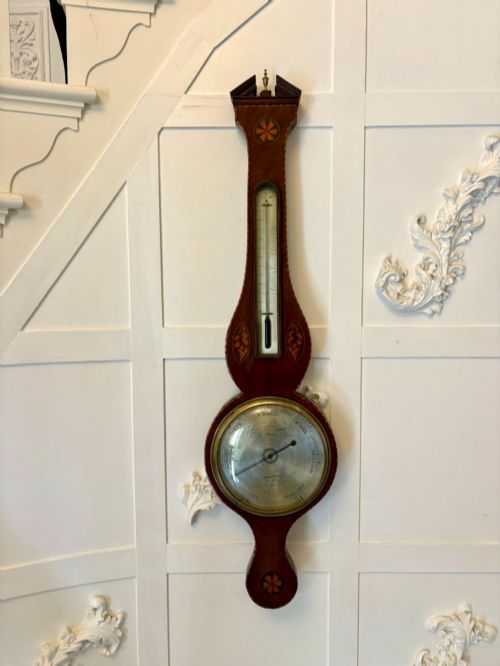
P. Caminada·George Adams·B. Besozzi
The Antique Mercury Glass Glossary
- Mercury glass
- A type of mirror plate produced by applying a silver and mercury amalgam to the back of the glass, creating a distinctive deep and reflective surface. It predates modern chemical silvering techniques.
- Foxing
- The natural dark spots, clouding, and age-related oxidation that develop within the mercury glass plate over decades. This speckling is prized by decorators for its soft visual texture.
- Trumeau mirror
- A decorative wall mirror incorporating a painted panel or oil painting in the upper section above the glass plate. These architectural pieces originated in eighteenth-century French interiors.
- Gesso
- A plaster-like mixture applied to timber frames as a smooth base for subsequent gilding or paint. High-quality pieces display sharp, undercut gesso moulding details.
- Giltwood
- Timber, usually oak or pine, coated with gold leaf or metallic powder over a prepared gesso ground. It forms the primary framing material for grand antique mirrors.
Antique Mercury Glass: Frequently Asked Questions
What is antique mercury glass?
Antique mercury glass is an early form of silvered mirror plate created using a metallic amalgam poured behind glass rather than modern chemical solutions. This method gives the glass its characteristic dark, liquid depth and shimmering quality.
Over time, chemical reactions produce natural foxing and clouding across the plate. These visual traits distinguish old mercury glass from modern reproductions.
How do I care for mercury glass mirrors?
Protect antique mercury glass mirrors by keeping them out of direct sunlight and away from damp walls that can accelerate frame deterioration and silvering decay. Clean the glass gently with a dry or barely damp microfiber cloth.
Avoid commercial glass cleaners containing harsh chemicals or ammonia, as liquid can seep behind the plate and damage the fragile historic silvering.
How can I tell original mercury glass from modern glass?
Original mercury glass displays a heavy, uneven weight, subtle distortion in the reflection, and characteristic dark foxing spots within the glass rather than on the surface. Modern mirrors appear uniform, flat, and entirely clear.
Examining the back of the mirror often reveals old timber backing boards, protective paper seals, or aged wooden frames consistent with eighteenth and nineteenth-century construction.
Where were these mirrors placed historically?
Historically, large mercury glass mirrors were hung above mantelpieces as overmantel mirrors or placed between windows as pier mirrors to amplify natural daylight in formal rooms. Their reflective qualities made dim candlelit interiors appear brighter and more spacious.
Grand trumeau mirrors were integrated directly into the wood panelling of fashionable Parisian salons and country houses during the Georgian and Louis Philippe periods.