
Antique Mens Horology
Antique mens horology encompasses mechanical timepieces spanning the Victorian era to the mid-twentieth century, offering enduring craftsmanship and reliable engineering for everyday wear.
Antique Mens Horology
Antique mens horology comprises portable timepieces designed for men, encompassing both pocket watches and wristwatches from various historical periods.
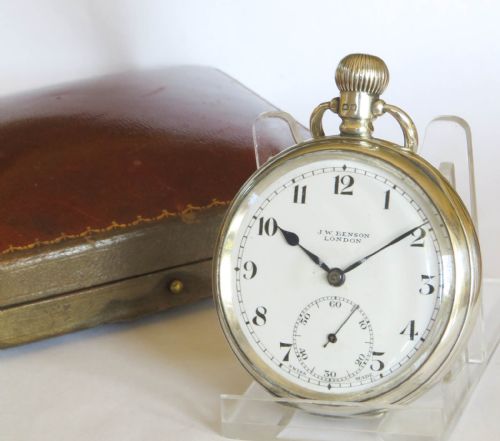
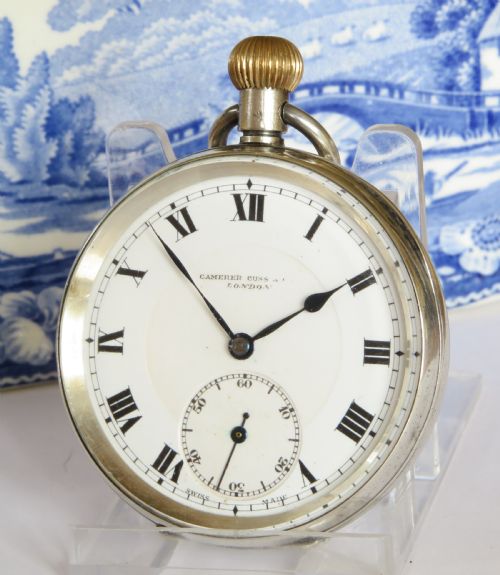
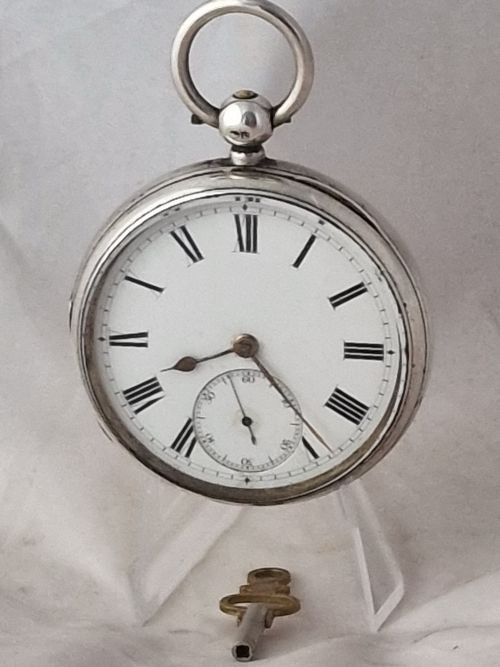
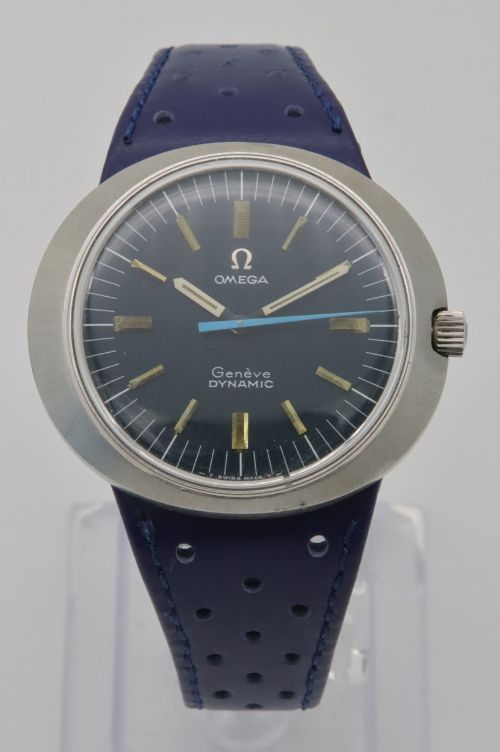
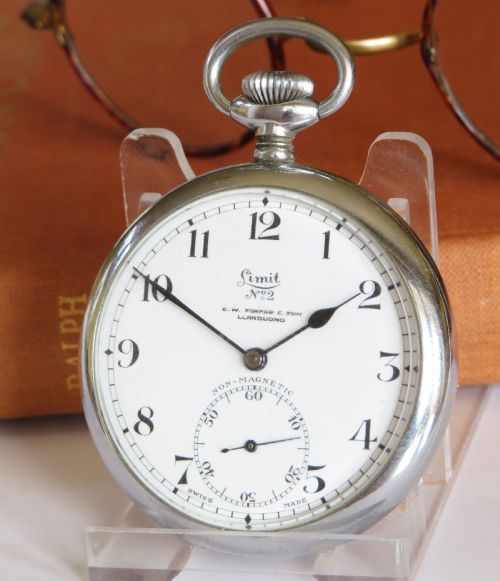
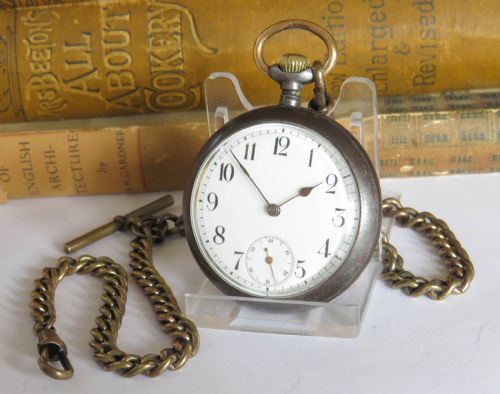
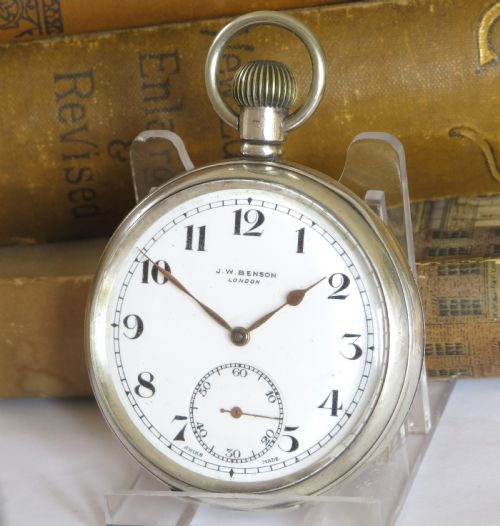
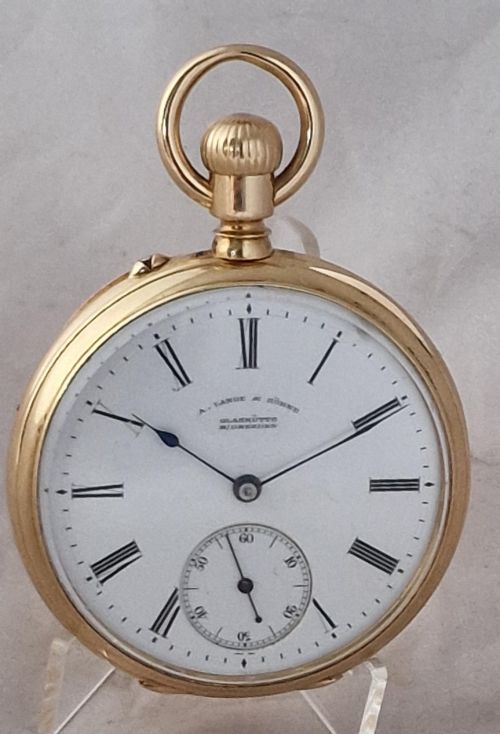
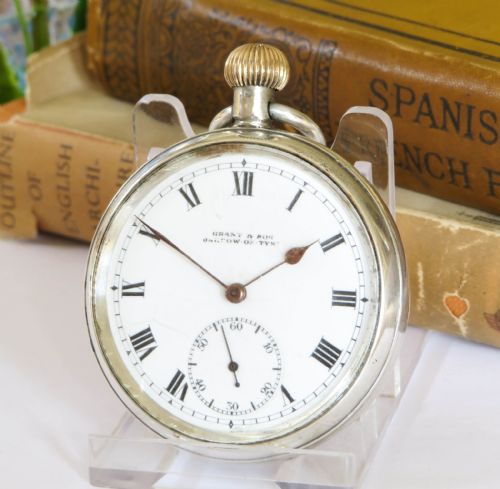
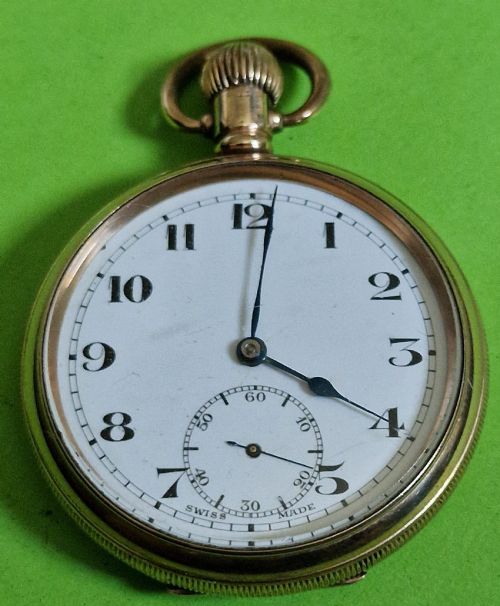
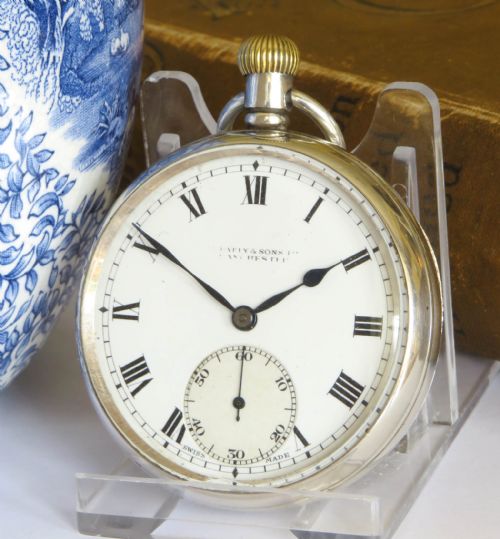
The selections encountered here range from late nineteenth-century fusee pocket watches to mid-century wristwatches featuring mechanical movements.
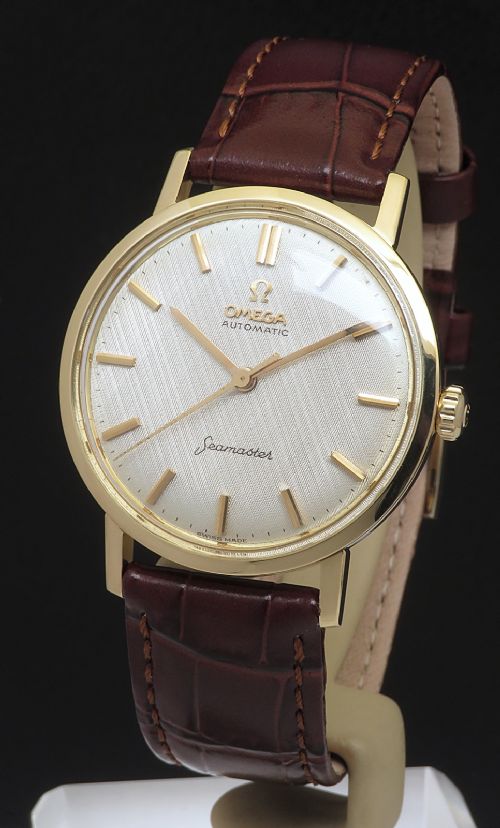
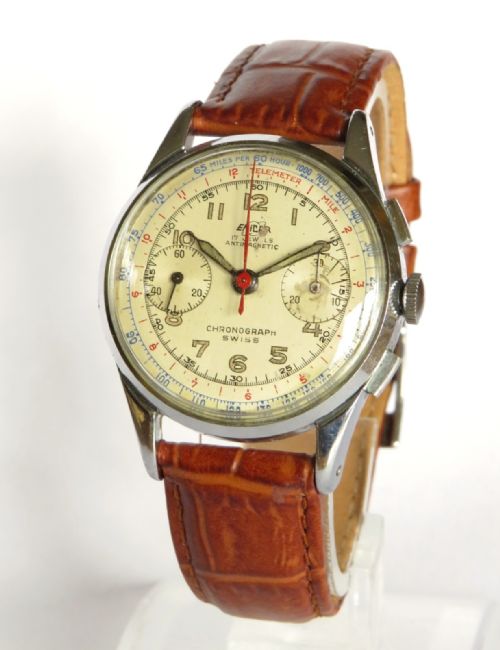
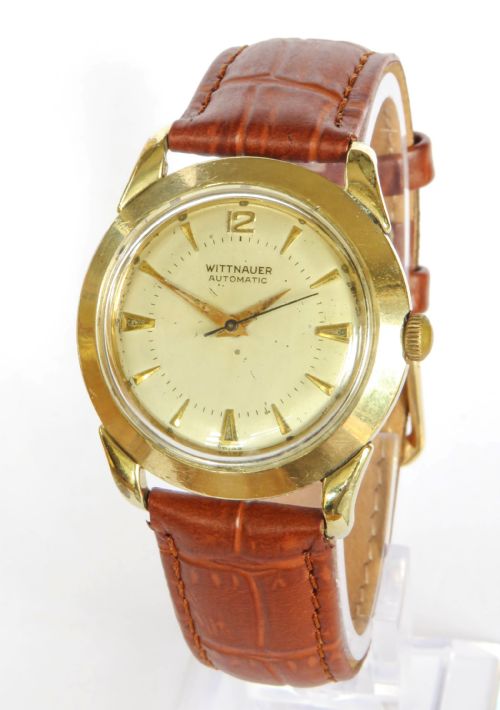
Pocket watches dominate the earlier periods, while wristwatches become prevalent from the 1940s onwards, reflecting changing daily habits.
Materials and Construction
Casses are predominantly forged from sterling silver, solid 9ct gold, and brass, often paired with durable stainless steel in later decades.
Dials frequently utilise crisp enamel finishes or signed metal faces, protected by clear glass or early acrylic crystals.
Movements rely on intricate brass gear trains and jewelled pivots, driven by mainsprings housed within steel barrels.
Object types include traditional pocket watches alongside mid-century wristwatches by Swiss and British makers.
Assessing Horological Quality
Superior examples demonstrate meticulous finishing on internal movement bridges and a higher count of functional jewels within the mechanism.
The integrity of the original dial, case hallmarking, and matching hallmarks across inner and outer components dictate the desirability of a piece.
J W Benson·Camerer Cuss·Lange & Sohne·Cyma·Omega·Longines·Waltham·Smiths
The Antique Mens Horology Glossary
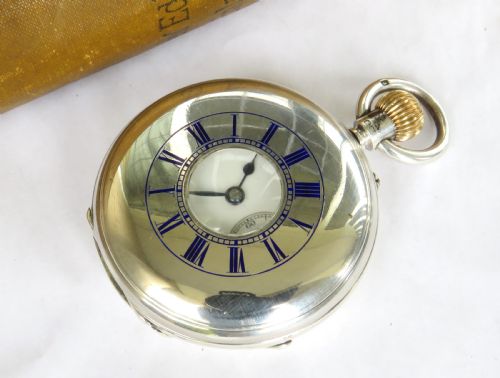
- Half hunter
- A pocket watch case featuring a solid outer cover with a central glass aperture, allowing the time to be read without opening the case. This design protects the delicate dial beneath.
- Fusee
- A conical pulley device connected to the mainspring by a chain, designed to equalise the torque as the spring unwinds. It represents a hallmark of traditional British watchmaking.
- Chronograph
- A watch equipped with a complication for measuring elapsed time independently of the primary timekeeping hands. These mechanisms often utilise dedicated start and reset pushers.
- Albert
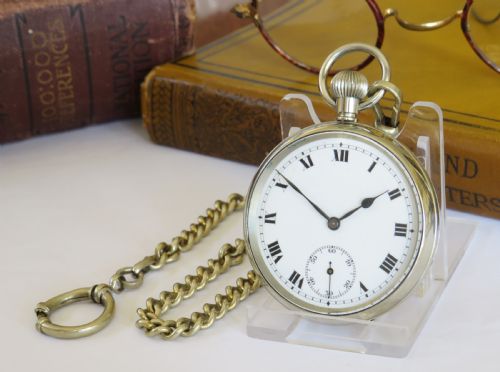
- A chain or fob used to secure a pocket watch to a waistcoat or belt. They are frequently fashioned from matching silver or gold metals.
- Calibre
- The specific manufacturer's designation for a particular watch movement design. Collectors use this to identify the precise internal architecture of a timepiece.
Antique Mens Horology: Frequently Asked Questions
How do I wind a vintage pocket watch?
Most twentieth-century pocket watches utilise a stem-winding mechanism integrated with the crown at the top of the case. Gently rotating the crown clockwise until firm resistance is felt fully tensions the mainspring.
Avoid overwinding the movement, as this can place undue stress on the internal components and strain the spring itself.
What does fusee mean on a pocket watch?
A fusee is a conical gear system connected to the mainspring via a tiny chain, engineered to maintain even power delivery as the spring unwinds. This traditional British method ensured consistent timekeeping accuracy.
Watches featuring this mechanism represent an older, highly regarded tradition of mechanical engineering predating standard barrel mainsprings.
Are mid-century wristwatches waterproof?
Most vintage wristwatches from the 1940s and 1950s offer limited resistance to moisture and dust compared to modern standards. Gaskets and seals degrade over decades, leaving movements vulnerable to damp conditions.
It is best to treat these historical timepieces as entirely non-waterproof and keep them away from rain, swimming, and hand washing.