




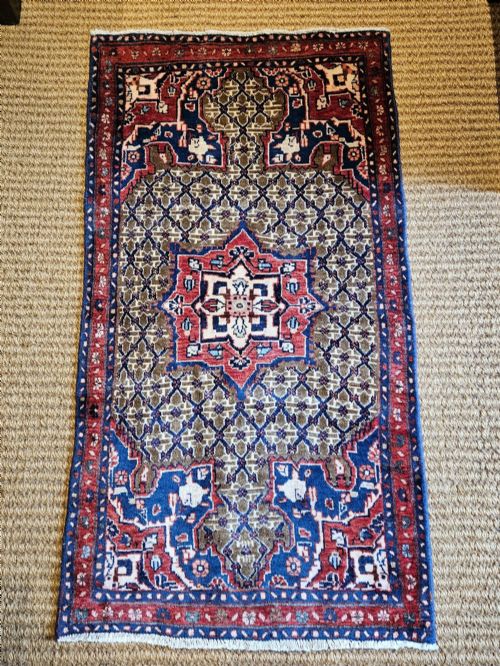
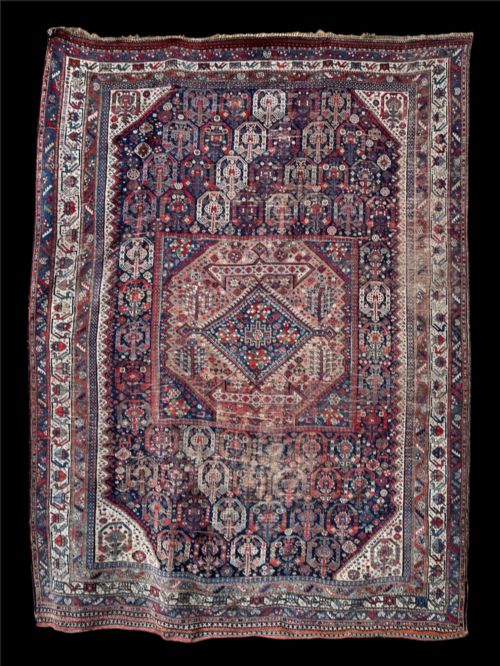
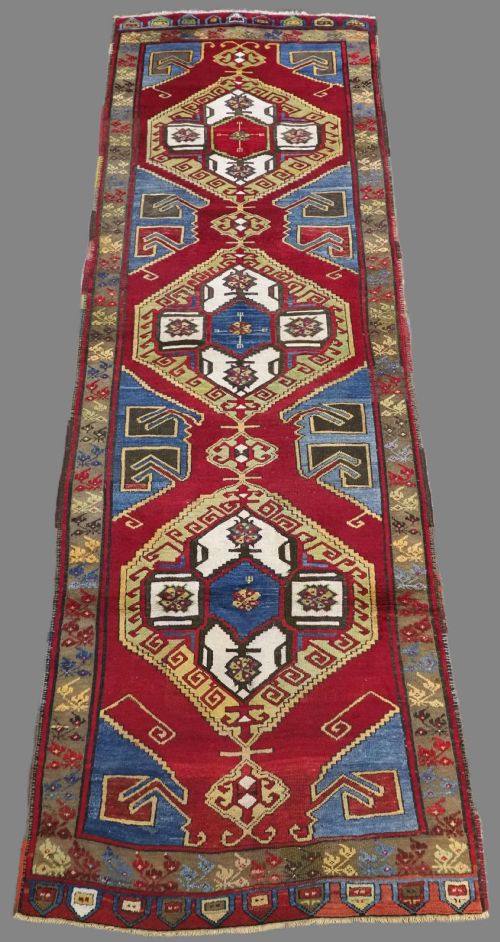
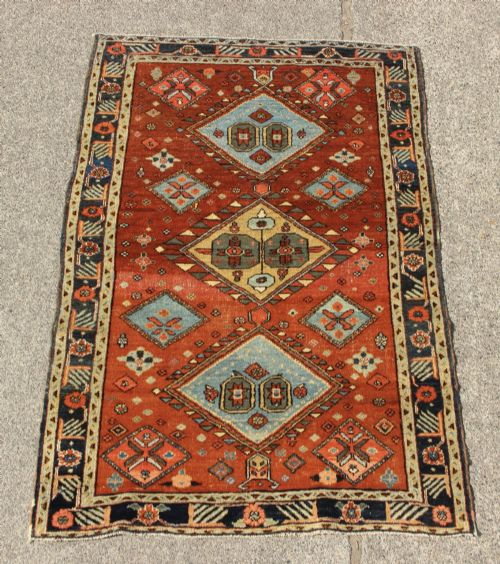
Antique Medallion Runner
These narrow floor coverings bring concentrated pattern and rich wool pile into long hallways and passages.
Antique Medallion Runner
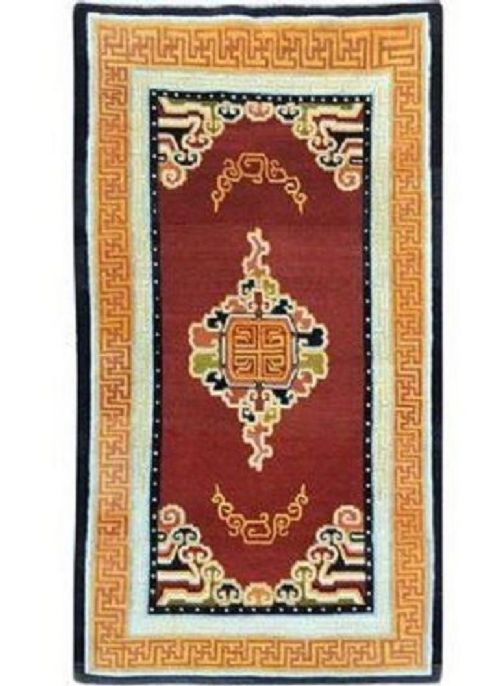
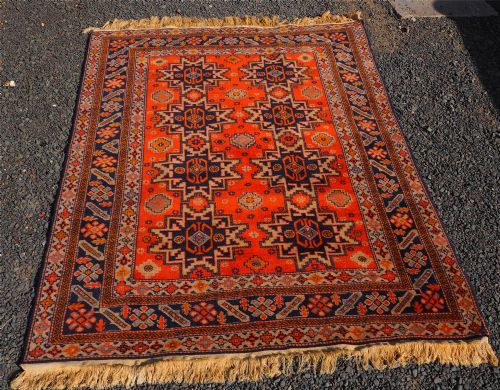
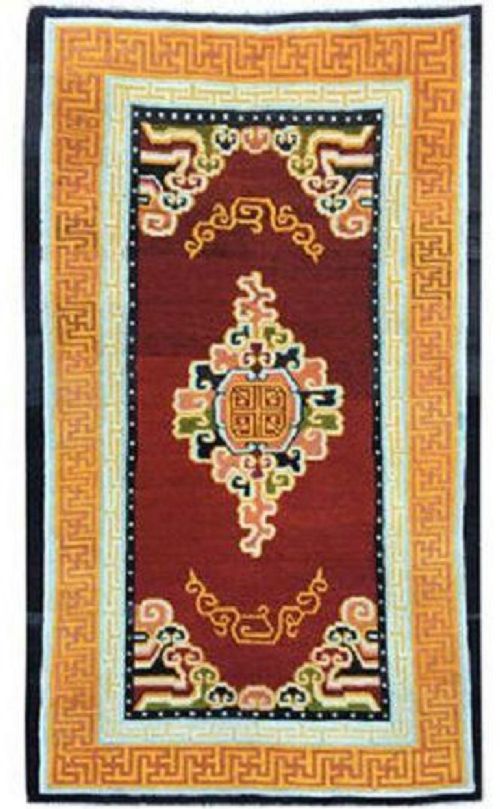
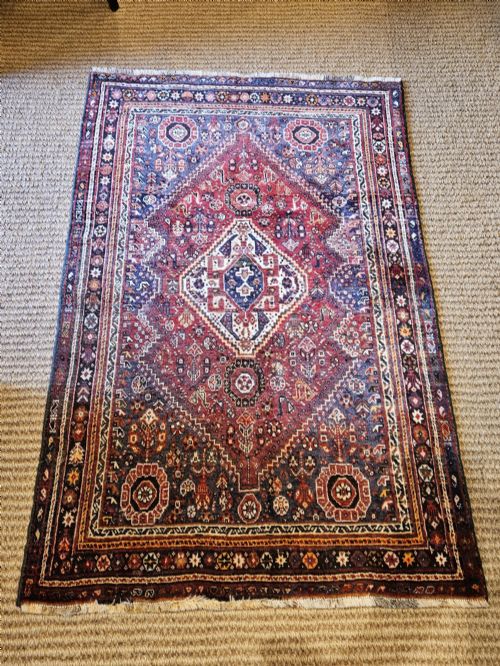
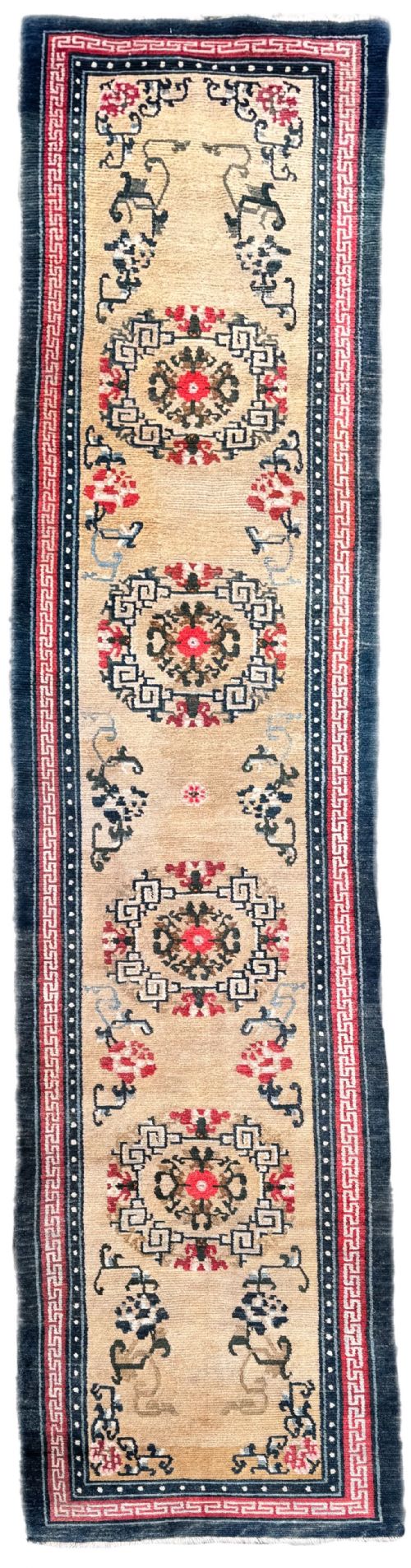
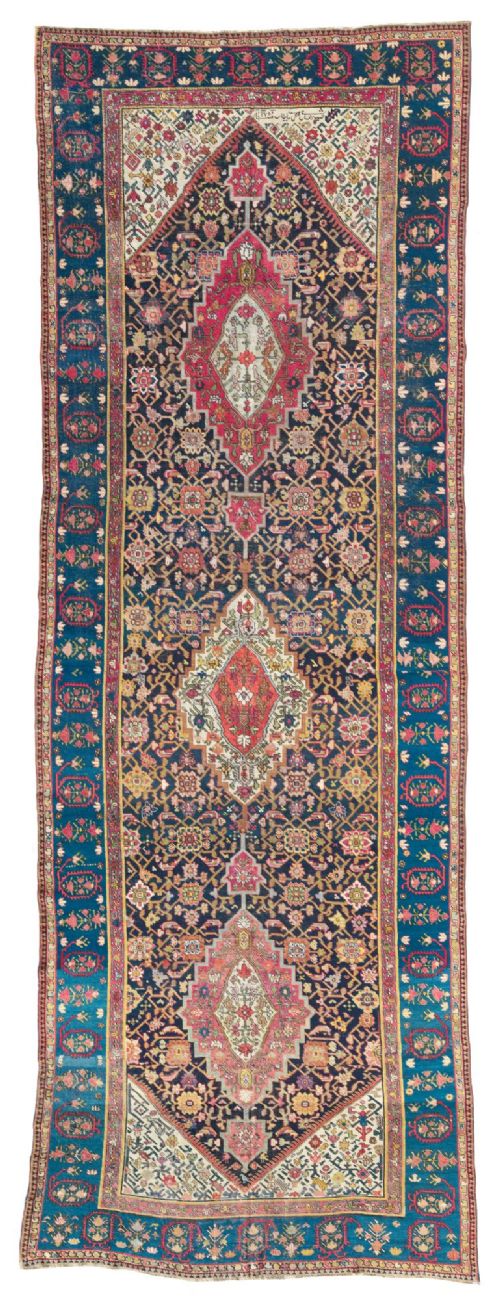
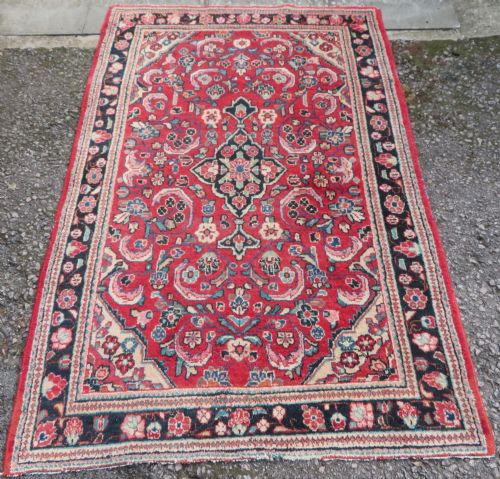
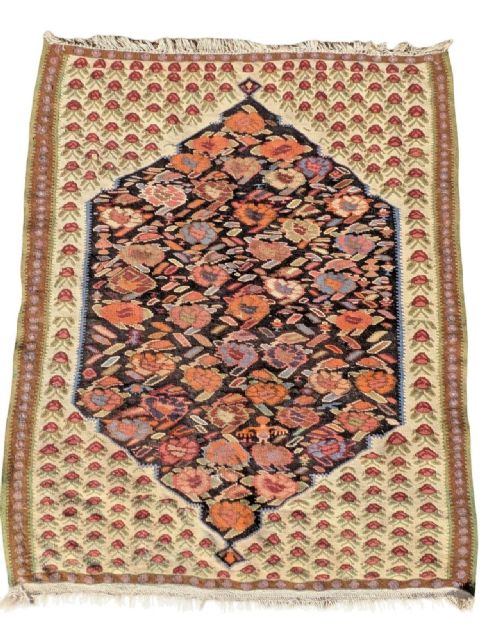
An antique medallion runner is a long, narrow floor textile woven in Persian, Caucasian, Anatolian, or Tibetan traditions, featuring central geometric or floral motifs set along its length. These pieces served domestic spaces such as corridors, galleries, and stairways, where narrow proportions were required.
The selection here includes pieces originating from regions like the Caucasus, Persia, and Turkey, dating from the nineteenth century into the early twentieth century. Woven formats range from specific long runners to village carpets with elongated proportions.
Buyers encountering this group will find both tribal and village pieces, constructed by regional weavers working with traditional hand-knotted or flatweave techniques.
How they were made
Makers constructed these textiles predominantly using wool pile on cotton or wool foundations, relying on hand-spinning and natural dyeing methods to establish the base palette. Weavers knotted the pile by hand onto warp and weft threads, securing the ends with various forms of selvage and fringe finishing.
The density of the knotting and the quality of the wool determine the weight and drape of each runner, while the dyestuffs used dictate how the colours mature over decades of exposure.
The listings span from the mid-nineteenth century through the 1930s, utilising wool and cotton materials across Persian, Caucasian, and Tibetan styles.
What varies in quality
The distinction between standard examples and exceptional ones lies in the precision of the drawing and the saturation of the wool. Finer pieces demonstrate tighter knot counts, greater clarity in the central medallion geometry, and a more harmonious balance of secondary motifs.
The handling of the dyestuffs also sets examples apart, with superior pieces showing rich shifts in hue across the field, known as abrash, which give depth to the surface.
The Antique Medallion Runner Glossary
- Medallion
- A central ornamental motif, often diamond or hexagonal in shape, placed in the middle of the rug field. This design element serves as the primary focal point of the composition.
- Runner
- A long, narrow carpet format designed specifically for hallways, corridors, and stairs. Proportions are substantially longer than they are wide.
- Pile
- The upright or knotted surface of the rug formed by the cut ends of yarn. Pile depth varies according to the regional tradition and the intended use of the floor covering.
- Warp
- The vertical foundation threads stretched tightly on the loom before weaving begins. Weft threads are passed across these to hold the knots in place.
- Abrash
- Variations in colour shade caused by changes in dye batches or hand-spun wool. This subtle striping is valued as a mark of authentic artisanal production.
Antique Medallion Runner: Frequently Asked Questions
Where should I place a runner in my home?
These narrow textiles suit hallways, corridors, and entryways where their elongated proportions fit linear spaces. They also function well alongside kitchen islands or beside beds.
Ensure you measure the walkway carefully, leaving a border of exposed flooring on all sides to frame the pattern properly.
How do I care for an antique wool runner?
Regular gentle vacuuming without a rotating brush roll prevents dust accumulation in the wool pile. Professional cleaning by specialists in antique textiles is recommended every few years.
Keep these pieces out of direct, intense sunlight to protect the natural dyes from fading unevenly over time.
What is the difference between tribal and village weaves?
Tribal runners often feature geometric motifs, asymmetric designs, and bolder palettes reflecting nomadic traditions. Village pieces tend to display more structured floral or medallion layouts.
Both categories rely on hand-spun wool and traditional techniques passed down through generations of regional makers.
Why do some runners have distressed areas?
Decades of foot traffic and natural wear create areas of low pile or thinning across the foundation. Many collectors appreciate this aged texture as evidence of genuine history and continuous use.
Distressing does not necessarily compromise the structural integrity of a tightly knotted wool foundation.