

Antique Mechanical Timekeeper
An antique mechanical timekeeper brings together precise gear trains and heritage design to keep time without electricity.
Antique Mechanical Timekeeper
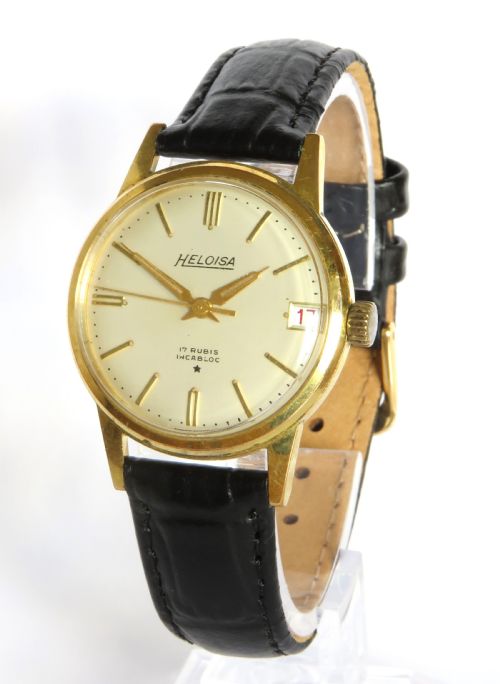
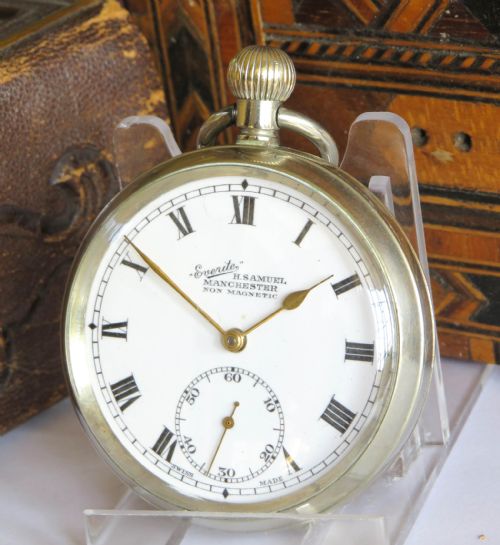
When you search for an antique mechanical timekeeper, you find portable and stationary devices driven by springs and weights rather than quartz or digital circuits. The selection spans pocket watches, wristwatches, wall clocks, and mantel clocks across the Victorian, Edwardian, Art Deco, and mid-century periods.
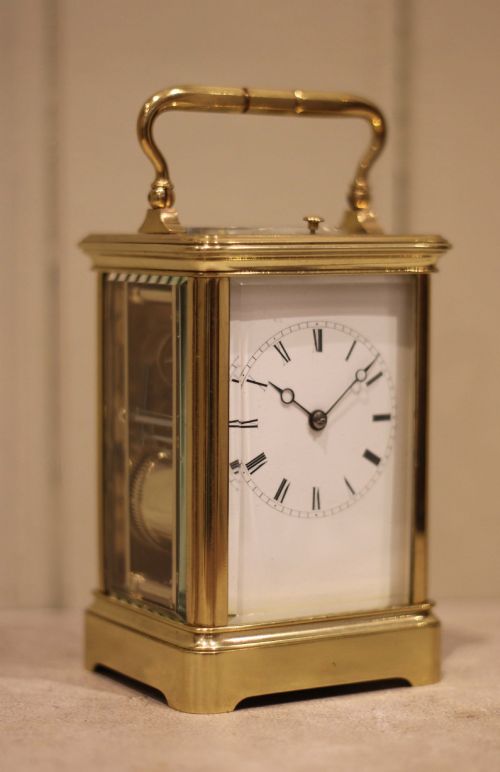
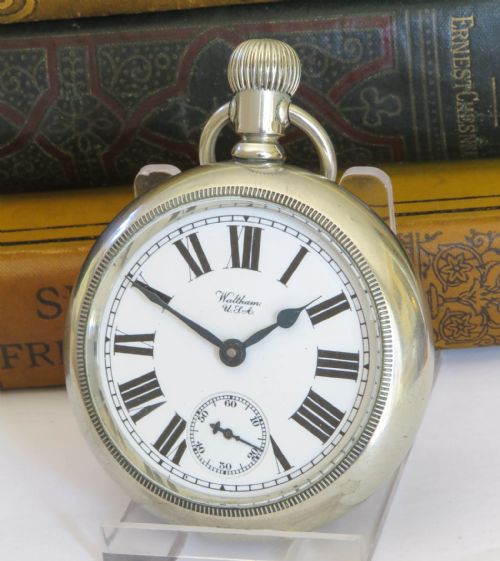
Carriage clocks and pocket watches dominate the offerings, alongside striking wall clocks and wooden mantel pieces. Origins stretch from British workshops to French studios, encompassing railway timepieces and domestic instruments alike.
How they were made
Maker workshops utilised brass, steel, glass, and silver alongside timber cases in mahogany, golden oak, and bakelite. Movement components rely on turned brass plates, steel pinions, and hand-adjusted escapements.
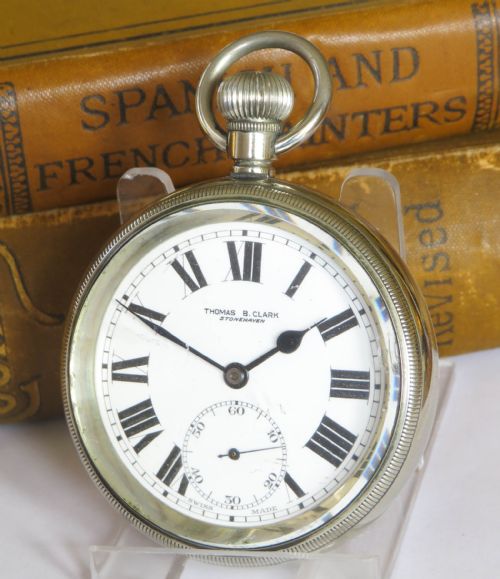
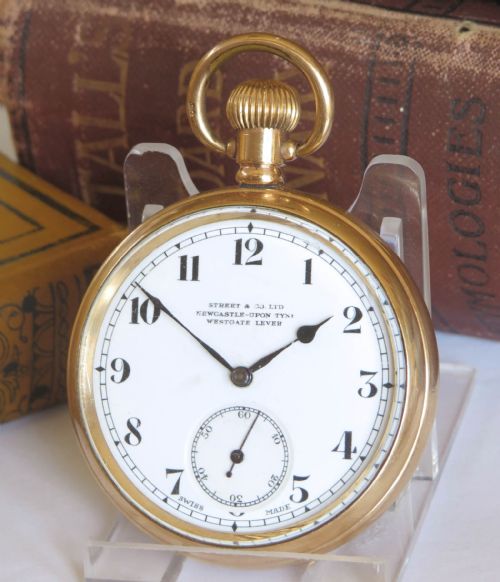
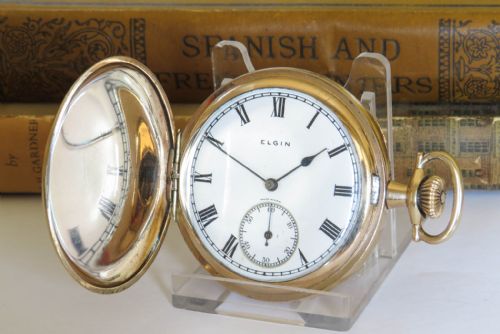
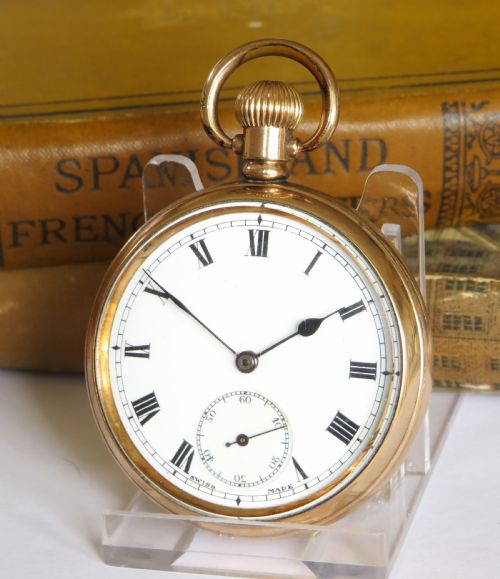
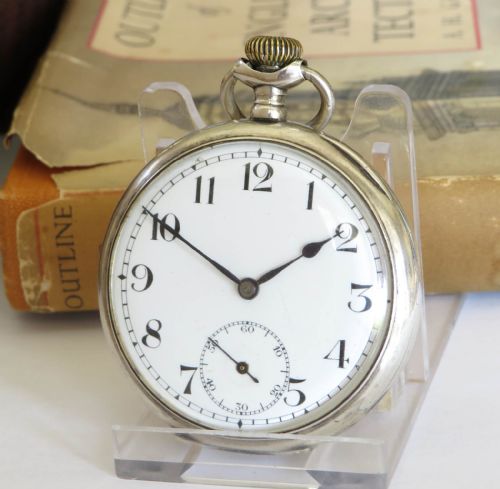
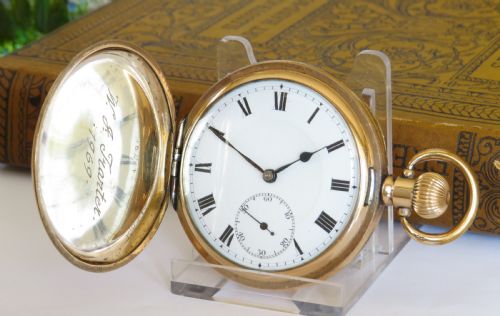
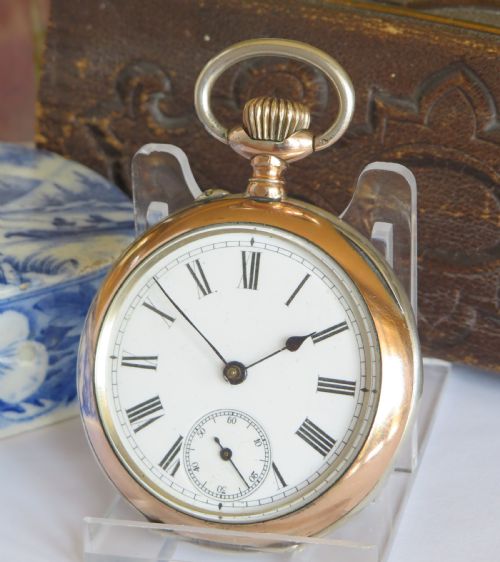
Dials feature enamel surfaces or engraved metal faces protected beneath glass crystals, while portable cases combine gold plate, rolled gold, or horn backings with intricate inner engravings.
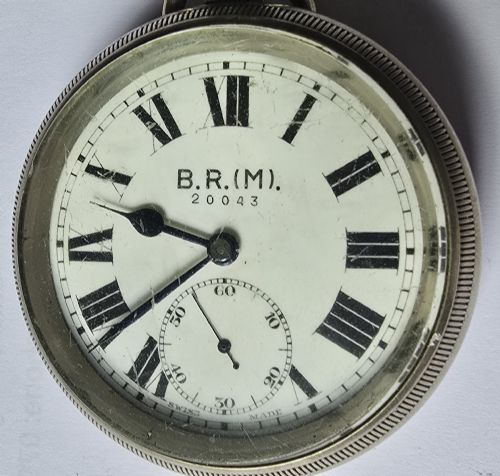
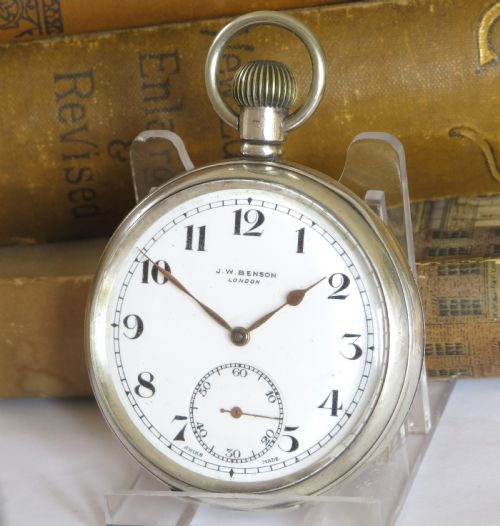
Railway pocket watches kept guards precisely synchronized across muddy junctions long before digital wristwatches ever existed.
What varies in quality
The standard of a mechanical timekeeper rests on the crispness of the movement engraving, the complexity of the striking or repeating trains, and the preservation of the original case. Fine examples exhibit signed movements, undamaged enamel dials, and heavy brass gorge or carriage housings.
Subtleties in finishing separate standard utility pieces from specialist presentation items, such as bravery awards, custom railway engravings, and decorative French mantel clock cases.
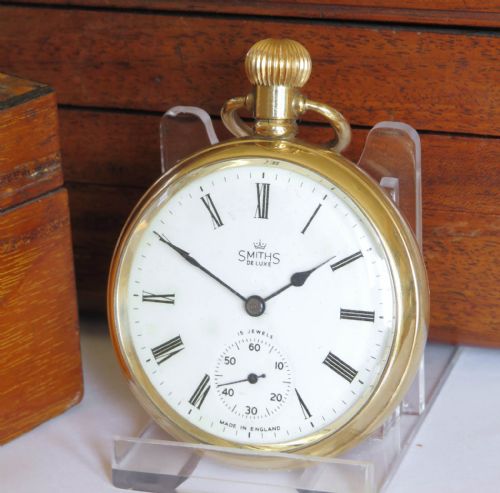
Waltham·Cyma·Minerva·Elgin·Smiths De Luxe·Jaz·Drocourt Paris·Pickford of London·Zenith
The Antique Mechanical Timekeeper Glossary
- Carriage clock
- A portable spring-driven timepiece originally designed for travel during the nineteenth century. These brass-framed clocks typically feature glass panels and a folding handle.
- Fusee
- A conical pulley mechanism used in clocks and pocket watches to equalize the diminishing power of the mainspring as it unwinds. This device ensures steady force delivered to the escapement.
- Hunter pocket watch
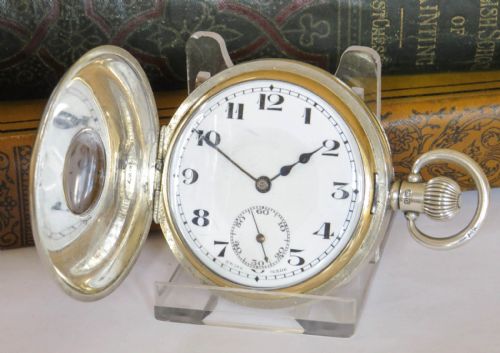
- A pocket watch featuring a spring-loaded metal cover that protects the dial from scratches and impacts. The cover pops open via a crown-mounted push piece.
- Striking movement
- A clock mechanism that audibly signals hours or quarters using gongs, bells, or rack-controlled hammers. Some advanced versions incorporate repeating functions to sound the time on demand.
Antique Mechanical Timekeeper: Frequently Asked Questions
How do I wind a mechanical pocket watch?
Wind the crown clockwise between your thumb and forefinger until you feel firm resistance, stopping immediately to avoid over-tensioning the internal mainspring.
Keep the watch upright while winding, and handle the stem gently to protect the vintage gear teeth from unnecessary wear.
How often should an antique clock be serviced?
Mechanical clocks generally require professional cleaning, oiling, and adjustment every three to five years to remove old dust and hardened lubricants from the gear train.
Regular servicing prevents excessive friction between brass pivots and steel arbors, preserving the original components for future decades.
Can I wear an antique wristwatch daily?
Vintage wristwatches tolerate daily wear provided you avoid exposure to water, magnetic fields, and heavy physical impacts that can damage unsealed movements.
Give older watches extra care by keeping them away from modern electronics and ensuring manual-wind models are handled on a consistent schedule.
What is the difference between a carriage clock and a mantel clock?
Carriage clocks are compact, portable brass-and-glass travel pieces fitted with handles, whereas mantel clocks are larger, heavier stationary wooden or slate designs made for domestic fireplaces.
Carriage clocks often run on an eight-day platform escapement, while mantel models frequently utilise fusee or pendulum movements housed in mahogany or oak.