

Antique Mechanical Table Clock
An antique mechanical table clock is a reliable domestic timekeeper housed in a refined timber or metal case, prized for traditional brass movements.
What an antique mechanical table clock is
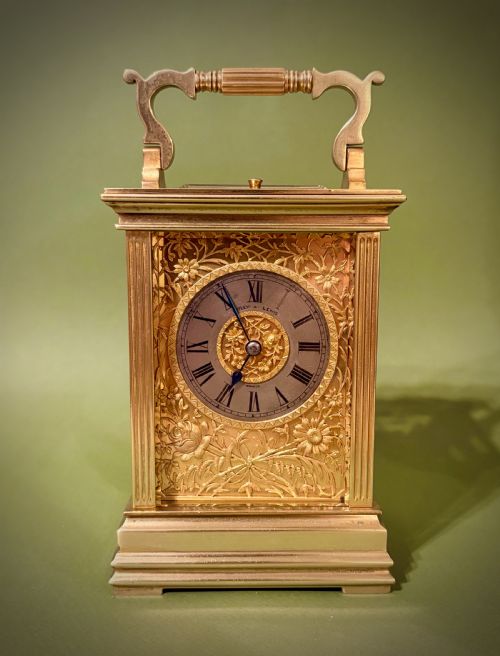
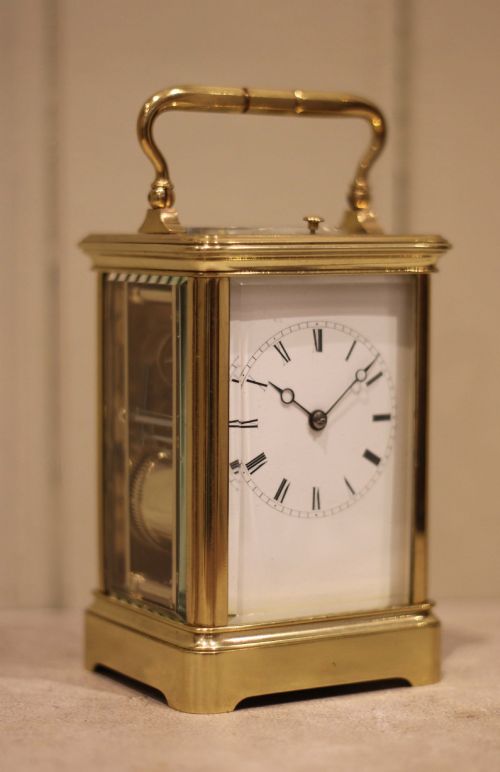
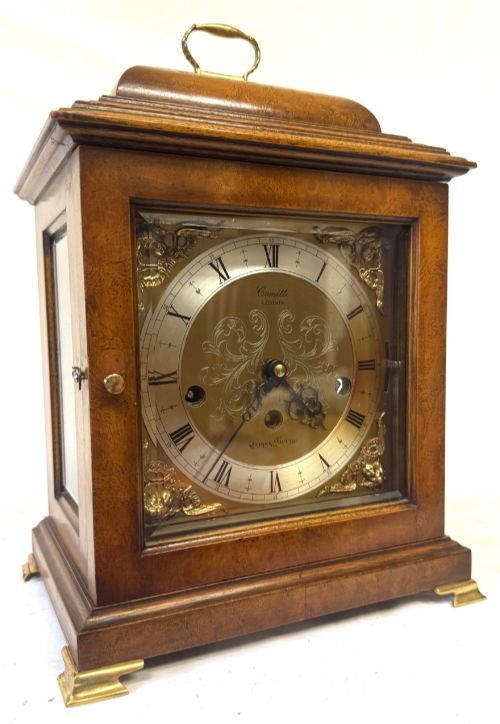
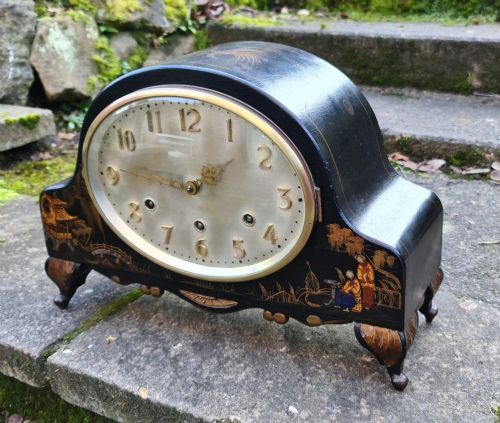
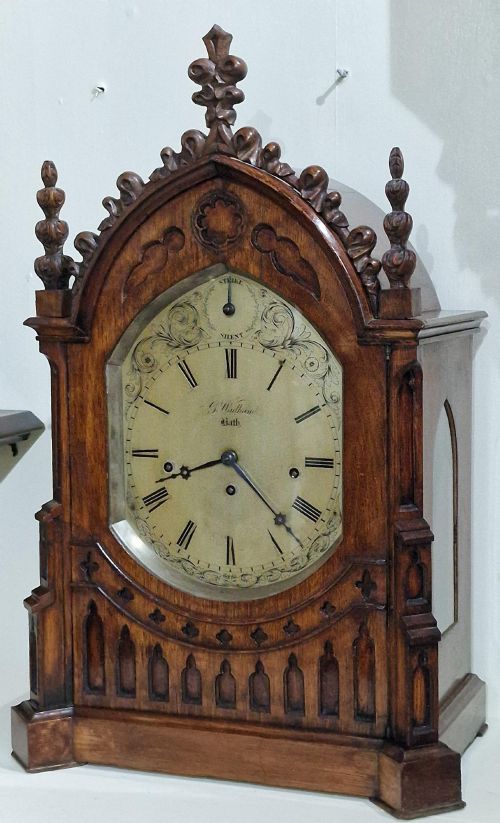
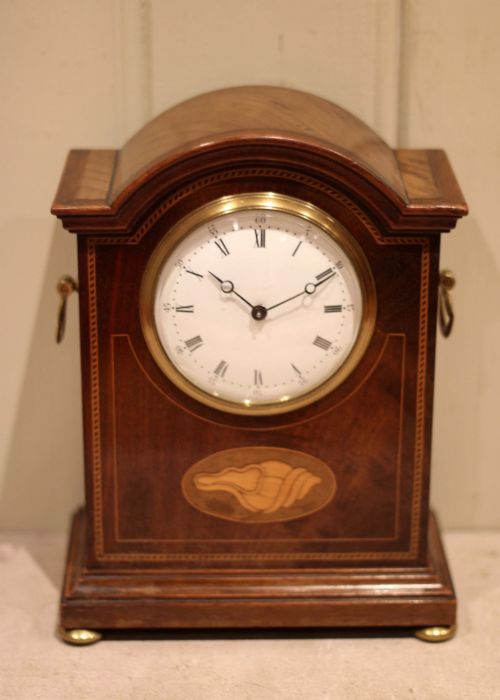
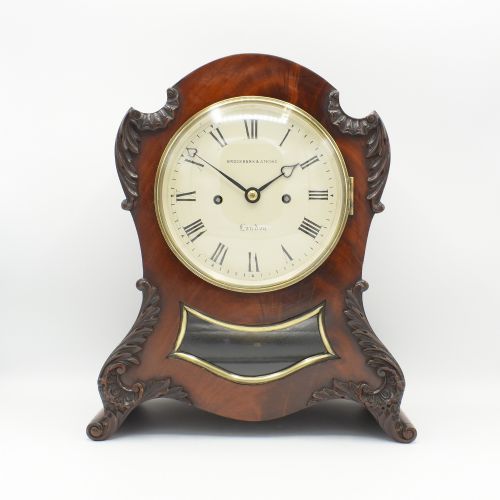
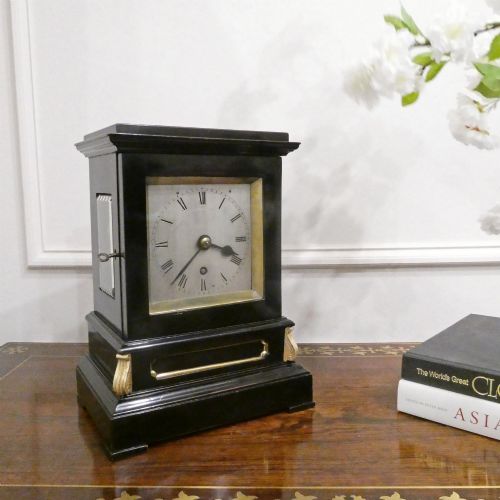
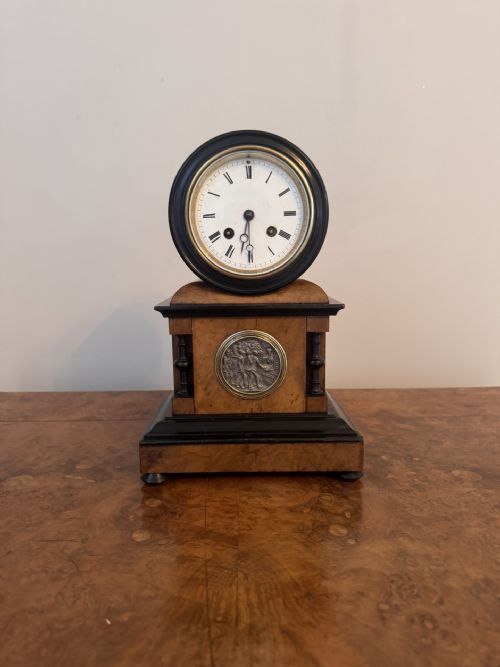
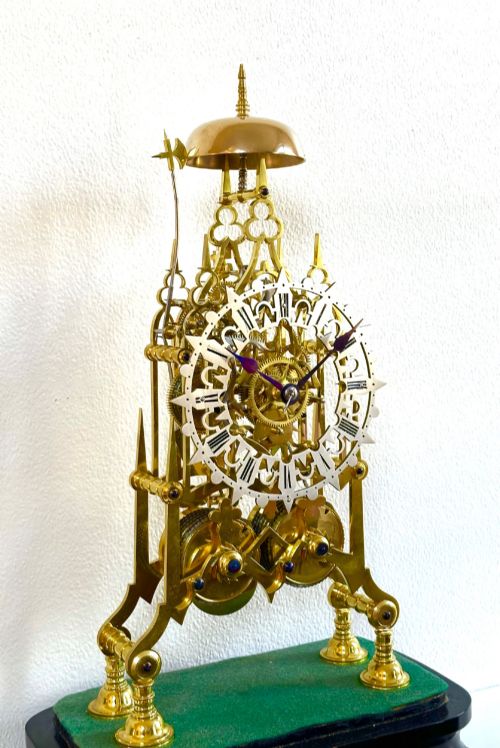
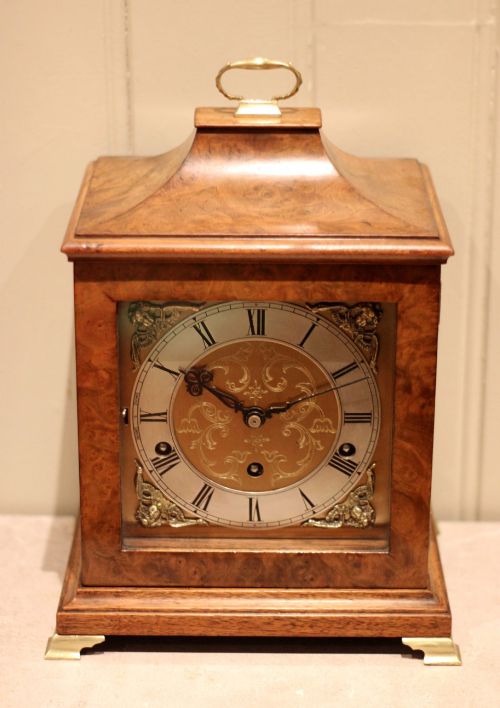
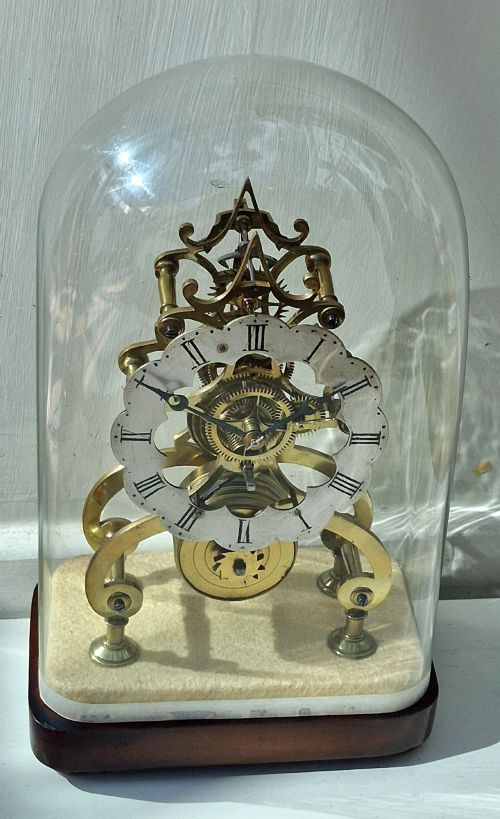
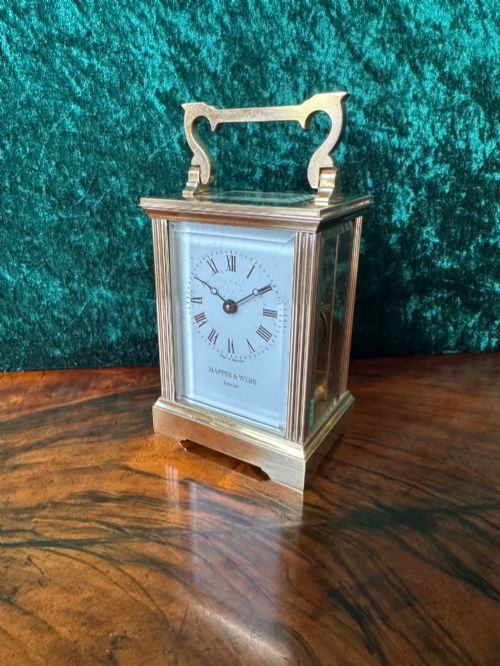
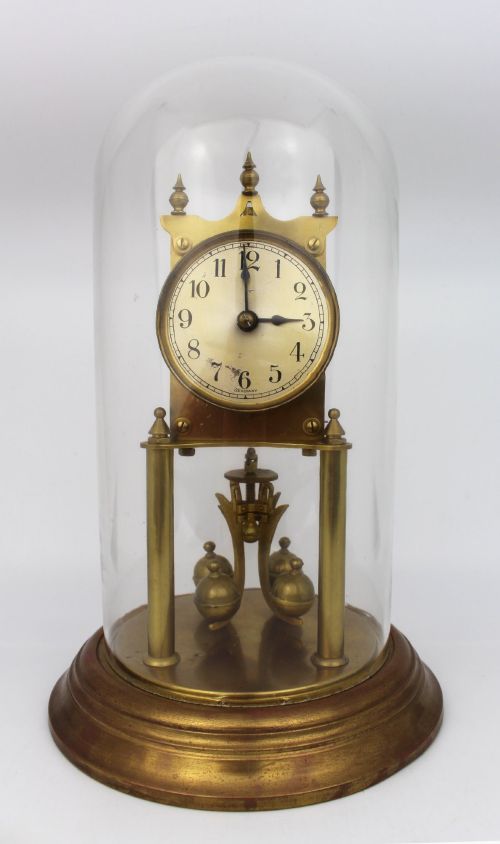
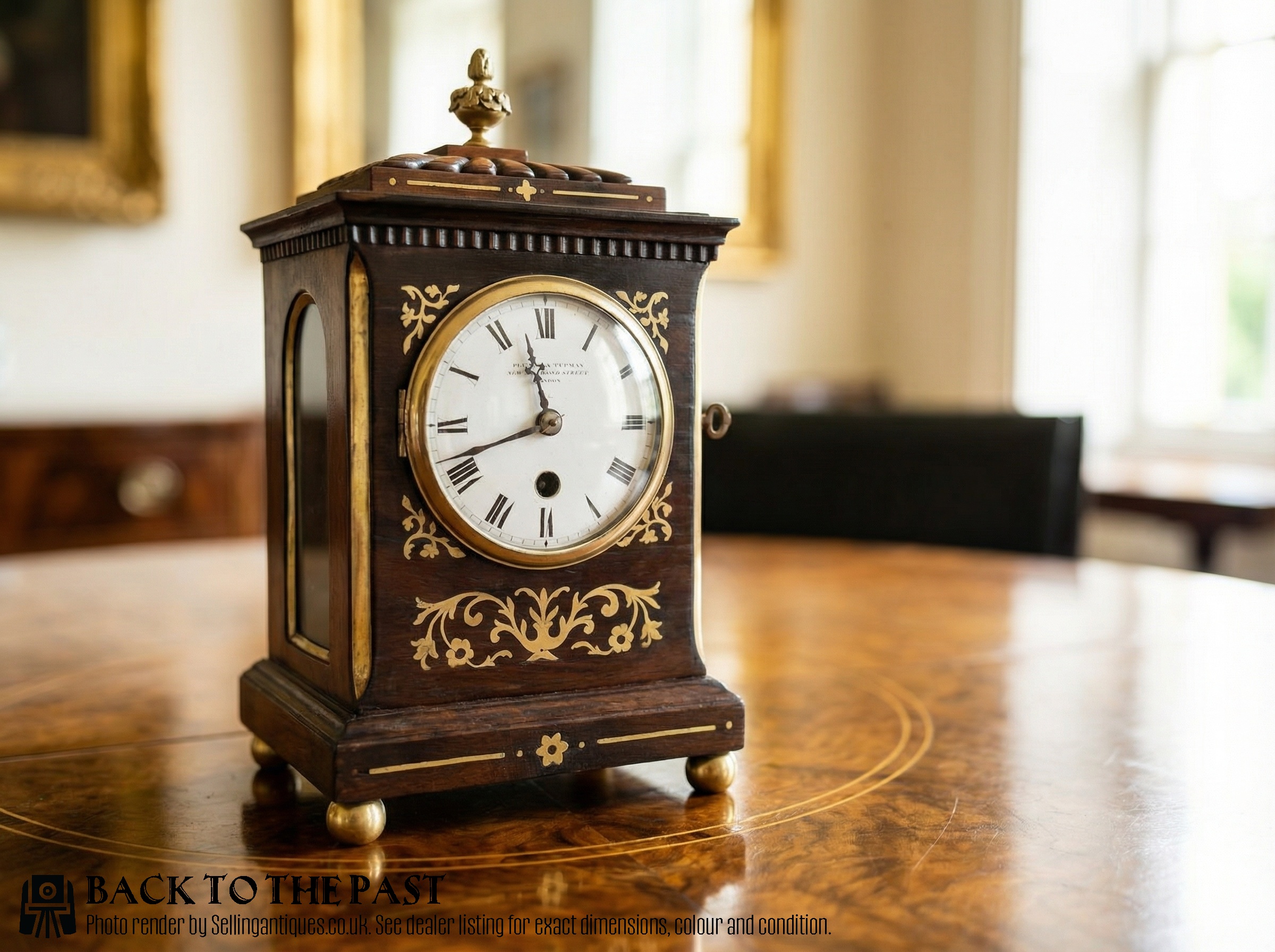
When you search for an antique mechanical table clock, you are looking at portable domestic timepieces designed to sit on a mantelpiece, shelf, or library table. The pieces available on this page encompass traditional bracket clocks and carriage clocks dating from the nineteenth century, including the Regency and Victorian periods.
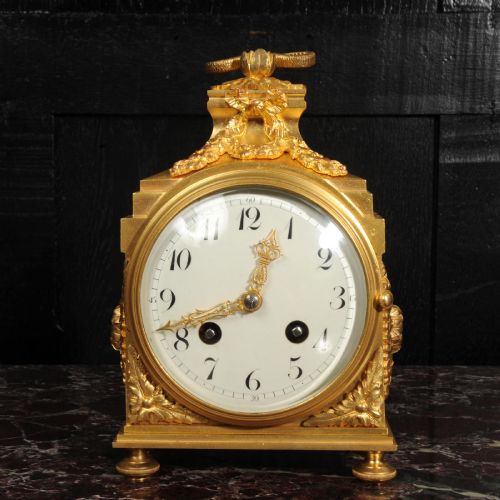
The most common forms you will meet are bracket clocks housed in mahogany cases, alongside architectural gilt brass carriage clocks. These examples originate from English and French workshops, utilising mechanical movements driven by springs and fuses rather than electricity or weights.
How they were made
The construction of these clocks relies on robust metals and dense hardwoods working in unison. Makers utilised brass and steel for the complex gear trains and escapements, while enclosures were built from mahogany or rosewood, frequently enhanced with brass inlay and glass panels.
Gilt bronze and gilt brass were cast and chased to form decorative mounts and carriage clock cases. Dials were commonly finished with enamel to display clear numerals, paired with delicate metal hands.
Retail Price Guide 2026
Typical UK retail prices for mechanical table clock, calculated from the Sellingantiques database of over a million retail prices indexed since 2003. This retail price guide relies exclusively on Sellingantiques data; no external sources or auction records are used, so the figures do not describe the wider market.
What varies in quality
The distinction between ordinary and exceptional timepieces lies in the execution of the movement and the cabinetry. Higher quality clocks feature refined fusee movements that maintain constant power to the escapement, often accompanied by quarter-striking complications.
Cabinet work also sets the standard, where selected mahogany or rosewood grain, precise brass inlay, and crisp gilding elevate the piece. The reputation of the maker, whether London or Paris based, further distinguishes the tier of the clock.
Le Roy et Fils à Paris·Plumbly and Tupman London·Baetens London
The Antique Mechanical Table Clock Glossary
- Fusee
- A conical pulley used in mechanical clocks to maintain even force on the gear train as the mainspring unwinds. This mechanism improves timekeeping accuracy.
- Bracket clock
- A portable table clock traditionally placed on a wall bracket or table surface. They are usually housed in wooden cases with carrying handles.
- Carriage clock
- A small, spring-driven clock designed for travel during the nineteenth century. These pieces typically feature glass panels set within a brass or gilt bronze frame.
- Enamel dial
- A clock face made by fusing powdered glass to a metal substrate at high temperatures. This creates a durable, smooth white surface for painted numerals.
Frequently Asked Questions
What is a fusee clock?
A fusee clock uses a conical pulley system connected to the mainspring by a cord or chain. This clever device ensures the driving force remains constant as the spring unwinds.
Such movements represent a higher standard of horological engineering found in better quality English table clocks.
How do I wind a mechanical clock?
Mechanical clocks require a specific winding key inserted into holes on the dial or back plate to tension the mainspring. Care must be taken not to overwind the mechanism.
Different trains control the timekeeping and the striking functions, each needing its own attention during routine winding.
Where should I place a table clock?
These clocks belong on stable, level surfaces such as mantelpieces, heavy sideboards, or dedicated library tables. A steady foundation prevents the delicate pendulum or balance wheel from getting stuck.
Keep them away from direct sunlight, draughts, and damp areas to protect the timber case and metal movement.
Are carriage clocks French or English?
The majority of traditional carriage clocks originated in France during the nineteenth century, often supplied in leather travelling cases. English makers also produced distinctive variants, but the brass and glass aesthetic remains predominantly continental.
They were built to travel with their owners, which explains the robust folding handles on top.