





Antique Mechanical Clockwork Clock
These antique mechanical clockwork clock pieces combine intricate gear trains and traditional cabinetmaking, serving as both functional timekeepers and striking interior focal points.
Antique Mechanical Clockwork Clock
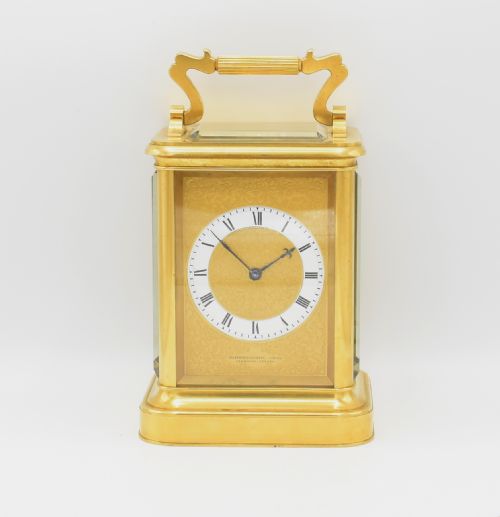
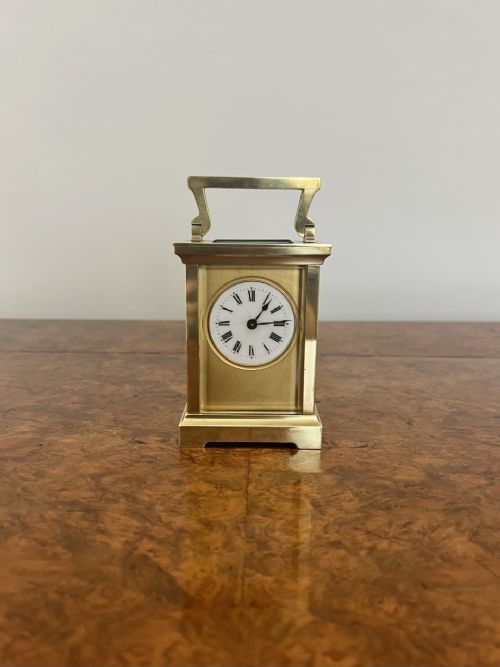
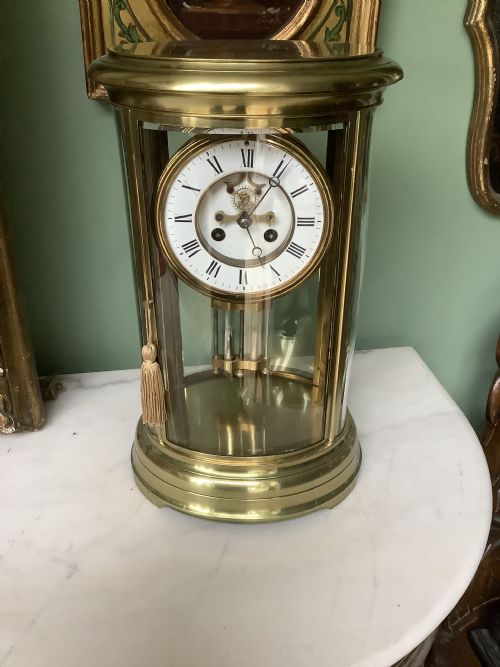
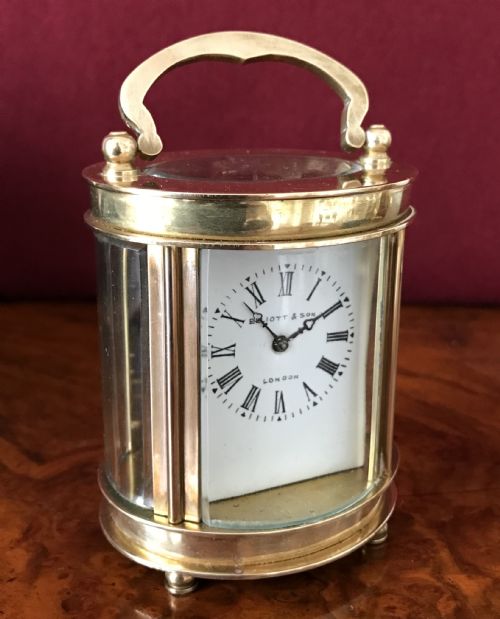
When you search for antique mechanical clockwork clock, you encounter a diverse array of timepieces originating predominantly from the nineteenth and early twentieth centuries. These range from domestic mantel and wall timepieces to portable carriage clocks and complex skeleton clocks housed under glass domes.
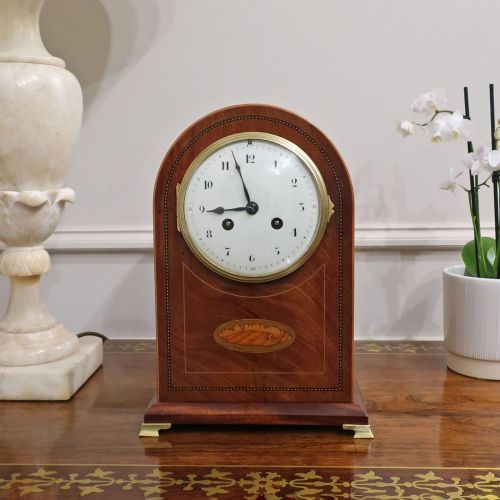
The objects on this page span several distinct stylistic periods, including Victorian, Belle Epoque, and Art Deco designs. Common formations include mahogany bracket clocks, brass carriage clocks, and walnut mantel clocks driven by traditional mechanical movements.
Makers utilised various housings, pairing wooden cases in mahogany and walnut with metallic frameworks in brass and gilt brass. Dials frequently incorporate enamel details alongside glass viewing panels to expose the internal wheel work and escapements.
Materials and construction
Clockmakers constructed movements primarily from brass and iron, utilising gear trains, fusee mechanisms, and escapements to regulate the release of power. Cases were built from dense timbers such as mahogany and walnut, frequently polished and shaped to reflect prevailing Victorian and Art Deco aesthetics.
Enamel featured prominently in dial production, providing a durable and legible surface for numerals, while glass formed protective panels and domes to shield delicate wheel work from dust.
Some nineteenth-century clocks contain hidden automata that animate miniature scenes to distract you from being late.
Assessing craftsmanship
Quality in an antique mechanical clockwork clock reveals itself in the precision of the movement, the complexity of the striking or automaton mechanisms, and the refinement of the exterior case. Engraved plates, multi-spoke wheel work, and solid timber construction distinguish higher-grade pieces.
The integration of original components, such as matching glass domes, signed dials, and well-executed brass castings, elevates the overall integrity of the timepiece.
H.A.C.·Goldsmiths Alliance Ltd·Delépine-Barrois·Rudge·Piggin Norwich·Baveux·Jacot·James Grohé
The Antique Mechanical Clockwork Clock Glossary
- Fusee
- A conical pulley used in mechanical clocks to maintain an even pull on the gear train as the mainspring unwinds. This device compensates for the decreasing torque of a dropping spring.
- Skeleton clock
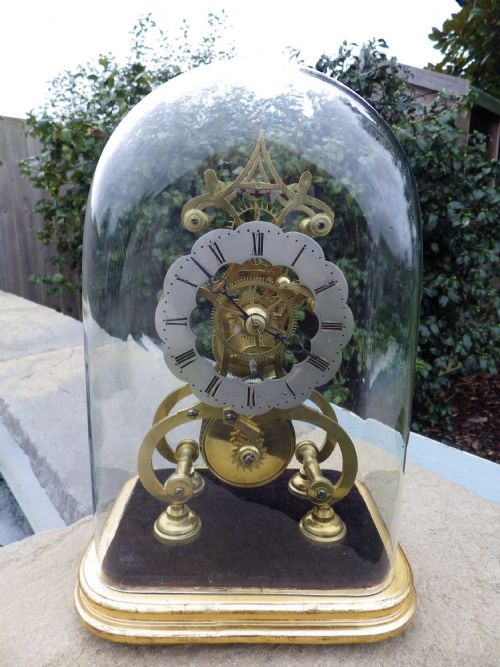
- A timepiece designed with an open framework that exposes the entire gear train and movement to view. These are frequently displayed beneath a glass dome.
- Carriage clock
- A portable spring-driven timepiece developed for travel during the nineteenth century. They typically feature a brass case with glass panels and a folding handle.
- Automaton
- A mechanical device capable of independent movement, sometimes incorporated into clocks to animate figures or scenes as the time strikes.
Antique Mechanical Clockwork Clock: Frequently Asked Questions
How do fusee clocks work?
A fusee mechanism uses a conical pulley connected to the mainspring by a fine chain or cord. As the spring loses tension, the chain moves to a wider section of the cone, maintaining constant force on the movement.
This clever geometric adjustment ensures consistent timekeeping across the full duration of the winding cycle.
What is a skeleton clock?
A skeleton clock strips away the traditional enclosing wooden case to display the intricate brass gear trains and wheel work directly. The exposed movement becomes the primary visual feature of the object.
These pieces were often mounted on marble plinths and protected by blown glass domes to keep dust away from the delicate mechanics.
How should I maintain a mechanical clock?
Mechanical clocks require regular winding and occasional professional servicing to clean old oils from the brass pivots and gear trains. Keeping the timepiece on a level surface ensures the pendulum or escapement beats evenly.
Avoid placing clocks in direct sunlight or areas with extreme temperature fluctuations to protect wooden cases and enamel dials.
Where were carriage clocks used?
Carriage clocks originated as portable timepieces for travellers during the nineteenth century, designed to withstand the motion of transit. Wealthy individuals packed them into leather travel cases for coaching journeys.
Over time, they transitioned into decorative domestic items placed on mantels and desks within the home.